

5 Disadvantages Of A Built-In Ice Maker In Your Refrigerator
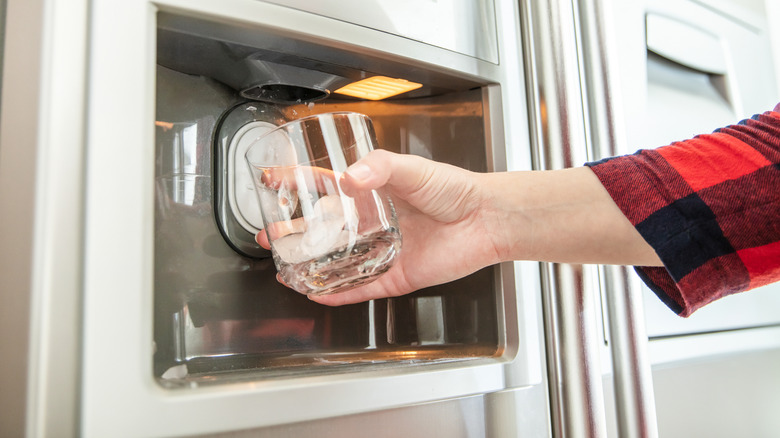
Having a fridge with an ice maker can come in handy, no doubt. Ideally, it means you don't have to worry about filling trays with water that might accidentally spill on the floor or running out of frozen cubes to use for drinks and smoothies. Whenever the need strikes, that self-contained machine is ready to go. And if the ice maker is built into the door, you don't even have to open the freezer to use it.
However, ease of access might not be enough to overcome the potential downsides of buying a fridge with this feature. In fact, when Mashed looked into some of the biggest complaints about LG refrigerators, problems with the ice maker stood out as one of the top issues. Unfortunately, it's not hard to see why. Not only does this built-in system make the appliance more expensive, but repair bills and higher ongoing costs must also be factored in. Plus there is the loss of space and potential for smelly ice and mold.
There is less storage space
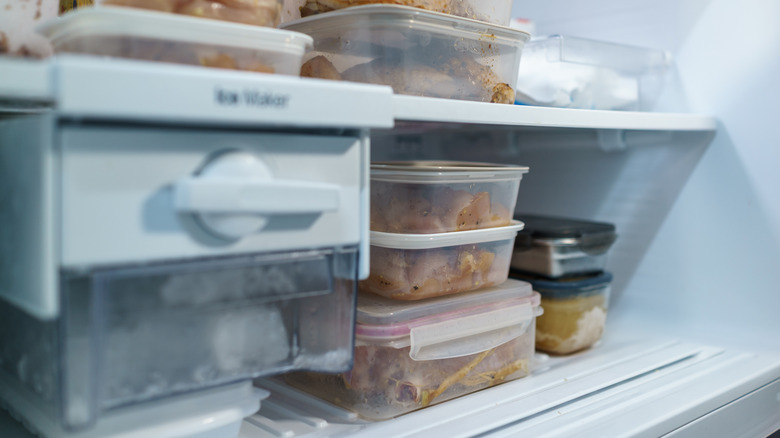
Water filtration and ice maker mechanisms can take up precious real estate in your freezer. Depending on the width of the compartment, you could lose the entire top shelf. So that space won't be available if you need to store leftovers after a meal or make room for an awkwardly shaped container. Regardless of whether you have a top- or bottom-freezer or a side-by-side, you can expect to lose around 0.5 cubic feet to a built-in ice maker.
Even when the device is installed in the door, it takes away shelf space on the inside of the appliance. So if you are the type of person who routinely stuffs your fridge with fresh groceries, you may come to resent the in-door dispenser cutting into your storage. Likewise, if you like to stock up on frozen goods or otherwise rely heavily on your freezer, it may be wise to forgo a built-in ice maker.
You might have to deal with smelly ice
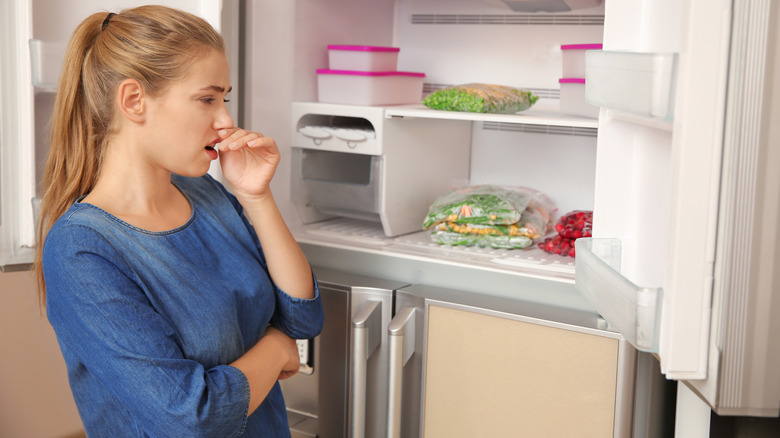
Have you ever filled a glass with ice from your freezer only to get a whiff of something oniony? There are a couple of reasons this could be. First, the water used to make the ice might be high in certain rank chemicals like sulfur that is passed on to the ice cubes. It's also possible that the appliance is built with a single evaporator, meaning that air is circulated between both the refrigerator side and the freezer. Many fridges on the market are built this way.
The result of this single evaporator design is that the ice in your freezer may absorb the smells and possibly flavors of the foods stored in the refrigerator. If that thought leaves a bad taste in your mouth, you'll need to be diligent about keeping the ice maker's bucket clean. Warm soapy water should suffice, but always check your manufacturer's instructions. (To avoid damaging the appliance and contaminating food, you should never use bleach to clean your fridge). Storing a box of baking soda in the freezer and fresh food section after cleaning will help absorb future odors.
If this all seems like too much to keep up with, you have two additional options. One is that you could fork over the extra money for a new dual evaporator fridge, which has a separate circulator for the fresh food and freezer compartments. Or save yourself the worry and don't have a built-in ice maker to begin with.
They come with a higher price tag

Bells and whistles that come pre-installed a product result in a higher initial price. For a refrigerator with a built-in water and ice dispenser in the door, you can expect to pay a few hundred dollars more out the gate than for a more base model that does not include this convenience. On top of that, ongoing costs like utility bills might be higher from the extra electricity and water used by the ice maker.
Water filter replacement is another added cost to keep in mind. A fact about water filters many consumers may not know is that you should swap them out even when everything tastes fine. You don't want them to become clogged and therefore less effective at removing impurities you would rather not consume. A new filter could cost between $15 and $60, and it should be replaced every few months depending on how frequently the fridge dispenser gets used. A clogged filter also puts stress on the internal valves, potentially damaging them. That can lead to even bigger problems and costly repairs.
They are prone to leaking, which may lead to mold growth
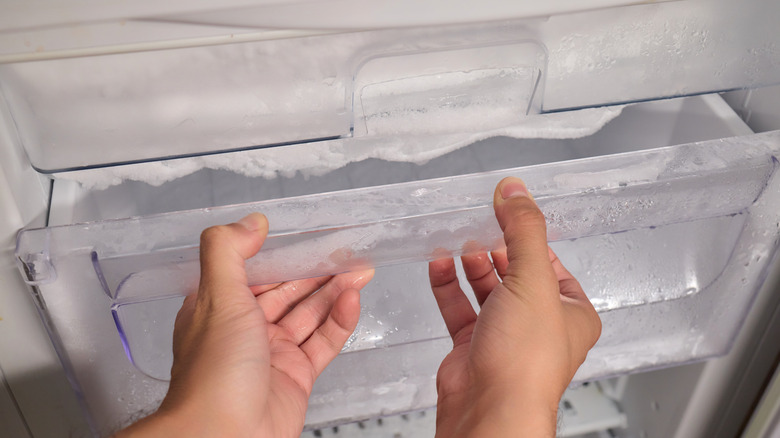
Maintenance repairs are a risk with any household appliance. Pieces split and motors break down over time. In the case of refrigerators with built-in ice makers, water lines leading into the dispenser or other parts of the mechanism can crack, leading to leaks and excess moisture within the refrigerator. This risk for leaks increases if the line is improperly installed.
In addition to water on the floor being a slipping hazard, moisture and darkness form the perfect hotbed for mold. It may seem counter-intuitive for a machine whose entire purpose is to create cubes of frozen water to have standing water, but in order to function properly, parts of the machine remain unfrozen. Water may condense or go through the repeated process of freezing and unfreezing, and these areas are where mold spores can easily gather and flourish.
Eradicating mold is an even bigger reason than avoiding smelly ice if you want to keep the inside of your fridge and freezer in tip top shape. Ingesting those fungal spores can make you sick, especially if you have a mold allergy. Immunocompromised and pregnant people are also at a higher risk of experiencing adverse reactions to contaminated ice.
Repairs are costly
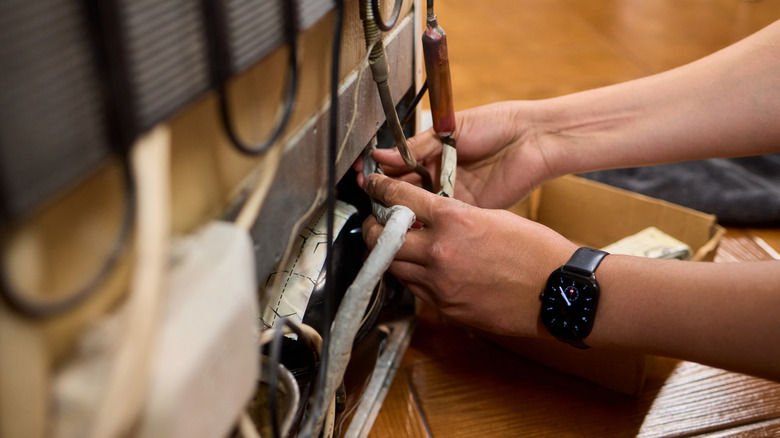
A faulty fridge or compromised parts may cause leaks that ruin neighboring kitchen appliances as well as walls and flooring. Clogs or damage to filters, tubing, or the supply line to a built-in water and ice dispenser can leave puddles in your kitchen and must be quickly addressed to avoid further problems. The added plumbing required to run water to the fridge dispenser is an added maintenance issue on top of the fridge itself.
Refrigerator repair costs in 2026 according to HomeAdvisor run between $300 and $1000 with the average coming in at $650. Consumer Reports estimates "30 percent of refrigerators with icemakers will have a problem by the end of the fifth year of ownership, making them one of the least reliable products we track." With fewer moving parts in a fridge or freezer without a built-in ice maker, there are simply fewer opportunities for things to break, which will save you in the long run.