

3 Disadvantages Of Using A Rice Cooker
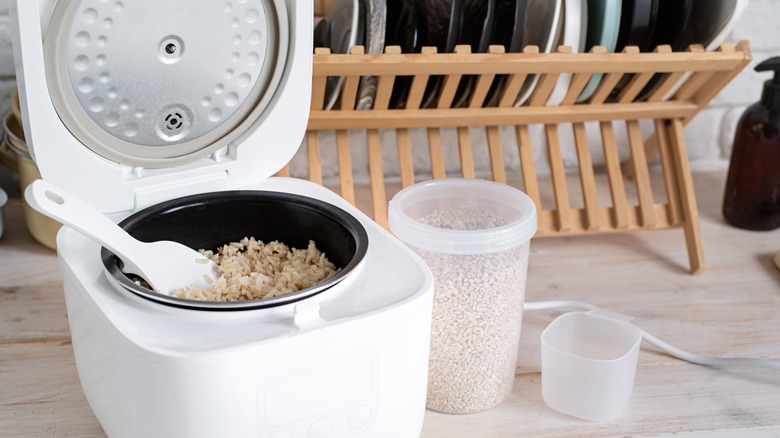
Rice is a staple for more than half the world, according to the Journal of Nutritional Science and Vitaminology (Tokyo), meaning billions of households cook up a batch every day. To assist with this daily task, the automatic electric rice cooker was born in the 1950s, helping simplify the process and turn it from an active cooking chore to a hands-off experience. While they may be convenient for some home cooks, it's also vital to recognize they have disadvantages, too. Most notably, these are cost and storage concerns, the time they take to use, and the lack of control over cooking once it begins.
Typical rice cookers work using a simple principle. While water is present in the heated cooking vessel, ready to be absorbed by the rice, the temperature can't increase above the boiling point. Once the device's internal thermometer detects a rise above boiling point, it recognizes the water has been fully absorbed and switches off or to a lower setting to keep the rice warm without burning. Even rice cooker skeptics can acknowledge this hands-off, automatic process has benefits, particularly for those who value consistency or use the time to complete other meal preparation tasks. Whether or not they outweigh the disadvantages may depend on personal preference and how the cooker is used.
It's another appliance to buy, store, and clean
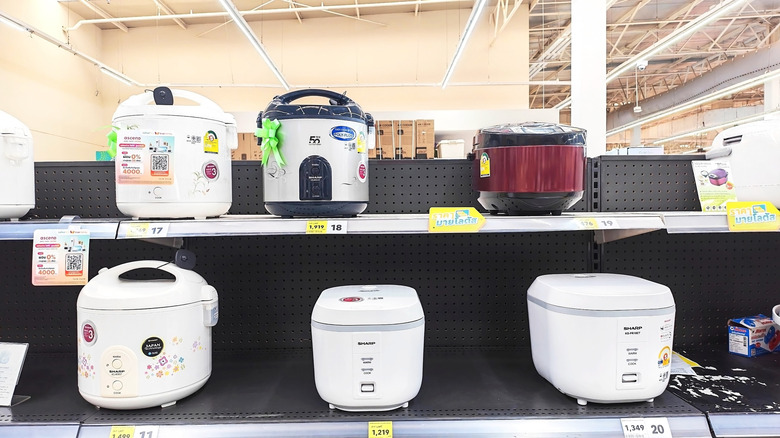
There's no denying the past few decades have seen the number of small appliances in many home kitchens expand. Adding a rice cooker to the mix involves a financial cost, which can range from under $50 to around $100 for budget-friendly choices to well into the hundreds for high-end models. That's an expense some may prefer to avoid when similar results can be achieved with equipment they already own, such as an ordinary pan or pot.
Alongside rice cookers, everything from air fryers to immersion blenders and sous vide cookers have become common for active home cooks in recent years. Unfortunately for many of them, their cabinets and storage space may not have kept up. Although most rice cookers aren't overly large, they're still an additional item to find room for.
Rice cookers also present another appliance to clean. The process requires a bit more care and attention than typical cookware to ensure the various surfaces of the device are fully cleaned while protecting the internal electronics.
Rice cookers take longer than other cooking methods
One of the most obvious downsides of rice cookers is the amount of time they take to do their job. While stovetop white rice comes together in around 20 minutes and commercially available microwaveable rice can be ready in 60 seconds, rice cookers typically take at least 30 minutes to finish. Some even take as long as 45 minutes to an hour, particularly sophisticated models that involve more complex heating cycles and sensors. Other types of rice can take substantially longer, such as brown rice, which can have cook times of over an hour.
Advocates may point out this cooking time doesn't require any attention once it begins. Still, when the far lengthier cook times are combined with the extra few minutes of prep time, it requires home cooks to start making their dinner substantially earlier than they might otherwise just to be done at the same time as usual. This could present a noteworthy downside for those who want a quick bite to eat or don't have a lot of time to get dinner ready.
Rice cookers offer less control during cooking
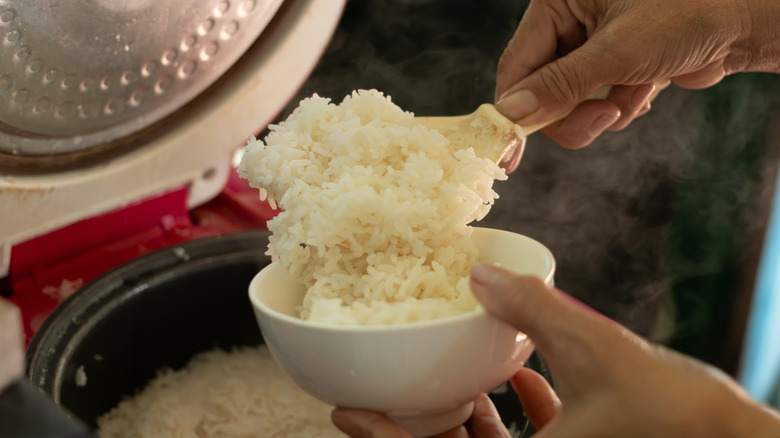
The set-it-and-forget-it aspect of rice cookers can be appealing to those who'd like to pay as little attention as possible to cooking. While those cooking rice on the stove can adjust the heat, add water, or otherwise make small adjustments on the fly, rice cookers offer no such ability. Opening them mid-cook is one of the biggest mistakes everyone makes with rice cookers, as it can significantly affect the internal temperature, changing the texture, flavor, and cook time.
Those making their regular batch of rice likely won't have many reasons to open the cooker mid-process once they've dialed in their ideal water-to-rice ratio. However, those trying out new types of rice, from basmati and jasmine to "forbidden" black rice, may struggle initially without the ability to tweak cooking factors while the cooker is running. This potential for failed batches is especially meaningful when the long cook time is considered, representing a potentially long delay to your meal.
There's no denying the appeal rice cookers present to home cooks, as evidenced by the hundreds of millions of units sold since 2020. Still, apparent positives aside, those considering adding one to their kitchen need to weigh the downsides, too. Depending on your cooking and kitchen situation, the cost, space required, longer cook times, and lack of mid-cook control may be minor disadvantages or less-discussed dealbreakers.