

Why The Same Beer Can Taste Different On Draft, In A Can, And In A Bottle
We may receive a commission on purchases made from links.
If you've ever been surprised by how different a Heineken poured at a bar can taste from the ones you've got at home, you're not alone. You're also not imagining things. The very same beer can have all sorts of variations in flavor depending on whether you drink it on draft, in a can, or in a bottle, regardless of its brand or style.
The main differences between draft, canned, and bottled beer lie in how each vessel protects it from light and air while preserving carbonation. Light and oxygen both create chemical changes in the brew, and too much of either can seriously transform the flavor. Carbonation, on the other hand, changes a beer's mouthfeel and impacts how we perceive its aroma and flavor compounds.
Improper storage and handling are a couple of ways you can ruin beer, so how the product gets to the bar or supermarket is as important as what container it's in. Since you have no control over that part, the best way to enjoy beer at its highest quality is by understanding how its taste is affected by draft systems, cans, and bottles.
Draft beer offers the most freshness, but it has high variability
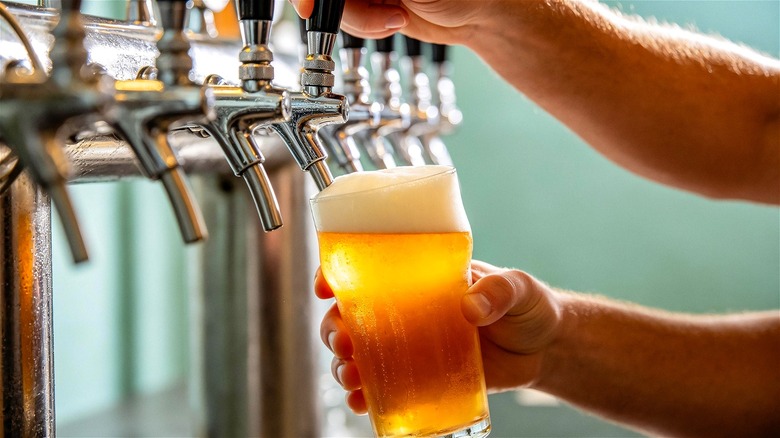
It's often said that draft beer has superior flavor over canned and bottled because kegs are more likely to contain fresher beer. Cans and bottles may sit in storage for months before the beer reaches your lips, giving its flavor ample time to degrade. An untapped keg keeps the beer sealed off from light and air, so it typically tastes unchanged from its actual flavor.
At the same time, a draft system maintains optimum carbonation through gas pressure regulators. Different beers taste better at specific carbonation levels, and the regulators can be calibrated to ensure that the keg contains the exact amount of gas needed to serve each beer at its best. All of this depends on how well the draft system is maintained, however.
Compared to cans and bottles, these systems have a lot more moving parts that might make you think twice before ordering draft beer. Bacteria from dirty lines can introduce a nasty flavor to the brew as it pours, while issues with internal pressure could make the beer flat. If the system isn't calibrated to the proper serving temperature, certain notes meant to be muted by the cold may become more pronounced when the beer's too warm. Despite everything a draft system does right, the many things that could go wrong make draft beer the most vulnerable to variables in flavor.
Canned beer preserves flavor the best
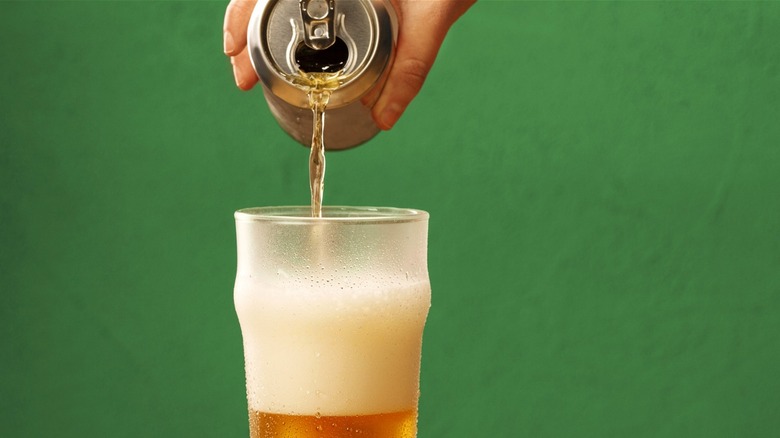
Cans are considered by many brewers to be the best packaging option because they combine the strengths of draft beer and bottles without having most of their weaknesses. Like kegs, they completely shut out air and light, which is why canned beer often tastes better than bottled. Cans also get around the maintenance problems that can compromise a draft beer's quality, though they can't quite match a draft's freshness given the logistics of packaging.
Some canned beers can even replicate some of the pressure-related features of a draft system. Asahi, for example, invented a can that uses pressure physics and microscopic bumps to give its beer a draft-like foam when you open it. Guinness invented an attachment that uses ultrasonic frequencies to induce nitrogen bubbles inside specially designed cans, creating a draft-worthy balance of foam and texture. If you want to try draft-quality beer from a can, the Guinness Nitrosurge device is sold on Amazon for around $45.
Modern beer cans have also overcome the one advantage glass bottles used to have over them. Glass, unlike aluminum, is non-reactive with beer, and won't infuse the liquid with any of its own flavors. Today's aluminum beer cans hardly ever impart a metallic flavor to beer because they have food-safe linings. The lining separates the liquid from the metal, so all you taste is what the brewery intended.
Bottled beer tends to be more of a middle ground
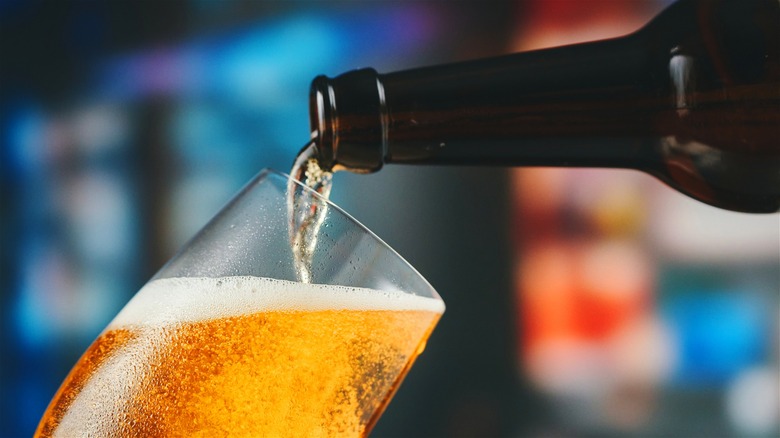
Unlike kegs and cans, bottles don't fully protect beer from light or air, which means the beer's flavor is almost certain to degrade over time, albeit with fewer potential triggers for change compared to draft systems. Bottle caps are prone to small flaws in their seals that allow air to move in and out, letting carbonation gradually escape. Bottles also can't replicate the rich foam of draft beer without a standalone device like the DraftPour beer dispenser, giving cans with new-and-improved technology a slight edge.
This isn't to say that bottles always give you a worse-tasting beer than draft systems or cans. Some beers come in opaque bottles that completely block out light. Delirium beers, for instance, use bottles made of ceramic rather than glass, so they're impermeable to light exposure. If the glass isn't opaque, the color of a beer bottle still matters — amber glass blocks out almost all of the UV and blue-violet light that degrades a beer's flavor. Green glass offers a fraction of that protection.
Bottles can preserve certain beer styles better than cans. A 2023 study published in ACS Food Science & Technology found that amber ales developed fewer chemical changes in their flavor compounds when bottled rather than canned, while IPAs remained more stable regardless of packaging type. This data suggests bottles may offer a better-tasting amber ale, as long as it's an otherwise palatable beer.