

9 Of The Most Affordable Wine Brands In The US
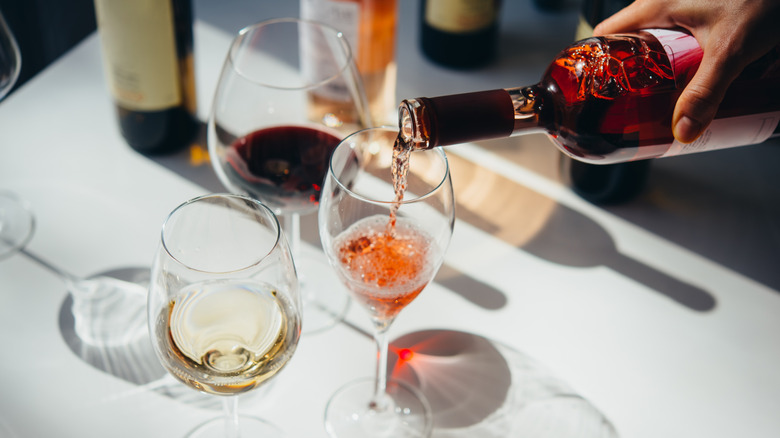
Wine can certainly be an expensive indulgence. But unless you're a collector or self-proclaimed connoisseur, there's no need to always spend an arm and a leg for a bottle. (Although some of the most expensive wines are worth trying at least once.) There are plenty of affordable wine brands available in the U.S. that are likely to strike your fancy, including those we're highlighting here: Foxglove, La Vieille Ferme, Josh Cellars, Cupcake Vineyards, 14 Hands, Apothic, Alamos, 19 Crimes, and Oyster Bay.
But let's get something straight right off the bat: Affordable doesn't have to mean cheap — or good (or bad) for that matter. In fact, these picks are not necessarily the cheapest wines out there or the tastiest. They're affordable for the average consumer. If we consider how much to spend on a good bottle of white or red wine, the cost-effective sweet spot is right around $10 to $15, whether you're buying well-regarded brands or more run-of-the-mill table wines.
So why even go for an affordable wine brand, especially if it may not be outstanding? Not all wine drinkers have a refined palate and are looking for a tasting experience. Some people, quite simply, drink it for the antioxidants and maybe to get a bit of a buzz. Honestly, though, even some sommeliers recommend wines under $50, and many wine brands are high-quality and taste more expensive than they are. So let's look at some of these inexpensive options and why you might want to check them out.
Foxglove
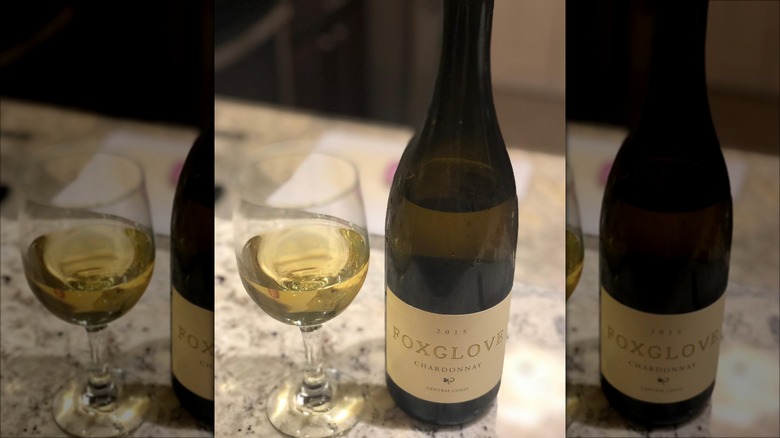
Foxglove is the budget-friendly label from the makers of the premium wine brand Varner. Twin brothers Bob and Jim Varner introduced Foxglove in 1991, focusing on grapes from California's Central Coast, a renowned wine region that includes Paso Robles and San Luis Obispo. To preserve the natural acidity and taste profile of their California wines, the brothers use steel tanks rather than oak barrels during production.
Although Foxglove's chardonnay is most popular, its other wines — cabernet sauvignon, zinfandel, and pinot noir — have gained a following. The chardonnay stands out among other white wines in its price range, in part because of its lack of malolactic fermentation. As WineMaker magazine explains, "This method makes a refreshing wine that is lean and tart and allows the delicate fruit flavors of the variety to shine through." The wine brand has earned significant praise over the years for its excellent taste and value, appearing multiple times on The New York Times semiannual list of "20 Wines Under $20" by Eric Asimov, the newspaper's chief wine critic (via Varner Wine).
Foxglove's wines generally land in the affordable $10–$20 range, though exact prices vary by retailer and vintage. The brand is available through online wine and liquor shops as well as major alcohol retailers across the U.S., including Total Wine & More. Look for Foxglove's simple cream label, which features a small flower just below the variety.
La Vieille Ferme
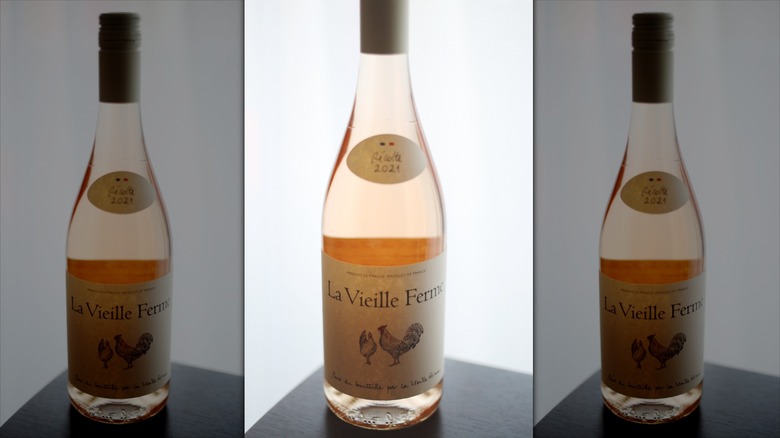
French for "The Old Farm," La Vieille Ferme wine has been produced in the south of France for over 50 years. The wine brand is the brainchild of the Perrin family, a celebrated winemaking dynasty known for their Château de Beaucastel vineyard, which they've stewarded since 1909. That's a surprisingly fancy pedigree for a wine under $20.
But perhaps the brand is best known for going viral on TikTok, and the nickname "the chicken wine," after the poultry on its label. Don't let the rustic design fool you, though. La Vieille Ferme is made with fruit from impressive growing areas: Languedoc and the Rhône Valley. The Mediterranean climate and limestone-rich, loamy soil makes for a coveted terroir that the Perrins' wine is known for. However, with La Vieille Ferme there's a greater focus on grape varieties over region. The wine falls under the Vin de France designation, allowing them to combine grapes from different areas to boost the fruit-forward flavors.
Each wine — red and white blends, as well as the famous rosé— is fermented in stainless steel tanks to "enhance freshness and aromatic intensity" (via Famille Perrin). At roughly $10 for a standard 75-centiliter bottle and $15–$17 for a magnum-sized one (1.5 liters), plus similarly priced can and box options, La Vieille Ferme is an affordable way to put a sommelier-recommended French wine on your dinner table. You can find it at wine and liquor retailers, grocery stores like Whole Foods, and even Target.
Josh Cellars
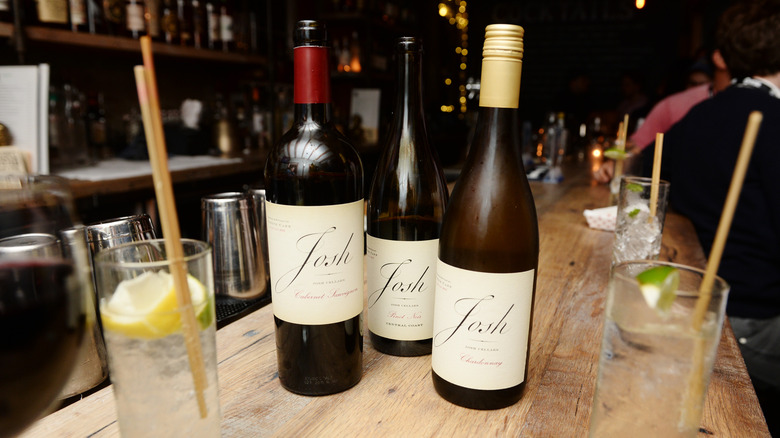
If you've ever wandered the wine aisle looking for a bottle that won't blow your budget, chances are you've seen the name Josh. Josh Cellars, that is. Founded in 2007 by Joseph Carr, who named the California brand after his late father, Josh — a lumberjack, Army veteran, and volunteer firefighter — Josh Cellars is now one of the fastest-growing table wines in the U.S. (via VinePair), with bottles typically averaging between $10 and $20. Its grapes come from California's North Coast and Paso Robles wine regions, with over 11 varietals ranging from the popular cabernet sauvignon to a non-alcoholic sparkling wine.
Despite the simple name and affordable cost, Josh doesn't skimp on quality. Many of its wines earned scores of 90 or higher from reviewers, and the brand was named American Winery of the Year by Wine Enthusiast in 2021. Josh Cellars also developed somewhat of a cult following, inspiring sometimes biting social media memes and even a mention on SNL.
According to wine critic Esther Mobley, however, Josh Cellars' wines are likely popular because they fit "the most widely found American palate" (via Bon Appétit). That's probably why you'll spot the name Josh in the wine aisles of major grocery and big-box stores nationwide, as well as through alcohol delivery services like Gopuff. It's an easily recognizable option when you just want something average.
Cupcake Vineyards
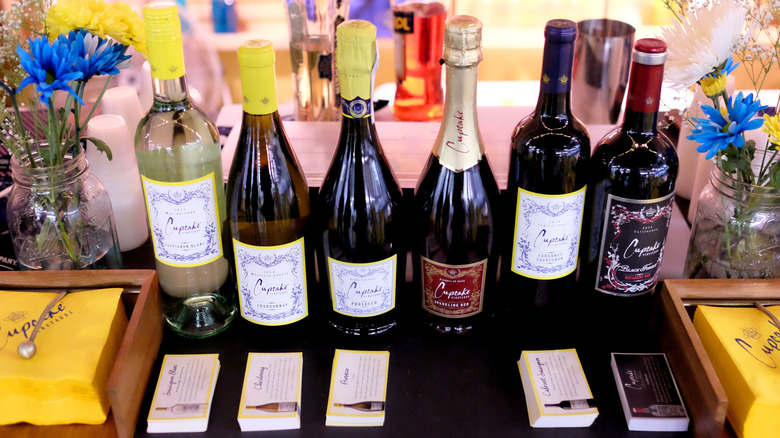
When Cupcake Vineyards launched back in 2008, cupcakes were having a moment. The wine brand decided to lean into that cultural appeal, treating wines like a little treat to enjoy during life's simple moments. Nearly two decades later, Cupcake remains a popular pick for budget-conscious wine drinkers. In fact, it's the No. 3 premium wine brand in the U.S. by volume (via Business Wire). Most bottles hover around $10, especially at Target or Total Wine & More, making it easy to sample even when money is tight.
And there are plenty of varieties to sample. Cupcake has vineyards in California, New Zealand, and Italy, allowing drinkers to compare regions and varietals through a consistent, wallet-friendly profile. Its lineup spans reds, whites, rosé, prosecco, and its "Lighthearted" low-alcohol wines, along with an alcohol-removed option. The white wines are particularly popular, including its sauvignon blanc and chardonnay, although the Chianti is the brand's highest-rated wine (via Wine-Searcher). Opinions are somewhat divided on the brand's quality, at least among wine drinkers on Reddit. Some praise Cupcake as an approachable entry-level wine brand while others argue there are better bottles at the same price.
Cupcakes may not have the same appeal as they did in the early-2000s craze, but Cupcake Vineyards is still going strong, even teaming up with the Netflix reality show "Love Is Blind" for a limited-edition Love Is Wine chardonnay in 2024. Somehow that fits with a company whose tagline is "Serious wine. Unserious name."
14 Hands Wine
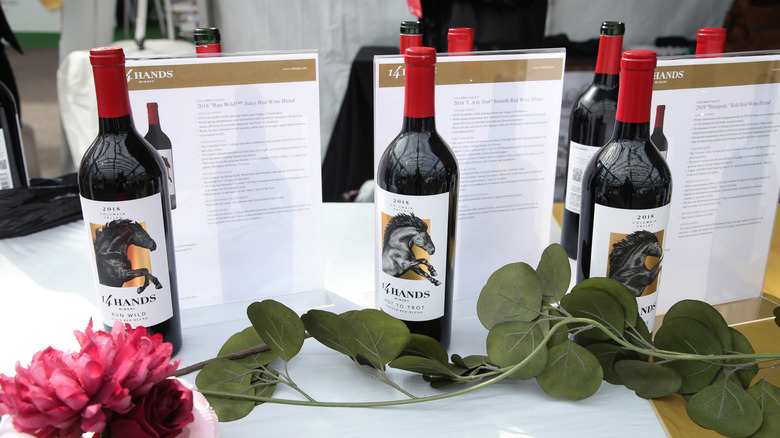
When Ste. Michelle Wine Estates introduced 14 Hands in 2005, it was a restaurant-only brand. Then people started asking for it by name at wine shops, so the brand launched a retail division, eventually turning 14 Hands into the second-largest winery in Washington state. Now, the winery produces 2 million cases of wine each year (via Eastern Oregon University) — a collection of reds, whites, and rosés. Most bottles run about $10 to $15, and even a little less for its canned wines. Finding it is relatively easy, too, with 14 Hands available at grocery chains like Ralphs and Albertsons, as well as Target, local restaurants, and even 7-Eleven.
Lesser known than California wine regions, the Yakima Valley, where 14 Hands comes from, is one of Washington's designated American Viticultural Areas (a federally recognized wine grape-growing region). According to Wine Folly, wines from here grow in a layer of wind-blown silt or loess soil, which is very fertile and makes for more aromatic flavor. Wild horses once roamed this land, inspiring the wine's name, a reference to horse height.
Despite the prestigious connection, the brand prides itself on "making everyday wines that people enjoy drinking." Yet it still manages to inspire some critical acclaim, too. Wine Enthusiast named multiple 14 Hands wine varietals and vintages as "best buys," the magazine's top picks for wines under $20. Some of these value wines even earned a 90-point rating, meaning the magazine highly recommends them.
Apothic
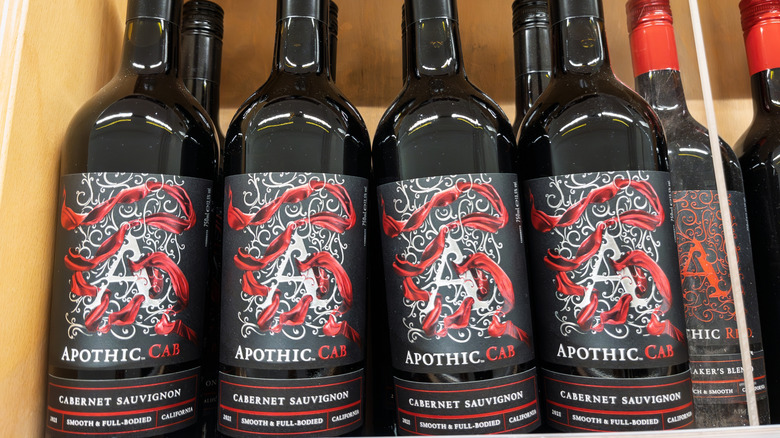
Inspired by the word apotheca, a Medieval space dedicated to winemaking, Apothic Wines has an edgy mystery to it. Its labels are viney and ornate, and the red blends have delightfully gothic names like Dark and Inferno. But despite the Old World influence, Apothic is an extremely affordable table wine brand based in Modesto, California.
Founded in 2010 by E. & J. Gallo Winery (now known as Gallo, the world's largest wine company), Apothic initially focused on red blends designed to appeal to a broad range of tastes. Priced between $6 and $15, somewhat on the lower end of other brands on this list, Apothic may not automatically inspire confidence in its quality. Still, its reds, in particular, have definitely captured the attention of critics, earning multiple scores of 90 or 91 as recently as 2024 (via The Tasting Panel). The resulting taste profiles of Apothic's lineup are decidedly smooth, rich, and fruity, making for an easy-to-drink pour.
The brand's signature original red blend is easy to spot on grocery-store shelves, due to its distinctive (scarlet, in most cases) "A." Thankfully, drinking it isn't a sin. Beneath its dramatic branding is a winery committed to providing consistency for its customers. One Reddit user summed it up best, comparing Apothic to a Honda Civic. It's "not flashy at all, but is reliable and runs just fine." And maybe that's exactly what makes Apothic such a good budget wine.
Alamos Wines
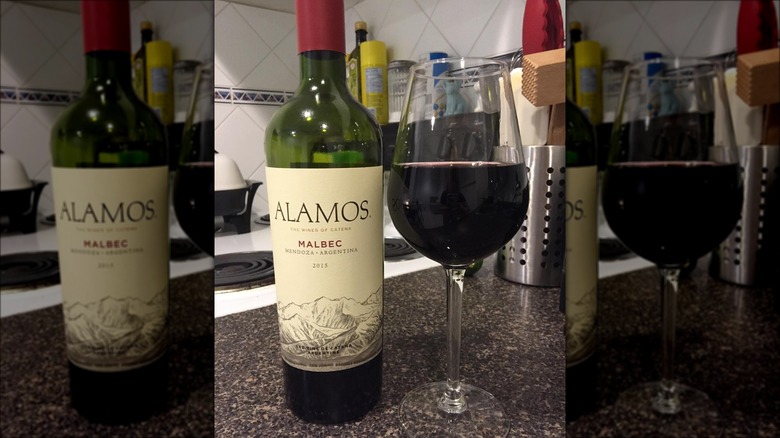
Argentinian wine brand Alamos brings over 120 years of winemaking to the table. The Catena family makes malbec wines in Mendoza, Argentina, at elevations up to 5,000 feet along the Andes Mountains. That high elevation gives Alamos wines a distinct terroir, with wine experts noting that high-altitude grapes can produce deeper and more complex tannins and flavors (via Food & Wine). Alamos' signature malbec showcases this flavor profile particularly well, with a dark fruitiness that pairs nicely with red meat.
Today, Alamos is owned by Gallo, the same company behind Apothic and other affordable wine brands. This acquisition enabled it to become the top-selling malbec in the U.S. (via Forbes). Alamos also produces a Selección malbec (the equivalent of a reserve wine), cabernet sauvignon, and a red blend. All but the red blend have earned 90 or 91 points from wine critic James Suckling, with the malbec achieving 91 points for eight consecutive years.
Alamos' malbec has also appeared on Suckling's "$15 wines that taste like $50 list," which speaks volumes about the wine's quality. Total Wine & More customers frequently leave reviews about its great value too. Bottles typically cost between $10-$20, and retailers include CVS, Target, and local grocery and liquor stores. In select states, you can even order a bottle through DoorDash or Instacart. Despite its international origins, Alamos remains an easy-to-find brand in the U.S. and an inexpensive way to explore Argentine wine.
19 Crimes
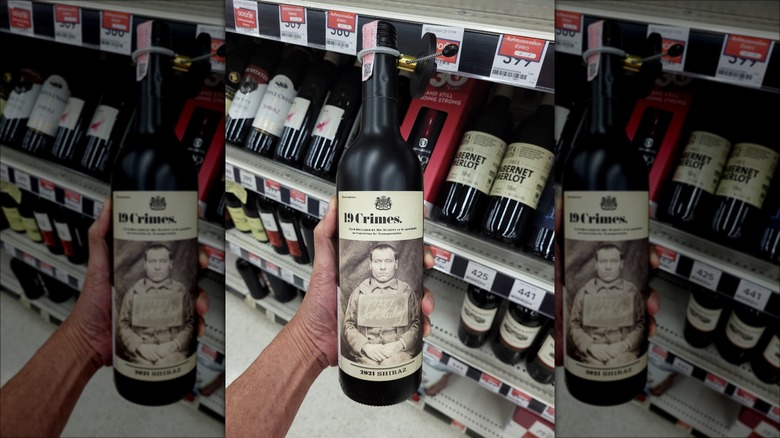
If labels attract you to wines more than name recognition, you may already know 19 Crimes. The Australian wine brand from Treasury Wine Estates in Melbourne, has been making waves since 2012 with its mugshot-like wine labels. The name centers around the 19 crimes that would get British citizens "punishment by transportation," exiling them to a penal colony in Australia. Crimes ranged from grand larceny to stealing a shroud from a grave, with each wine cork featuring a crime.
The wine itself is pretty unassuming, with a collection dominated by red blends. On Reddit, wine drinkers love criticizing 19 Crimes, calling it "an entry-level wine for people who don't know much about wine." But that's part of what makes it approachable for most people, along with its somewhat gimmicky branding and collaborations. The biggest collab came with Cali by Snoop, which was so successful it became the top-selling wine ever tracked in Circana's New Product Pacesetters report (for the food and beverage industry), according to The Press Democrat. There's even a limited edition chardonnay with Snoop's pal Martha Stewart, too.
It's pretty easy to find in places like Target or Walmart, liquor stores, and from online retailers. Recently, bottles range around $8-$12, although it's typically closer to $15-$20. Maybe it's becoming more of a cheap wine, but 19 Crimes hits that sweet spot of affordability and novelty. Plus, after you finish a bottle, you can explore the brand's augmented reality labels to watch the convicts tell their stories.
Oyster Bay
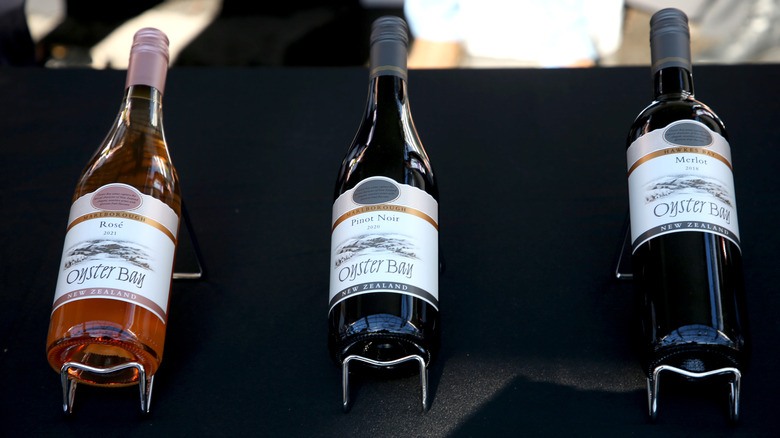
Oyster Bay started making wine in 1990, when its very first vintage of sauvignon blanc won the Marquis de Goulaine Trophy for Best Sauvignon Blanc in the World (part of the International Wine and Spirit Competition). Not a bad way to make an entrance. Today, Oyster Bay is still mostly known for its fragrant white wines: sauvignon blanc, pinot grigio, and chardonnay. But the New Zealand brand also makes a rosé, sparkling wine, pinot noir, and merlot. And you really can't go wrong with any of Oyster Bay's wines. James Suckling awarded most varietals ratings of 90 points or more, which is particularly impressive for being affordably priced.
The brand's success might have something to do with where it produces wine. Oyster Bay sources grapes from Marlborough and Hawke's Bay, two of New Zealand's major wine regions. In both, cool coastal climates and fertile alluvial soils help produce the bright, fruity wines the country is known for. Oyster Bay was a founding member of Sustainable Winegrowing New Zealand in 1996 and continues to take part in the fully accredited program.
Yet, despite Oyster Bay's portfolio of award-winning, sustainable wine, its bottles are meant to be enjoyed, not saved. Its vintages cost between $10-$20 on average, a noteworthy value considering the good quality. Pick it up in most local grocery or liquor stores in the U.S., and don't be surprised if your friends comment on your excellent taste.