

12 Mexican Chains That Serve High-Quality Tacos
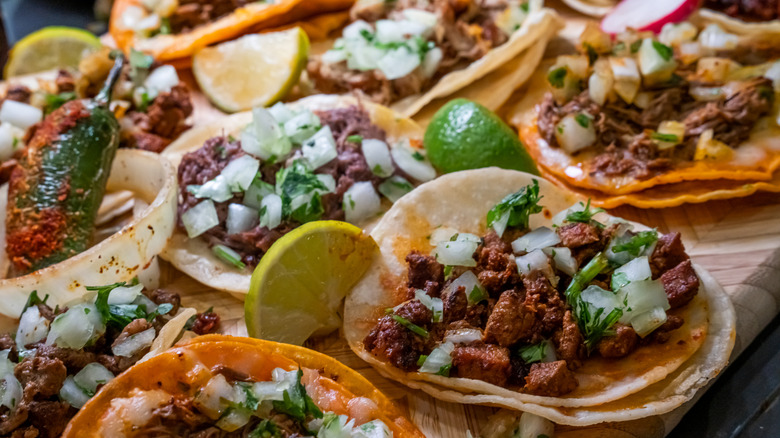
Nothing inherent to a chain is bad, particularly when it comes to preparing one of America's favorite dishes — the taco. Problems arise when growth becomes more important than the food itself or when the founders' original vision is diluted through expansion. Fortunately, not every chain falls into this category.
There are Mexican chains that continue to make tortillas by hand and using an ancient method called nixtamalizing — an alkaline process used to break down corn for masa. And there are some that continue to cook using traditional methods from the region they represent, such Tijuana-style carne asada and birria. Additionally, many of these chains remain committed to performing the time-consuming, labor-intensive tasks associated with Mexican cuisine. Such methods include braising meats, creating salsas in house, and shaving al pastor off a vertical rotating spit.
In compiling this list, we examined how closely a chain adheres to traditional Mexican recipes, ingredients, and cooking techniques. We also listened to comments from customers on Reddit, Tripadvisor, and Yelp regarding the final product. Here are 12 Mexican chain restaurants that serve some of the highest quality tacos in the U.S.
1. Los Tacos No. 1
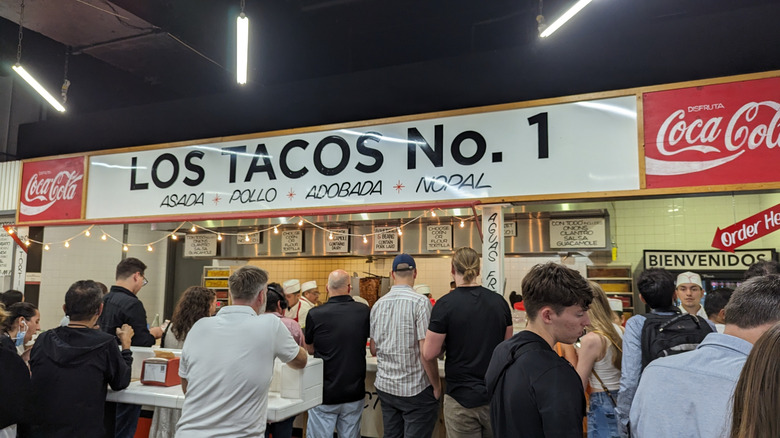
Los Tacos No. 1 is a New York taco joint that floods with customers like clockwork during lunchtime. It was founded by three besties from Tijuana, Mexico and Brawley, California. The company opened its first stand in Chelsea Market in Manhattan in 2013 and based its entire menu on family recipes that are rooted in the taco traditions the founders experienced growing up. Los Tacos No. 1 offers a concentrated menu based on what it believes to be traditional representations of Mexican cuisine.
By focusing on doing what it does best, Los Tacos No. 1 limits itself to four options: carne asada, pollo asado, adobada, and nopal — prickly-pear cactus. Each of these items is freshly made and prepared using hand-pressed and griddled tortillas. The adobada item is cut from a trompo, while the carne asada is grilled and offered with just the tortilla and a concentrated assortment of toppings.
There is not much hiding behind the food here, which means the tortilla, meat, salsa, and technique have to do the heavy lifting. Customers seem particularly attached to the high quality tortillas, with one Redditor saying, "Those handmade tortillas really set this place apart. My family still talks about the al pastor with the perfect char on it."
2. King Taco
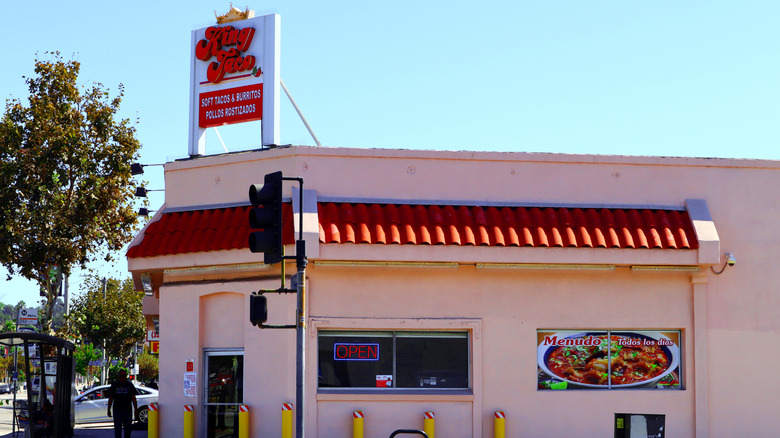
The history of King Taco starts with Don Raúl and Doña Lupe, who migrated to California from Mexico City in the mid-'70s with barely anything except their family recipes and very little cash. It started small, but quickly developed a loyal customer base large enough that the original King Taco in Cypress Park has since been considered for historic recognition.
King Taco's food is simple — each taco arrives on a warm corn tortilla filled with choices such as carne asada, al pastor, or lengua. It is topped with chopped cilantro and onions without an abundance of other toppings getting in the way. However, the actual soul of King Taco may exist within its red and green salsas. These are made from family recipes that have evolved into a staple among many longtime customers. Loyalty runs deep, even if opinions of King Taco vary greatly — which can probably be expected after more than 50 years in business. In a recent Los Angeles Reddit thread about King Taco, one customer summed up that longevity simply: "Forever the taste of LA, pastor with red sauce."
3. Tacos El Gordo
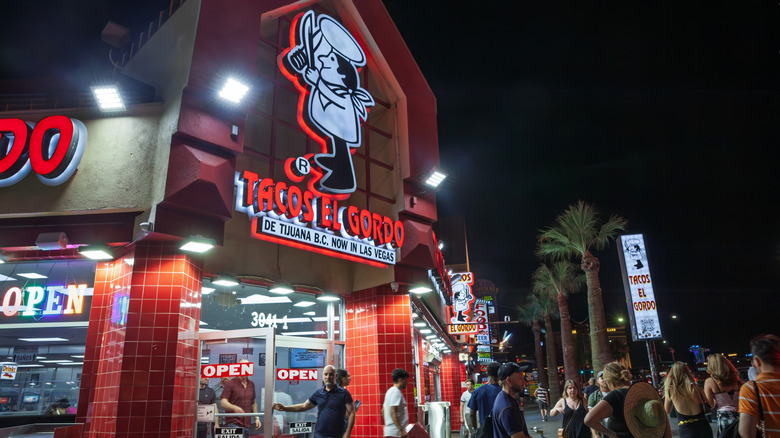
Tacos El Gordo did not need to reverse-engineer Tijuana tacos; it was born out of that tradition. The family-owned company began in 1972 before crossing the border into San Diego in 1998. After decades of growth, Tacos El Gordo has brought the Tijuana-style taqueria to a much broader American audience.
Even as the company has expanded, its operation still incorporates the elements that make this style of food work. Tortillas are handmade fresh, salsas and guacamole are prepared daily, and each meat is cooked in its traditional style rather than treated as an interchangeable filling. The menu includes carne asada, lengua, and the Azteca, which combines beef and nopal. While there is some debate over the chain's most popular taco, the adobada appears to inspire the most fanatical following. The seasoned pork is cooked vertically before being sliced into a tortilla and finished with toppings such as onion and cilantro. In a recent Reddit thread, one commenter summed up that loyalty: "Tacos El Gordo is great, and I'm tired of pretending otherwise."
4. Guisados
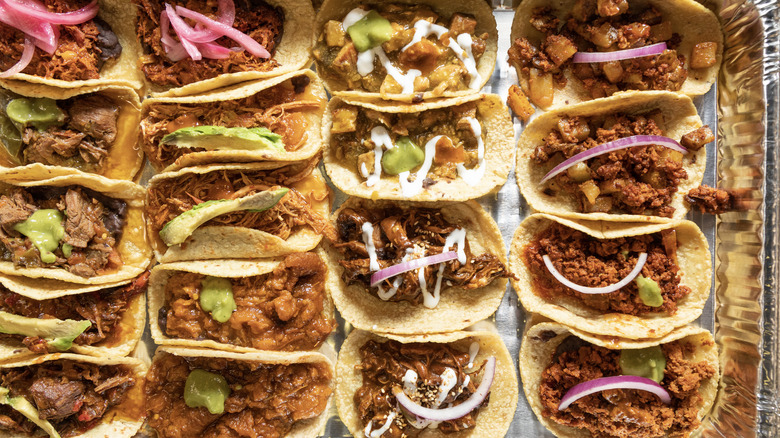
The De La Torre family opened Guisados in Boyle Heights in 2010 with a simple idea: serve the slow-cooked Mexican dishes they grew up eating at home. While plenty of modern taquerias chase mashups and novelty, Guisados built its identity around something much older. Its name roughly translates to "stews," and those long-simmered preparations remain the foundation of the menu.
That makes Guisados distinctly different from taquerias built primarily around a grill or trompo. Its tortillas are made from fresh-ground masa, but what goes inside them is the real attraction. Fillings such as chicken tinga, carnitas, barbacoa, mole poblano, and chicharrón en chile verde rely on slow cooking, chiles, sauces, and time to develop their flavor. Instead of simply wrapping grilled meat, the tortilla becomes a vehicle for the kind of braised dishes more commonly associated with a home kitchen. Customers seem to appreciate the difference, with one Redditor writing, "Man those Al pastor tacos look SLAPPIN." With another writing, "I can spot a Guisados taco from a mile away!"
5. Tacos 1986
Tacos 1986 is relatively young compared with many of the restaurants on this list. Tijuana natives Victor Delgado and Jorge "Joy" Alvarez launched the business in 2018, building it around the style of tacos they grew up eating rather than trying to reinvent Mexican street food.
That Tijuana influence is obvious in the preparation. Corn tortillas are handmade to order, carne asada is cooked over a flame, and adobada roasts vertically on a trompo before being sliced into the tortilla. Fresh guacamole, onions, cilantro, and house salsas add flavor without burying the meat underneath an avalanche of toppings. That restraint matters. If the beef is dry or the tortilla is bad, there is nowhere to hide it beneath 6 ounces of cheese and sour cream. Each component of the taco is exposed, which means the tortilla, meat, and technique actually have to deliver.
Customers seem to notice the difference, with one Yelp reviewer writing, "Al pastor and chicken were both delicious & it's definitely one of the better taco spots I've had so far in New York." It is a simple approach, but one that has allowed Tacos 1986 to expand while keeping much of the Tijuana street-food identity Delgado and Alvarez built the company around.
6. Taco Nazo
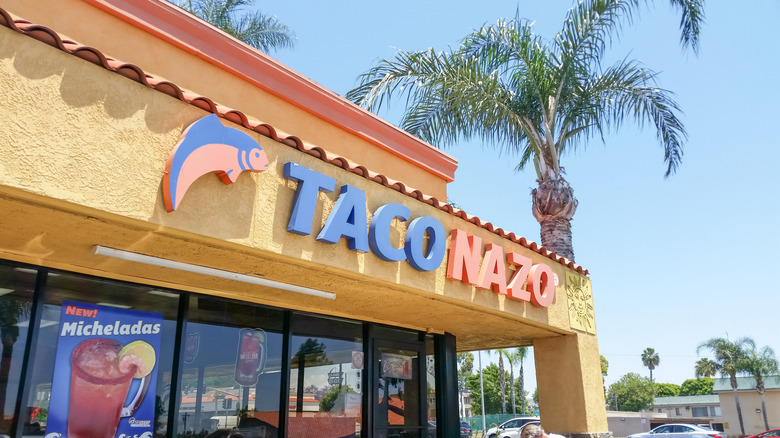
Gilberto and Maria Romero opened Taco Nazo from a taco truck in 1978 after bringing their fish taco recipe with them from Mexico. In a Southern California taco scene dominated by carne asada and al pastor, the Romeros built their reputation around something more closely associated with Baja California's coastal cooking: seafood.
The signature dish is the Ensenada-style fish taco, made with lightly battered fish tucked into a tortilla with cabbage, onion, cilantro, and salsa. The appeal comes from contrast: hot fish against cool cabbage, crisp batter against fresh garnishes, and richness cut by bright, tangy salsa rather than buried beneath heavy toppings. Shrimp gets much the same treatment, keeping the seafood at the center instead of turning it into an excuse for excess. That simplicity has earned Taco Nazo a fiercely loyal following. One Redditor summed it up best: "Super out of the way but those are the best."
7. El Taco Tote
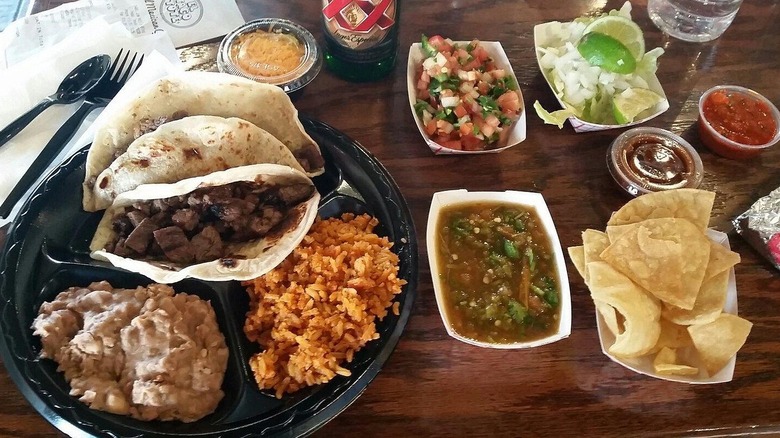
El Taco Tote traces its roots to El Fuerte, Sinaloa, and to founder José Pacífico Heras. His family's influence shows up in the food. Corn tortillas are handmade, while fillings such as arrachera and pork adobado keep grilled and marinated meats at the center of the taco.
But the salsa bar may be the real signature. Instead of forcing every taco into one fixed combination, El Taco Tote lets customers build around the meat and tortilla with a wide selection of house-made salsas. That makes the taco less about piling on toppings and more about balancing heat, acidity, richness, and texture.
The formula has earned the chain plenty of loyal supporters. In one Reddit discussion, a customer praised the entire setup, writing, "Two pork adobada tacos, side and a drink for $11. The salsa bar and self serve chips puts this place at the very top."
8. Taquerias Arandas
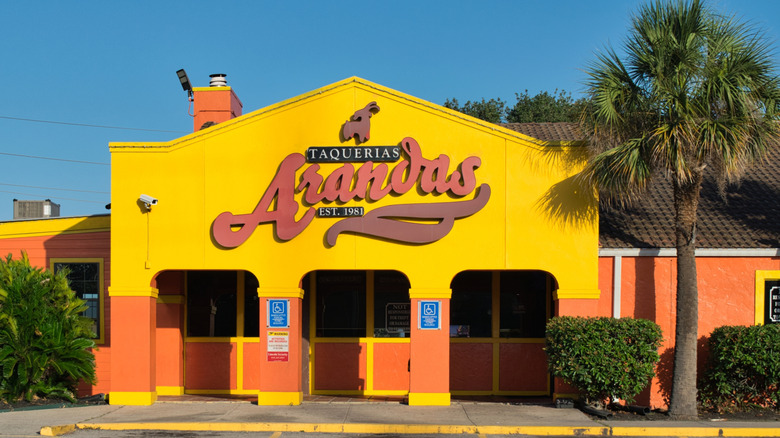
Taquerias Arandas was founded in Houston in 1981 by José and Silvia Camarena, with the restaurant drawing heavily from José's roots near Arandas, Jalisco. That regional connection gave the growing Texas chain a point of view from the beginning, rather than the broad, catch-all approach many Mexican restaurants fall into.
The tacos are exercises in restraint. Homemade corn and flour tortillas carry fillings such as fajita, marinated pork, barbacoa, and lengua, with little getting between the meat, tortilla, salsa, and traditional accompaniments. That simplicity matters because Jalisco has deep traditions built around grilled and slow-cooked meats, and Taquerias Arandas keeps meat at the center of the taco instead of burying it beneath unnecessary toppings.
For some customers, that regional character comes through clearly. One Texas Redditor wrote that Taquerias Arandas "reminds me most of tacos from the RGV area/Northern Tamaulipas," adding that its salsa verde is "some of the best I've had." Authenticity can be a slippery term, but food that reminds someone of home makes a pretty compelling case for itself.
9. Taco Palenque
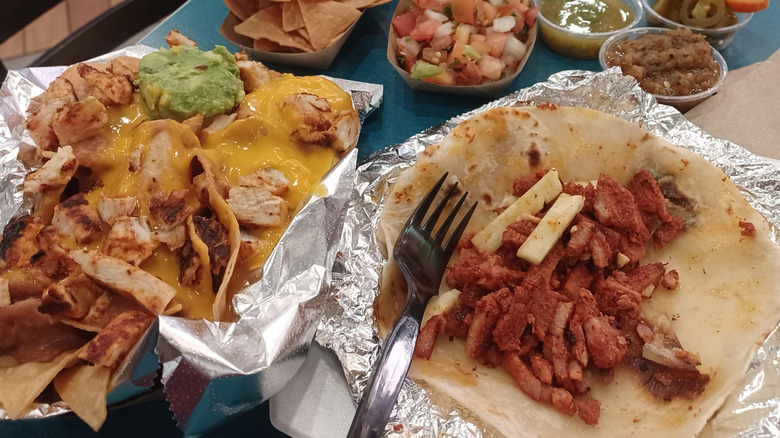
Juan Francisco "Don Pancho" Ochoa founded Taco Palenque after moving to the United States and struggling to find Mexican food that tasted like what he remembered from home. Rather than settle for what was available, he built the restaurant he wanted to eat at himself.
Taco Palenque occupies an interesting place on this list because, from the outside, it looks a lot like conventional fast food. The difference is in the preparation. Flour tortillas are made in-house, tacos are prepared to order, grilled meats remain central to the menu, and customers can finish everything at the salsa bar. Those details keep the food connected to the flavors Don Pancho set out to recreate.
There is not much room to hide mediocre meat when it is tucked into a warm tortilla and hit with salsa, which makes the quality of the individual components matter. Texas customers seem to notice the difference. In one Reddit discussion, a diner described Taco Palenque as a fast food style restaurant that still "absolutely slaps," while another praised the grilled meats and salsa bar.
10. Birria-Landia
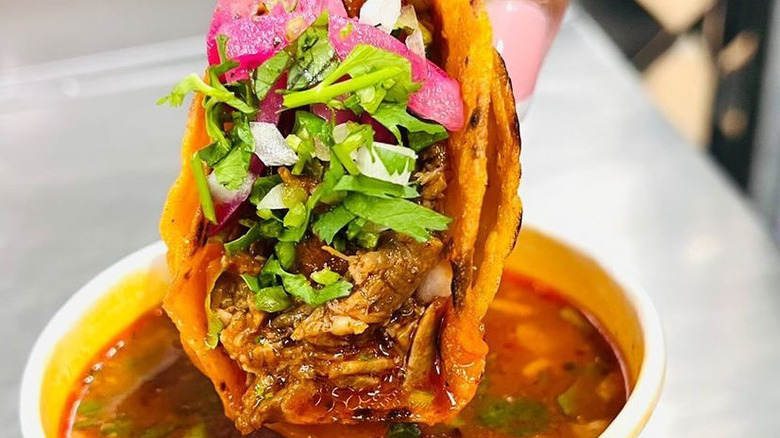
Brothers José and Jesús Moreno founded Birria-Landia after José encountered Tijuana-style birria while working in California. They eventually brought that style back to the East Coast, serving it from a truck in Jackson Heights and helping turn birria into one of New York's defining modern street-food obsessions.
The appeal is not difficult to understand. Beef is cooked until rich and tender, then tucked into corn tortillas crisped on the griddle with rendered beef fat. A cup of consommé comes alongside, giving the taco something to dive into before each bite. The tortilla absorbs some of that deeply savory broth while still holding onto its crisp exterior, which is messy, excessive, and exactly the point.
Birria-Landia does not need a massive menu because the technique carries the experience. Customers seem to agree. In one Reddit thread, a diner wrote, "not only the best birria but also easily one of the best tacos I've ever had in my life."
11. Tacombi
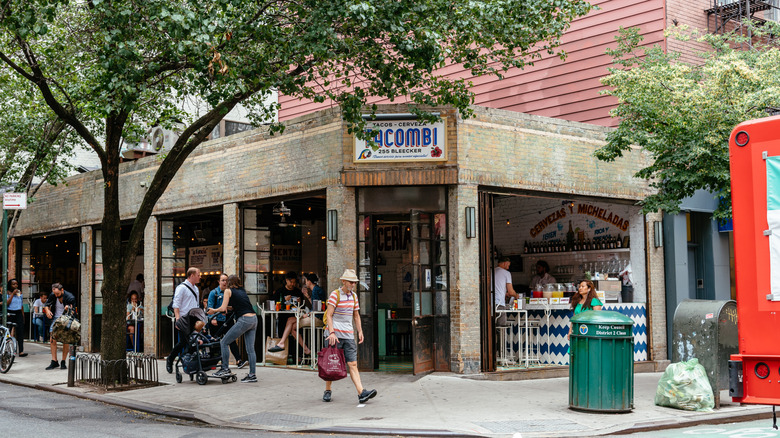
Tacombi may have the most interesting origin story on this list. Founder Dario Wolos, who grew up in Monterrey, Mexico, started selling tacos from a converted Volkswagen bus in Playa del Carmen in 2006 before eventually bringing the concept to New York City and expanding far beyond it.
What keeps Tacombi in the conversation is its continued emphasis on the fundamentals. Its tortillas are made from nixtamalized corn, while al pastor is prepared from pork cooked vertically rather than treated like generic seasoned meat off a flat-top. That kind of technique matters more as a chain grows because expansion tends to put pressure on consistency.
Tacombi has drawn criticism from some New York customers over rising prices and uneven experiences, but positive experiences still cut through. One Yelp reviewer wrote, "We last-minute stopped at Tacombi after a happy hour, and it ended up being the best decision of the night."
12. Puesto
Puesto was founded by a first-generation Mexican-American family that wanted to present Mexican street-food traditions through high-quality ingredients and a more polished dining experience. In many ways, Puesto may be the most upscale interpretation of the taco on this list. A nicer setting does not erase where the food comes from, but the argument still has to begin with the tortilla.
Puesto makes its organic, non-GMO blue corn tortillas in-house daily using a hand-pressing process rather than treating the tortilla like disposable packaging for whatever goes inside. From there, the menu moves into more luxurious territory. Carnitas are braised, shrimp is seasoned with guajillo chiles, and filet mignon can arrive with pistachio-serrano salsa. Some purists may raise an eyebrow at filet mignon inside a taco, and fair enough — it is certainly different. Customers still seem impressed by what comes out of the kitchen. One Yelp reviewer at the Santa Clara location put it simply: "Everything was a 10/10! Absolutely delicious!" Puesto may dress the taco up more than most places on this list, but underneath the filet mignon and polished dining room, the tortilla still has to do its job.
13. Methodology
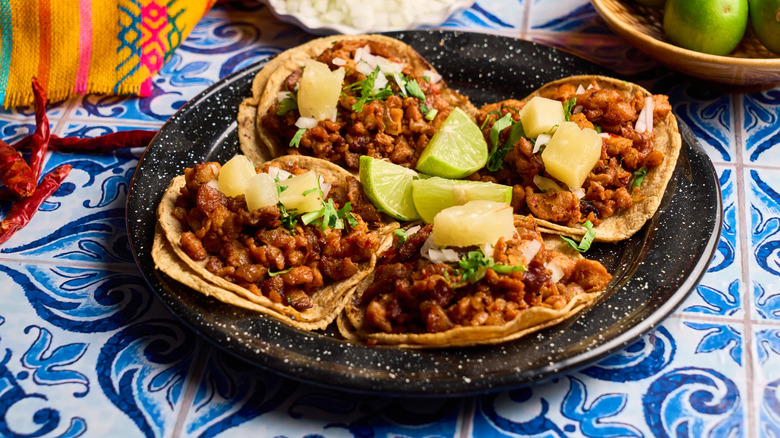
For this list, we focused on Mexican restaurant chains that emphasize traditional dishes, regional cooking styles, and recipes rooted in Mexican culinary traditions. We used official restaurant websites and menus to learn more about each chain's history, ingredients, preparation methods, and approach to Mexican food. We also looked through reviews on Yelp, Tripadvisor, and Reddit to see what diners had to say about flavor, quality, consistency, and the overall dining experience.