

Who Makes Costco's Kirkland Signature Châteauneuf-Du-Pape?
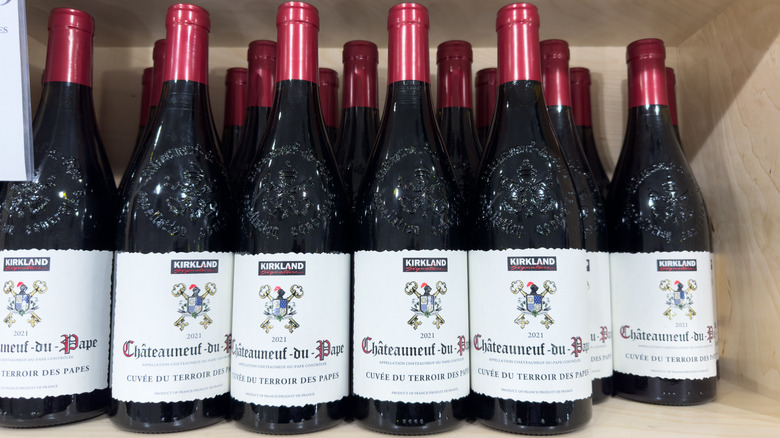
What it lacks in size, the small medieval village of Châteauneuf-du-Pape makes up for with serious wine chops. The grenache-based reds produced in France's idyllic southern Rhône region have a history stretching all the way back to the early 12th century. Fast forward to today, though, and Forbes characterizes modern Châteauneuf-du-Pape blends as "ambitious, quality minded and eager to show that their wines are worth the money." Costco's Kirkland Signature Châteauneuf-du-Pape is one of the crop of modernizers. Their offering is a 10% syrah, 10% cinsault, 10% mourvedre and 70% grenache blend made by winemaker Guillaume Gonnet of Guillaume Gonnet, Vigneron.
You might think that at such a low price point — ranging from $20 to $25 — Costco's Châteauneuf-du-Pape is somehow not as good as its pricier peers. On the contrary: A third-generation winemaker, Gonnet is known for bringing some softness to the typically complex and robust Châteauneuf-du-Pape. And with coveted plots in one of France's hottest wine regions (in all senses of the word), Gonnet is one of only 320 producers in the area.
Costco's 750-milliliter bottle of Châteauneuf-du-Pape features a rich, purple tone and telltale fresh fruit notes — think black fruit, cassis and blackberry — that typify these wines. Gonnet's in particular has just a hint of cedar for balance. Aromatic and complex, the Costco wine plays well with red meats like lamb. Try pairing it with a slow-cooked pot roast for a nice combination of savory fattiness and light spicing, or a fruity, warming Moroccan tagine.
What makes Châteauneuf-du-Pape wines so special?
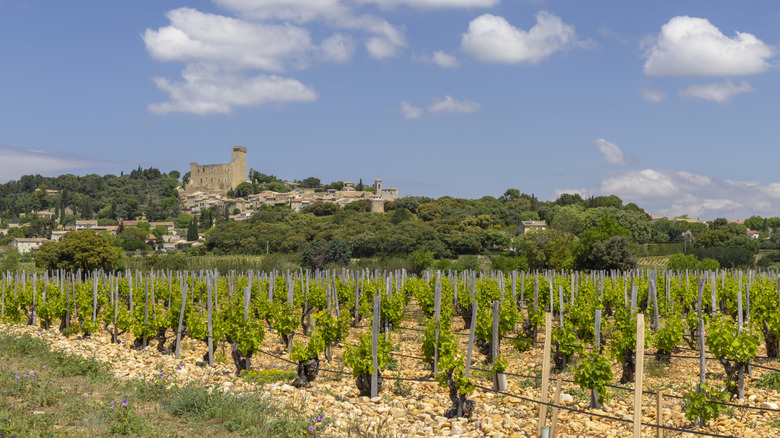
The Châteauneuf-du-Pape is considered one of the best Kirkland wines to buy at Costco. A Wine Pair Podcast host rated it a 7/10 during a taste test challenge, and a Cellar Tracker reviewer wrote of the 2023 vintage, "the silky mouthfeel and zingy acidity have this ready to drink now." But what actually makes this one of the enduring superstar wines of the area is the combination of history and climate that keeps this Rhône Valley area on the map.
In the 12th century, after a succession of popes fled Rome for France, Bishop Geoffroy of Avignon is thought to have planted the region's first vineyard. Years later, Pope John XXII built his summer residence — a medieval castle — in Châteauneuf-du-Pape. The deep-rooted connection to popes is why papal keys adorn the label.
So, popes have something to do with the wine's popularity, yes, but the terroir is also important. Châteauneuf-du-Pape boasts different regional soil types, including sand, clay, and limestone, giving winemakers options. The terroir's top layer consists of pebbly rocks called galets roulés, which absorb the blasting sun and provide heat to the vines during the colder evening hours. The region also has the mistral, strong winds that keep vines dry, helping to stave off disease. Recognizing how these factors make the area and its products unique, a local winemaker and lawyer created France's first wine AOC (appellation d'origine contrôlée), setting strict legal standards for French winemaking.