

Owners Flag 3 Issues With Induction Stoves
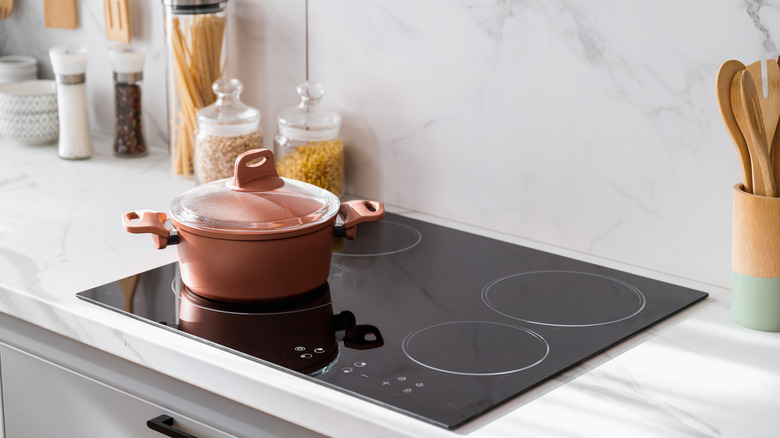
Induction cooktops have plenty of defenders, as the technology comes with undeniable advantages like faster cooking and heating food more consistently. Still, induction stoves aren't right for every home chef. If you're shopping for a new oven, it's worth considering the common owner complaints about induction cooking before you pull the trigger on an expensive appliance. We catalogued the three biggest drawbacks: noisy operation, cookware incompatibility, and challenges adjusting to the sense of control (mostly a hurdle for cooks accustomed to gas burners).
Induction cooktops may look similar to electric glass stovetops, but their function is vastly different. With electric stovetops, heat is distributed through a ceramic heating element or metal coil, while gas burners emit a visible flame when a spark ignites gas. On the other hand, induction stovetops use electromagnetic energy to heat cookware, which transfers to food during the cooking process. Despite the differences in stovetop cooking, induction ovens work similarly to electric ranges, meaning they use metal heating elements on the top and bottom of the cavity.
Certain cookware is incompatible with induction
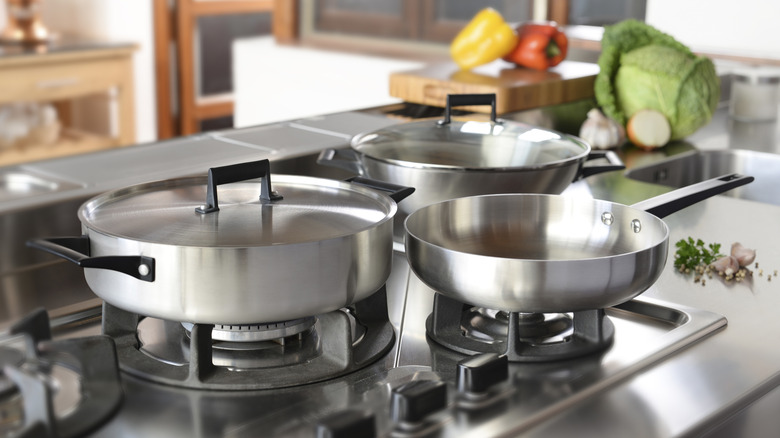
Cookware comes in a wide range of materials, from cast iron and stainless steel to glass and ceramic. Each material has its own benefits (and drawbacks), and some chefs might prefer one type to another depending on the task. However, induction stovetops have strict requirements when it comes to material. Pots and pans must be made with ferromagnetic metal to respond to the magnetic field produced by the cooktop. Otherwise, the cookware will never heat up and your dinner will remain uncooked. If you aren't able or willing to upgrade your cookware, induction ovens probably aren't a great option.
Cast iron (with or without enamel), carbon steel, and stainless steel are compatible, though some stainless steel may be incompatible. Copper, aluminum, and glass cookware aren't compatible unless they have a ferromagnetic layer on the base. An induction oven owner on Reddit put it like this: "Invest in high-quality (and unwarped) stainless steel, carbon steel, or cast iron cookware (I prefer stainless), or any mix that makes sense to you." The commenter also shot down the idea of pan adapters, which are made with compatible materials that pass heat on to an incompatible pan. Pan adapters bypass advantages of induction cooking and effectively turn the cooktop into an electric range.
Induction ranges can be noisier than gas and electric
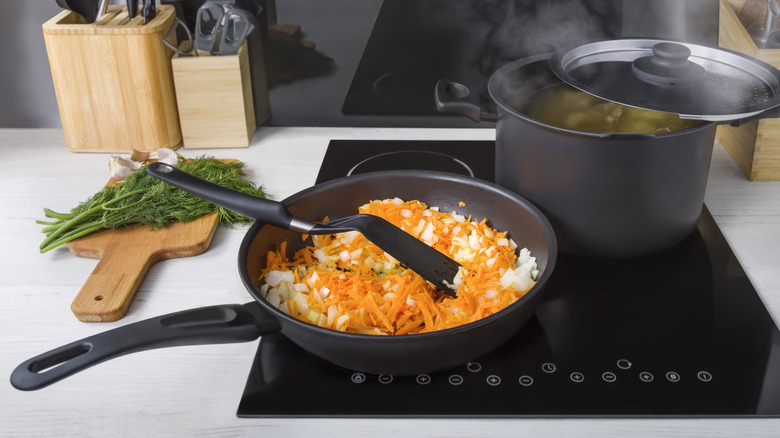
Humming, buzzing, and whistling: with gas and electric stoves, these noises might signal a major problem. Conversely, boisterous operation is business as usual when it comes to induction stovetops. The magnetic energy produced by induction burners excite the electrons in ferrous metal cookware, which in turn generates heat. Under certain circumstances, these vibrations can create sound that may be too much for home chefs who prefer a quiet cooking atmosphere.
In a Reddit post asking whether the loudness of induction ranges is worth considering, commenters shared their experiences. One person admitted, "I wouldn't necessarily say it's a deal breaker, but it is a noticeable downside to induction. It definitely bugs me." Another commenter replied, "It's annoying," and named several factors that contribute to noisy induction cooking. Among them were the type of pan ("ferrous and nonferrous metal layers [vibrate] at different rates," they explained) and the width of the cookware's base related to the burner coil. Pans with uneven bottoms and cooking with multiple burners at once may also produce noises.
Adjusting to an induction cooktop can be challenging
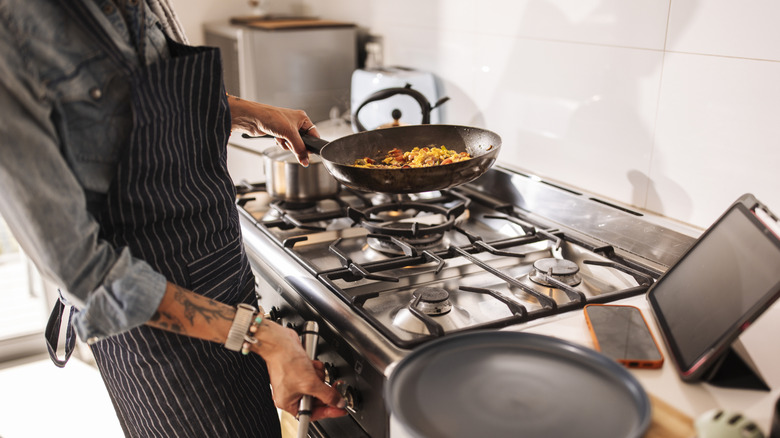
If you're used to making food on a gas cooktop, switching to induction can feel less intuitive. Many chefs appreciate or even rely on the visible flame to judge things like heat level and doneness. And much like the need for compatible cookware, certain culinary techniques could be harder to pull off on an induction range. "What CAN'T you do on an induction stove (vs. other stoves)?" asked a home chef on Reddit, and a few commenters pointed out the distinctions between gas and induction cooktops.
"With gas you can char things directly over the flame, which can be useful," replied one person, while another commenter highlighted the challenges these appliances pose when making different cuisines. "Induction is great if you're someone who cooks European/Western food ... but once you get into other techniques like using clay, woks, and roasting on the stove, induction does not work." This is why wok chefs can never really leave gas cooktops behind, as they often feel a stronger sense of control over the process when cooking with gas burners.