

Small Batch Vs Single Barrel Whiskey: What's The Difference?
When you're shopping for bourbon, you'll come across a variety of labels that you'll benefit from knowing before you spend any money. In the American whiskey world, you'll often see terms such as "single barrel" and "small batch," especially with bourbons. Single barrel pours are usually best enjoyed neat or on a fat block of ice. Small batch whiskeys can also work well as a standalone drink, but they're usually optimal in cocktails. Knowing defining features will help you determine which bottle to buy, depending on the occasion and purpose.
Small batch whiskey bridges the gap between large-scale releases and limited-run single barrel bottles, offering a curated blend in moderate volumes. As suggested in its name, this liquor comes from an individual cask without any blending. In contrast, a small batch whiskey is blended from multiple handpicked barrels to create an expression with a signature taste. We'll take a deeper dive into the factors that differentiate the whiskeys below.
What is small batch whiskey?
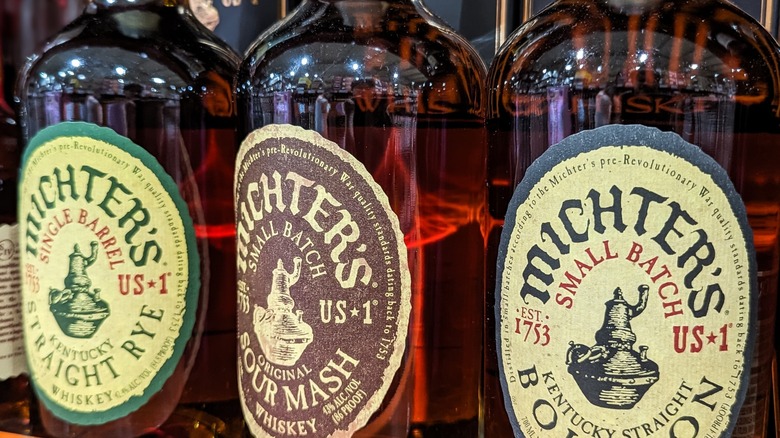
Small batch whiskey has no official or legal definition, so the number of barrels used to create a bottle can range from fewer than 10 to several hundred, contingent on the producer. For example, Horse Soldier's Bourbon has a small batch that's marketed as being crafted from eight to 10 barrels, while Heaven Hill's Elijah Craig Small Batch is made from batches of 200 casks or less.
Moreover, small batch whiskey is intentionally blended for consistent quality, balance, and a standard flavor profile. Small batch whiskeys are usually proofed down for an accessible, easy-drinking experience. This is a key reason that you can reach for a product like Four Roses Small Batch, and regardless of the season, your palate is likely to taste the same flavor notes year. Small batch whiskey also has the benefit of being relatively affordable. For instance, Elijah Craig Small Batch or Michter's US*1 Small Batch Bourbon would be ideal for the drinker who wants to enjoy a top-notch pour neat or in a spirit-forward cocktail for only $35-45.
Why a single barrel whiskey might be worth the splurge
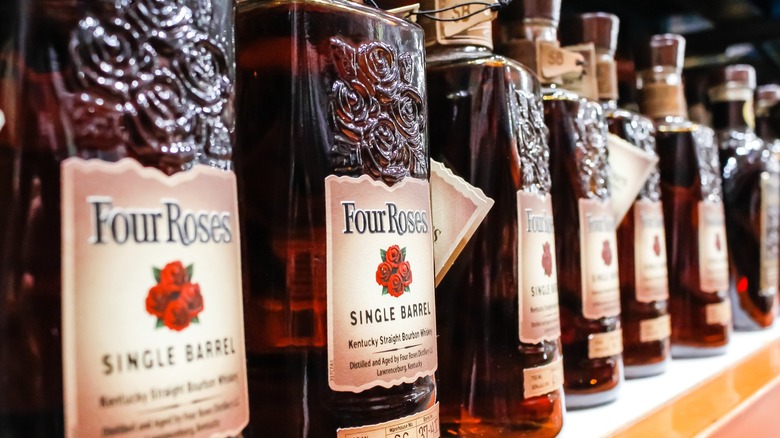
As established at the outset, a single barrel whiskey comes from only one barrel. A standard cask might only yield 220-240 bottles after cutting to proof. So, single barrel whiskeys are usually priced much higher than small batch expressions, thanks in part to availability constraints. You'll usually see them with a printed barrel or bottle count reflecting the limited quantity.
A common misconception about single barrel whiskey is that it's federally regulated by the TTB (Alcohol and Tobacco Tax and Trade Bureau). However, the enforcement of proper production practices relies heavily on industry standards, distiller transparency, and consumer protection laws. Drinkers would also do well to research a product or even try cheaper offerings from the same brand to help determine whether it's worth buying.
Single barrel whiskeys are highly unique, and tasting notes vary from bottle to bottle depending on temperature, time, wood grain, and even placement within a rickhouse. Such qualities make these beverages a special gift for aficionados and collectors. The most expensive bottles can sell for tens of thousands of dollars, but more affordable options exist. Some of the best single barrel bourbons under $100 include Four Roses Single Barrel and Russell's Reserve Single Barrel Bourbon, among a handful of others.