

What's The Difference Between East & West Coast IPAs In America?
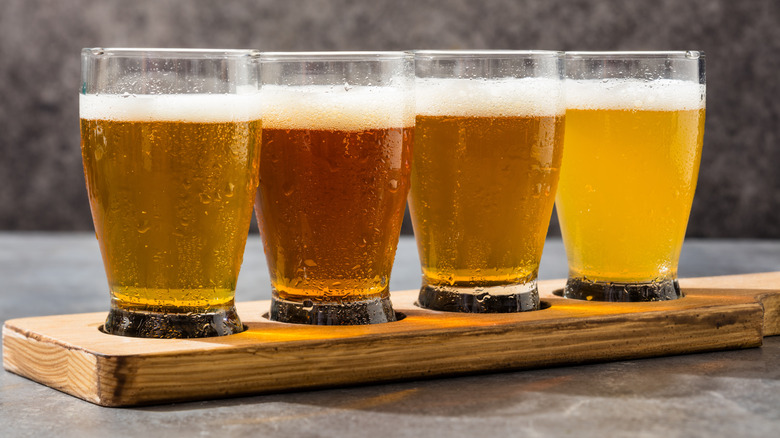
India Pale Ales, better known as IPAs, have been the darling of America's craft beer industry for decades. The hoppy brews are beloved by beer fans across the country for their bold, complex flavors and impressive diversity. One reason IPAs are so popular within the craft beer scene is that it's relatively easy to produce dramatically different varieties by switching up the hops and playing around with brewing techniques. As a result, it could be hard to keep track of the plethora of unique IPA styles constantly budding up at breweries across the United States, even for the most ardent craft beer nerds. However, two styles worth knowing in the American IPA canon are East and West Coast IPAs.
At the most basic level, East Coast IPAs lean toward juicy, mild, and hazy, while their West Coast counterparts tend to be dry, bitter, and clear. However, like a good IPA, the distinction between these brews is more complex than meets the eye, and understanding it is important for helping you pick the right beer for your palate. (By the way, here's everything you need to know about IPAs.)
East Coast IPAs are a hazy crowd-pleaser
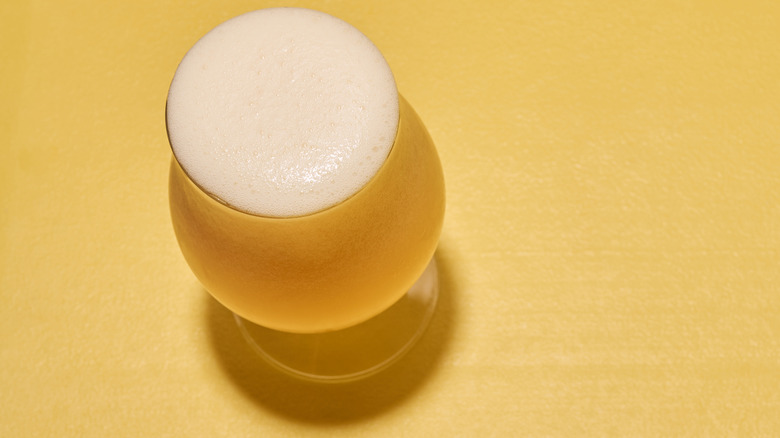
East Coast IPAs, also known as New England-style or hazy IPAs, emerged in New England in the early 2000s. Their exact definition is, much like the beer itself, rather hazy. East Coast IPAs are generally characterized by a cloudy appearance, powerful fruity notes, and a maltier, less hoppy flavor profile. They use oats and wheat and tend to be characterized by a silky mouthfeel and subtle sweetness, in contrast to the dry tartness of West Coast IPAs. Dry-hopping, a brewing technique in which hops are added later in the brewing process, highlights hoppy aromas while downplaying bitterness.
The mild (for an IPA), balanced flavor and pleasant fruitiness of East Coast IPAs make them easy to love, and unsurprisingly, they exploded in popularity throughout the 2010s. Popular East Coast IPAs you can find at the grocery store include Sierra Nevada Hazy Little Thing, New Belgium Voodoo Ranger Juicy Haze, and Sam Adams New England Juicy IPA. These days, hazy East Coast IPAs are a menu staple at breweries across the country, but if you want to go straight to the source, these are the best breweries on the East Coast.
West Coast IPAs are an acquired taste, but they've got a loyal following
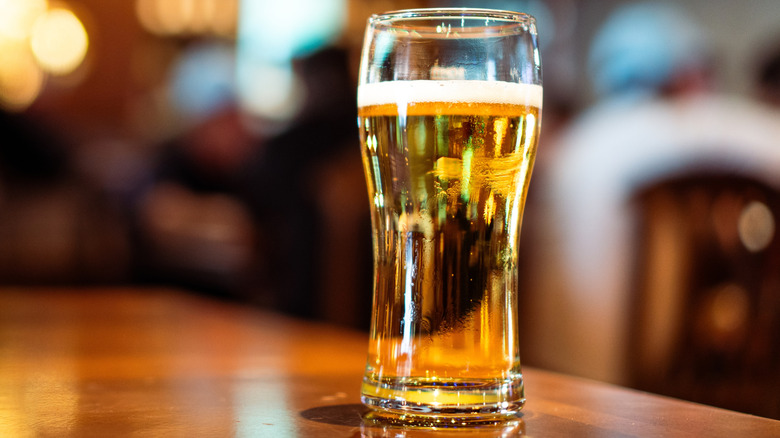
IPAs already bring a strong and hop-forward flavor, but West Coast IPAs take that bold hoppiness to the next level. Born in California in the late 20th century, the bitter brews are an OG of the American craft beer scene. Early West Coast IPAs were characterized by the use of regional Pacific Northwest hops and ever-increasing IBUs (International Bitterness Units; these measure the bitterness of a beer). Contemporary West Coast IPAs are known for a clean, smooth, supremely hoppy flavor, often with notes of citrus and pine. Visually, West Coast IPAs are distinguished by their clear appearance, which stands in sharp contrast to their hazier East Coast counterparts.
After spearheading the craft beer movement in the 1990s and early 2000s, ultra-bitter West Coast IPAs were somewhat usurped by milder East Coast brews as craft beer became more mainstream. But don't get it twisted. West Coast IPAs may be an acquired taste, but they've gained plenty of loyal fans over the years, and they're clearly not going anywhere anytime soon. Staple West Coast IPAs include Russian River Brewing Pliny the Elder, Stone Brewing Stone IPA, and Sierra Nevada Pale Ale. If all of this has you craving an ice-cold West Coast IPA on the Left Coast, here are the best West Coast breweries you need to try.