

If You Love Merlot, You Need To Try This Underrated Red Wine
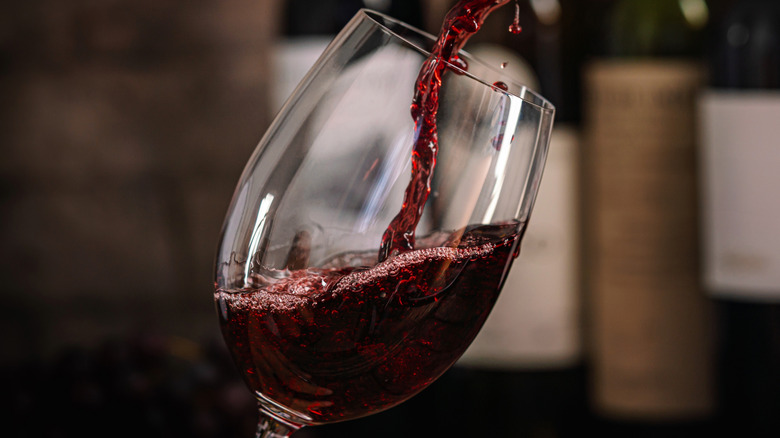
With its smooth, satiny mouthfeel and notes of dark cherry and sweet, rich plum, merlot is the sort of easy-drinking red that nabs a spot on many people's Mount Rushmore of wines. The grape is the second most planted varietal in the world, and thanks to its soft tannins, it's considered a gateway red that's much more approachable than a bold, bolshy cabernet sauvignon. But if you're looking for where to take your love of Merlot next, carménère, with similarly gentle tannins but a spicy, savory edge, is a good follow-up grape.
Though you may not have heard of it, carménère was one of the exclusive clutch of original grapes grown in Bordeaux alongside heavy hitters like malbec, cabernet sauvignon and merlot. It's actually considered merlot's long-lost twin; so great are the similarities between carménère and its medium-bodied doppelganger that the two have been mistaken for each other.
While its popularity floundered in France after a plague in the 1860s threatened its survival, in Chile, carménère was well-loved but was misidentified for a long time as merlot. It wasn't until 1994 that a visiting researcher untangled the confusion and correctly verified this popular Chilean varietal as carménère. These days the dry red is finally getting its flowers with a holiday, Carménère Day, given over to celebrating it.
What makes carménère similar to merlot and how is it different?
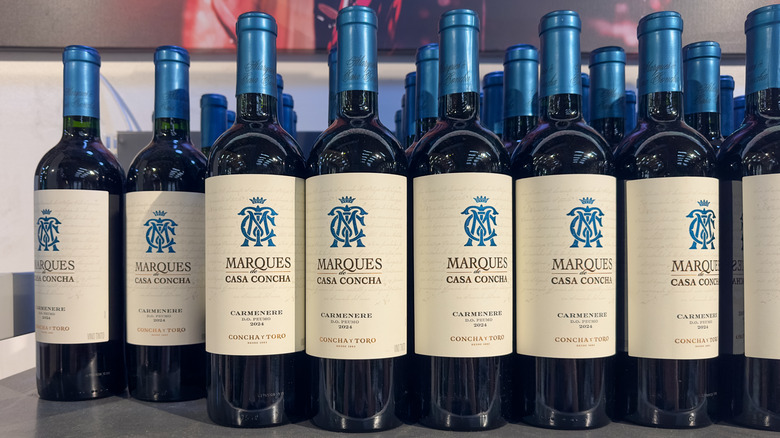
The most obvious place to start comparing these wines is with the family resemblance, the ruby red hues that give names to carménère (as in carmin, the French for carmine red) and Merlot (originating from merle, meaning "little blackbird"). This dramatic color points to the dark fruit flavors — think fig and cherry —that are present in both wines. The tannin levels in these wines are also both relatively relaxed and balanced, giving them medium body and structure.
There are also some key differences, and like other wines, these differences come down to how the grapes are grown. Merlot prefers Bordeaux's climate, where grapes ripen early on shady banks, with not-too-hot temperatures and plenty of water. Carménère, on the other hand, is a sun-seeker. It thrives in Chile's climate, warmer and drier, and has a leisurely ripening time, reaching full ripeness later than merlot. Differences at this stage account for the green pepper and spicy notes that drinkers find give carménère a slightly more complex edge.
When it comes to food pairings, meats that pair well with both include roasted beef, lamb chops, and pork tenderloin. With a carménère, though, sauces laced with herbs, like parsley or mint, also play particularly nicely with the herbal notes of the wine. You might expect such comparable wines, down to even their food pairings, to have similar price points. But the final difference worth noting is the value of a carménère, with everyday bottles of this underrated wine coming in $5 cheaper than merlot in some cases.