

11 Ways To Upgrade Home Fries
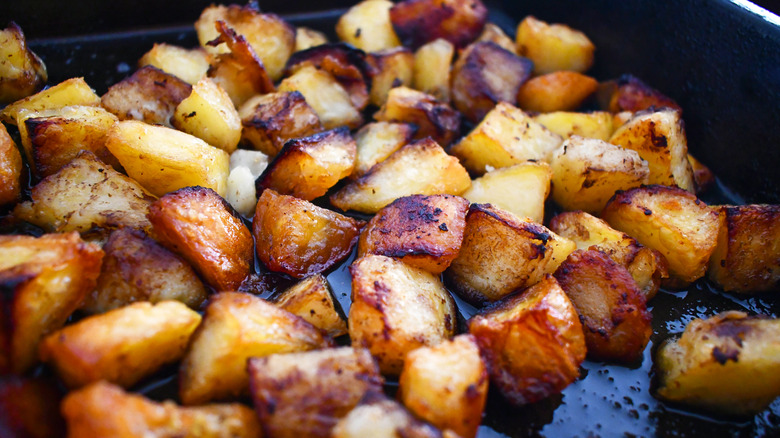
Home fries are a brunch classic for a reason. When they're good, these cubes of crispy potato are the best thing on the plate, but so often they're not as tasty as they could be. So, you might be wondering how to upgrade your home fries. Perhaps you're sick of soggy ones and are chasing that perfect crunch, or maybe you want to find ways to bring more flavor to the dish. The truth about home fries is that once you've got the right technique down and you know how to use seasonings and toppings, leveling them up is a breeze.
But, don't just take my word for it. I interviewed three experts to find out their favorite ways to improve home fries. I interviewed Robyn De Luca, the director of culinary innovation at Gourmia who leads test-kitchen recipe development and culinary R&D; Chef Daryn Garcia of Móle Cantina in Wellington, Florida, whose home fries come with a Latin spin; and Vivian Villa, who's a trained chef and founder of UnButter. Thanks to their brilliant tips, your home fries will never be better.
It might seem like this side dish is simple enough that you couldn't go too far wrong, but there are some easy ways to take home fries up a notch. If your homemade version isn't the same as your restaurant fave, you might be in need of advice. So, here are 11 ways to upgrade home fries.
Upgrade your potatoes for better home fries
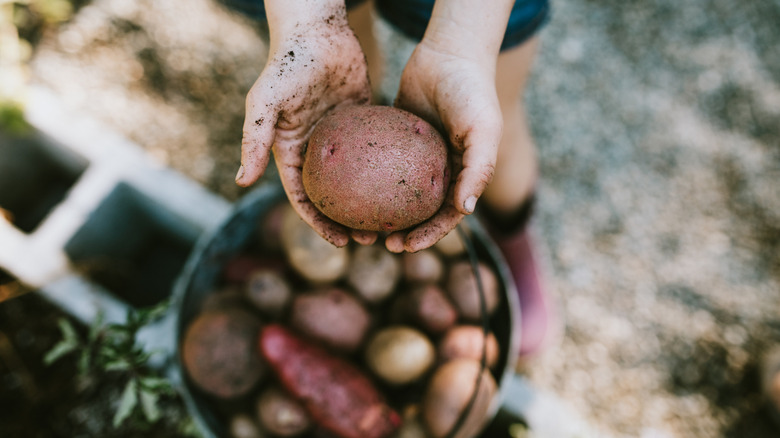
Great home fries start with good potatoes. If you're just grabbing generic yellow ones and not thinking any further than that, you won't be getting the best results. Both flavor and texture matter, so you need to find a balance between the two. "I like Yukon Gold potatoes for their creamy centers and crispy edges, though russets are great for maximum crispness," says Robyn De Luca. Yukon Gold and russet are two of the most common potato types, so they're generally a good place to start if you're upgrading from unnamed varieties.
Understanding the difference between waxy and starchy potatoes will also help you figure out which variety is best for you. Starchy potatoes have a lower moisture contact so they get fluffy on the inside when cooked in water and then crisp up beautifully in hot oil. Waxy varieties have a higher water content, so it's more difficult to get them crispy. The trade-off, however, is that waxy potatoes are more flavorful. They tend to be buttery or nutty, whereas starchy versions have great texture but less flavor.
Russets are purely starchy, so they are great for crispiness but have less depth of flavor. Yukon Golds are part-way between waxy and starchy, so they're tastier but still crisp up pretty nicely. However, the best upgrade will be buying potatoes from a local farm or farmers market, as they often grow varieties that have better flavor but don't end up in supermarkets because they're trickier to grow at industrial scale.
Parboil the potatoes
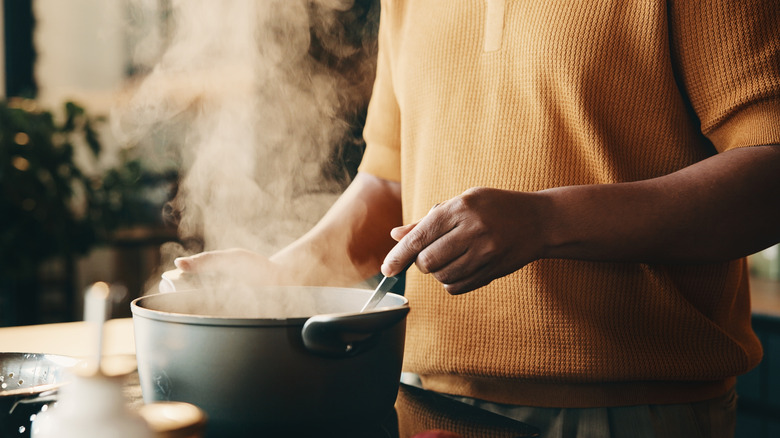
All our experts agree that you need to parboil potatoes for the crispiest outsides and fluffiest insides. Sure, it's easier to just cube your potatoes and throw them in a skillet, but you won't get the right texture. It's likely that they'll burn on the outside before they're fully cooked through, or they'll look done but still be firm in the middle. Parboiling is a simple step that will easily upgrade your home fries.
"If you parboil the potatoes before frying them, they'll be evenly cooked with a crispy outer crust," explains Daryn Garcia. He advises to parboil your cubes of potato in salted water and drain them once they're al dente (cooked but still firm). According to Vivian Villa, parboiling means you can fry your potatoes for a shorter amount of time because they're effectively already cooked. So, their stint in hot oil is really just to crisp up the exterior rather than cook them through. That said, they will cook more inside during frying, giving you a really fluffy or creamy interior.
"A pinch of baking soda in the parboiling water helps create rougher surfaces for extra-crispy edges," says Robyn De Luca. She also suggests shaking the potatoes after draining them to further roughen up the edges. Just like these important considerations when roasting potatoes, a nice rough, starch exterior will give you the best crisping power.
Make sure your potatoes are dry
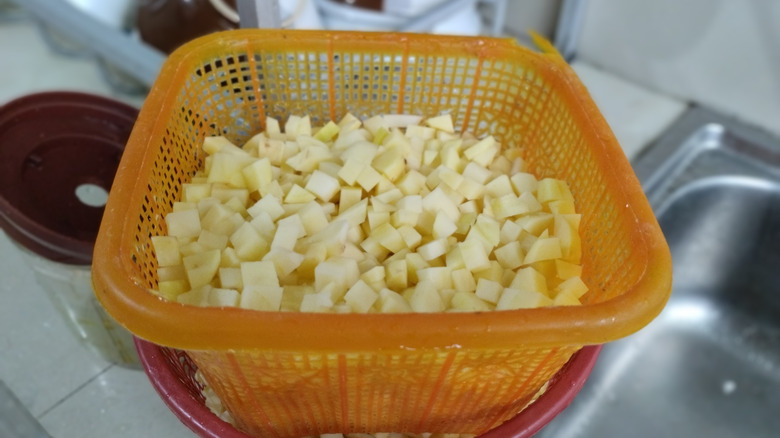
Sometimes it's the simple things that end up resulting in the biggest upgrades. It might seem like drying your potatoes before you fry them would make minimal difference, but if you want to give your home fries a crispy upgrade, it's what you need to do.
After parboiling, you should let your potatoes "steam-dry thoroughly," according to Robyn De Luca. This step may seem like an inconvenience you'd be tempted to skip it, but it might be what's standing between you and better home fries. If you throw your parboiled potatoes into a hot pan of oil while they're still wet, this excess water will turn into steam and inhibit the formation of a crust, so you won't get the crunchy exterior we all want.
But this doesn't mean you have to individually dry each piece of potato. As De Luca mentions, you just want the potatoes to steam-dry. This means leaving them to sit in a colander for five minutes or so after draining. The potatoes are still hot from being boiled, so this causes the water on the surface to evaporate. Give them a few minutes and the outside will be dry with no extra effort on your part. Then you can go ahead and fry them as usual.
Use cornstarch for more crunch
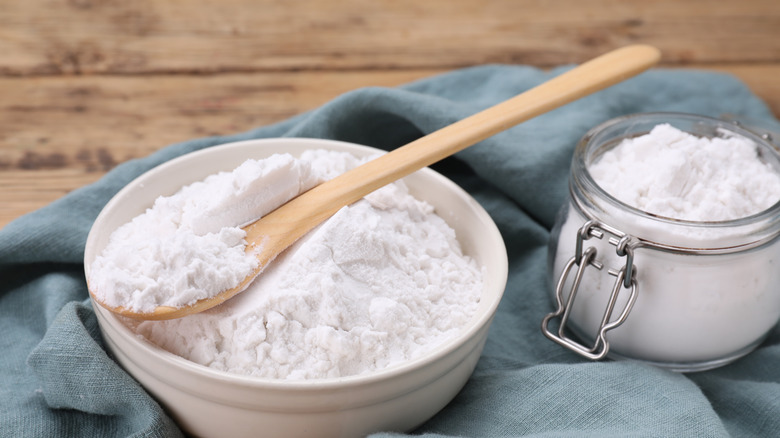
Home fries might be among the worst foods on a breakfast buffet where they're left out to steam and get soggy, but when making them at home, you get to control everything. Using cornstarch is an easy upgrade that can result in a crispier exterior. Cornstarch is my go-to for extra crunch, particularly when cooking tofu, so I can see how it would bring that same effect to home fries.
Vivian Villa tells us she takes cooked potatoes and "will drench them in cornstarch and let them sit on the counter for 30 minutes then fry them." She sometimes uses cold baked potatoes for this, but parboiled potato cubes is the more typical choice. Baked potato works when it's firm enough, but it often has a softer texture that can fall apart in the pan so you won't get uniform cubes.
"The cornstarch acts as a barrier to the oil, makes the fry really crunchy on the outside, it absorbs the water from inside the potato and forms a gel that repels the oil to the outside," Villa explains. This gelatinized exterior layer is a mix of cornstarch and potato starch. When it hits hot oil, it dries out and forms an extremely crisp crust. It's a really easy way to upgrade the texture of your home fries.
Add herbs and spices
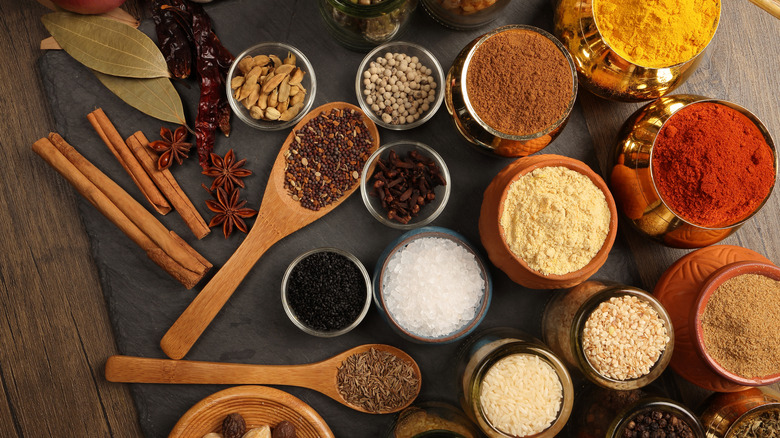
So far, we've mostly focused on leveling up the texture of home fries, and while this can make a big difference to how tasty they are, flavor matters too. There are all kinds of herbs and spices you can use to upgrade home fries. So, while plain salted potatoes can be delicious, you're missing out on a world of extra flavor.
Herbs and spices that go well with roasted potatoes will also work for home fries. Picture a combination like rosemary, sage, and garlic. However, potatoes are a bit of a blank canvas, so you can get as creative as you like. Playing with flavor combinations of your own devising is great if you're confident, but it can be good to get some inspo, which is where our experts come in. "Garlic powder, onion powder, paprika, black pepper, and salt are a classic combination," says Robyn De Luca. She also recommends smoked paprika, cumin, and cayenne, or fresh rosemary and thyme. According to Daryn Garcia, you should "toss them with Tajín, ground cumin, crumbled dried oregano, onion powder, garlic powder, paprika and coarse black pepper." Additionally, Vivian Villa has an unexpected combo to offer up: maple sugar, salt, and smoked paprika.
If none of these take your fancy, think about what you're serving your home fries with and draw inspiration from that. Or choose a style of cuisine and look at the herbs and spices it typically uses together. This will help you choose flavors that complement each other.
Introduce something acidic
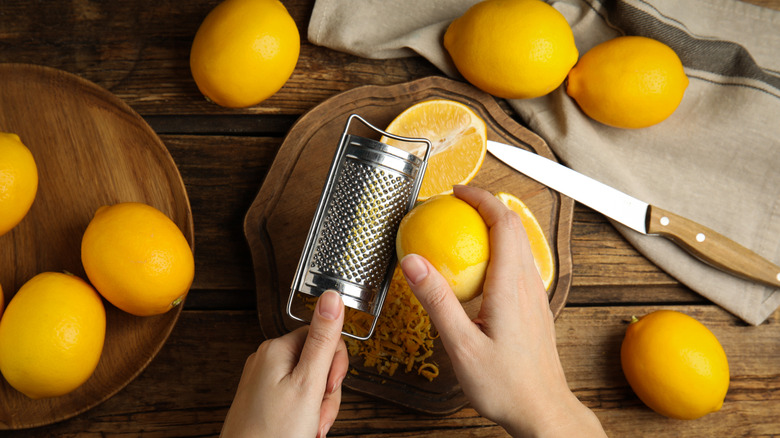
Making good food is about balance. When you make home fries, you've got the starchiness of the potatoes, saltiness from seasoning them, and a richness from the oil or other fat they're cooked in. This is a solid start, but it can leave the flavors somewhat flat. Adding a bit of acidity creates a better balance of flavors, cutting through the fattiness and countering the simple starchiness, which can end up bland when there's not much else going on.
There are many ways that you can add some acidity to your home fries. "Lemon zest or a little vinegar added at the end brighten the flavor," Robyn De Luca tells us. Vivian Villa suggests adding vinegar powder, which is a nice way to add some tartness without extra moisture that can leave your fries soggy. If you don't want to risk adding citrus juice or vinegar to your potatoes and ruining the crunch you've worked so hard to build, you can introduce acidity through toppings and sauces. Mixing mayo with lemon juice and black pepper makes a brilliant dipping sauce that doesn't need to be made from scratch.
Vinegar and citrus are often seen as the beginning and end of tartness in cooking, but there are so many more options. Other acidic ingredients you could work into a sauce or topping include tomatoes, dairy products, pickles and other ferments like sauerkraut or kimchi, chutneys, wine, and beer. There's a wide world of sour flavors out there.
Use MSG on home fries
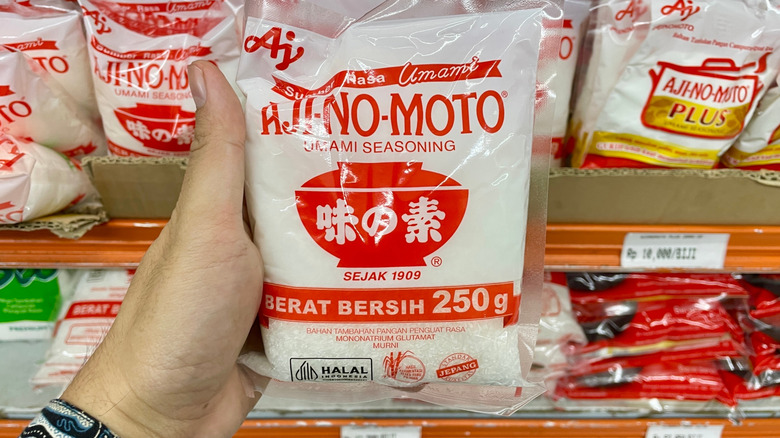
Want to bring a little oomph to your home fries? "MSG is a yummy add on," Vivian Villa tells us. What many people don't know about MSG is that it's not the villain of the food world that some folks make it out to be. Far from being an evil chemical that gives people migraines and makes them sick, it's a compound naturally found in many foods.
MSG stands for monosodium glutamate, which is an amino acid found in loads of everyday ingredients. Parmesan, tomatoes, mushrooms, and soy sauce are all rich in glutamate, and that's a big part of why they taste so savory. The MSG you can buy in stores isn't anything strange. It's made through a natural microbial fermentation process, much like the way yogurt or vinegar is created. The bad reputation dates back to a 1968 letter published in a medical journal, which described feeling unwell after eating at a Chinese restaurant. The letter turned out to be a hoax, but the theory had already stuck. If you're happy sprinkling parmesan on your pasta or adding tomato paste to a stew, you're already eating plenty of glutamate.
MSG adds a savory depth to home fries that makes them taste richer and generally more delicious. It's also a dry powder, so it won't add any moisture that could threaten your crunchy crust. Plus, MSG has roughly a third of the sodium of table salt, so it can help season potatoes without making them overly salty.
Add some cheese
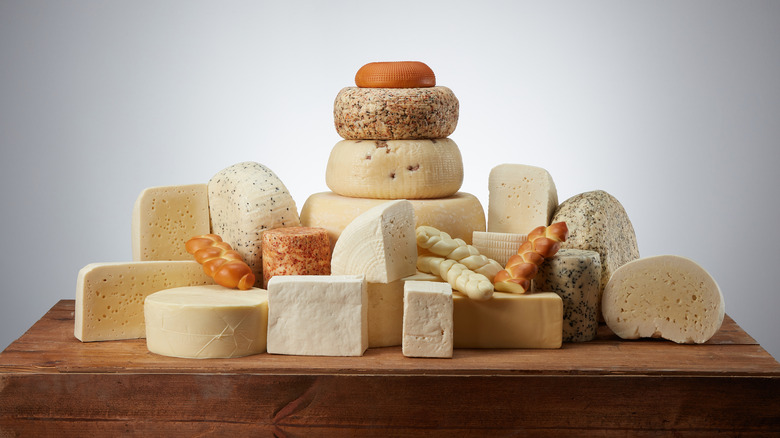
Few foods aren't improved by cheese, and home fries are no exception here. Adding cheese is a great way to bring more flavor to the breakfast table, though you need to be careful how you do it so you don't end up introducing too much moisture and making your potatoes soggy.
Vivian Villa likes adding finely grated parmesan to home fries. "Use a lemon zester to grate the parmesan so it melts and sticks," she suggests. Parmesan is a hard cheese, so even if it melts on top of your potatoes, it shouldn't sacrifice the crunch, as long as you're relatively conservative. The same can't be said for melting piles of cheddar or mozzarella on top. This should be avoided to keep your potatoes crisp.
Instead, choose relatively low-moisture cheeses that can be crumbled on top just prior to serving — ones that don't necessarily need to be melted or gooey to upgrade your spuds. Crumbled feta, cotija, or Stilton are all good choices. Cubes of fried halloumi or paneer would also be a tasty addition. And the great thing about cheeses is that they all have their own specific flavors, so you can work out what will taste best with the herbs and spices you've chosen and the rest of the food that will be on your plate.
Think about the fat you use
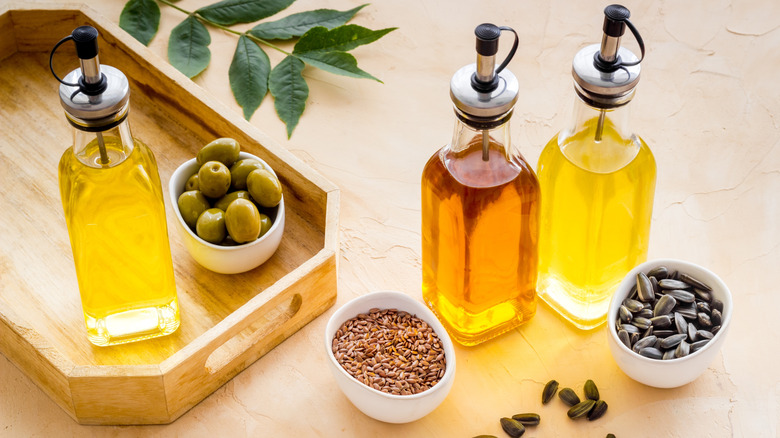
When it comes to frying your potatoes, you can upgrade home fries simply by choosing a different fat. If you're used to using a natural oil, like sunflower or grapeseed, you can change this up to introduce more flavor. It's not just about seasoning them right or adding a tasty topping, you should be building flavor every step of the way, including with the fat you use.
"Olive oil is a great everyday choice," Robyn De Luca tells us. Olive oil, especially extra-virgin, is perfect when you're using Mediterranean flavors in your home fries. So, if you're focusing on rosemary or garlic for flavor, or you're aiming for a Greek-style feta and oregano combo, olive oil is the perfect fat for the job.
"I also like tossing the potatoes with a little browned butter after cooking for a nutty, buttery finish," De Luca adds. This can be risky, as you could make your home fries less crispy, but adding some browned butter while they're still on the heat can help keep everything crunchy. You could also use browned butter as a dipping sauce or a drizzle once you're ready to eat.
Upgrade your home fries with sauces
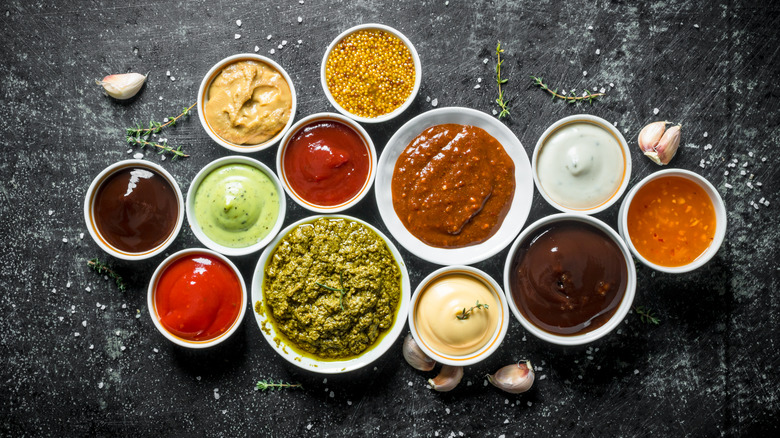
The sauces you use can play a big part in upgrading your home fries. "Sour cream, Dijon sauce, or garlic aioli can make them even more special," says Robyn De Luca. There are so many sauces you could pick from for home fries and a couple of ways you can approach serving them.
The simplest pairing is to serve your sauce on the side for dipping. This is a smart move if you've put in the work to get a crunchy crust and don't want to risk the potatoes getting soggy. Ketchup is a basic choice but shouldn't be overlooked if you want to go for a classic option, especially if you choose a fancy store-bought option or make your own. There's plenty more to try, though. Aioli, sriracha mayo, ranch, or chipotle sauce all work well. And hollandaise is a brilliant option if you're serving your home fries with eggs. You could also choose sauces less commonly associated with breakfast foods, such as pesto or peanut sauce.
Alternatively, you can go all in and make loaded home fries. This is a good choice if you've got a range of toppings and sauces you want to combine into one delicious dish. Just add the sauce right before serving so the crunch doesn't disappear. You might get a slightly soggy top layer, but that's why you need a mountain of home fries.
Add toppings at the last minute to keep home fries crispy
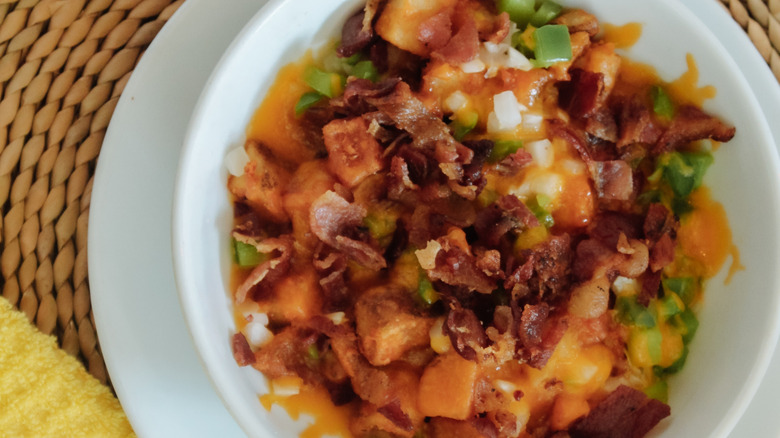
Toppings are where you can get really creative with your home fries. It's a chance to add extra ingredients and new flavors that will truly elevate the dish. However, you should make sure to add them at the last minute. This simple step can upgrade your dish by ensuring that the potatoes keep their crunch.
Our experts all have their own ideas about toppings. "To truly take it to the next level, add sauteed red and green bell peppers and yellow onions," suggests Daryn Garcia. "If you add a little crumbled Mexican-style chorizo, that will give the home fries another added layer of flavor," he says.
"Caramelized onions, sauteed peppers, crispy bacon or pancetta, sharp cheddar, parmesan, and fresh chives are all great options," Robyn De Luca remarks. There really are infinite topping combinations that you could go for. So if this leaves you overwhelmed, draw inspiration from existing dishes. For instance, you could make poutine home fries with cheese curds and gravy, or samosa home fries with a spiced vegetable topping and a drizzle of mint raita or mango chutney.
The execution is important, though. It's tempting to cook mix-ins with the potatoes and load the toppings on well in advance, particularly when cooking a number of brunch dishes. But this can cause sogginess. "Cook juicy ingredients separately and add toppings at the end to keep the potatoes crispy," advises De Luca.