

5 Advantages Of Using A Charcoal Grill
We may receive a commission on purchases made from links.
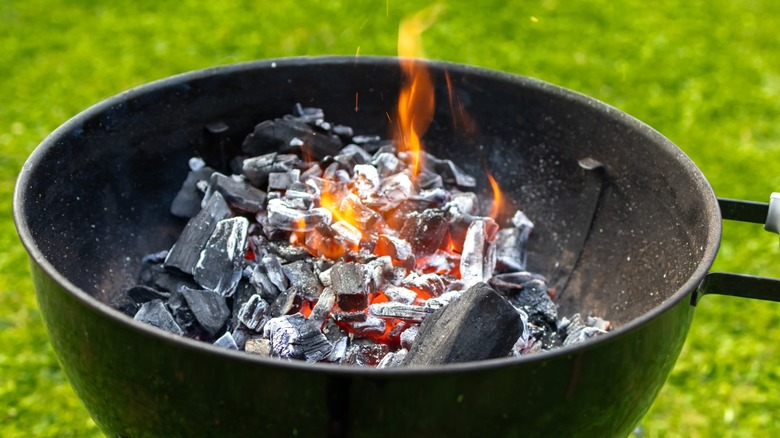
The backyard grill has been a sign of easygoing suburban life since it first rose to prominence in California in the 1930s. The first grills were wood-burning, like a campfire. Then Henry Ford popularized charcoal briquettes after his company turned sawmill waste into pocket-size burnables sold at Ford dealerships. Gas-powered grills existed alongside charcoal grills but almost exclusively in a commercial capacity. It wasn't until the 1950s that backyard grillers could choose between charcoal and gas, spawning the debate over which style of grill is better.
It's true that both gas and charcoal grills have their merits and drawbacks. But whether you're loading them with lump charcoal or briquettes, charcoal grills have a few distinct advantages over their propane and natural gas counterparts, from the way they cook and flavor food to differences in safety, portability, and affordability. Keep reading to delve into the details.
Charcoal grills infuse flavors gas grills can't
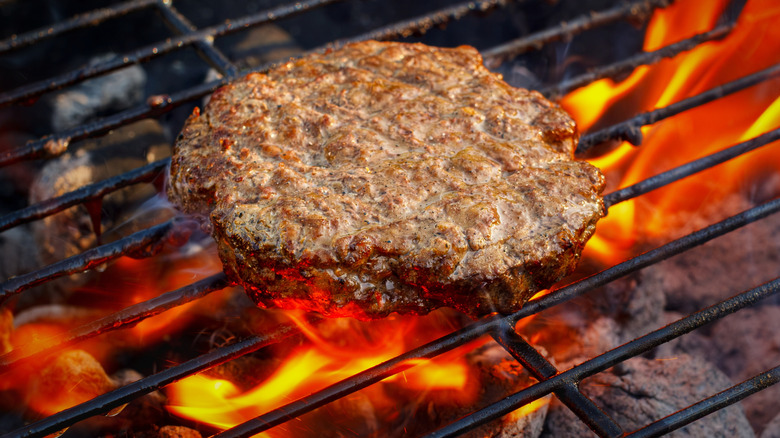
Most charcoal comes from wood. When burned, it releases the natural compounds that help infuse the food with a distinctive smoky, grilled flavor you just can't achieve with a low smoke-emitting gas grill. It's true that you can add a smoker box to your gas grill to help achieve a similar result, but that's effort and equipment you don't need if you just use a charcoal grill instead.
Different types of charcoal can also result in different flavors. Lump charcoal is pure wood with no fillers. Charcoal briquettes are fairly uniform and more compressed than lump charcoal, which helps them burn more predictably and steadily. However, be wary of the type that comes pre-doused in lighter fluid, which can give off an unpleasant chemical taste. For times when you do want a less smoky, more neutral flavor, you can try coconut shell and binchotan (also known as Japanese white charcoal).
Charcoal's claims to fame are high-heat cooking and flexible heat zones
Not utilizing heat properly is one way you might be using your grill wrong. Charcoal grills have a wider range than gas grills, which offers more flexibility if you do it right. By piling the charcoal in various formations, you create different heating areas to handle different tasks (known as zone cooking). A gas grill needs multiple burners to maintain different heating zones.
If you are looking to create the perfect sear, you need your grill hot enough to trigger the Maillard reaction, which results in that distinctive crispy brown crust and savory profile that delights taste buds. The closer your food is to the burning coals, the higher the cooking temp.
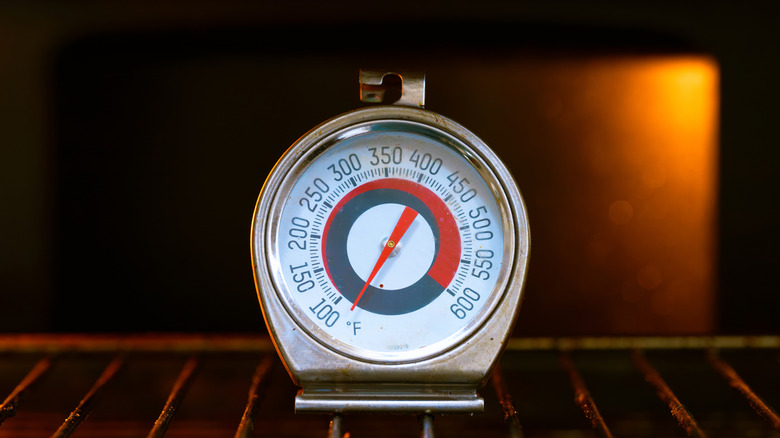
Charcoal grills can attain temperatures of over 1,000 degrees Fahrenheit near the coals. While you typically don't need temperatures that high, the higher heat ceiling allows you to push toward 700 degrees when you want an intense sear. Gas grills set to high range between 400 and 600 degrees. While technically burning charcoal can be as cool as you want (and you want it to be very cool when disposing of it), if you are looking for low, steady heat for slow-cooked foods, a charcoal grill can easily maintain 225 degrees, while a gas grill set to low sits in the 250 to 300 range.
Charcoal is associated with fewer reported home fires
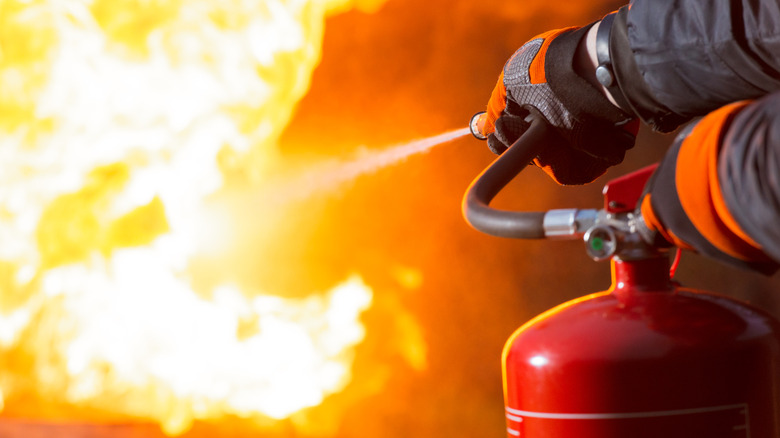
According to the National Fire Protection Association, on average, 84% of reported home fires that were started by grills between 2014 and 2018 were due to gas grills. Only 12% were fueled by charcoal or another solid fuel. Part of this is because gas grills use burner tubes that charcoal grills don't have, which can become blocked, leading to flashback fires. Lines can also leak and break.
And there are a few simple actions you can take to help prevent dangerous and costly charcoal grill fires. First, be sure that you are properly cleaning your grill after every use. Failing to clean the grill was the No. 1 reason for home grill fires listed by the NFPA. The grease and grime that accumulates on the grates and in the drip pan are flammable and could ignite if exposed to the right temperatures. Keeping your grill away from shelters and other things that could catch fire is another key safety step. And you should never leave an active grill unattended. Improperly disposing of hot ash can also lead to fires. Ashes should always be allowed to thoroughly cool, which can include dousing them in water, before being put into a nonflammable metal container.
Charcoal grills are more affordable
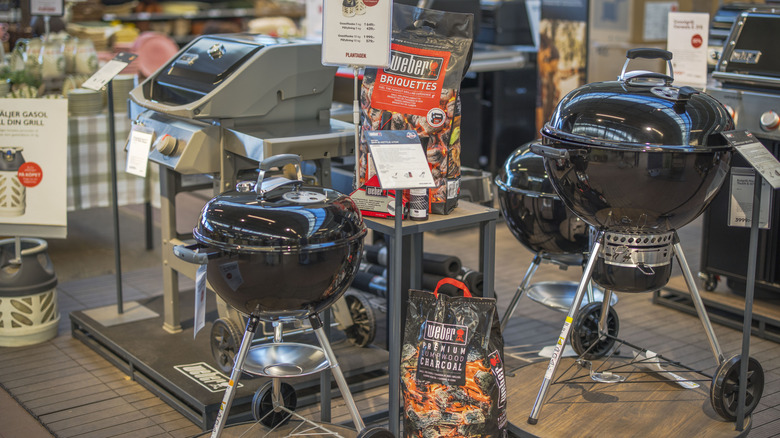
While there are different shapes and sizes of charcoal grills, their basic anatomy is pretty simple. They have a firebox, cook chamber, grill grate, airflow, and lid. A gas grill, on the other hand, has burners, cooking grates, heat shields, at least one ignition system, the grease management system, control knobs, a temperature gauge, and so on. More parts typically mean a higher upfront cost, one of the commonly cited disadvantages of using a propane grill. Charcoal grills also have fewer parts that need replacing, which can be a sizable benefit over time.
You can purchase a small, no-frills portable charcoal grill for around $20 (or less!) on Amazon. Spending between $100 and $200 for a basic backyard kettle grill is more usual. You can find a single-burner portable gas grill on Amazon for around $50, but expect to pay at least a couple hundred for a basic family-size gas grill. The cost of fuel for each can fluctuate over time and across location, and not everyone grills at the same frequency, so mileage may vary when it comes to fuel expenses.
Transport is a cinch
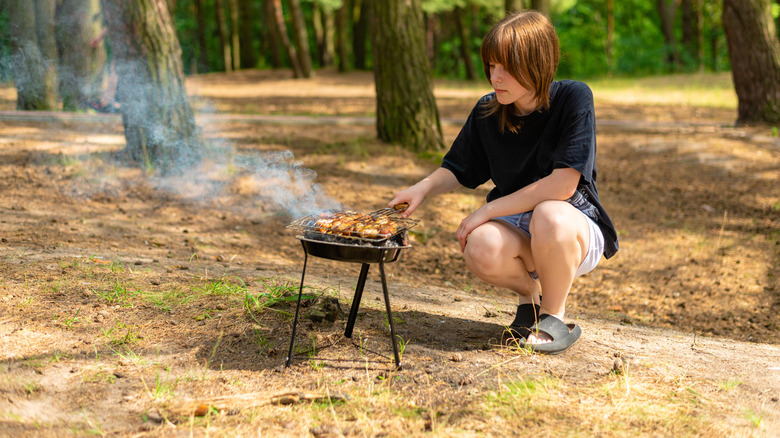
We're not saying that portable propane grills don't exist because they absolutely do, and some models come highly rated. However, the simpler design of charcoal grills requires fewer parts, often making them lighter and easier to transport. Depending on the size of your propane tank, it could easily be heavier than a bag of charcoal, and you may not want to lug it around for a picnic or tailgate. A standard backyard gas grill uses a 20-pound propane tank, which weighs 36 to 38 pounds when full. A one-use bag of Kingsford original charcoal briquettes is only 4 pounds.
In addition to it being much easier to carry extra in case you need it, charcoal can also be simpler to restock on the go. Propane tanks generally need to be either refilled or traded in for a fresh one at designated locations, which means lugging it around with you. And if you're out camping or spending the day at a park and you run out of propane, driving around trying to locate somewhere to refill the tank can be tricky. Places that exchange them may be farther apart in remote areas.