

3 Major Disadvantages Of Electric Stovetops
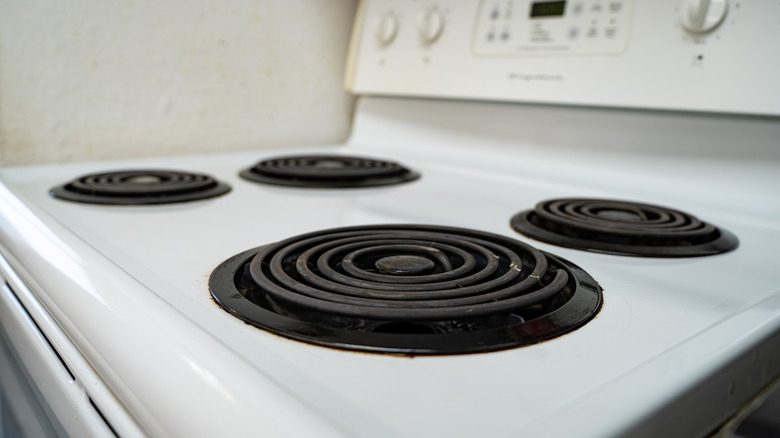
You might not put much thought into the pros and cons of an everyday appliance like the electric stove. You turn a knob, a burner heats up, and you place your pan of food or liquid on top to cook. It's a simple job that electric cooktops have been doing with varying degrees of success since George B. Simpson filed the patent for his Improved Electrical Heating Apparatus in 1859. The device promised to create enough heat to warm up a room, boil water, and cook food. It took decades to iron out various kinks.
Electric stoves have undergone many changes since the 1800s, but they still have shortcomings. The amount of time it takes traditional burners to heat up and cool down has long been a disadvantage. When the power goes out, so does your stove. And the appliance can pose a risk of fire.
To be clear, not all of today's electric stoves have the same pitfalls because not all of them work the same way. Three primary types of these appliances exist. One of the oldest and most familiar versions is the coil-based model, which transfers heat to uncovered metal elements. There's also a radiant variant that has a glass top over its heating elements for less direct energy transfer. Lastly, induction cooktops go in a different direction by using electromagnetic fields to generate heat in the cookware placed on top of them. While glass stovetops can come with dangerous downsides, and owners of induction stoves also face problems, here we're focused on the kinks in the coil-based version.
Temperature changes take longer
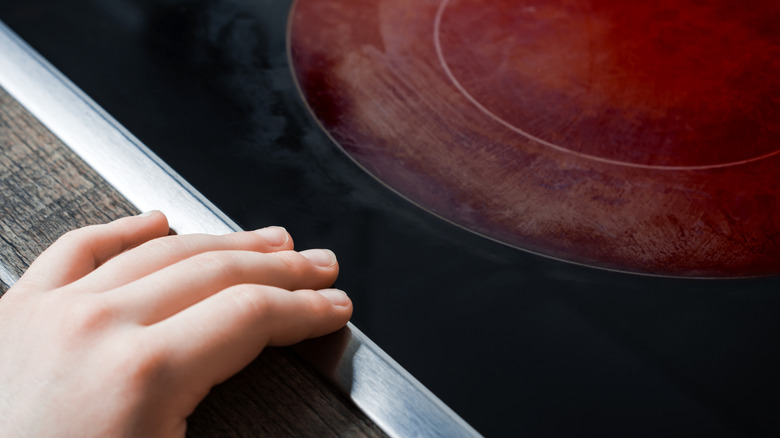
The heat produced by the activated coils is what cooks food and boils water on an electric stovetop. It takes time for those parts to heat up as well as cool down. So if a pot starts to boil over and you turn off the burner, it stays hot well after the power has been cut. This can negatively affect the food as well as the people cooking it.
For starters, leaving a pot or pan on an electric stove after the knob is turned off may lead to an overcooked or, worse, burned meal. Luckily, there are ways to save your burnt pots and pans, but an ounce of prevention is worth a pound of cure.
A burner's lingering heat also poses a danger to our fragile skin. Curious children might place a hand on the stove not understanding that it's hot. Or a pet might jump onto the stove before you can stop them and become injured. Any degree of thermal burn is upsetting and painful, and it can take weeks to heal.
Vulnerable to power outages
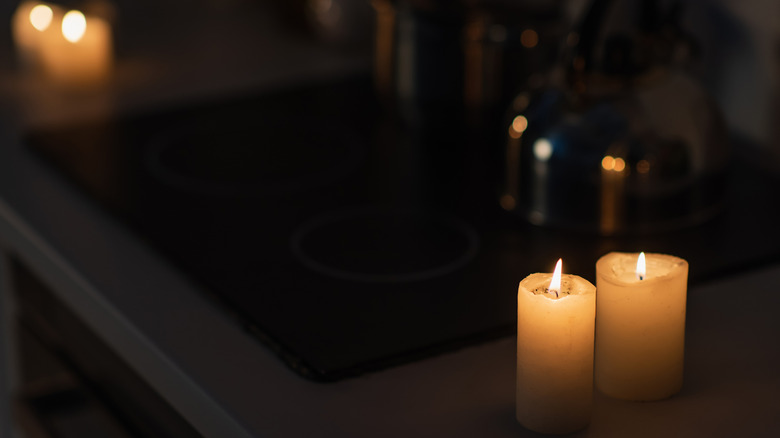
There are always trade-offs when choosing which appliances to put into your kitchen, such as up-front costs and concerns over air quality. One disadvantage that's difficult to maneuver around is that electric stoves do not work in a blackout. So unless you have really strong battery backup and don't mind spending its limited capacity on running your cooking equipment, dinner may have to wait until the grid comes back online.
If you are experiencing severe storms, you may want to unplug your stove in case of a lightning strike, which can cause damage to electrical appliances through a power surge. If your power has already gone out, the stove could create a different kind of complication. Specifically, you may want to unplug the device to avoid overloading the power system when it comes back online, since many other appliances would turn on at the same time. If you experience a long-term blackout, you could turn off non-essential breakers but only if you know what you are doing.
Higher risk of fires
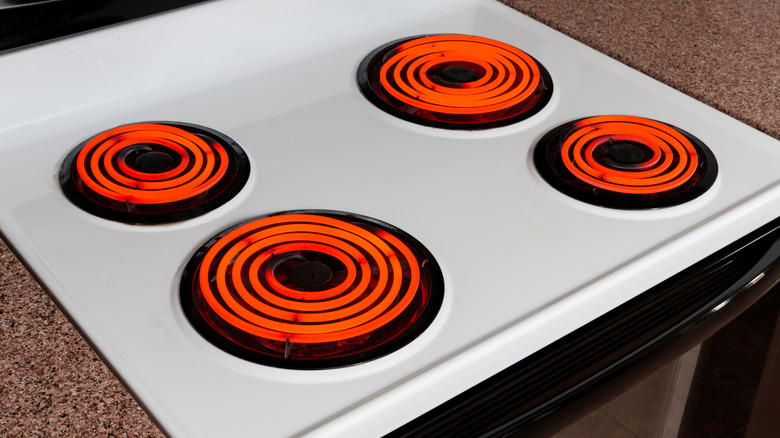
You might think that by not cooking with the open flame of a gas stove, you have avoided the risk of fires. That, unfortunately, is not the case. In fact, the National Fire Protection Association looked into the matter and found that "households with electric ranges had a higher risk of cooking fires and associated losses than those with gas ranges." Walking away while food is cooking can increase the danger of starting a blaze. Grease and built-up food debris might ignite as well.
Bad wiring, overloaded circuits, damaged coils, and improper care could also lead to a fire. Mindful maintenance will help reduce the risk. Cleaning the appliance incorrectly is one of many mistakes people make with their electric stoves. As part of your cleaning routine, check for damaged coils and element sockets as well as loose or broken wires. If you see sparks, turn the burner off immediately. A faulty coil can seriously injure anyone nearby or cause their home to go up in flames.