

The Biggest Mistakes Everyone Makes When Cooking Spaghetti
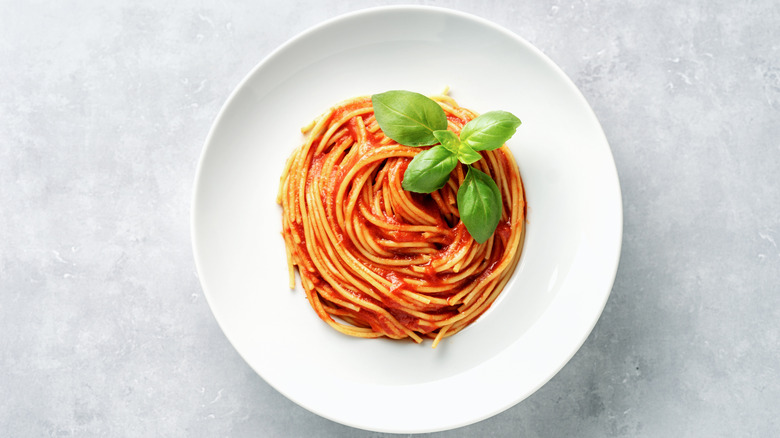
Spaghetti is one of those meals that everyone should learn how to make. Who doesn't love an easy pasta dish? You can add meatballs, ragu, or whatever else sounds appetizing to you. Pretty much everyone is guaranteed to like it, even if they're picky eaters. And the best part? It's simple and uncomplicated ... or so you might think. In reality, there are plenty of mistakes you can make while cooking spaghetti, whether it comes down to the sauce or the pasta itself. And while those errors can definitely be a bummer when they happen, avoiding them is effortless once you know what to look out for.
That's why we've outlined some of the most common mistakes people make when they're cooking spaghetti. You may have made some of these faux pas before, and you may have avoided others without even realizing you were doing so. Take a look at our list of typical blunders to make sure you're not missing anything when you're preparing spaghetti. Then, get in the kitchen and start boiling your water. You're about to make some of the best spaghetti you've ever had.
Not salting your pasta water
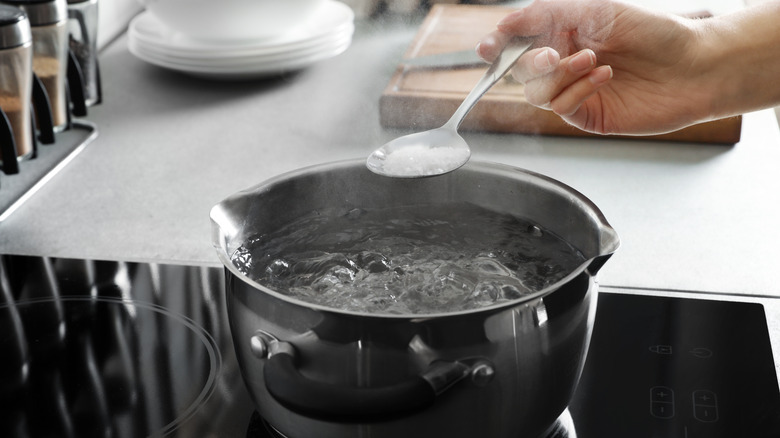
This is probably the biggest spaghetti-cooking mistake you could ever make, but it's not just limited to spaghetti — the same can be said for pretty much any type of pasta. Not putting enough salt in your pasta water (or not salting it at all) may not seem completely necessary, but once you start doing it, you're going to notice a difference.
You've heard it before, and you'll hear it again: You should salt your pasta water until it's "salty like the sea." That's because pasta doesn't have much in the way of flavor — it's mostly just wheat. Therefore, adding salt makes a big difference in ensuring every strand of spaghetti is as flavorful as it can be. And if you're thinking about just adding the salt at the end, that's not going to cut it. According to Bon Appétit, if you only salt your pasta when it's done cooking, that salt sits on top of your food. If on the other hand, you add it to the water while it's cooking, then all that flavor is absorbed into your spaghetti.
It may seem like a small detail, but trust us when we say that forgetting to salt your water is one of the biggest spaghetti-making mistakes you can possibly make.
Refusing to use canned tomatoes
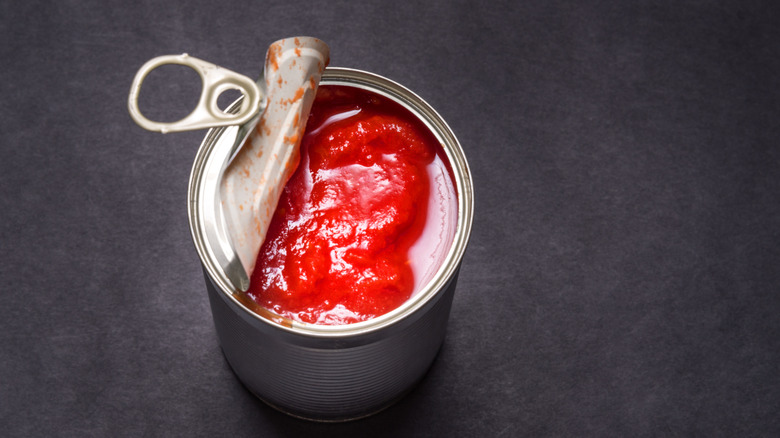
Okay, okay. We know that it's hard to beat the pure, unadulterated joy of slicing into a garden-fresh tomato at the height of summer. And if you have access to those super-ripe, just-right tomatoes, then you should definitely take advantage and use them in your spaghetti sauce. But most of the time, you're not going to be making spaghetti at the absolute peak of tomato season. In that case, you shouldn't feel pressured to use fresh tomatoes. In fact, you may actually be better off using canned tomatoes.
That's right. According to The Daily Meal, it's generally a good idea to use canned tomatoes instead of fresh during the tomato off-season. This is because those tomatoes were tinned at the ideal point of tomato season, so you know they're going to taste super fresh. And since you're turning them into a sauce anyway, it's not really necessary that you use fresh ones. This saves you time, money, and hassle, so what's not to love? A shortcut that actually tastes better than the real deal is always welcome in our kitchens.
Burning the garlic in your spaghetti sauce
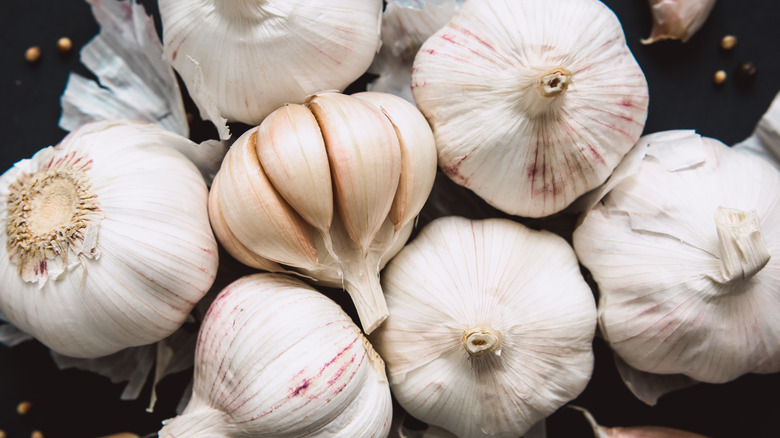
Every good spaghetti sauce has, in our opinion, an unholy amount of garlic in it. Seriously, what are you doing if you're not chopping seemingly endless cloves of garlic for your spaghetti sauce? But all that chopping is for naught if you end up burning it, and unfortunately, this is an all-too-common occurrence for many home cooks. Let's be honest, it's really, really easy to burn garlic. If you want to get the best sauce possible, this is something you're going to want to avoid. Burnt garlic can taste bitter and unpleasant, and that's the last thing you want in your sauce.
However, you can avoid burning your garlic by following a few simple tips. First of all, you shouldn't add it to the pan too soon, according to Bon Appétit. If your tomatoes aren't already prepped, for example, it's probably best not to start toasting your garlic. Also, you may want to cut it into larger pieces like slices, since the smaller the garlic, the faster it'll burn. And after you add your garlic to the pan, it's a good idea to turn the burner down, especially if you've been heating it up for a while. The most important tip, though? Make sure you're keeping a close eye on the pan! That way, if the garlic starts to look too brown, you can pull it off the heat.
Using a small pot
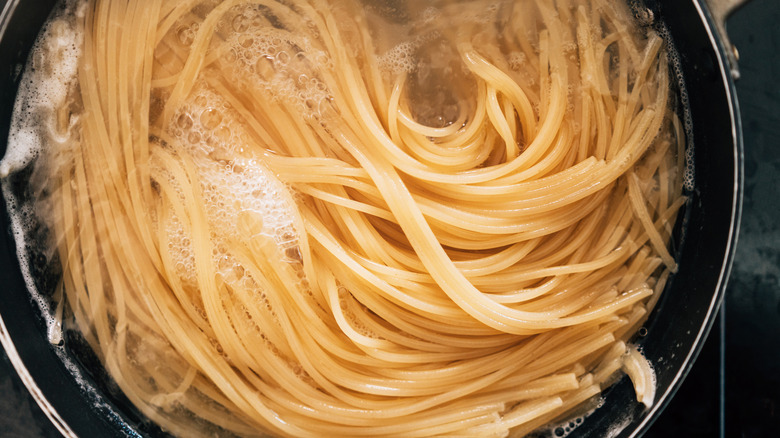
Another common spaghetti-making mistake comes down to the size of the pot you're going to be cooking your noodles in. When you first take your spaghetti out of the package, it probably looks small and unassuming. You may think that you're not working with much pasta when in fact, you actually are. Once it soaks up all that water in the pan, it's going to expand — by a lot. This is exactly why Smithsonian Magazine says you shouldn't be using a small pot to cook your spaghetti. There's a good chance the pot will become overcrowded once those noodles start to take on some water.
Sure, this can be annoying, but will it actually affect how your pasta tastes and feels? Actually, yes. If your pasta doesn't have enough room in the pot, it can stick together and get mushy. Once you add the sauce, that's a disaster just waiting to happen. So, our advice is to use a pot that's much bigger than you think you really need. Chances are, it's going to be just the right size once the pasta starts to cook.
Combining the pasta and the spaghetti sauce
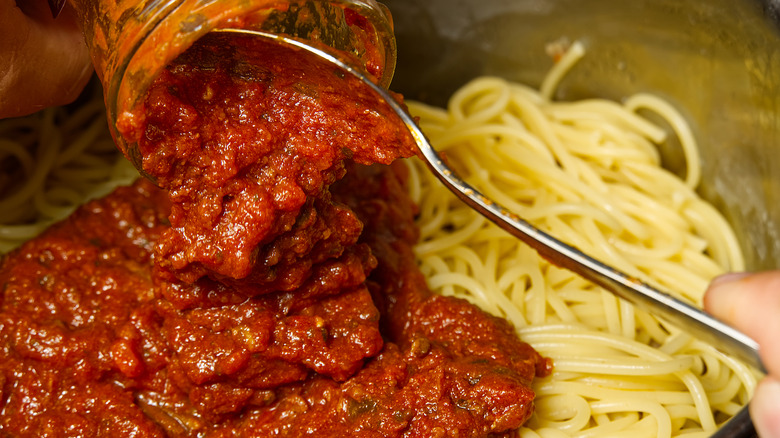
This is a cardinal spaghetti sin we never, ever want you to commit — for your own sake, of course (and the sake of your guests). Of course, you'll want to combine the spaghetti and the sauce right before you serve it. But they shouldn't be prepared together, and you definitely shouldn't store them together. Why? Because you worked so hard to get your noodles to the perfect al dente texture, and when you add sauce, they're going to soak up a lot of the moisture, leaving your spaghetti sad and soggy. You won't have any of the bite and texture you want from properly cooked pasta.
So, what's the solution? Just keep the spaghetti and the sauce separate until you're ready to serve them. Store them each in their own containers too. Yes, it's going to require an extra Tupperware container, but it's definitely worth it to maintain the pasta's ideal texture. In case the pasta gets sticky after being in the fridge, just give it a quick rinse and you should be good to go.
Not using anchovies in your sauce
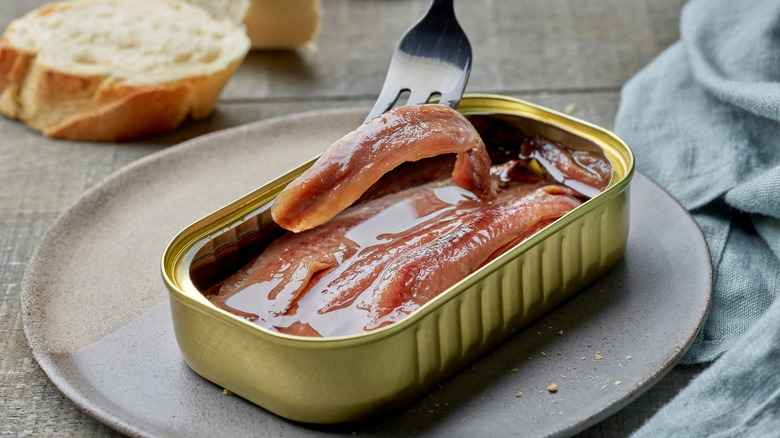
We know this one isn't for everyone, but before you skip ahead, hear us out: Anchovies make pasta sauce so much better. No, you're not going to have whole pieces of fish floating around in your sauce, nor will anyone be able to tell they're even in there ... except for you. Basically, anchovies add a pleasantly salty, umami note to whatever you're cooking, including spaghetti sauce. And per Bon Appétit, they definitely don't make your dish taste fishy in the slightest. That's because you're not eating them whole. Rather, you'll add them while the sauce is cooking, so they'll melt or break down. All you're left with is those savory flavors — zero chunks of salty fish.
It's a good idea to add your anchovies at the same time as the garlic (and onion, if you're using it). That way they'll start breaking down early, and once you add in some tomatoes and spices, you won't even be able to tell there are anchovies in the first place. Your friends and family are all going to ask what the secret ingredient is, but we won't tell if you don't. (If you don't know someone's dietary preferences, though, definitely tell them — you don't want to feed a vegan an anchovy-spiked pasta dish.) Try this trick once, and you'll join the ranks of home cooks who always keep tins of anchovies stocked in their pantries.
Forgetting to taste your spaghetti sauce regularly
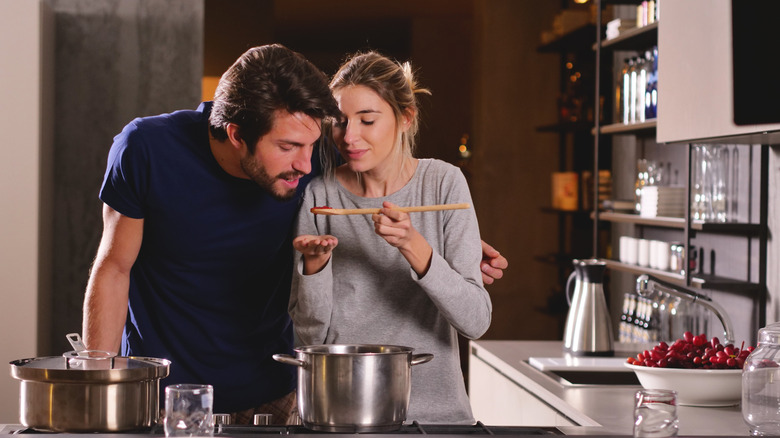
When you're in the kitchen trying to put dinner on the table, you might be in a rush to get everything done. You're trying to make pasta, spaghetti sauce, and maybe some salad and garlic bread on the side. That can make it easy to forget to stop and smell the roses — er, taste the spaghetti sauce. And really, you should be tasting your spaghetti sauce at various points during the cooking process to ensure that you're getting the right flavor. You don't want to wait until the last minute to realize you haven't added enough salt, only to miss out on all those flavors mixing and melding together.
Not only will this help you achieve a better-tasting sauce, but it may also make you a better cook. Learning how food tastes at different points in the cooking process is a valuable skill to have, especially if, like us, you have spaghetti night several times a month. So go ahead and sneak a taste every now and then — your spaghetti will be better for it.
Not taste-testing your spaghetti to check for doneness
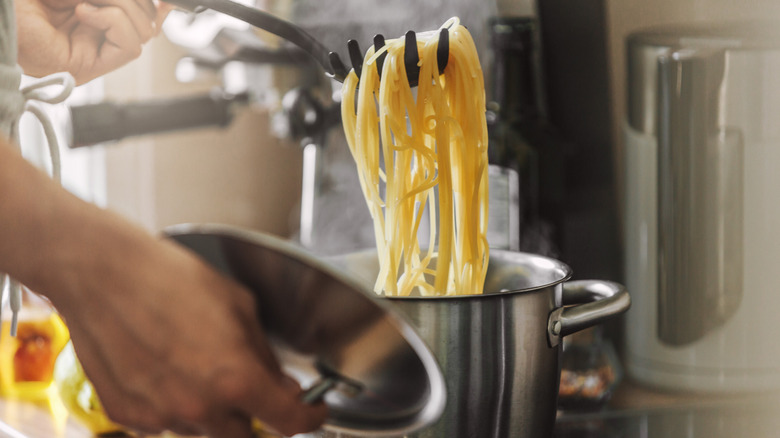
Just like it's best to taste your spaghetti sauce while you're in the process of simmering it, you'll want to make sure to check your spaghetti as well. There are a few different ways to test pasta to ensure it reaches its desired doneness. While you may have heard of the suggestion to throw spaghetti at the wall, we're here to tell you that's really not necessary. It's going to make a mess, and it doesn't really tell you what you need to know anyway.
Sure, you could always cut into your pasta with a knife and look at the inside to see if it looks like it's done, but this doesn't tell you much about how the pasta is actually going to taste. Our favorite method for testing spaghetti for doneness? Just take a bite! This is the easiest and quickest way to tell if you need to cook it longer or if it's ready to come off the stove.
Throwing the pasta water away
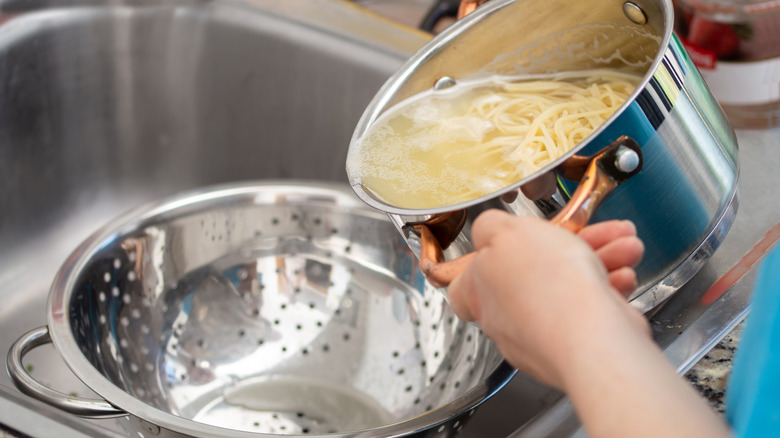
There's one mistake that home cooks make way too often when they're cooking not just spaghetti but any kind of pasta. Throwing out the water you boiled your pasta in might seem logical — it's just superfluous liquid after all. Actually, you'll find that pasta water can literally transform your spaghetti if you know how to use it correctly. In fact, HuffPost even refers to it as "liquid gold."
Why? Because when you boil pasta, the starches from the wheat get released into the water, giving it a cloudy appearance that may not look too appealing but will take your spaghetti sauce to the next level. If you pour a bit into your sauce, the starches will thicken it up, making it richer and creamier without having to add any other ingredients. And since this stuff is already available to you as you're cooking, there's no reason to drain it all in the sink.
Rinsing your pasta before you serve
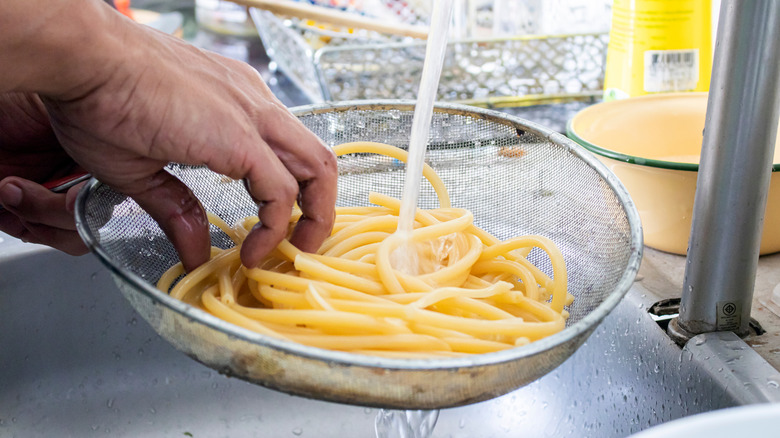
Once you're done cooking your spaghetti, what should you do with it? Ask most people, and they'll tell you that it's a good idea to rinse your pasta. But you may be surprised to find out that this isn't the case at all, especially if you want the thick, creamy pasta-coating sauce of your dreams. When you rinse pasta, you're eliminating a ton of starch on the surface of the noodles. This starch can help sauce and spices adhere to the spaghetti, per Smithsonian Magazine. Therefore, you're cheating yourself out of the rich creaminess you deserve in a good bowl of spaghetti.
Not only does not rinsing make a huge difference in the flavor and texture of your pasta, but it also saves you an extra step while you're cooking. That means less time in the kitchen and more time around the dinner table with people you love, eating a big plate of pasta.
Adding basil to the sauce too soon
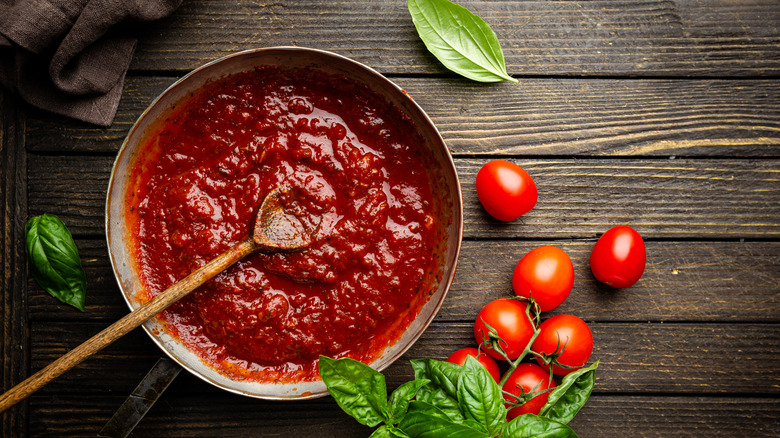
When you're preparing a sauce from scratch, you want to make sure you infuse it with as much flavor as possible, and herbs can go a long way to make that happen. Heartier herbs like rosemary or oregano can stand up to the heat of a long simmer in a pot for quite some time, while other more delicate herbs like basil, cannot. Add basil to your sauce too soon, and you'll be left with little shrivels of leaves that barely taste like anything at all.
The Kitchn explains that basil has a subtle flavor that does not stand up well to heat and it loses a ton of its flavor if you cook it for too long. This doesn't mean you don't want to cook it at all — a short time on the heat will help basil release some of its flavors. However, you'll only want to cook it for a minute or two. Add it to your spaghetti sauce at the end of the cooking process, and you'll be able to pick up on all those herbal flavors without a problem.
Forgetting to roast your tomatoes for the sauce
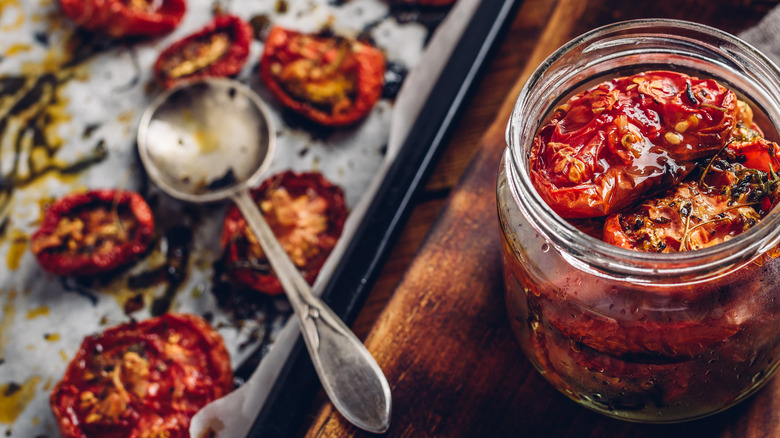
We already mentioned that you can use canned tomatoes for your spaghetti sauce, and if you're taking that route, you can totally ignore this suggestion. However, if you do decide to use fresh tomatoes, there's one big mistake you definitely don't want to make: forgetting to roast them. This may seem like an extra, unnecessary step that you don't really have time for, but we promise you that it's going to make a major difference in your pasta sauce. Roasted tomatoes have an added sweetness and complexity to them that makes them absolutely irresistible. Use them in your pasta sauce, and your spaghetti is going to have a depth you can't get any other way.
Luckily for you, it's super easy to roast fresh tomatoes to perfection. Botanica suggests combining them with some olive oil and garlic and tossing them in the oven at 350 degrees until the tomatoes burst. Add them to the pan with your other ingredients and you'll be making a spaghetti sauce to remember.
Putting olive oil in your pasta water
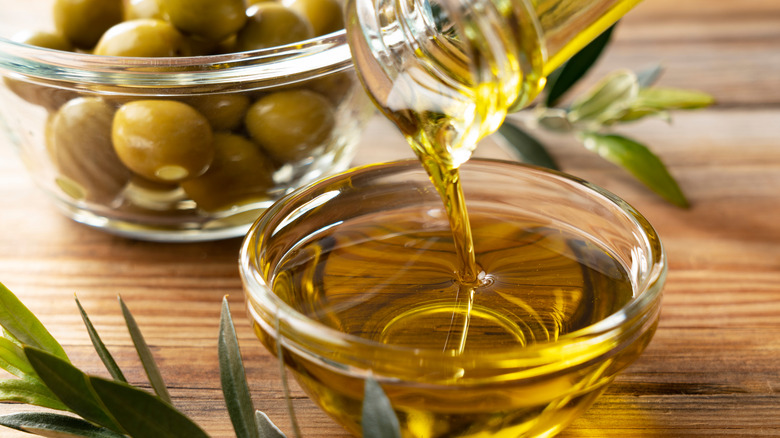
You already know how important it is to salt your pasta water, so you may think that adding some olive oil to the water as well will really take your spaghetti to the next level. However, this isn't quite the good idea you think it is. According to Smithsonian Magazine, some claim that olive oil prevents noodles from sticking together and reduces the likelihood that your pasta water will boil over. However, it also causes one major problem: It makes it harder for the spaghetti sauce to adhere to the pasta.
If you're making a spaghetti dish that has an olive oil base, then this isn't a big problem. However, for a classic plate of spaghetti with pomodoro, this is definitely a mistake you won't want to make if you're trying to prepare the best spaghetti possible. On the plus side, good olive oil can be expensive, so using less of it where it's not needed is a bonus.
Breaking your spaghetti in half
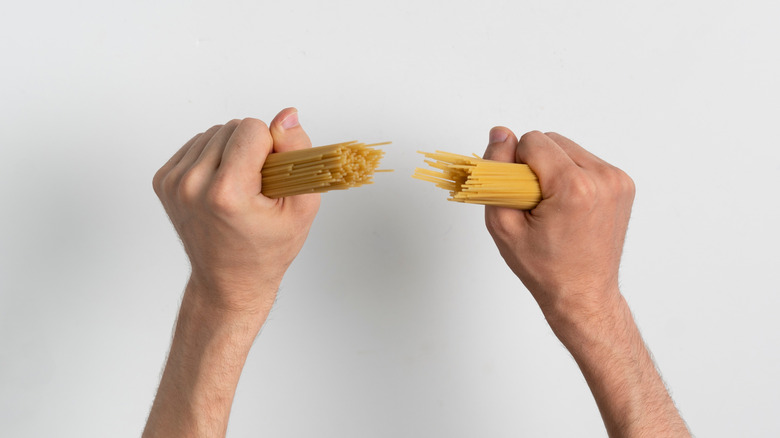
Nonna would tell you it's a no-no to crack your spaghetti down the middle just to make it fit in the pot. It's the one spaghetti rule you should never break, even if you're cooking for smaller eaters who take little bites. You can easily snip the cooked spaghetti in half using kitchen shears to customize each plate, if necessary. But there's no putting those noodles back together if you split them up before boiling them.
It may sound like a superstition, but the real reason behind not breaking your spaghetti is that the noodles offer a distinctive presentation when kept whole. Imagine piling your plate full of elegant strands that can be twisted and spun into a nest, perfect for cradling meatballs or strips of beef or chicken. This also accommodates the twist-and-scoop method of gathering a bite in true Italian fashion. Now imagine scooping out half-strands of various lengths and trying to achieve the same finished plate. Not so attractive, is it? Only the flowing strands of full-length spaghetti allow these traditional aspects to be enjoyed.
This doesn't mean you need every spaghetti dinner to be a work of gourmet art. If you're in a hurry or you're dining with others who won't critique your skills, by all means, do whatever you must to get your noodles cooked and served. But be sure to keep your spaghetti intact whenever possible so you can enjoy this premium pasta as it was intended.
Not boiling your spaghetti in broth or stock
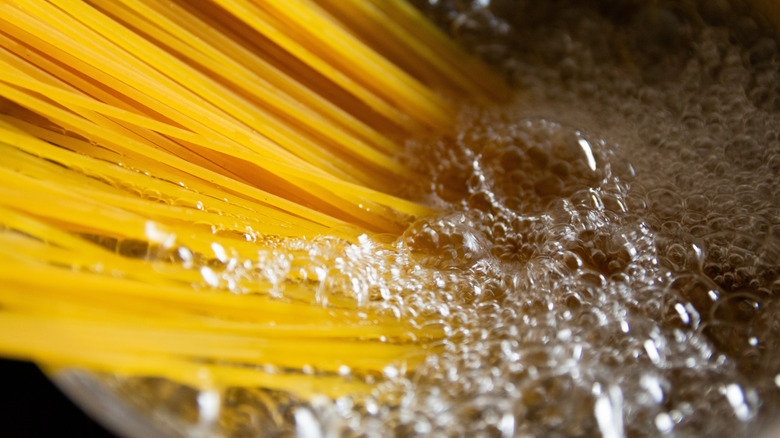
One of the easiest ways to incorporate robust flavor into your plain spaghetti without having to conjure up a custom topping is to cook it in broth or stock instead of water. This infuses flavor directly into the pasta instead of requiring a second step, which means you can keep your meal simpler and use easy alternatives like fresh vegetables as a topper for lighter, quicker fare.
It's important to know the difference between broth and stock if you choose this method. Broth refers to simmering meat like chicken, beef, or pork and vegetables in water and using the liquid. On the other hand, stock comes from simmering bones in water, creating a savory fluid that has plenty of depth. You can choose whichever suits your taste or recipe, even blending the two for a more complex finish. If you're a soup aficionado, try making your own broth or stock so you can control what flavors end up in the pasta.
Of course, both store-bought broth and stock come with a high sodium content in their most basic forms. If salt consumption is an issue, look for a low-sodium or sodium-free version to keep things in check. Since you'll already have so much salt in the liquid, remember to leave out what you would ordinarily use when cooking with water. This will prevent oversalting, and you can always sprinkle a little more on the finished dish if you decide it's needed.
Reheating leftovers dry instead of in liquid
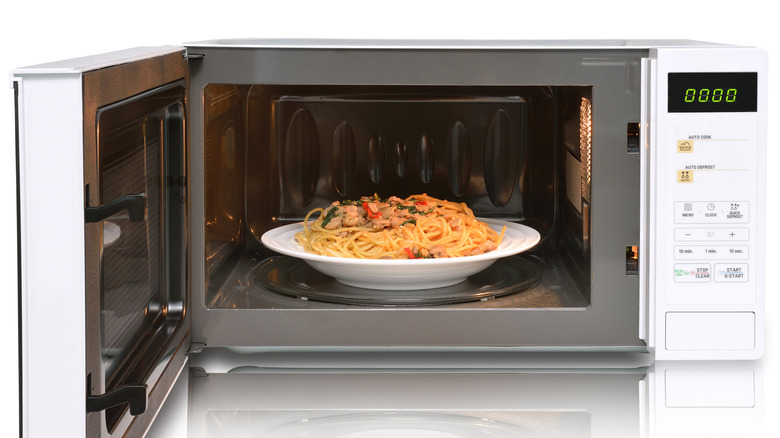
We've all jumped in hastily and reheated spaghetti in the microwave, only to find it's turned rubbery or crunchy as a result. Even if you reheat last night's pasta in a pan, you run the risk of sizzling out any tenderness that you worked so hard to achieve during the initial cooking. No matter what way you choose to reheat your noodles, it's crucial to add a bit of liquid to get them as close to the original texture as possible.
A quick and easy technique for bringing leftover spaghetti back to life is adding a drizzle of olive oil or about a tablespoon of water to your noodles in a microwavable dish, covering it with a glass or ceramic lid, and heating it in the microwave for a minute or so on high. This will allow steam to build up and keep the spaghetti moist as it cooks. Once it's finished cooking, carefully pour out any remaining water, and you'll be ready to serve.
To reheat your spaghetti in a pan, drizzle a bit of olive oil on the bottom of the pan and bring it to medium heat on a burner. Add your spaghetti carefully and let it sizzle until it comes to temperature, watching the pan the entire time and stirring to keep the noodles from scorching.
Not turning it into a spaghetti bake
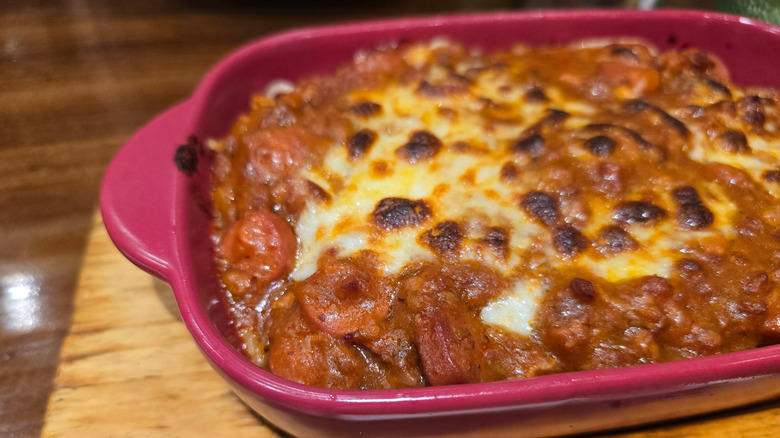
If you haven't turned your spaghetti into a delicious spaghetti bake yet, you're in for a mindbogglingly simple way to use up leftovers. Not only does it let you get fancy with your add-ins and toppings, but it also ensures that no matter the state of your pre-cooked spaghetti, it will end up properly prepared, thanks to the inclusion of sauces, cheese, and your choice of meats or veggies.
At its simplest, a spaghetti bake requires leftover spaghetti spread in a casserole or baking pan with your choice of sauce and cheese sprinkled over top. Slide it into a preheated oven and bake at 375 for 20 to 25 minutes, until the cheese is melted and golden. Cut it into slices and serve it with garlic toast or green salad for a squiggly twist on lasagna that no pasta fan can say "no" to.
Spaghetti bakes work best with either red sauce or meat sauce, which hold up better under heat. But there's no reason you can't try it with an alternative sauce to see what sort of gourmet fun you can come up with. Try topping the finished product with fresh herbs or snipped green onions to give every slice added flavor.
Only using red sauce as a topping
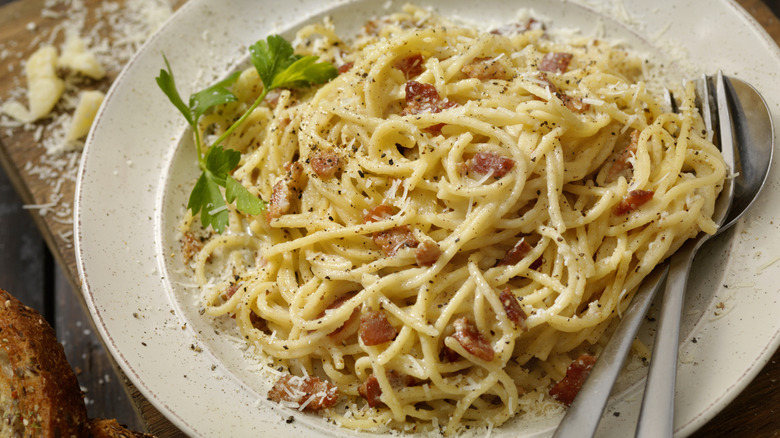
Spaghetti is a highly versatile pasta form, yet many home cooks miss out on the variety of ways it can be served, opting instead for the straightforward red sauce as a solution. If you haven't explored the different types of pasta sauce and when you should use them, you've been cheating yourself when it comes to sprucing up your standard spaghetti selection.
Pesto is a perfect shake-up for your spaghetti situation, as a lighter mix that gives basil, pine nuts, and olive oil a prime place at the table. White sauces like Alfredo and béchamel are bound to brighten up your usual pasta preference as well. And don't sleep on pink sauces like rosé, where red and white merge to become something sumptuous that neither could be on their own.
Ready to reach well beyond the realm of expected spaghetti dressings? Try making a simple Thai peanut sauce with peanut butter, soy sauce, and ginger to give your noodles a tasty Asian character. Or take your supper plans into Latin territory with a jar of your favorite salsa to create spicy spaghetti with a juicy kick. And if you have a tub of hummus in the fridge, stir in a spoonful or two to increase your protein intake in an unexpected sauce that's earthy and smooth.