

Why Your Local 7-Eleven May Be In Trouble
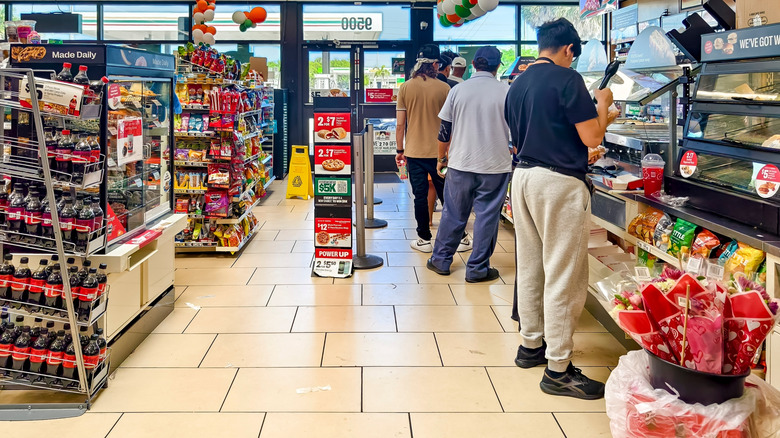
Known for Big Gulp sodas, wild Slurpee flavors, and midnight snack runs, 7-Eleven isn't just a run-of-the-mill convenience store. The brand could be considered a cultural icon with its easily recognizable logo and bright storefront that's open 24/7. With 83,000 locations across 19 countries, it seems like the world's largest retail chain would never struggle — but in 2025, it has been quietly closing locations.
It may come as a surprise that 7-Eleven closed 444 underperforming stores throughout the United States, as it simultaneously announced plans to open 600 new stores by 2027. In the final fiscal quarter of 2024, more stores closed than opened: 207 vs 25. By the end of 2025, even more store closures are planned, bringing the total number of shuttered locations to well over 500 since 2024.
At first, 500 closures sounds like a lot, but zooming out to the bigger picture, this figure is a very small percentage of the chain's number of locations. Yet on top of store closures, the chain reported a 21% drop in its operating profits in 2024. To counteract the profit drop and store closures, 7-Eleven is opening stores with a new, larger-format design and more expansive foodservice. In particular, it plans to add more hot meals and breakfast foods. The retailer has a strong presence in Japan, where 7-Eleven offers a more extensive range of food and beverages. This feature functions well there, and the idea is that hopefully this format would also find success in North America.
What's Really Behind 7-Eleven's Struggles in 2025?
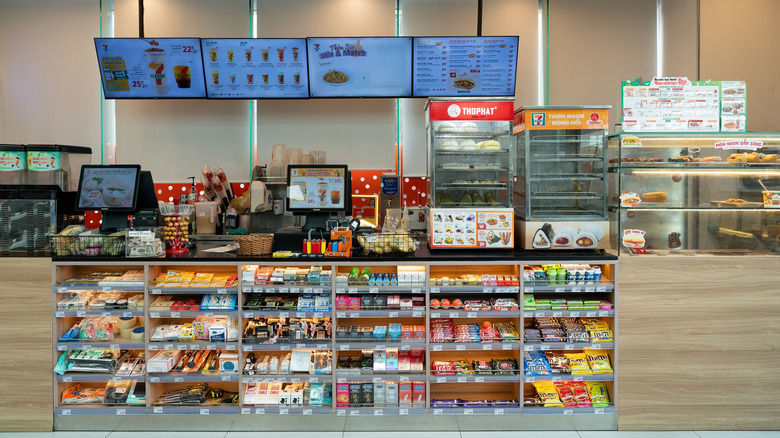
The current design of 7-Eleven stores in the U.S. doesn't seem to be connecting with customers as it once did. Part of this is due to reduced foot traffic. As reported by C-Store Dive, 7-Eleven has seen a 6% drop in year-over-year foot traffic, meaning that fewer people are stopping in for snacks or a quick coffee at its self-service stations.
Nationwide inflation and a higher cost of living also put pressure on consumers to watch their spending. A casual walk to the convenience store to buy chips and candy for movie night might not seem like a big deal — but it's technically unnecessary spending, and Americans are doing less of this at convenience stores. This is true for cigarettes and tobacco products, too. These aren't vital necessities like food, and 7-Eleven has seen a decline in cigarette sales.
Earlier this year, Reuters reported that the owner of 7-Eleven, Seven & I Holdings, stated that tariffs would likely affect the retailer and it would need to tighten costs within the supply chain. On top of all of these factors, 7-Eleven naturally faces competition in the crowded convenience store space, especially from chains that already have firmly established fresh food offerings. With tens of thousands of stores globally, 7-Eleven is certainly not going to disappear despite its recent struggles — but for the sake of Coca-Cola Slurpees and the potential of getting our hands on cult favorite foods like 7-Eleven's egg sandwiches in Japan, we hope its new store strategy works out.