

15 Mistakes You're Making At Sushi Restaurants
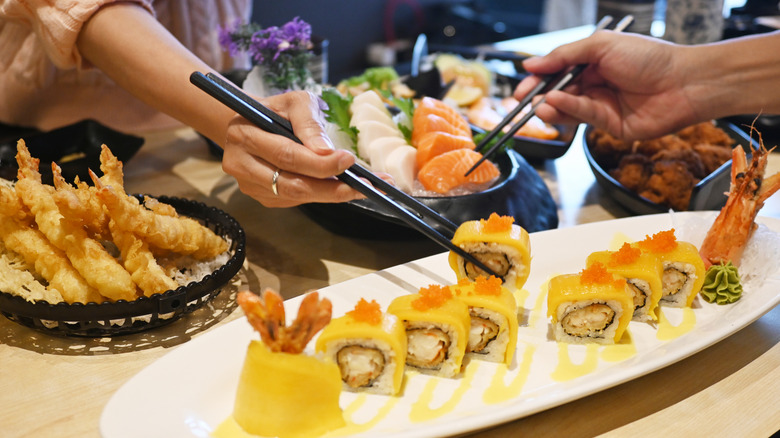
Unless you're trained in the art yourself, sushi is usually best enjoyed at a restaurant. Your homemade version might be delicious, but it can't compare to dishes made by a seasoned professional. But there are some mistakes everyone makes at sushi restaurants. Some of these issues are related to etiquette, while others can limit your enjoyment of the meal. If you eat the same thing every time or let sushi sit on your plate for too long, you're not having the best experience you could. And why pay all that money for a nice meal if you're not making the most of it?
To dive into the nitty-gritty of the do's and don'ts, we spoke to three experts: Dung "Junior" Vo, executive chef of Nashville sushi restaurant Kase x Noko; Chef Jongin Jeong from New York's Sushi Ikumi; and Emily Li, owner of Sushi Ouji in SoHo. These sushi aficionados talked about some of the slip-ups they commonly see and the best ways to do things instead. Armed with the answers to our questions, the experts revealed what to avoid when eating at sushi restaurants to guarantee the best time.
Thinking sushi begins and ends with maki rolls
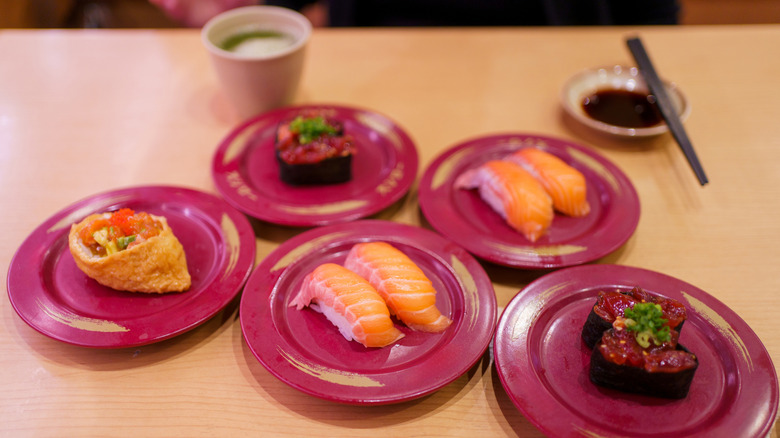
If you head to a sushi restaurant thinking that maki rolls are the only thing on the menu, you might miss out on something great. There's so much more on offer — not to mention that some restaurants don't even serve maki. For example, Chef Dung "Junior" Vo shares that at Kase x Noko, "We serve strictly nigiri, with the occasional hand roll or toast bite mixed in."
There are many other types of sushi you might encounter. Nigiri are molded piles of rice with a topping that is often raw fish, but can be slices of Japanese omelet or veggies, among other options. Temaki are known as hand rolls; these are larger cone-shaped pieces of sushi with various fillings rolled inside. Inari sushi consists of rice stuffed inside a pocket of seasoned tofu skin. Gunkan are mounds of rice, wrapped in nori with toppings such as cod roe. So, these are all keywords sushi beginners should know to help navigate the menu beyond the typical favorites. Learning about the types of sushi and what makes them unique might help you branch out and find new varieties to enjoy.
Not understanding omakase service
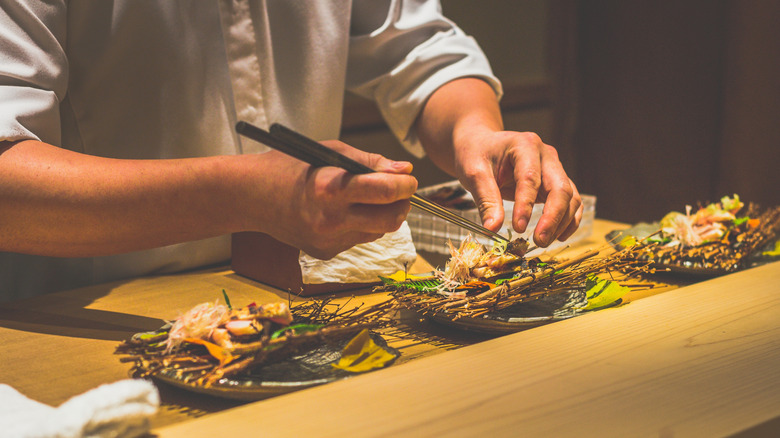
If you head to a sushi restaurant and it turns out to be an omakase joint, you might find out there's a lot you don't know about omakase. If you've only ever been to restaurants where you order from a menu or pick your food from a conveyor belt, it's a different beast. Omakase is all about letting the chef choose, providing you with a bespoke experience tailored to what's fresh and in season.
Chef Jongin Jeong explains, "In omakase service, sushi is served one piece at a time, in sequence, starting from one end of the counter." It's a multicourse meal, often with upward of 12 courses served at the bar. "It's best to avoid leaving for the restroom right before your turn to be served," Jeong adds.
The benefit of going for omakase is that it's a riveting experience. You can often see the chef preparing and plating the food, and you can learn to enjoy different chefs' styles, each with their own flair that makes the meal special. You don't have to pay a fortune for this kind of service, but it's typically a fixed cost, since you're not ordering from a menu. In some cases, though, it is high-end and pricey.
Letting sushi sit for too long
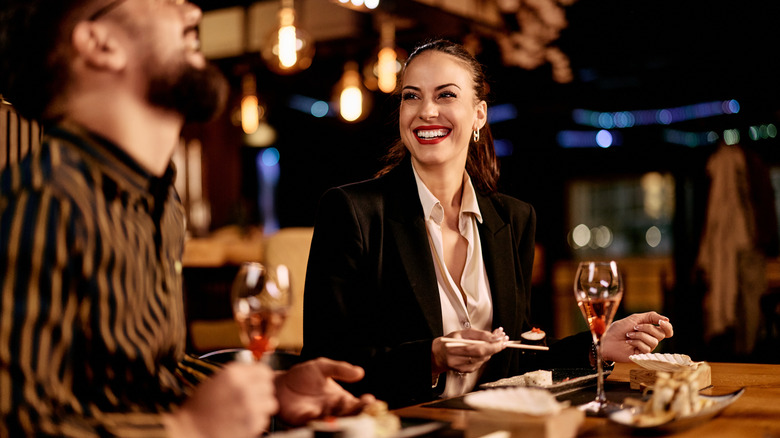
When you get served your pieces of sushi — whether omakase style or à la carte — it's a bad idea to let them sit for too long. Nevertheless, many customers are prone to committing this mistake. "One thing I often notice is guests letting the sushi sit instead of eating it right away after the chef serves it," says Emily Li. "This affects the taste of the sushi because the rice becomes cold and harder, and the soy sauce on top can dry out."
Jongin Jeong agrees and adds, "Sushi is most delicious the moment it is made. The chef prepares the fish and rice throughout the day for that moment of perfection. Leaving sushi on the board instead of eating it right away can be seen as a sign of disrespect for the chef's work." Understandably, you might just be enjoying the experience at a leisurely pace. However, while you certainly don't have to scarf it down, don't be too slow about it either.
Using too much soy sauce or wasabi
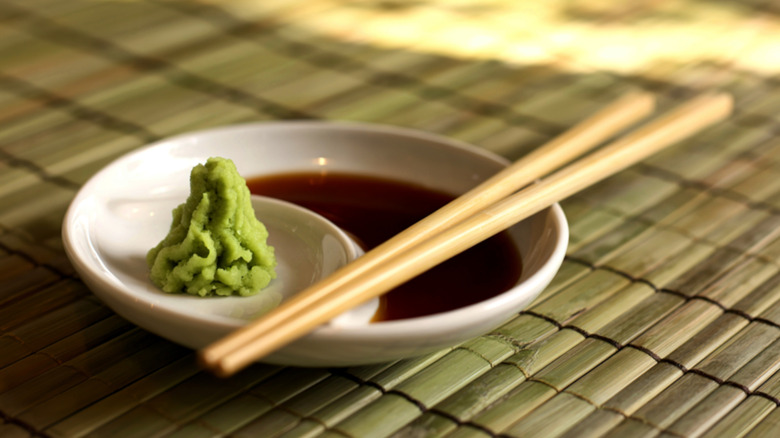
Soy sauce and wasabi are often available at sushi restaurants. However, people regularly use too much of them, which can negatively impact the meal. "Some diners request extra soy sauce or wasabi on the side, but using too much of either can cover the natural flavor of the fish," Emily Li remarks.
Finding the right balance is important. "With soy and wasabi, less is more," says Chef Junior Vo. "They're meant to enhance the fish, not mask or overpower it." He notes that everyone's palate is different but encourages guests to try the sushi the way it is, and only add more seasonings if needed.
Both soy sauce and wasabi have powerful flavors in their own ways, and there are several secrets about wasabi you probably didn't know. Soy sauce has a deep umami richness, while wasabi is spicy in a similar way to mustard or horseradish. So, they can easily overpower subtler flavors. You're better off being conservative with both and letting the sushi play the main role.
Dipping nigiri in soy sauce rice-side first
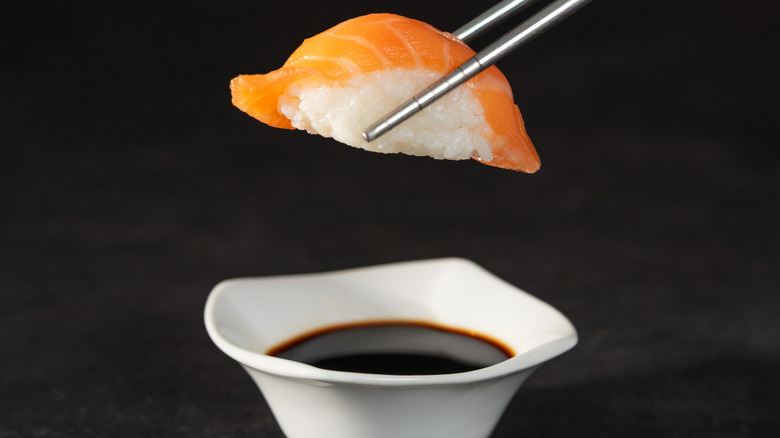
Nigiri sushi consists of molded rice, usually topped with a piece of fish or seafood. It can also be topped with another meat, vegetable, or omelet. In some cases, the topping is held in place with a strip of nori. "Traditionally, it's the fish side that touches the soy, not the rice," Chef Junior Vo explains. But getting this wrong is an easy mistake to make.
Despite the similar names, nigiri shouldn't be confused with onigiri, the latter of which is a type of Japanese rice ball. Nigiri also shouldn't be dipped into soy sauce rice-side down. This isn't because of etiquette or some unspoken rule. There's a practical reason. If you dip it rice-side down, it will absorb more of the soy sauce. The smoother surface of the fish (or other topping) doesn't pick up as much of the sauce, meaning you won't end up with an overwhelming salty flavor. It's a simple rule, but it will leave you feeling like a sushi pro.
Opting for the same things every time
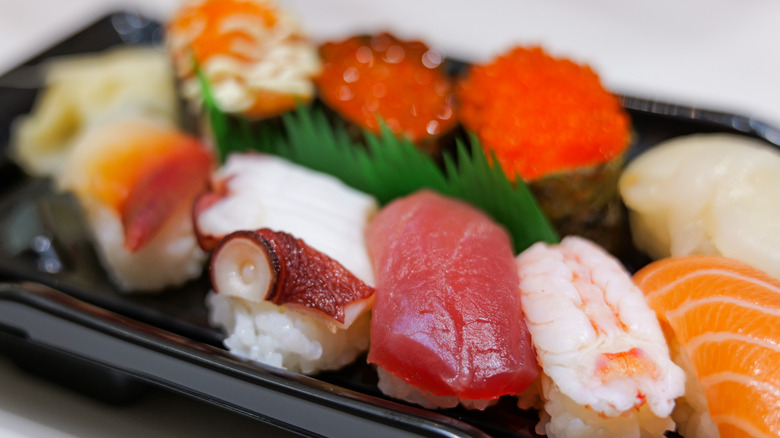
There's so much variety on a sushi menu that it's a mistake to opt for the same old avocado maki or California rolls every time. Branching out and trying new things is part of the experience. If you're worried you won't like something, you can always order a mix of old favorites and unfamiliar dishes.
Regarding restaurants that don't serve food omakase style, Jongin Jeong notes, "The items in the sashimi course that guests most often shy away from include squid, octopus, mackerel, and other bluefish, as well as fish liver (like Ankimo)." Folks are sometimes confused by the wealth of options, especially if they're new to sushi. However, don't be afraid to ask if you're unsure. The staff at the sushi restaurant will explain what everything is.
Emily Li remarks, "Sometimes guests feel a little hesitant about certain fish like kohada (gizzard shad), saba (mackerel), or uni (sea urchin) because of their stronger flavors or unique textures. But once they try them fresh and properly prepared, many are surprised by how balanced and delicious they are. I always encourage guests to keep an open mind because omakase is about discovery." However, Li assures us that the restaurant will always respect people's preferences if there's something they don't want to eat.
Sticking chopsticks in food upright

Generally speaking, around a quarter of the way through the 21st century, people aren't making huge mistakes with their chopsticks, especially in big cities. "If someone isn't [comfortable using chopsticks], they usually just ask for a fork," Emily Li says. But there is a potential for a big misstep here. If you stick chopsticks in food upright, you're making a serious etiquette mistake.
"Placing chopsticks upright in a bowl of rice is also a major taboo, as it resembles the way rice is offered to the deceased," Chef Jongin Jeong shares. "Likewise, passing food directly from one pair of chopsticks to another mimics the way bones are handled during cremation and is considered rude."
Other chopstick mistakes to avoid include sticking them in food like a fork and pointing them at other people, objects, or the chef. All are considered impolite. When you're not using your chopsticks, Li advises laying them horizontally on the rest provided.
Not using your fingers
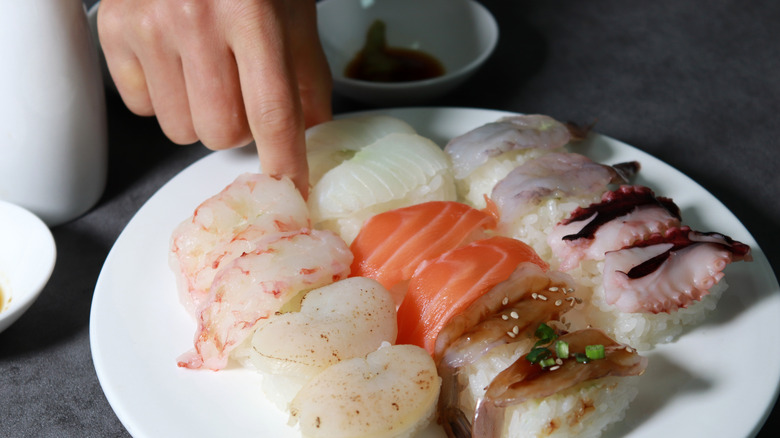
If you struggle with chopsticks, don't worry. You can always use your fingers. In fact, it's encouraged. "I recommend using your fingers," says Emily Li. "It's the traditional way and really enhances the experience." So, not only are you dodging any pesky chopstick etiquette issues, but by eating with your hands, you're actually eating sushi more authentically. This can be a relief for people who feel like they're wrestling with chopsticks or worry about getting it wrong.
Why should you pick up sushi with your fingers? "Eating with your hands helps preserve the ideal balance and allows you to feel the texture and craftsmanship of each piece," Li continues. If you're worried about a mess, there's a solution for that. She informs us that wiping your fingers lightly on a napkin after each piece of sushi is the way to go.
Asking for alterations — except in cases of dietary restrictions
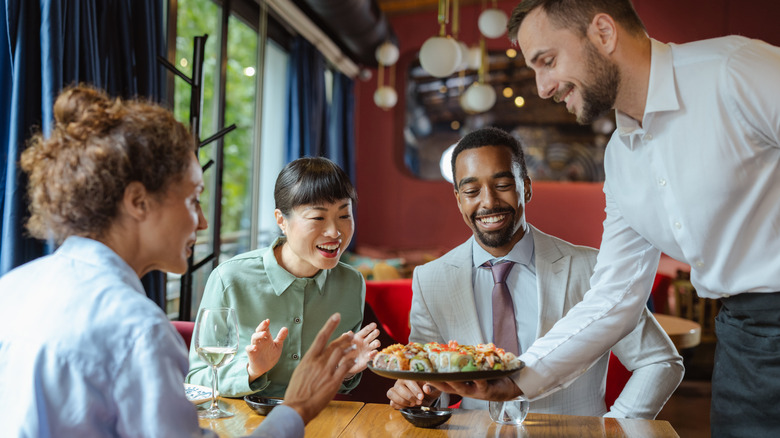
Turning up to a sushi bar with a huge list of dislikes and asking for alterations to multiple dishes may gain you an eye roll from the staff. It's even likely that requests to change dishes due to preference will be rejected, particularly at omakase restaurants and set menus. However, there is some leeway for special requests in case of dietary restrictions.
"When visiting an omakase sushi restaurant, the best way to enjoy the course is to try everything served, except for ingredients you truly cannot eat due to allergies or dietary restrictions," says Jongin Jeong. "Since omakase courses are designed from carefully selected ingredients, it is best to inform the restaurant in advance if there are items you cannot eat." If you turn up without having mentioned dietary restrictions, the restaurant may not be able to assist.
Some spots are more willing to make adjustments than others. "We always do our best to accommodate allergies or dietary restrictions," says Junior Vo. "The goal is to create a great experience, not a rigid one." Keep in mind that if you have severe allergies, not all sushi restaurants will be able to meet your needs.
Eating pieces of sushi in multiple bites
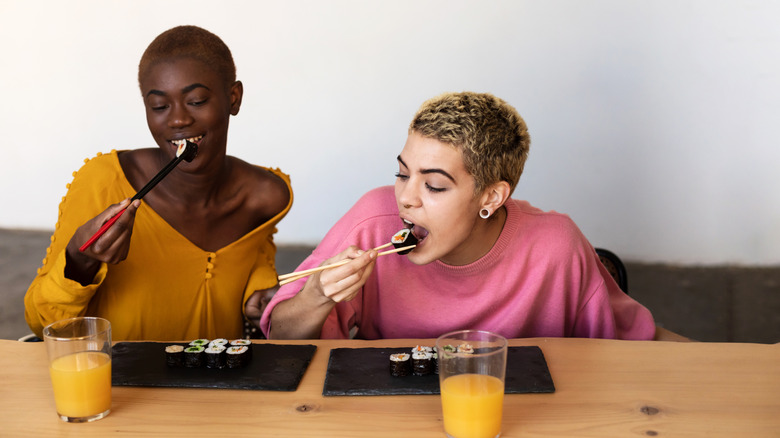
Trying to shove too much sushi into your mouth in one go might seem like a mistake. However, except in the cases of large sushi, such as hand rolls, the real slip-up is eating it in multiple bites. You should ideally aim to enjoy it how it was intended: in a single mouthful. Not only does it make a difference to the flavor, but it also avoids getting yourself in a situation where you've eaten half a piece of sushi and the rest is falling apart.
Jongin Jeong, chef of Sushi Ikumi, tells us that you should eat a piece of sushi in one bite. "Each piece is a complete composition of fish, rice, nikiri (sweet soy sauce), and wasabi," he says. "Taking a bite and leaving half disrupts that delicate balance." And it's not just sushi that this applies to. Across much of Japanese cuisine, many items are bite-sized and meant to be eaten with chopsticks.
Expecting soy sauce is always provided
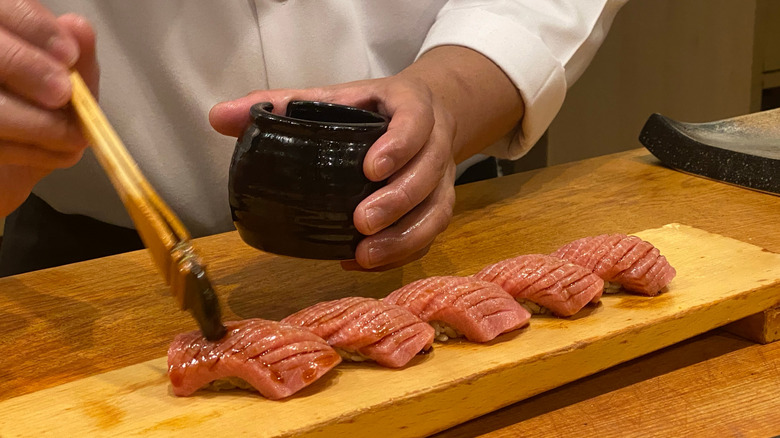
When you head to a sushi restaurant, it seems like a safe assumption that soy sauce will always be provided on the table. However, this isn't always the case. "During omakase, each piece is already seasoned by the chef, so it's best enjoyed as served," Emily Li tells us.
Jongin Jeong backs up the fact that soy sauce and wasabi aren't always provided on the counter. "In an omakase sushi restaurant, after confirming each guest's preferences, such as the use of wasabi, the chef completes each piece by brushing on nikiri (a soy-based sauce)," he explains.
While it's okay to ask for extra soy sauce if desired, it's not always the right choice for enjoying sushi as it was intended. Adding more can mess up the balance of the sushi and make it overly salty. If you're unsure, ask if the chef finishes the sushi with soy sauce. And, if you feel strongly about it, ask for more. But when it isn't provided, it's usually intentional.
Adding ginger or other pickles to pieces of sushi
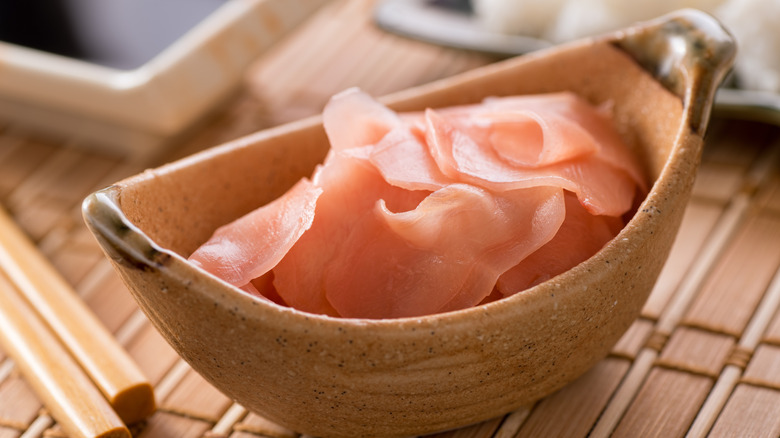
The pickled ginger that you get with your sushi is meant to be eaten between bites, not alongside them. If you've been eating it — or other pickled Japanese items — with your rolls or nigiri, you're not getting the most out of the experience. This might be one of the ways you've been eating sushi wrong this whole time.
"Ginger should never be placed on top of the sushi," says Sushi Ouji owner Emily Li. "It's meant to cleanse your palate between pieces." Chef Jongin Jeong agrees and mentions, "Adding gari (pickled ginger) or other pickles on top of sushi is discouraged –– it alters the intended harmony of flavors."
The real reason pickled ginger is served with sushi is to be eaten between courses or when you move from one type of sushi to another, like changing from delicate white fish to fatty tuna. It lets you more fully appreciate the flavors of the next thing you eat.
Taking too many photos

We get it. When you go out for a nice meal, you want to remember the experience. But if you take too many photos or spend minutes getting the angle and layout just right, that's a mistake. It's better to appreciate the experience of dining out and eat the food at its best rather than get the perfect Instagrammable shot.
"Photos are welcome," says Emily Li. "But take them quickly so you don't miss the optimal time to enjoy each piece." After all, sushi tastes best right away, meaning the perfect moment to eat it is when it hits the table. Leaving it sitting too long will affect the texture and flavor. So, when you waste time setting up a shot, your food won't be as good as it could be. Plus, it can be distracting for staff, chefs, and other diners if you're excessively staging your photos.
Wanting to choose your own dishes
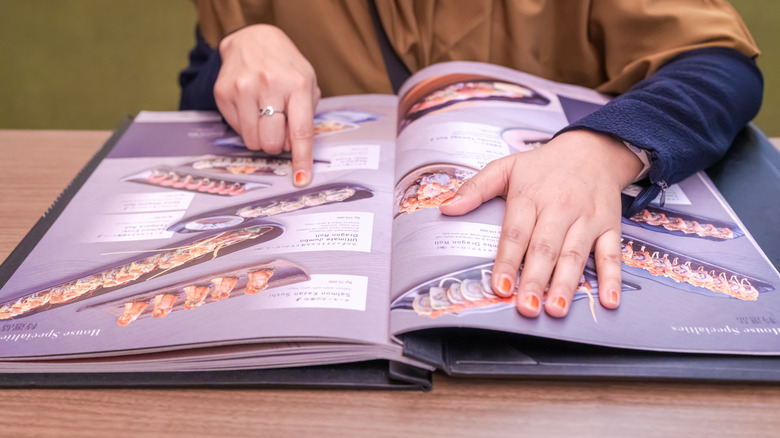
If you come to a sushi restaurant expecting to choose your own dishes from the menu, you might end up disappointed. Not only that, but you could end up with a worse selection than if you let the chef choose for you.
"Guests who come to an omakase restaurant like Ikumi are there to enjoy the daily selection chosen by the chef," says Jongin Jeong. "The chef carefully selects the best fish of the day and creates a course that showcases their skills and sensibility." While we all have our favorite dishes, our comfort picks limit us. "I wish more people gave ikura and eel a chance," says Junior Vo. "Ikura has this amazing texture and flavor (it pops in your mouth), and eel surprises a lot of people once they try it prepared right."
When you go to a restaurant where the chef designs a small set menu, you might end up trying something you wouldn't have picked otherwise and discover new favorites. It also means that you're likely trying the freshest, best ingredients available. Leaving it in the hands of the chef is your best bet.
Being worried about doing things right
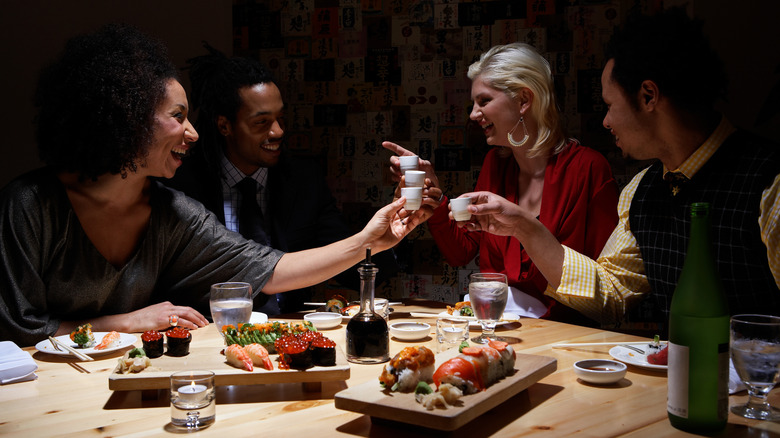
Although there are plenty of mistakes you might make at a sushi restaurant, it's also important to be respectful of the staff and try to get the best out of your meal. Ultimately, you shouldn't overthink it. If you spend the whole time worrying about doing things the right way, you might not have a very good time.
"The best experiences happen when guests are curious and relaxed," says Junior Vo, chef at Kase x Noko. "There's no single 'right' way to eat sushi, just respect for the food, the chef, and the people you're sharing it with." Beyond that, don't sweat it or be afraid to ask questions. "I tell guests all the time: eat how you're comfortable," Vo adds. "Sushi shouldn't feel intimidating. It should feel like you're sitting down for a meal at home with people you enjoy."
It's okay if you don't know everything. If you're willing to try new things and learn from the experts, and you're respectful of the cuisine, you're sure to have a great time.