

16 Microwave Hacks Home Cooks Should Know
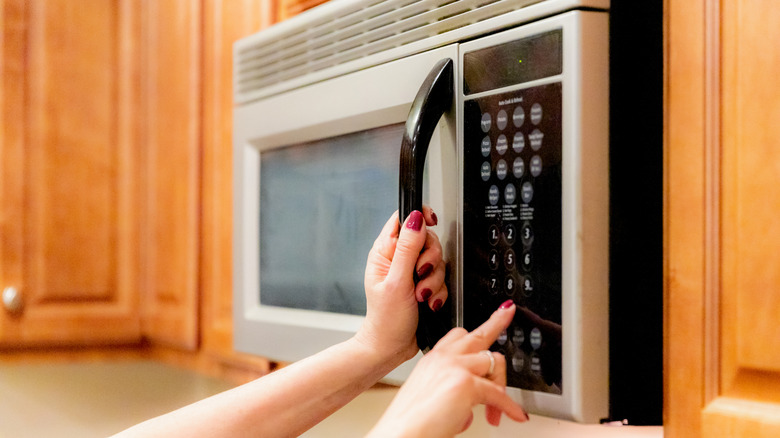
The first patent filed for the microwave was all the way back in 1945. Five years later, the first microwave came to life, and it weighed a whopping 750 pounds. What's even crazier is that you'd have to shell out $52,000 nowadays to get your hands on it.
Thankfully, modern microwaves are much smaller and accessible. Even though the technology behind microwaves is fascinating, most home cooks only use them for heating up leftovers. This isn't without complaint, though. From frustrating cold pockets to undesirable textures, the microwave is an appliance that some people have sworn off entirely.
As it turns out, you may be judging this humble appliance unfairly. There are tons of clever tricks that microwaves can perform, and most people don't even know about them. How can you get more out of your microwave? Read on for 16 microwave hacks that can revolutionize the way you cook.
1. Create crispy garnishes without frying in a pan

Rice bowls, soups, salads, pasta dishes, and even proteins can taste so much more gourmet with the simple addition of a crispy garnish. Fried onions, shallots, and garlic may taste incredible, but most home cooks can't be bothered to heat up an entire pan and deal with the splattering mess of frying these garnishes.
One of the most brilliant microwave hacks is that you can use the microwave as a mini fryer. All you need to do is add the desired amount of your chopped garnish to a small glass bowl and fully submerge everything in a neutral frying oil. Set your microwave for 3 minutes on full power to let the magic happen. Afterward, you'll notice that a lot of steam has escaped and your garnish has shriveled. From there, pop it in the microwave for about another minute while keeping a close eye on the color. Once the garnish looks golden brown and crispy, it's ready to eat.
2. Poach eggs in a quicker and less stressful way

Many novice home cooks are afraid of poaching eggs. Getting the ideal water temperature, creating a swirl in the pot, and removing the egg at the right time without breaking the yolk can make even more experienced chefs clench up. How much more often would poached eggs be on the menu if you knew that you could use a hands-off approach with your microwave?
First, fill a small glass bowl with about ¼ cup of water. Zap it in the microwave for a minute or so until it's piping hot. Next, crack your egg into the bowl. Using any utensil, poke some holes around the egg white to prevent an explosive accident in the microwave. The most important step is then covering the glass bowl with some plastic wrap.
Adjust the power level of your microwave to 50%, then cook the egg for 45 seconds. This will help you achieve that perfect runny texture. Let the egg continue cooking a little bit more by resting in the covered bowl on the counter for another minute before carefully transferring your egg to your plate.
3. Bring stale bread back to life

Throwing away a beautiful piece of bakery bread because it's stale is devastating. It's even worse when you've baked a loaf from scratch. While there are plenty of delicious ways to use up stale bread, you may have been craving one particular dish and don't want to run to the store to pick up more bread. The good news is that your microwave can revive your stale loaf.
To get the best results, you'll need a microwave and toaster oven. Wrap your loaf in a damp paper towel and microwave it for only 10 seconds. During this time, the bread will soak up some much-needed moisture. The real kicker is to then set the bread in a toaster oven on the first setting to restore the gorgeous, crackly exterior. The inside will be nice and fluffy, while the outside has a fresh crunch.
4. Enjoy dreamy fried potatoes by using the microwave first

Home fries are arguably one of the best breakfast side dishes, but they also work well for lunches and dinners. Babysitting the potatoes while they pan-fry can be a bit daunting at times, though. It's torture when you're starving and want to dig into your breakfast of champions.
Your microwave can not only expedite the cooking process a great deal, but it can also ensure your potatoes are cooked through evenly every time. No more surprise crunchiness when the exterior looks close to burning.
Prep your potatoes, line them up on a glass dish, cover them with a damp paper towel, and microwave them for 5 to 6 minutes. The microwave will cook the potatoes from the inside out due to the high water content, without drying them out. Chop your potatoes as you normally would, and continue with the cooking process. The only difference is that the potatoes will be done much sooner. You can make home fries, french fries, and other types of potato dishes faster with the microwave.
5. Soften sticks of butter perfectly by microwaving them vertically

We've all been desperate for softened butter when we're excited to bake or simply have spreadable butter for toast. When the craving strikes for baked goodies, we want them as soon as possible rather than hours later. Instead of kicking yourself for not setting out a stick of butter sooner, let your microwave do the heavy lifting.
It's understandable if you have doubts. Popping a stick of butter in can lead to weird pooling and parts that are still hard. The trick is to turn the stick up on its end so it stands vertical.
King Arthur tested a bunch of ways to get softened butter quickly, and this method was the winner. Stick your vertical stick of butter in the microwave for 7 seconds, take it out, flip it so the other end is on the bottom, then microwave for another 7 seconds.
6. Get more juice out of citrus fruits by zapping them in the microwave for 30 seconds
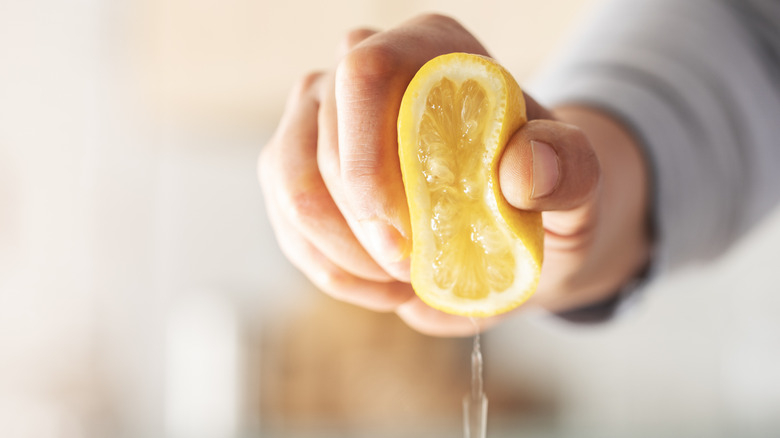
Have you ever battled enough lemons in the kitchen to make your hands sore the next day? Working with citrus fruits can be frustrating because they hold so much liquid, but you really need to work for it. If you microwave your citrus fruits for 30 seconds, you'll be surprised by how much more you can get out of them with a fraction of the effort.
The reason this works is that the microwave softens the fruit's strong membranes that hold the juice. Now you don't have to worry about boosting your grip strength to superhuman levels to show those lemons who's boss. This trick is also helpful for citrus fruits that aren't quite as ripe as you'd like them to be since they're even firmer. You'll be able to make creamy lemon pasta, fresh orange juice, or key lime pie with ease.
7. Make healthier microwave popcorn with a brown paper bag

Don't get us wrong, microwave popcorn can be the perfect guilty pleasure. It's convenient, it makes your house smell divine, and it's the perfect companion for your at-home movie nights. However, microwave popcorn has a lot of dirty secrets.
Most brands use bags that contain high levels of PFAs, which are also known as "forever chemicals." PFAs are toxic and wreak havoc in your body because they refuse to break down. Over time, this exposure increases your risk of cancer, liver damage, decreased fertility, and so much more. Everyone should know how to make stovetop popcorn the good old-fashioned way, but sometimes you want popcorn without taking out a big pot and jiggling it for several minutes while the kernels pop.
Instead of buying overpriced bags of popcorn at the store, you can make your own microwave popcorn with a brown paper bag. Dump ⅓ cup of popcorn kernels into a medium-sized brown bag and microwave it for 1.5 to 2.5 minutes. The exact time will depend on the sounds you hear. If a couple of seconds pass without hearing more pops, you know it's done. Afterward, you can pour as much melted butter and salt on top as you want.
8. Reheat frozen soups more effectively by using 50% power

Soup is the perfect meal to make in big batches because most recipes freeze well. The only issue is that getting your frozen soup nice and hot again can sometimes be a pain. You may not want to let the frozen chunk simmer in a pot for a long time to avoid scalding some bits. Microwaving soup is also annoying because you're always left with weird icebergs that refuse to capsize and a pool of magma at the bottom.
Instead of being diligent about pulling soup out the night before so it can thaw in the fridge, you can use your microwave in a different way. Microwaving your bowl of soup for around 8 minutes at only 50% power gives your soup time to melt evenly because the heat can distribute better. You'll be surprised when you pull the bowl out, and the texture and temperature are perfect.
9. Say goodbye to messy, burnt caramel sauce
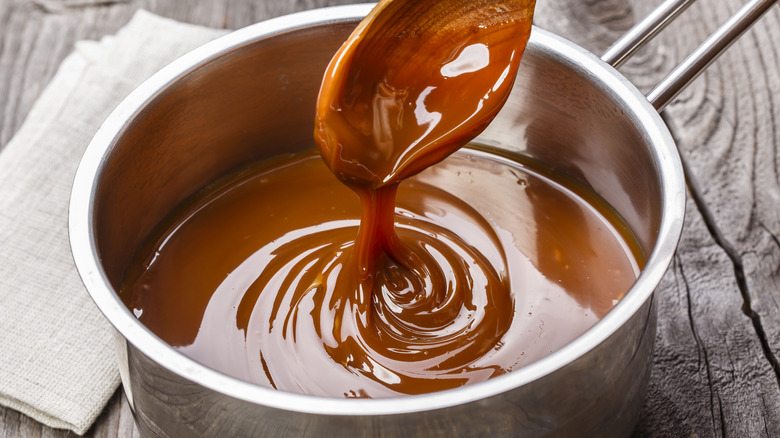
Learning about the science of candy making is enough to make your head spin. With precise temperatures and techniques, it's understandable if you feel put off from experimenting. We can thank the wonderful food nerds from "America's Test Kitchen" for inventing a caramel recipe that comes out perfect in the microwave.
The recipe calls for adding 1 cup sugar, 2 tablespoons corn syrup, 2 tablespoons water, ¼ teaspoon salt, and ⅛ teaspoon lemon juice to a glass measuring cup. The recipe testers microwaved this mixture for around 5 minutes, but it could also take up to 8. The key is to stop heating once the mixture turns into a golden honey color that's about to start browning. Next, let it rest on the counter for 5 minutes. It will continue to darken and thicken.
Once the mixture has rested, the final step is to mix in a tablespoon of butter and ½ cup heavy cream that's been heated a few tablespoons at a time to ensure everything blends. Voilà! You've got homemade caramel sauce that wasn't stressful to create.
10. Pop a whole head of garlic in the microwave to make peeling easier
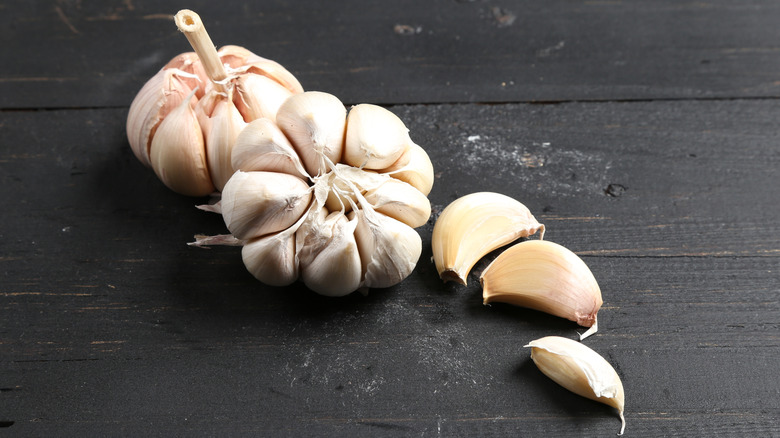
Lots of people think that spending 10 minutes peeling a few garlic cloves is just a normal hassle during food prep. If you're among this crowd, then you're peeling garlic wrong. There are plenty of clever hacks for peeling garlic online, but one of the simplest ones is zapping an entire head in the microwave for 20 seconds.
Before sticking the head in there, be sure to slice the top off so that the cloves are exposed. After 20 seconds pass, you should be able to effortlessly pluck each clove out while leaving the skin behind.
Since this method involves chopping the entire head, it's best to use it when you're making a recipe that calls for plenty of garlic. Since the cloves do get cooked the slightest bit, you may be able to detect a faint difference if your taste buds are garlic detectives. For the average home cook, this method should be just fine.
11. Microwave rice for a surprisingly beautiful texture
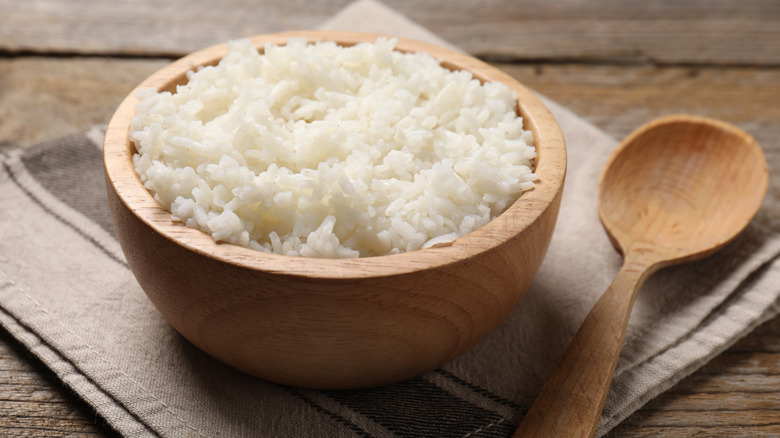
Whether you're living in a studio or college dorm with a frustrating lack of kitchen storage space or you're just tired of clutter, you may need to be highly selective when it comes to buying bulky appliances and gadgets. If you're a rice lover who cooks with rice several times a week, then there's no denying that a rice cooker is worth the kitchen space. It offers hands-free cooking, plus it creates fluffy rice every time.
However, there are plenty of home cooks who aren't ready to take the leap yet. Instead of worrying about burning the bottom of your rice on the stove, you can use the microwave. Add 1 ½ cups rice and 2 ½ cups water to a glass container that has a lid and microwave it for 5 minutes, then turn the power level down to 50% and continue cooking for another 15 minutes. Just make sure to loosely rest the lid on top rather than creating a tight seal so the steam has room to escape.
It's true that this takes roughly the same amount of time as cooking rice on the stove, but you don't need to keep an eye on it. Also, you can eat the rice in the same dish rather than feeling like a barbarian eating directly out of a pot.
12. Make effortless corn on the cob by microwaving with the husk

The most common way that people whip up corn on the cob is by removing the husks and boiling the corn in a large pot of water for a few minutes. This method will certainly yield sweet, crunchy results, but you can save yourself a lot of effort by making microwave corn on the cob instead.
The most appealing fact of the matter is that microwaving your corn on the cob doesn't require removing the husks. The husks lock in steam, which will keep the kernels nice and juicy. Once you're ready to eat the corn, you'll notice that it's much easier to remove the husks and pesky corn silk compared to when the corn is raw. The corn also stays warm wrapped up in the husk, so this gives you plenty of time to finish preparing the rest of your meal. You'll love having the extra stove space as well.
13. Toast nuts without burning them

One of the worst mistakes everyone makes when cooking with nuts is toasting them for too long in a pan. Not only is it frustrating to have to start all over again with a new batch, but you also wind up feeling guilty about wasting expensive nuts. As it turns out, switching from the stove to your microwave can prevent this catastrophe from happening ever again.
Your mind will be blown once you realize how simple and effective this method is. Pour any nuts of your choice onto a glass plate and smooth everything out so there's no overlap. Each nut should be flat so it can heat through evenly. Pop this plate into the microwave for 4 minutes, then crack one open to see if the inside is still white or a toasted color. You may need to give the nuts a little stir and put them back in for another 30 seconds or so to get perfect results.
14. Dry fresh herbs in the microwave to preserve flavor and color

Fresh herbs can be a beautiful garnish and give decadent dishes some lightness. They can also be a major ingredient in several recipes, such as basil pesto or falafel. Unless you have your own garden where you can control how much you harvest at a time, working with fresh herbs can be a real pain. Grocery stores always seem to sell bundles that are too big for what you need.
There are some handy tricks you can use to keep those herbs fresh longer. The simplest thing is to store them in a glass jar with some water. This step can only take you so far, though. Sooner rather than later, your fresh herbs will wilt and lose their flavor.
Stop letting your herbs get to this point. Once you realize you're not going to be able to use everything in time, you need to turn to your microwave. First, pluck the herbs that you want to eat off the stems, then arrange them on a glass plate that's covered with a sheet of paper towel. Don't overcrowd because this will impact the drying process. Next, cover the herbs with another sheet of paper towel. This will ensure that both sides of the herbs are able to dry thoroughly. Microwave the plate for a minute, then continue with 20-second runs until the herbs are dry. Keep them in an air-tight container until you're ready to use them.
15. Microwave mushrooms and eggplants before pan-frying to use less oil
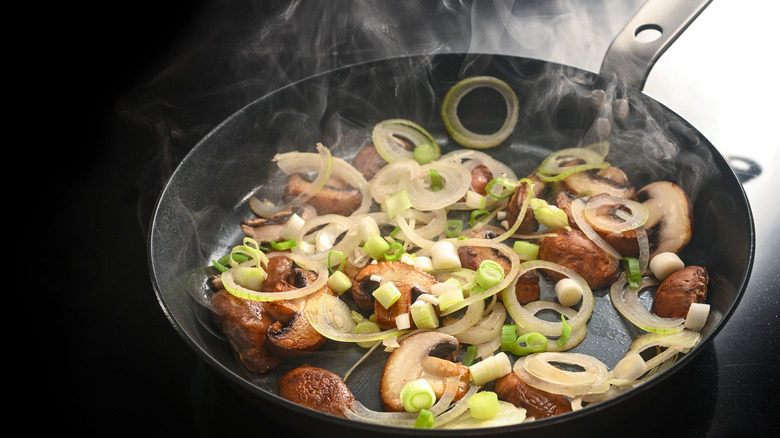
Have you ever noticed that mushrooms seem to be the thirstiest ingredient on the planet when you're trying to pan-fry them? They consume more olive oil than a person following a Mediterranean diet. If you're tired of pouring so much oil into your pan whenever you're in the mood for mushrooms, your microwave can sort this issue out.
Mushrooms are quite porous, which means they can hold onto a lot of water and oil. To combat this, you can zap them in the microwave for about a minute. This will turn the water trapped inside the mushrooms into steam. Another cool fact is that getting rid of that moisture will also concentrate the wonderful umami flavor. Afterward, you can pan-fry them as usual while only using a little bit of oil. If you're a fan of eggplants, you can use this same technique for similar results.
16. Deep clean your microwave with a bowl of water and lemon
After using all of these microwave hacks, your appliance could use a good cleaning. We all know the horrors of how some types of foods splatter all over and harden like concrete. You'll be relieved to know that you don't need to wear out your sponge and exhaust your arms to get it sparkling again.
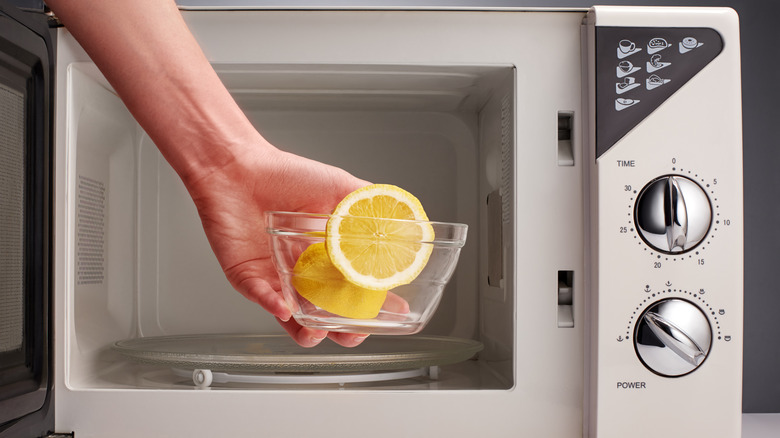
You can help your microwave clean itself by running it for 3 to 5 minutes with a bowl of water inside. All of the steam that the hot water emits will soften the crusty remnants, which will make wiping down the interior a breeze.
While it's not necessary, many home cooks love slicing a lemon in half, squeezing the juice into the water, and placing the halves in the bowl as well. This will give your kitchen a refreshing smell that makes everything seem even cleaner.