

15 Must-Try Appalachian Dishes That Define Mountain Cooking
You've heard of Southern comfort food and country cuisine, but mountain cooking may have escaped your notice. Even if it shares similarities with many cultures and cuisines, Appalachian Mountain cooking has a down-home, earthy twist that is all its own. I was born and raised in Appalachia, and while I don't claim to know everything about the culture, I have come in contact with quite a few of the region's customs. Food is cherished in Appalachia, both as a means of survival and as a tradition that gets passed down for generations.
Cooking isn't just about creating in the kitchen in Appalachia; it's about being close to nature. Many ingredients are found as close as a stone's throw away from the porch. Hunting and gathering are at the foundation of many of the region's dishes. Food that can be foraged in the woods, hunted, grown, or raised is fair game and fundamental in Appalachian cuisine. You may recognize a lot of these defining dishes, but if you've never tried it the mountain way, you're really missing out.
Chicken and dumplings
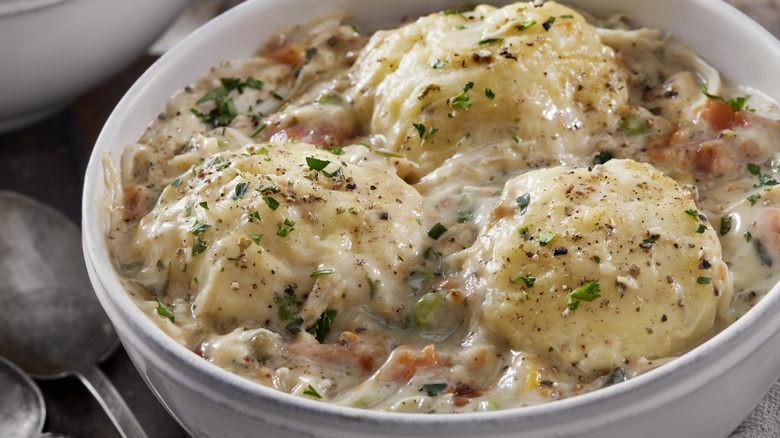
Even if you're not from Appalachia, you may be thinking of chicken and dumplings. This is a distinctly different dish from the steamed or fried wontons you'll find at Asian restaurants –– chicken and dumplings consists of a thick chicken soup or gravy that is topped with doughy biscuits.
There are many different versions of the plate, mainly because it's easy to make from leftovers. The soup can be thrown together from scrapped chicken and veggies, then thickened up with a simple addition of milk and flour. Biscuits are also a regular occurrence in an Appalachian household, so this dish is almost effortless to whip up on a whim.
Not only is chicken and dumplings easy to make, but it's filling. The calories from the biscuits and chicken are substantial, making this a well-rounded main course that doesn't need sides or anything fancy served next to it. I've never met anyone unhappy about sitting down to a table topped with chicken and dumplings, either.
Soup beans
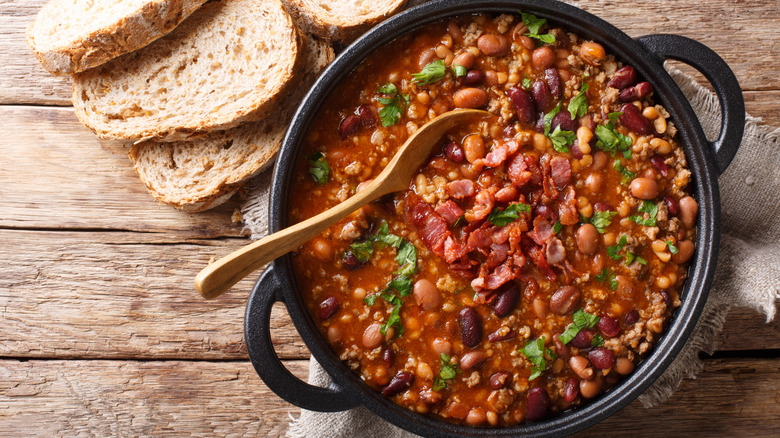
You've likely heard of bean soup, but maybe not soup beans –– and there is a slight difference. Beans are one of the foundational ingredients of mountain cooking, as they are affordable, have a long shelf life, and pair nicely with pretty much anything. One of the most basic dishes you can regularly find cooked in Appalachia is soup beans, because of their utter simplicity.
This dish consists of pinto beans that are cooked with bacon or ham hock, along with spices and finely chopped onions. These beans are left with a nearly soup-level gravy that can be sopped up with accompanying cornbread drizzled in honey. The protein-packed meal is an incredibly affordable way to feed a family something nutritious and filling.
The great thing about soup beans –– other than being a satisfyingly tasty meal –– is that they're typically made in bulk. The plate is eaten over the course of the next few days, and smaller families may even freeze a considerable portion of their yield for later.
Chitlins
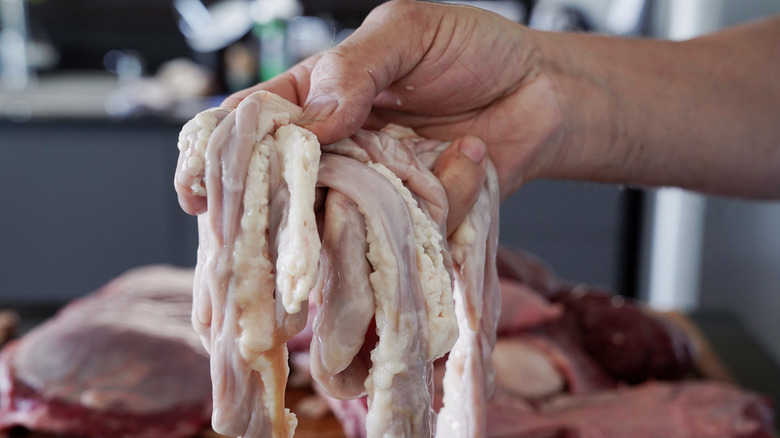
I'm going to be honest, chitlins are a hard dish to swallow for those who haven't grown up eating them. In fact, for many people raised on this traditional dish, the nostalgic factor is why they enjoy it. A food that Appalachia shares with many cultures and regions, chitlins consist mainly of fried pig intestines. When done right, they're a tasty meal.
Preparing and cooking chitlins (sometimes referred to as chitterlings) is not a pretty sight. The intestines start stuffed with digested food (yeah, it's poop), which needs to be completely cleaned out before cooking and consuming. The membrane is also peeled from the outside of the intestine, then they're washed a final time before boiling and frying.
Making and cleaning chitlins is a real labor of love, which is one of the reasons the dish has been passed down for so many generations. The effort put into using every part of the animal is a foundational aspect of mountain cooking, and the hours dedicated to chitlins are well worth it for the cultures that enjoy them.
Ramps
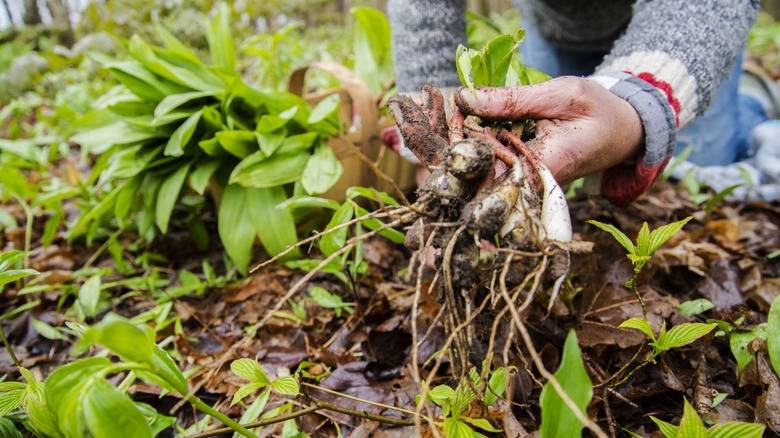
What a lot of people get wrong about Appalachia is that the region is incredibly biodiverse. These mountains that run down the eastern side of the U.S. are home to plants you may not have even heard of, some of which are quite tasty. Ramps are one such plant, and this aromatic green is a kind of spring onion or leek. These can be pulled from the ground throughout the wild region of Appalachia.
Foraging for ramps is a great way to add flavor and nutrition to a meal for the low cost of zero dollars. Many mountain kitchens will use the entire plant, from the leafy top to the small onion root. This ingredient can be used in many ways, including fried or sautéed and added to eggs or potatoes. It is great in soups, used as a flavor-packed garnish, or thrown on top of any main or side dish. It's an Appalachian staple, both for its affordability and flexibility.
Kilt greens
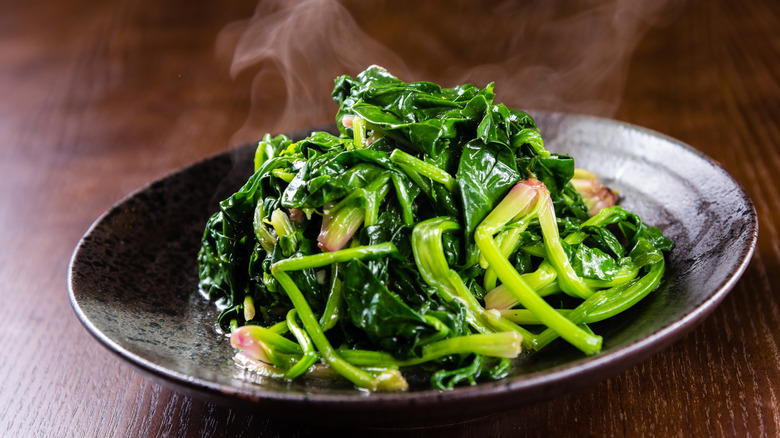
One of the simplest things to cook in an Appalachian kitchen is kilt greens because they can be made with pretty much any leafy green. This dish is also an easy way to use leftover bacon grease. Mountain kitchens are typically stocked with bacon grease, and it's implemented almost daily for some Appalachians. Just add some of it to a pan, throw in any leafy greens on hand, and after they've wilted in the hot grease, you have yourself some kilt greens. These can be used as a side dish or added to a more elaborate plate.
If any one preparation defines mountain cooking, it's kilt greens. The simple salad is a cut-and-dry way to live off the land. Major bonus points if it's made with foraged ingredients. Dandelion greens and ramps are popular and abundant vegetation for foragers in the region and can even be easily grown in gardens.
Grits and spoon bread
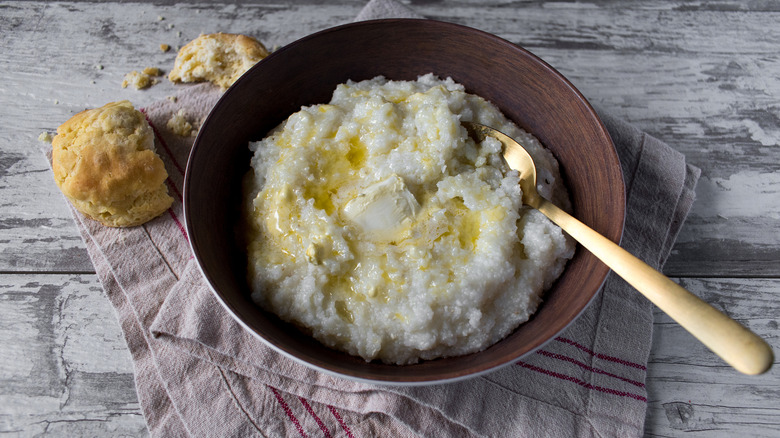
Grits and spoon bread are Southern classics, and Appalachia embraces both of these traditional dishes. The staple starches are similar to cornbread –– their more mainstream cousin –– but have a few key differences. While each one is made from cornmeal, they have completely different textures and consistencies. Grits are a finely ground oatmeal-like concoction. Alternatively, spoon bread is like a hybrid of cornbread pudding, known just as much for its custard-like texture as its sweet and savory taste.
Grits taste pretty mild and are often paired with other savory ingredients, such as butter or bacon, to enhance their flavor. Shrimp and grits is now a very popular combination that has popped up at restaurants outside of Appalachia and the South. On the other hand, spoon bread is typically its own side dish and is seen as a more indulgent corn-based starch. Since the base of both foods is cornmeal, the ingredients to whip up grits or spoon bread are typically at hand in any Appalachian kitchen.
Hoe cakes
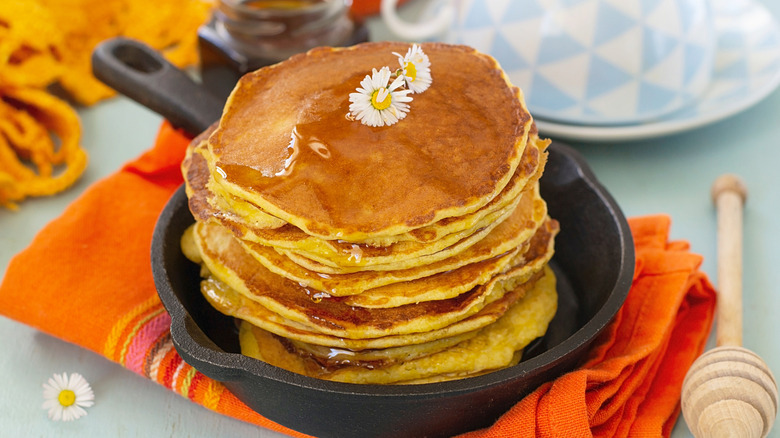
Hoe cakes have a few variations, including fried bread. Although there are subtle differences, Appalachia takes its bread very seriously. In fact, the region has many bread recipes in its repertoire. Hoe cakes are sometimes cooked in cast iron with tons of butter –– I'm talking a Paula Dean amount of butter. Actually, about half of the entire recipe for hoe cakes is butter, as the cornbread-like pancakes are practically submerged in it. Bacon grease can also be used, resulting in a heartier, more savory dish.
In other cases, hoe cakes are very close in resemblance to a stack of pancakes that have been cooked individually in a cast iron pan. These can be topped with butter, honey, or maple syrup. The texture is very similar to pancakes as well, but they are still corn-based and have a slightly different taste than the flapjacks you are likely used to.
Deer jerky
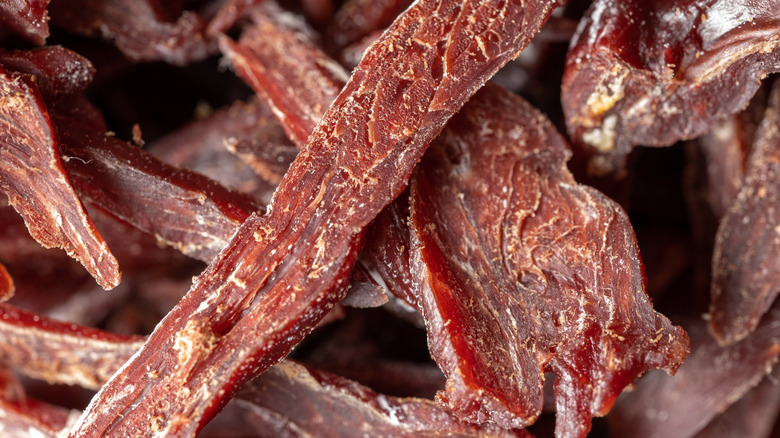
Deer season is beloved in Appalachia, and not just because Appalachians love to hunt. Deer jerky is a treasured dish that usually provides an abundance of food, allowing families to have snacks on hand for ages and share them with their neighbors. If a hunter is lucky or skilled enough to secure even one deer during the season, it can provide enough meat for a family to enjoy for months. For some people in Appalachia, this is vital to their meal plans.
There are plenty of dishes that can be made with venison. Deer jerky, however, is not only tasty but also incredibly practical. Turning meat into dried strips keeps it shelf-stable much longer and makes for a convenient and portable snack. It's not abnormal for Appalachians to carry around jerky on fishing trips and long stints from home. It's also an ideal gift to share with others in the community during the holidays, as it's always a welcome treat and a truly thoughtful gesture.
Chicken fried steak
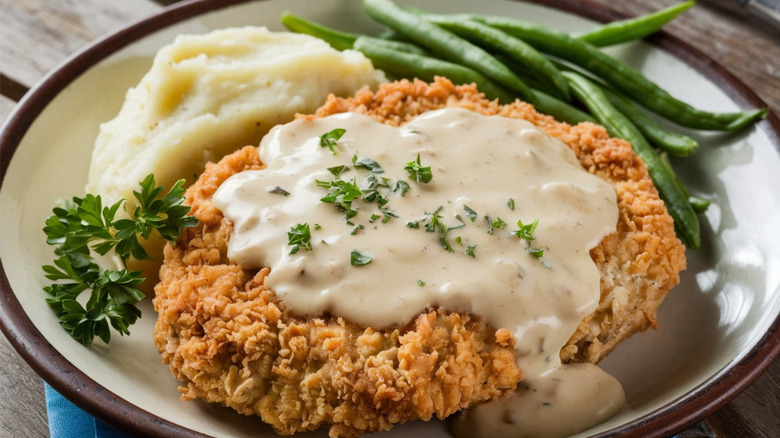
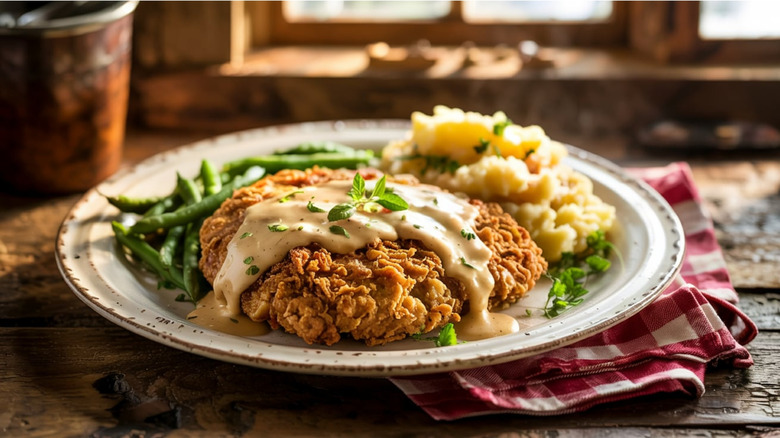
Chicken fried steak (or country fried steak) is one of those dishes whose name can be a little misleading if you aren't familiar with it. There's no chicken involved at all. In reality, it consists of a cut of cube steak that has been beaten flat, soaked in buttermilk, battered, and fried. The poultry part of its name comes from the fact that it resembles fried chicken and follows a similar frying method.
Typically, this Appalachian dish is smothered in gravy. This can be made from the beef drippings for added depth, resulting in a beautiful blend of crispy, creamy bites and savory flavor. Chicken fried steak is sometimes served over mashed potatoes with the gravy ladled on top. You can prepare it with whatever veggies you have on hand, just try to avoid these common mistakes everyone makes with country fried steak.
Salted tomatoes
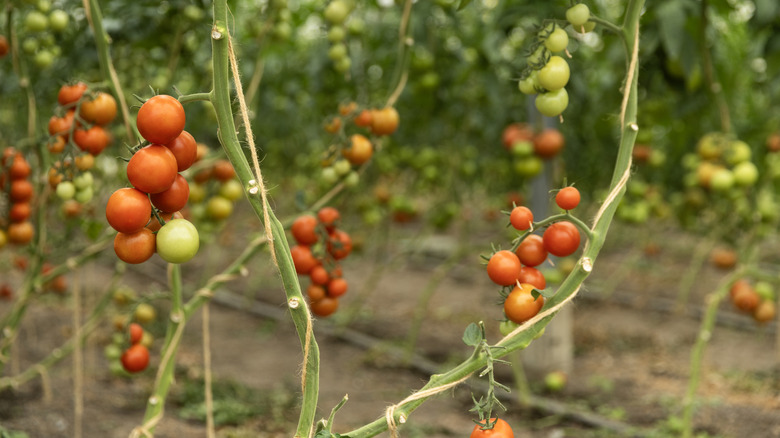
Any Appalachian cook with the smallest of gardens typically has a tomato plant or two growing in the summer. Tomatoes are the ultimate warm-weather food, from tomato pies and fried green tomatoes to sauces and salsas. Since Appalachians are all about simplicity, though, they know not much can beat the taste of a salted and sliced homegrown tomato.
I can eat a garden tomato like an apple and be happy, but put a few chunky slices with salt in between two slices of bread, and you have a surprisingly satisfying lunch. A plate of salted tomato slices is a decent snack in itself, versatile enough to complement cheeses and meats. When you've got the fruit growing in the yard, a lot of the time it doesn't even make it into the kitchen. Appalachians are known to eat tomatoes as they are picked, and luckily, they don't all ripen on the vine at the same time, making for good snacking throughout the season.
Fried fish and fish cakes
Cooking in the mountains involves plenty of hunting and gathering, and that includes fishing. Hunting and fishing are favorite pastimes of many Appalachians, both of which provide an important source of food. That is, as long as your catch upholds local fishing laws and requirements, which can be pretty tricky. Nonetheless, those who can take their fish home have plenty of options when it comes to preparing the protein.
Many Appalachians know how to gut and clean their own fish, and it's part of the labor of love that comes with crafting a meal from their catch. After the meat is prepared, frying is typically the preferred method of cooking. Trout and bass are common Appalachian species, and when caught, they're usually coated in cornmeal and fried in bacon grease. If there are leftovers, they can then be made into some pretty tasty fish cakes.
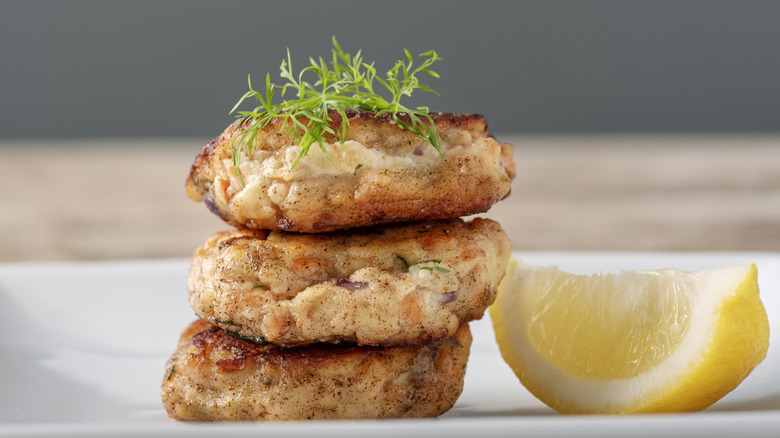
Salmon isn't found in Appalachia, but salmon fish cakes are a popular recipe made from canned salmon. This could stem from the cans being an affordable and subsidized option during the Depression era, a time when many poor Appalachians used government assistance for food. Those in the mountains remember their roots, and salmon cakes remain a common dish in the region.
Fried morels
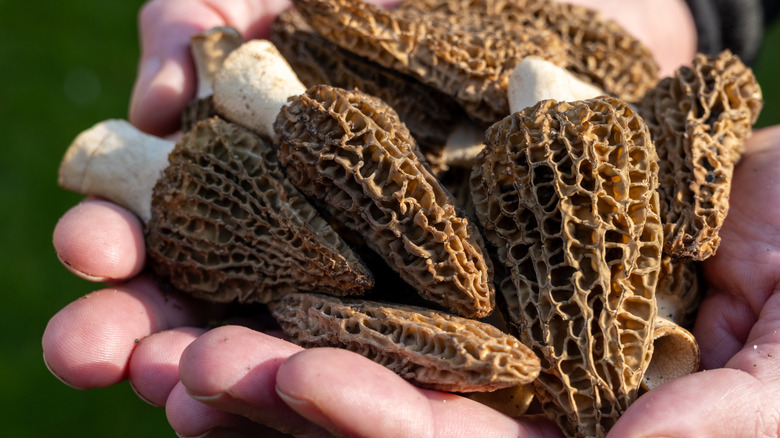
Everything that's hunted, fished, or gathered can feel like a delicacy, which is one of the beautiful things about eating off the land as many Appalachians do. Morels, however, are one of the most sought-after and coveted foods in the region, and they're genuinely classified as a luxury. Usually, you have to forage for these mushrooms yourself because those who know where they grow often aren't willing to share.
The hype behind these desirable mushrooms is well-deserved. They have a very short growing season and require highy particular conditions to develop (which is why morels are so expensive). They can be found in the woods sprouting up near downed trees, and their distinct look makes them easy even for beginner foragers to identify. They'll cost you a lot if you can find them in stores, which makes them little treasures to spot in the forests. The fungi can be taken home to fry or cook in butter. Bringing in even the smallest amount of these mushrooms will be the highlight of the day for any Appalachian household.
Blackberry cobbler
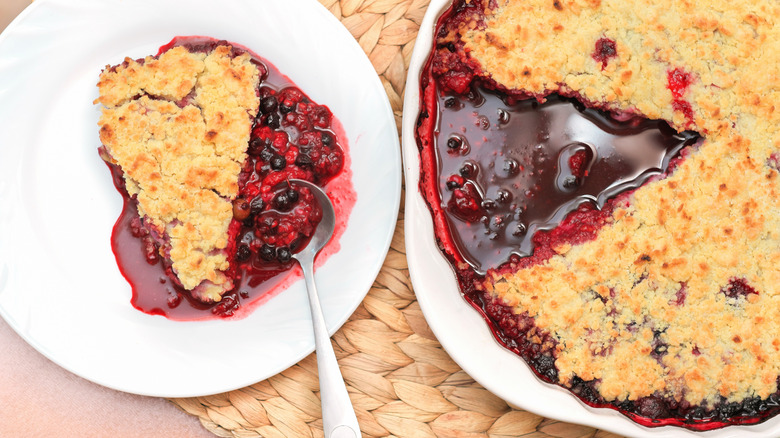
In general, cobbler is an iconic Appalachian dessert that can be made with a variety of fruits. Blackberry cobbler, though, is especially popular in the mountains. Blackberries grow wild here and can be found in bushes by lucky foragers on the many hills and valleys that make up the region. If an Appalachian brings a blackberry cobbler to the function or gifts you one, know that it was made with love and very likely hand-picked berries.
Cobbler is a favorite dessert of mountain kitchens, treasured even above pie. It is very similar to pie in that both baked goods are like the reverse of each other. A cobbler's crust sits on top, while the pie's dominant feature is its crust base. Cobbler is often served alongside vanilla ice cream, which makes a perfect topping to balance out the heavy amount of fruit beneath the crust. Although it's a bit harder to distribute and dig into, the extra mess is so worth it. Pro tip: cooking your cobbler in a cast iron skillet takes it to the next level!
Biscuits and gravy
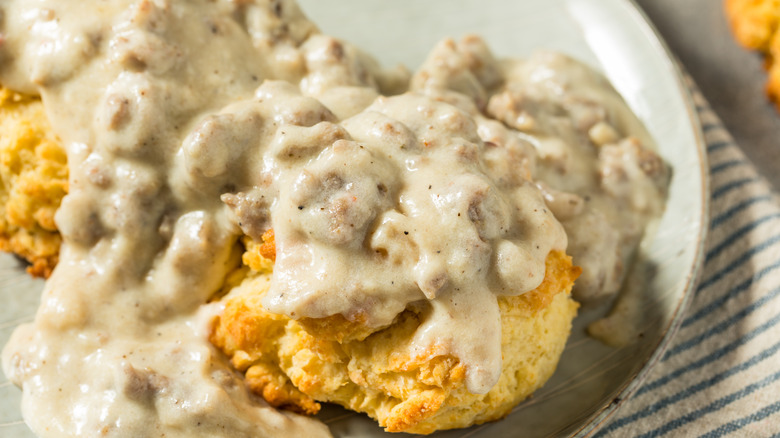
If you look up Southern food, one of the first results will likely be biscuits and gravy. There's not a down-home diner around that doesn't have this staple on its menu, and it's at least a weekly breakfast in many Southern homes. Appalachia also holds the dish near and dear, and freshly made biscuits are a regular product of a mountain kitchen. Gravy is a simple addition and usually incorporates some type of meat. Sausage drippings or bacon grease are both solid choices, especially since plain gravy is made up of mostly milk and flour, which needs some doctoring up for flavor.
Roll-out and ready-to-bake biscuits are popular choices and easy to find in stores. However, an Appalachian home will usually make them by hand, either with a passed-down sourdough starter or buttermilk. In the kind of Appalachian household that has a few kids running around, biscuits don't last long. It's not abnormal for a skillet of biscuits to come out of the oven just for little hands to steal them away over the course of a morning. Sometimes, you end up not having much to pour the gravy over. Still, the sausage or bacon gravy is a vital part of the dish.
Potatoes any way you can think of them
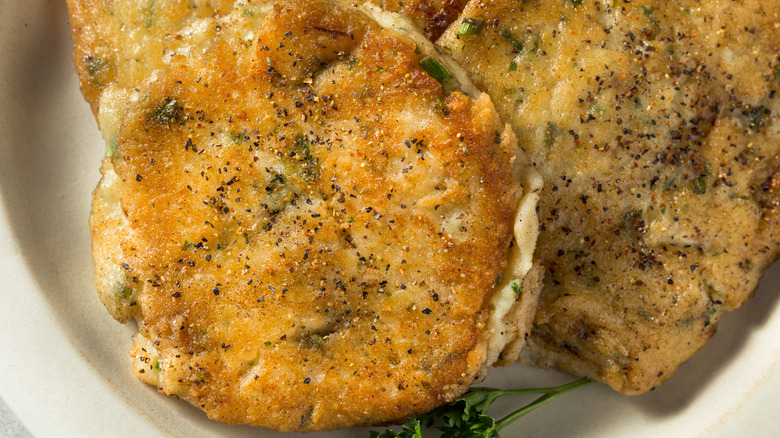
Potatoes are huge in Appalachia –– an incredibly easy and cost-effective vegetable to grow and harvest. They also store well and for longer timeframes than most other perishable foods, making them an obvious ingredient to keep around. Appalachians have taken the versatile crop and incorporated it into quite a few creative dishes.
Fried potatoes, potato cakes, and even potato candy are made from an abundance of the root vegetable. Many of the recipes floating around Appalachia were brought from Scotland and Ireland by immigrants. In fact, there are many correlations between Appalachia and Scotland. Appalachia is part of the same ancient mountain range as the Scottish Highlands, and many Scots relocated to regions in Appalachia when they migrated to America. Potatoes are an important glue that helps hold the cultures of Appalachia and Scotland together, as well as many of their common dishes.