

4 Clever Ways America's Test Kitchen Deals With Leftovers
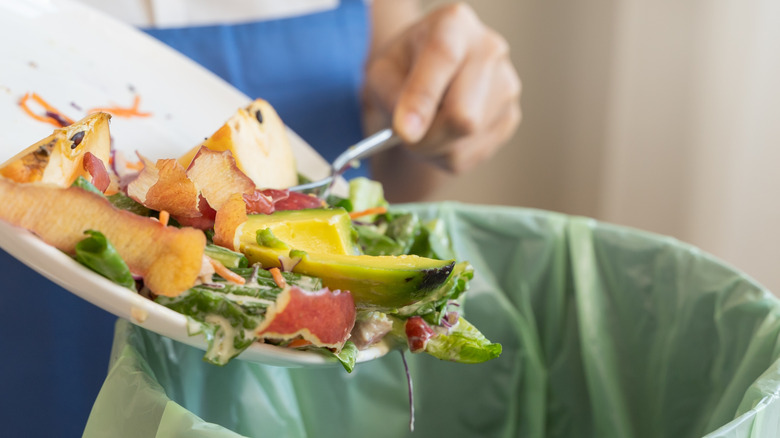
It's impossible to not get hungry while watching cooking shows. After you finish drooling over whatever masterpiece the chef creates, your next question might be, "Wait, where does all that food go?" Cooking shows and competitions notoriously waste a lot of food — we see chefs toss whole pots of food in the trash, or ingredients get left out far too long. This is super frustrating because this food could go to someone hungry and, according to the United Nations, food waste releases greenhouse gases that warm the planet. Thankfully, one television series goes above and beyond to prevent unnecessary food waste: "America's Test Kitchen."
This long-running TV show and online publication tests everything that has to do with cooking and the kitchen, including recipes, techniques, and gadgets. Like most cooking shows, it goes through a mind-boggling amount of food and ingredients; if you wondered what happens to the food on ATK, we're going to break down what happens after the show ends.
ATK has some impressive sustainability practices, and many are practical to bring into your own home. If you need some motivation, the Environmental Protection Agency estimates that a third of all food in the United States goes to waste, and the average American wastes $728 on food waste every year.
Variety of Tupperware for leftovers and a take-home fridge
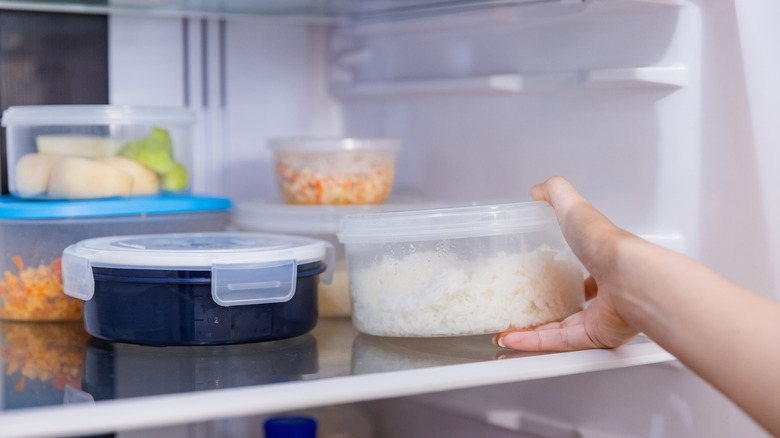
Not having matching lids and Tupperware is part of the struggle of not saving leftovers. If you have a relatively small amount of food to save and no proper container for it, chances are this might just end up in the garbage. If you haven't stored leftovers properly, this might cause them to spoil more quickly; some types of leftovers are even considered dangerous if they're not stored how they should be. One of "America's Test Kitchen's" tips for reducing food waste is making sure you have quality, durable storage containers that seal well; this ensures leftovers last longer. The show also recommends glass containers, which are easier to keep clean than plastic and can't stain.
One recipe from "America's Test Kitchen" can cost upwards of $11,000. One reason for this is the show does many, many iterations of recipes with varying techniques and ingredients to get them perfect. As you can imagine, that translates to hundreds of servings of lasagna or a seemingly endless supply of bread loaves. Where does all that go? In their bellies! "America's Test Kitchen" features a leftover fridge so staff can take home all of the perfectly good and professionally made food. Instead of a whole leftover fridge, do what the Property Brothers do and try a leftover shelf.
Upcycling scraps that would otherwise go to waste
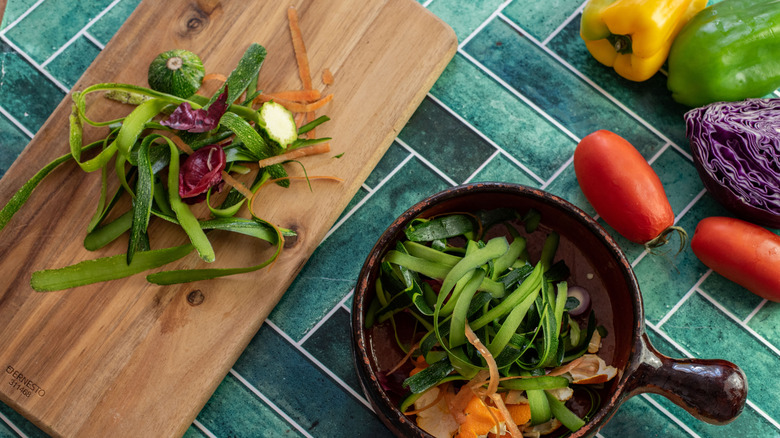
Potato skins and apple cores aren't exactly tasty ingredients, but they're still food waste and should be dealt with appropriately. Composting is an option (more on this later), but before that step, consider upcycling these food scraps into a new food or drink.
You might have used vegetable scraps to make broth before, but "America's Test Kitchen" has other ideas. For example, aquafaba, the liquid leftover from canned chickpeas, can be used to make vegan meringue cookies. Leftover cabbage that needs to be used up quickly can be turned into sauerkraut. The same principle can be applied to other vegetables, extending their shelf life by pickling them. The possibilities are endless and creative when it comes to working with food scraps: Pineapple skin and cores can be transformed into the fermented drink tepache, for example, and carrot tops make for a great pesto!
Using leftover ingredients for other recipes
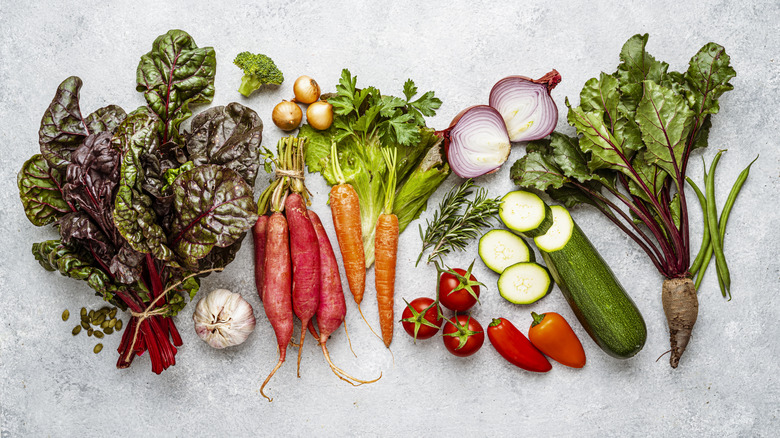
After you buy a lot of very specific ingredients for a recipe, what are you supposed to do with that extra half of a butternut squash or those few stalks of lemongrass? We've all been in this situation before with leftover ingredients and not knowing what to do with them.
"America's Test Kitchen" uses a ton of different ingredients on a daily basis, and therefore, it uses a recirculation system. This involves putting back ingredients in its kitchen or pantry to be used in more recipes. This ensures more of the same ingredient is not purchased, and what is available is used. If the show isn't likely to use the ingredient and it's unopened, the product gets donated to a food bank. Some ingredients also get placed in the leftover fridge so they can be taken home and used by staff.
If you know you're buying ingredients for one recipe, go one step further and plan an additional recipe ahead of time that uses the leftovers, rather than letting it sit in the fridge and wondering what to do with it.
Composting food and upcycling oil for biofuel
Finally, when ingredients can't be reused, and food scraps aren't able to be upcycled, "America's Test Kitchen" composts this food. It's committed to this sustainable practice for several years now, and works with a specific company in Maine that converts food waste to energy, with any leftover waste used for agricultural purposes.
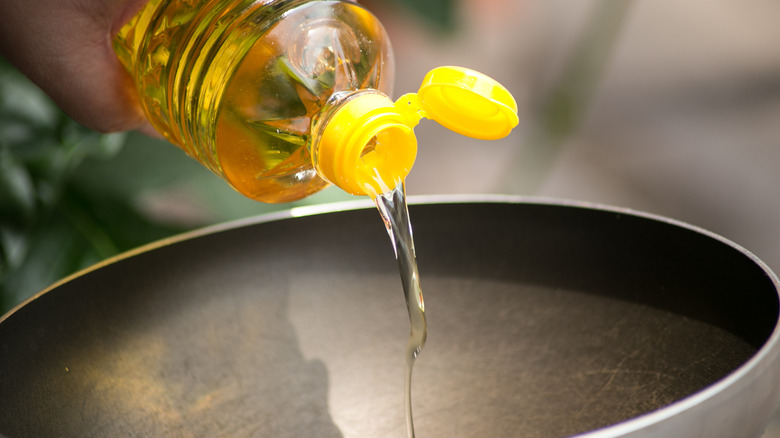
The show also properly disposes of its cooking oil! If you've ever had an excess of oil in the kitchen, especially after frying something, you know it can be a pain to get rid of properly. In "America's Test Kitchen," it pours spent oil into a large bin, which goes to a company called Lifecycle Renewables that converts it into a heating fuel. If you're a home cook and don't run a restaurant, this upcycling option is not feasible, but know it's possible to reuse oil that isn't dirty for frying. It can also be used around the house to lubricate door hinges and locks, or as a protector for cast iron.