

Plant Protein-Packed Vegan Meatloaf Recipe
We may receive a commission on purchases made from links.
We'll be honest: Vegan meatloaf doesn't taste like meat, but that's really not the point. When made right, a plant-based meatloaf, which can be made from a variety of meat substitutes, is a delicious dish on its own merits. It's an excellent alternative to a meat entree, but it could also be served as a side dish or crumbled up and used in other recipes like plant-based Bolognese sauce.
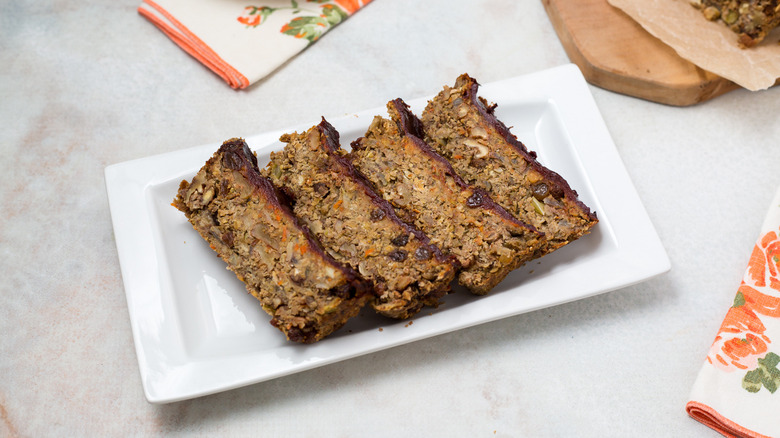
Recipe developer Michelle Bottalico has created a recipe for a plant protein-packed vegan meatloaf that's moist, hearty, savory, and loaded with fiber and nutrient-dense ingredients. This loaf has a base of lentils, chickpeas, and walnuts, with rolled oats, breadcrumbs, and ground flax seed serving as binders. Onion, garlic, vegetables, and seasonings add more flavor and substance, while raisins contribute a touch of sweetness. You can sub dried figs or apricots for the raisins and fennel for the celery for a slightly different flavor if desired, and the chickpeas could be replaced with your favorite beans. The walnuts aren't broken down in this recipe, but if you prefer less texture you can pulse them in the food processor before adding them to the bowl.
All these ingredients make for a flavorful and textured loaf, and it's all brought together by a sweet tomato paste glaze flavored with balsamic vinegar, maple syrup, and a touch of soy sauce. Try it to believe it — this is an excellent recipe to keep on hand whether you've been eating vegan for years or are looking for an idea for your next Meatless Monday.
Gather your vegan meatloaf ingredients
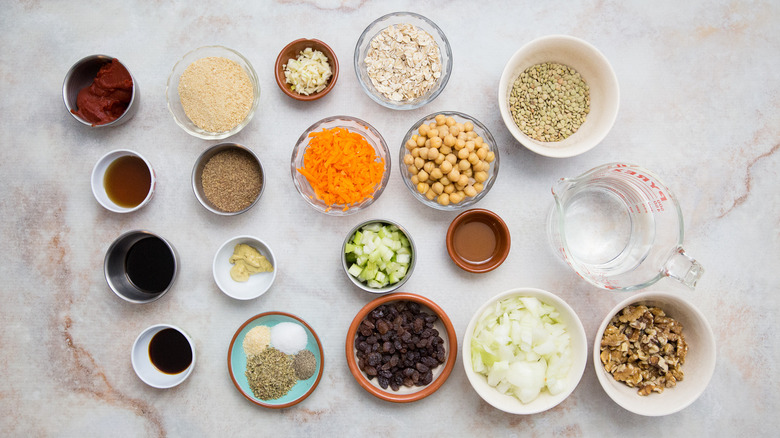
For this recipe, you will first need dried green or brown lentils, water, and canned chickpeas. Lentils don't require soaking, so they're not as time-consuming as other dried beans, but if you prefer not to cook your own you can sub 1 ½ cups of drained, rinsed canned lentils or measure out 1 ½ cups (drained) if you cook a larger batch of lentils.
You will also need walnuts, rolled oats, breadcrumbs, ground flax seed, and extra virgin olive oil. The vegetables you will need are onion, garlic, carrot, and celery, and there's even one (dried) fruit in the ingredient list: raisins. Gather Dijon mustard, salt, dried Italian seasoning, onion powder, and black pepper for seasoning. For the glaze, you will need tomato paste, maple syrup, balsamic vinegar, and soy sauce.
Step 1: Cook the lentils
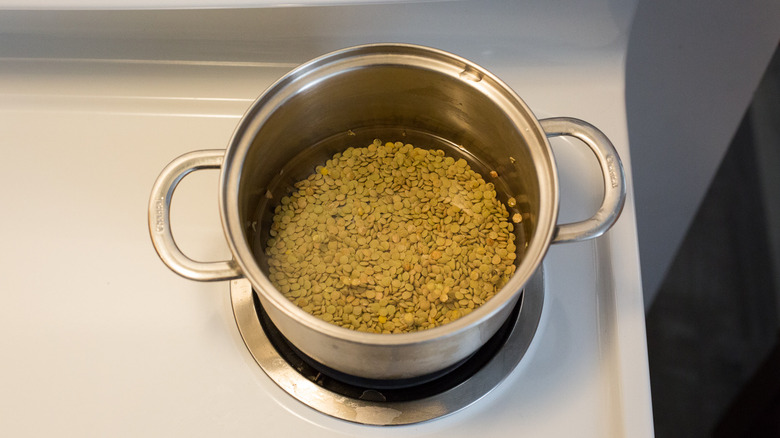
Place the lentils in a small saucepan and pour in the water. Bring the water to a boil and then lower to a simmer. Let simmer for 20-30 minutes until tender.
Step 2: Toast the walnuts
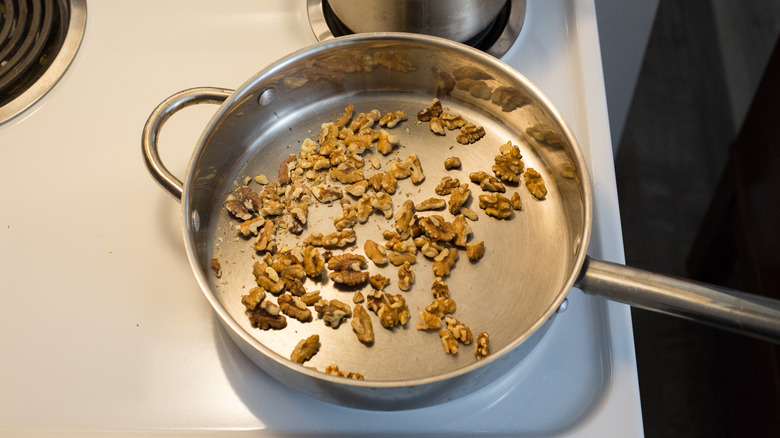
Meanwhile, toast the walnuts by placing them in large, dry skillet on medium high. Cook for about 5 minutes, shaking the pan or stirring frequently to toast all sides, until the walnuts are browned and release an aroma. Remove from the heat and transfer to a large mixing bowl.
Step 3: Make the oat flour
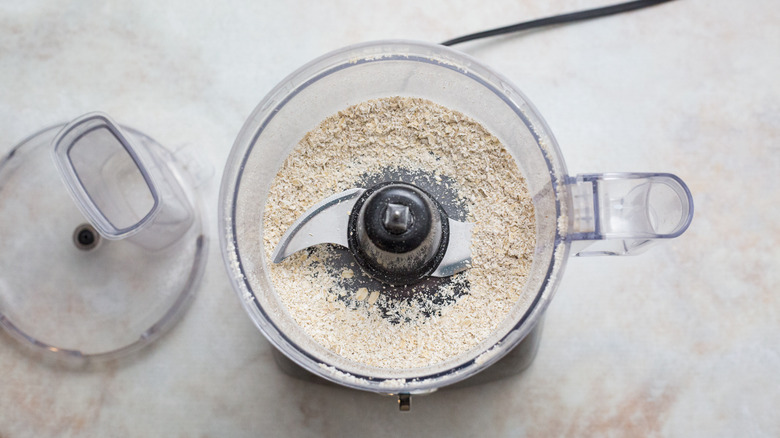
Add the rolled oats to a food processor and pulse until broken down into a rough powder. Transfer the oat flour to the mixing bowl with the walnuts.
Step 4: Pulse the beans
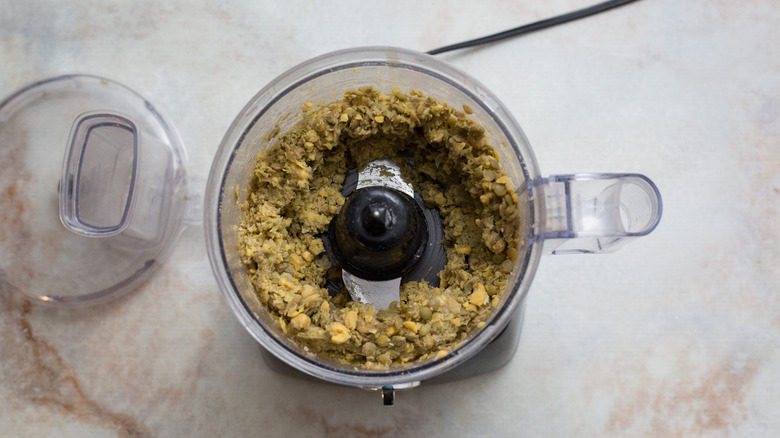
When the lentils are cooked, drain them and place them in the empty food processor. Add the chickpeas and pulse until roughly broken up. Transfer the mixture to the mixing bowl and set aside.
Step 5: Preheat the oven
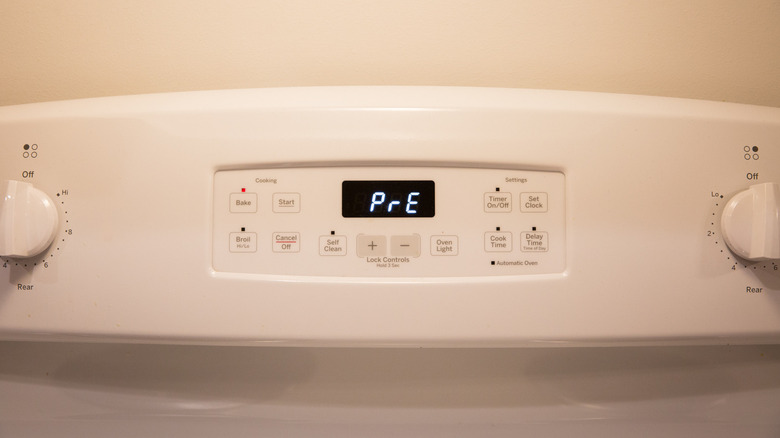
Preheat the oven to 350 F.
Step 6: Heat the oil
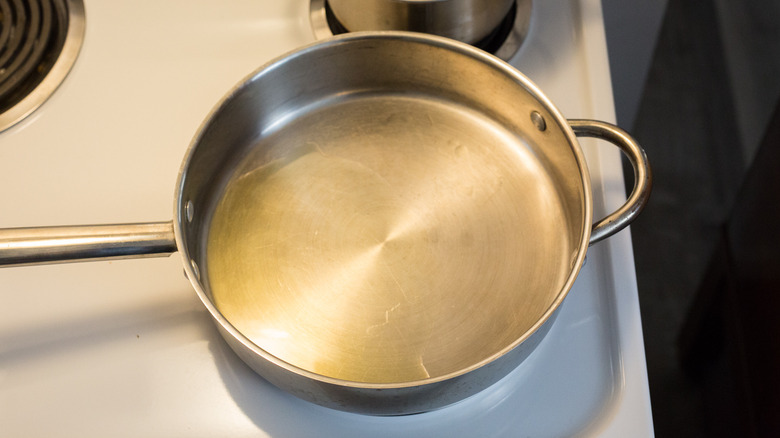
Heat the olive oil in a large skillet on medium.
Step 7: Saute the vegetables
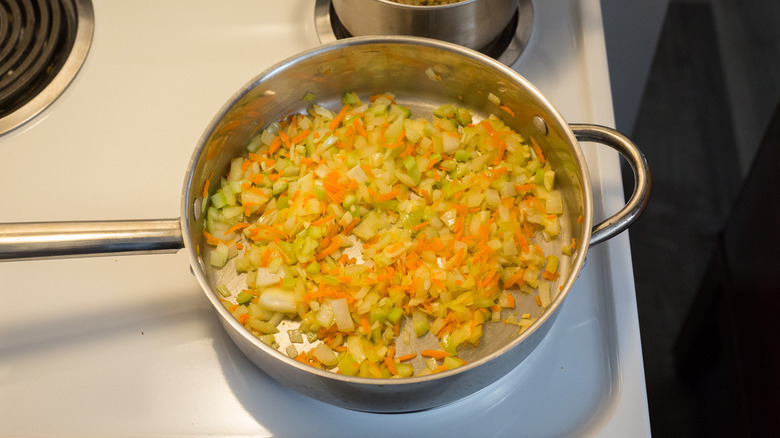
Add the onion, garlic, carrot, and celery and saute for 6-8 minutes until softened and any water released has evaporated.
Step 8: Transfer the vegetables to the bowl
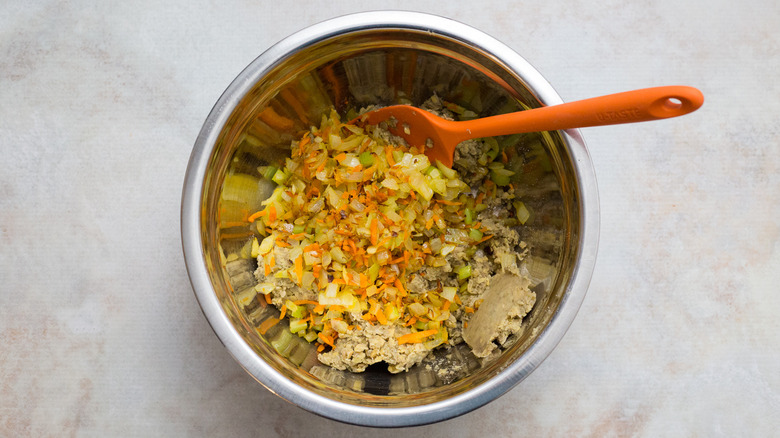
Remove from the heat and transfer the sauteed vegetables to the mixing bowl.
Step 9: Add the remaining loaf ingredients
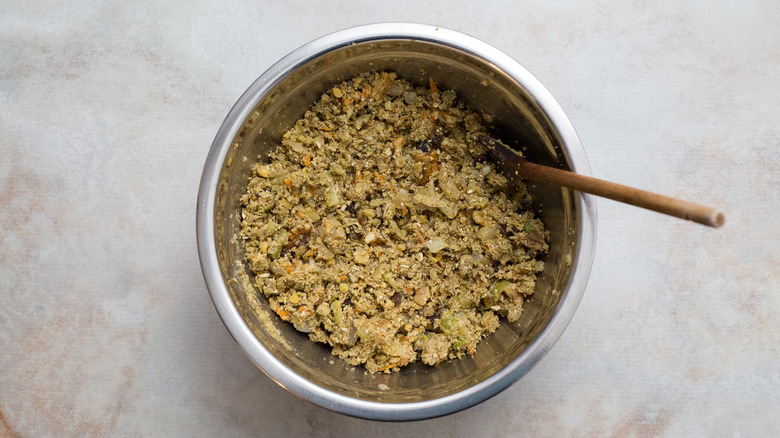
Add the raisins, breadcrumbs, flax seed, Dijon mustard, salt, Italian seasoning, onion powder, and black pepper and gently stir until evenly combined. Taste and adjust for seasonings if desired.
Step 10: Transfer to a loaf pan
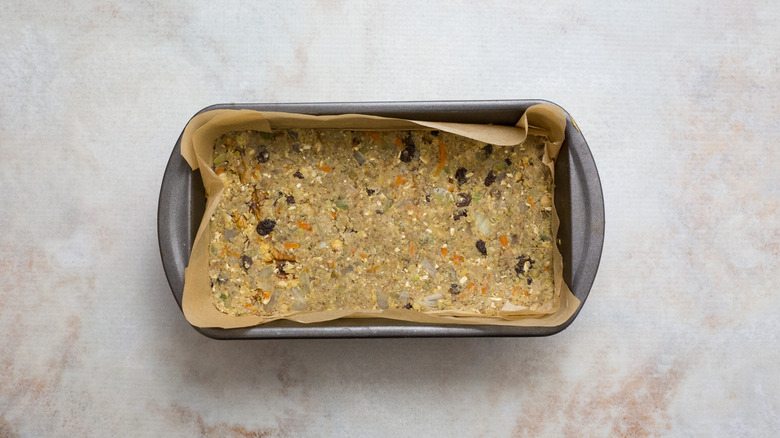
Transfer the mixture to a parchment paper-lined loaf pan (with parchment overhang) and press it very firmly with a spatula or the back of a spoon until compacted and flat on top.
Step 11: Make the glaze
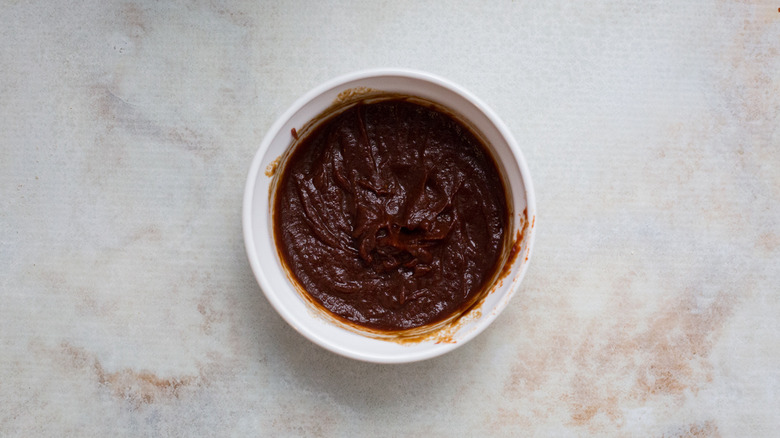
Place the tomato paste, maple syrup, balsamic vinegar, and soy sauce in a small bowl and whisk until combined.
Step 12: Apply the glaze
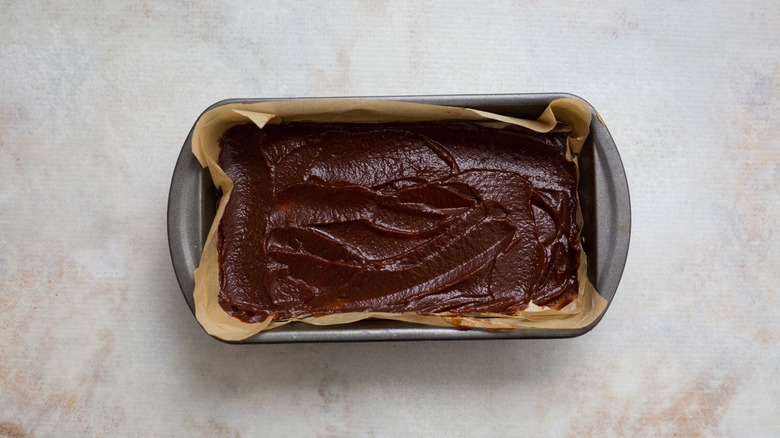
Spread the glaze over the loaf.
Step 13: Bake the vegan loaf
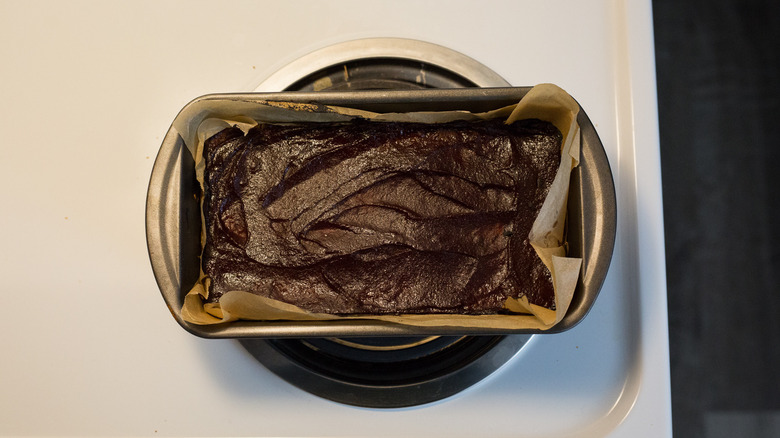
Bake the loaf for 55-60 minutes, until browned.
Step 14: Serve the vegan meatloaf
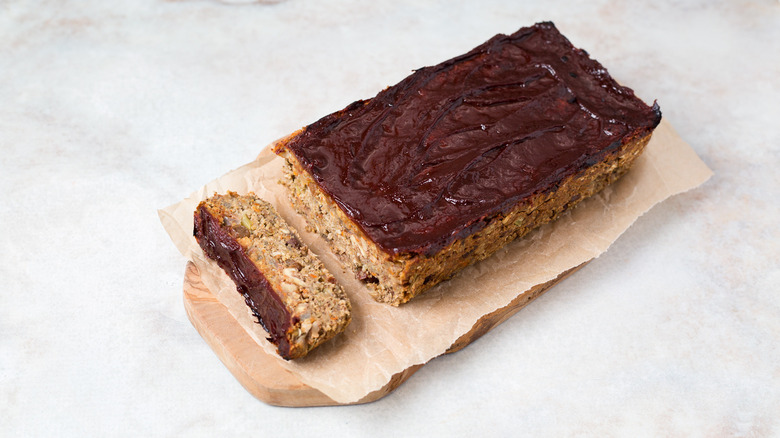
Let the vegan meatloaf cool in the pan for 30 minutes before carefully lifting it by the parchment paper and removing it from the pan. Carefully slice and serve (it will be easier to slice the more it cools).
What to serve with vegan meatloaf
Plant Protein-Packed Vegan Meatloaf Recipe
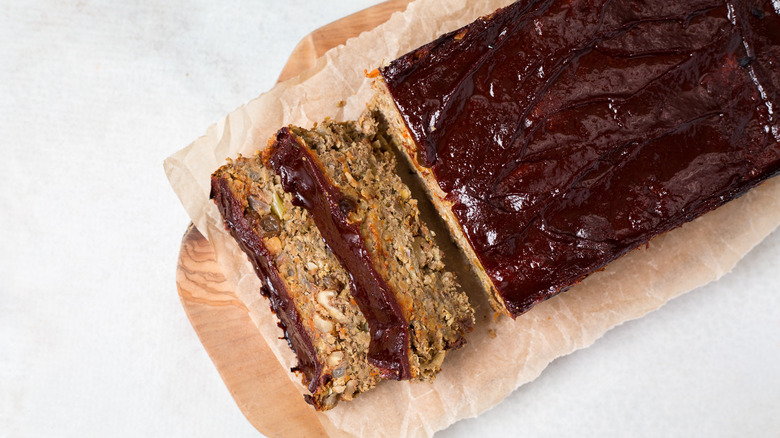
Would you believe us if we told you this meatloaf didn't have any meat? Instead, this vegan meatloaf is packed with plant protein from lentils and chickpeas.
Ingredients
- For the meatloaf
- ½ cup dried green or brown lentils
- 1 ⅔ cup water
- 1 cup walnuts
- ½ cup rolled oats
- 1 cup canned chickpeas, drained and rinsed
- 1 tablespoon extra virgin olive oil
- 1 medium onion, diced small
- 3 cloves garlic, minced
- 1 large carrot, grated
- 1 rib celery, diced small
- ½ cup raisins
- ½ cup breadcrumbs
- ¼ cup ground flax seed
- 1 tablespoon Dijon mustard
- 1 teaspoon salt
- 1 tablespoon dried Italian seasoning
- ½ teaspoon onion powder
- ½ teaspoon black pepper
- For the glaze
- ⅓ cup tomato paste
- 2 tablespoons maple syrup
- 1 tablespoon balsamic vinegar
- ½ tablespoon soy sauce
Directions
- Place the lentils in a small saucepan and pour in the water. Bring the water to a boil and then lower to a simmer. Let simmer for 20-30 minutes until tender.
- Meanwhile, toast the walnuts by placing them in large, dry skillet on medium high. Cook for about 5 minutes, shaking the pan or stirring frequently to toast all sides, until the walnuts are browned and release an aroma. Remove from the heat and transfer to a large mixing bowl.
- Add the rolled oats to a food processor and pulse until broken down into a rough powder. Transfer the oat flour to the mixing bowl with the walnuts.
- When the lentils are cooked, drain them and place them in the empty food processor. Add the chickpeas and pulse until roughly broken up. Transfer the mixture to the mixing bowl and set aside.
- Preheat the oven to 350 F.
- Heat the olive oil in a large skillet on medium.
- Add the onion, garlic, carrot, and celery and saute for 6-8 minutes until softened and any water released has evaporated.
- Remove from the heat and transfer the sauteed vegetables to the mixing bowl.
- Add the raisins, breadcrumbs, flax seed, Dijon mustard, salt, Italian seasoning, onion powder, and black pepper and gently stir until evenly combined. Taste and adjust for seasonings if desired.
- Transfer the mixture to a parchment paper-lined loaf pan (with parchment overhang) and press it very firmly with a spatula or the back of a spoon until compacted and flat on top.
- Place the tomato paste, maple syrup, balsamic vinegar, and soy sauce in a small bowl and whisk until combined.
- Spread the glaze over the loaf.
- Bake the loaf for 55-60 minutes, until browned.
- Let the vegan meatloaf cool in the pan for 30 minutes before carefully lifting it by the parchment paper and removing it from the pan. Carefully slice and serve (it will be easier to slice the more it cools).
Nutrition
| Calories per Serving | 306 |
| Total Fat | 14.1 g |
| Saturated Fat | 1.5 g |
| Trans Fat | 0.0 g |
| Cholesterol | 0.0 mg |
| Total Carbohydrates | 39.2 g |
| Dietary Fiber | 6.9 g |
| Total Sugars | 13.4 g |
| Sodium | 388.0 mg |
| Protein | 10.2 g |

How can I avoid common vegan meatloaf mistakes?
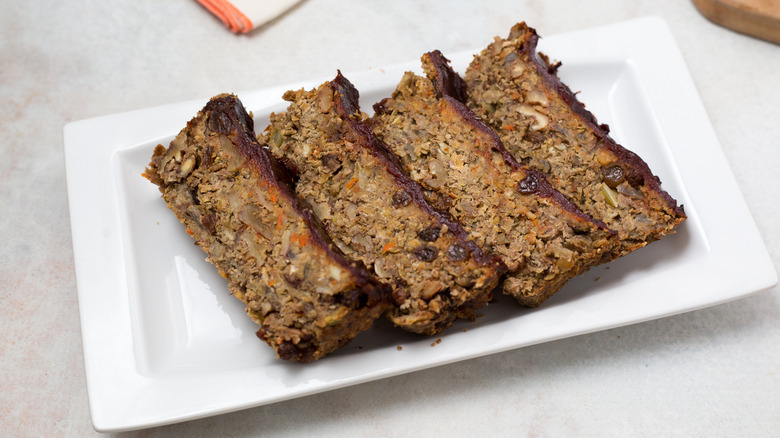
A perfectly cooked vegan meatloaf should have moderate moisture — not too dry or it will crumble, but not too moist that it's soggy either. While it might be tempting to toss the veggies into the mix raw, that's a mistake because vegetables release water when they're cooked. If you don't cook them first and allow that water to evaporate in the pan, it will end up in the loaf. For the same reason, drain the lentils and chickpeas well before adding them to the bowl. Avoid over processing the lentils and chickpeas for the same reason. Just pulse until broken down but still textured.
After mixing all the ingredients together, take a look at it. Ingredients can vary, so the moisture level may vary too. Press some of the mixture together and see if it holds together well. If not, mix in a couple of teaspoons of water and try again. Avoid adding too much water. A little goes a long way. If it seems too soggy on the other hand, sprinkle a little more oats or breadcrumbs in and mix again.
After you transfer the mixture to the loaf pan, press down hard with the back of a spoon or a spatula. This is a time to use a little elbow grease, because you want to compact it down as much as possible. That will help it hold together well enough to be sliced.
What's the best way to line a pan with parchment paper?
Avoiding parchment paper mistakes like incorrectly lining a pan can make your loaf baking go a lot smoother. The best way to line a pan technically depends on the type of pan and what you're cooking. If you're using a sheet pan, just cut a rectangle to size and lay it down.
For pans with sides, it's a little more complicated. Your first option is to cut two sheets and lay them down crosswise in the pan. One sheet's length will be the length of the pan's bottom and sides measured in the longer direction and the width will be just enough to cover the bottom without going up the sides. The other sheet will cover the pan's bottom and sides measured in the shorter direction with the width measured the same way. For example, a 9x5-inch loaf pan with 2-inch sides will have one parchment sheet measuring 13x5 inches and the other 9x9 inches. This is generally a good method unless you need to make sure nothing leaks past the corners, which aren't sealed.
To seal the corners, use a single large sheet. Be careful at the corners. While you can bunch it up and call it a day, it will look neater if you carefully press the paper down all four sides of the pan, folding the excess inward into a triangular shape at the corners, and pressing the triangles over to one side.