

Why Aldi Prices Aren't The Same At Every Location
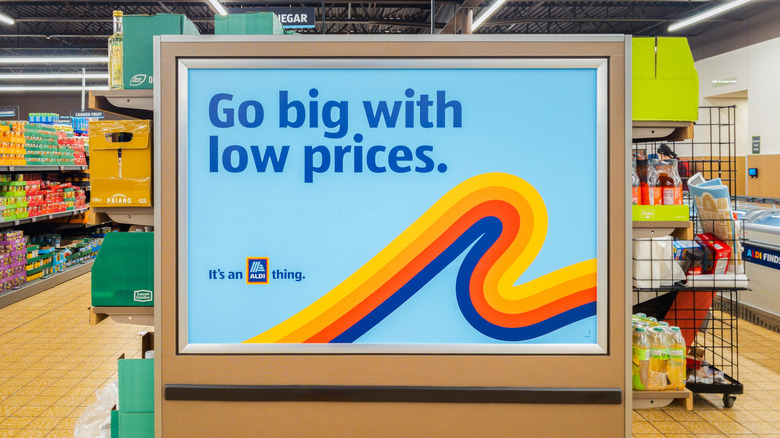
Aldi is known by its fans for having some incredibly affordable products. The German-based chain features offers like its Gala Apple deal that beats competitors like Costco every time, and a wide selection of pantry-staple boxed sides. However, one of the things shoppers may not realize is that the prices at Aldi aren't the same everywhere. Admittedly, this may sound like a way that Aldi tricks you into spending more, but the reason is less malicious and more logistical. When pricing its products, Aldi considers many factors prior to putting them out on shelves. That said, it maintains the price at the lowest cost possible, so you can still save when shopping at the retail grocer.
Put simply, Aldi's prices are the result of some thorough research, long before it breaks ground for a new location. According to Aldi's FAQ page, many factors are considered in terms of product prices. This includes production and operating costs, as well as local competition and consumer demands for the given location. For instance, in more affluent neighborhoods, the store's expenses are higher, resulting in higher prices for the consumer. And if the only nearby competitors are upscale grocery stores like Whole Foods, Aldi can slightly raise its prices while still offering the lowest in the area. Similarly, customers have noticed a drop in prices if low-priced competitor Walmart is nearby.
Despite a regional cost variance, Aldi still offers the lowest prices in town
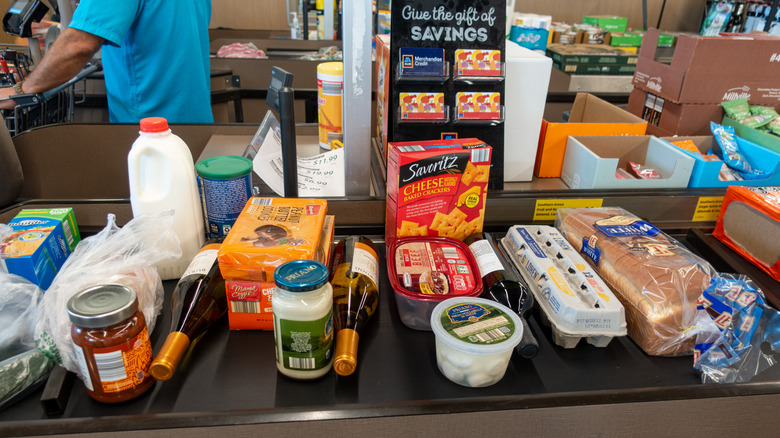
While Aldi won't necessarily price match, it maintains that its customers are always getting the best price possible. Even in the rare scenario where a product's price lessens after it's purchased, Aldi will provide an adjustment to the cost as long as it's within a 14-day window. Aldi also offers weekly specials and price drops for its patrons' favorite items. Two of the ways Aldi stands apart from other grocery stores are with its Aldi Finds program and its fan-branded "aisle of shame." For newbies, Aldi Finds can be found store-wide and are generally limited-time grocery items that tend to run out quickly. The aisle of shame is the middle section of the store where bargain-priced home goods and non-food finds are located. Admittedly, its nickname sounds off-putting, but real fans of Aldi's aisle of shame know that its nickname actually comes from the not-so-shameful amount of deals purchased by patrons.
Aldi is able to offer lower prices than its competitors because it has cut out a lot of unnecessary expenses, such as eye-catching displays, free bags, and even music playing while you shop. Customers may complain about bringing their own bags or shopping in silence, but it's all money back in their pockets.
Considering how much Aldi cuts costs for consumers and its competitive pricing promise, it's interesting to consider the future. Recently, Aldi announced plans to open an additional 3,200 stores in the U.S. by 2028, expanding its consumer accessibility. And though its regional price variance may carry on, its newfound presence could pressure major grocers to lower prices and improve weekly sales. Ultimately, time will tell, but certainly, Aldi remains one of the most affordable grocery chains to date.