

We Asked 4 Steakhouse Chefs For The Best Grocery Store Seasoning Brand, This Is What They Picked
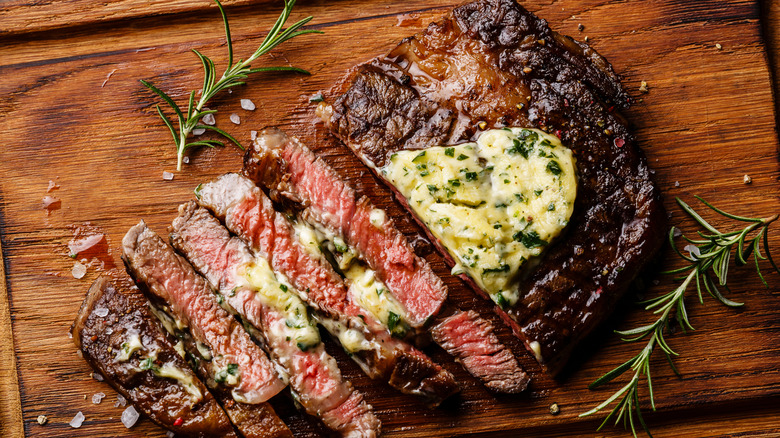
Many of us have been to a steakhouse a time or two to enjoy a hearty, delicious steak dinner. Though it would be nice to dine out at a steakhouse regularly, a more feasible option is to prepare your own steak at home. But we don't have to tell you that a lot goes into cooking a great steak — so much so that it can be a little overwhelming to home chefs (myself included). "Great steak is really about respecting the ingredient. If you start with quality beef, use proper heat, and season thoughtfully, you're already most of the way there," said Danny Grant, Chef and Partner at Maple & Ash.
After selecting your cut of choice fit for the occasion, the proper cooking method must be determined to prepare your steak. There are endless options as to how to cook steak, based largely on your personal preference and what you plan to use your steak for. However, there are some big mistakes you want to avoid, especially when it comes to seasoning your steak. We polled several steakhouse chefs to get their input on the types of seasonings you should be looking out for at your grocery store, as well as what to avoid to achieve the perfect steak.
Salt and Pepper
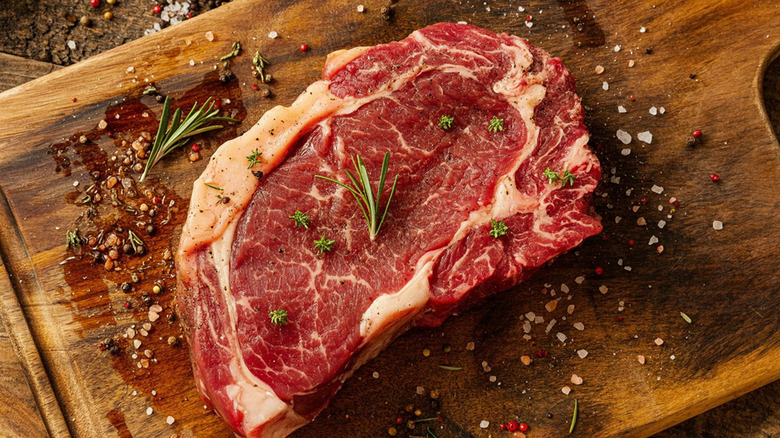
Multiple chefs we spoke to were in agreement that simplicity is key in seasoning your steak. Because of this, finding simple sea salt and fresh ground pepper at your grocery store can yield great seasoning results, according to chefs. "Honestly, I keep it very simple. I don't usually rely on store-bought steak seasonings because I believe the best way to respect a good cut of meat is just with coarse salt and freshly cracked black pepper," said Emiliano Galindo, Executive Chef at RosaNegra Miami. "When the product is great, you don't need much else."
Chef Sam Hazen, Executive Chef at Palladino's Steak and Seafood, agreed with sea salt and fresh ground pepper, noting that personal taste does vary, but that pre-made steak seasonings can have tenderizers that add an artificial taste and cause a mushy texture. "In my opinion, most steak seasonings overpower the steak's natural flavor," he said. "They also often burn and ruin the texture."
And you can't just select any salt from your grocery store, as there are differences between table salt and sea salt that can yield different flavor profiles on your steak. "Specifically — Iodized salt imparts a metallic flavor," Sam Hazen said. Stick with sea salt to avoid any unwanted flavor additions to your steak, and don't be afraid to use a copious amount (especially for thicker cuts). "As I always say, 'we are not cooking in a hospital,' so a healthy amount of salt, can really make all the difference," he said.
Montreal Steak Seasoning
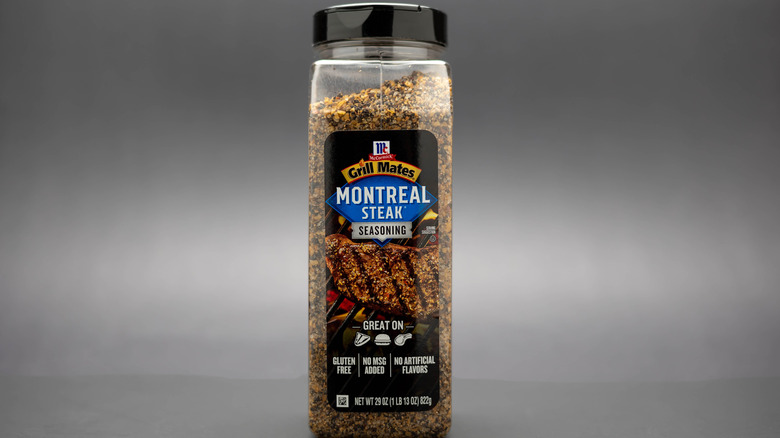
Montreal Steak Seasoning by McCormick was always a mainstay in my household for steaks, so it was pleasing to hear from an expert chef that this seasoning was a solid pre-made option. "For store-bought seasonings, the classic I grew up with is Montreal Steak seasoning," said Chef Colin Clark, Executive Chef at Acqua Bistecca. "They have dozens of flavors, and they are all tasty." The seasoning's coarse texture is known for creating a crust on the exterior of the meat while grilling, which seals the juice and flavor inside the steak.
"The basic cores of seasoning ingredients are salt, pepper, garlic, and onion," said Colin Clark. "Beyond that, I can go for 1 or 2 more ingredients, maybe paprika, pepper flakes, or chili powder." Montreal Steak Seasoning fits the bill, as the spice blend includes coarse salt, a mixture of spices like black and red pepper, garlic, onion, sunflower oil, and paprika extracts. You also can't beat the price, as a 3.4 oz bottle runs less than $6. One tablespoon per pound of meat is recommended. The seasoning is also not limited to steak only, as it can be used for other dishes like pork, burgers, or even vegetables for an extra flavor boost.
Kinder's
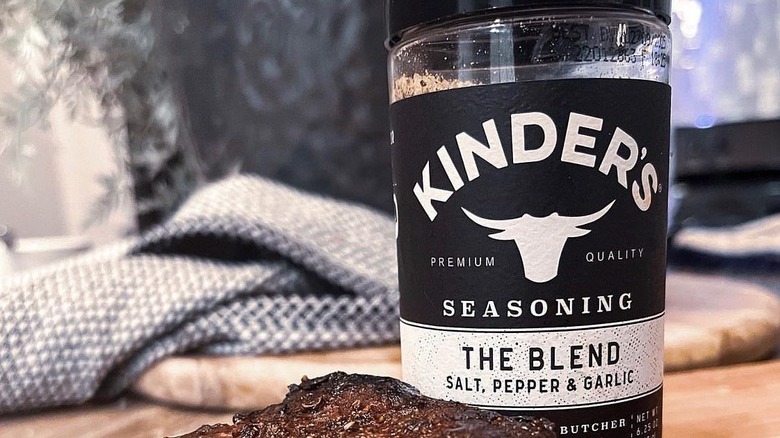
Another popular seasoning brand that got the okay from chefs is Kinder's. Kinder's has been around since 1946, starting as a well-loved butcher shop in California, growing to a restaurant, and eventually evolving to bottling its proprietary sauces in the 1980s. "Kinder's is another well-respected brand, and the Kinder's Buttery Steakhouse seasoning contains dehydrated butter and milk solids, making it super rich on the palate," said Colin Clark.
You can now find Kinder's sauces and seasonings at the majority of large grocery chains across the United States, from Publix and Safeway to Walmart and Target. Sometimes, Costco even has it in stock. Kinder's seasonings are handcrafted with premium, non-GMO ingredients. The variety of blends is also plentiful and diverse. Seasonings like the Cowboy Butter seasoning contain an extra zing with Dijon and chili, and the Brazilian Steak seasoning has a chimichurri-style blend. Other blends cater toward a certain meat cut, like the Prime Rib seasoning, which contains butter, garlic, lemon peel, and chili pepper. But don't let the name stop you from using it on other types of meat!
RA Seasonings
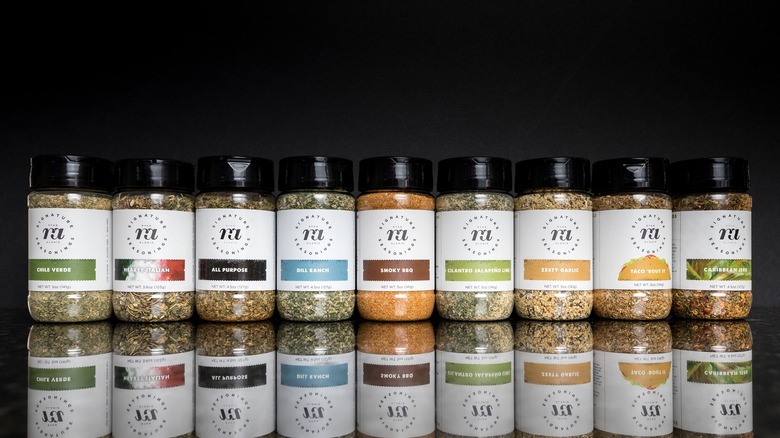
Taste is obviously a huge factor in how you determine to season your food. But there is also a growing emphasis on health as a deciding factor. This seasoning brand is known for its focus on healthy ingredients, leading it to be recommended by chefs. "I love RA Seasonings myself," said Danny Grant, with the caveat that he doesn't think there is a single best brand. "What matters the most is ingredient quality and balance. I tend to prefer simple blends from companies that focus on clean spices without additives or fillers."
With that in mind, RA Seasonings fits the bill, as they are low-sodium, sugar-free, and made with 100% herbs and spices. The ingredient quality is what makes the seasonings stand out on steaks, according to Grant. "Brands that use coarse kosher salt, cracked pepper, and real dried herbs — rather than powdered, anti-caking agents or artificial flavor enhancers — are always going to perform better," he said. RA Seasonings has 19 different flavors that are primarily available around Arizona at select retailers and farmers' markets, but there are wholesale purchasing options available.
What to look for in store-bought seasonings
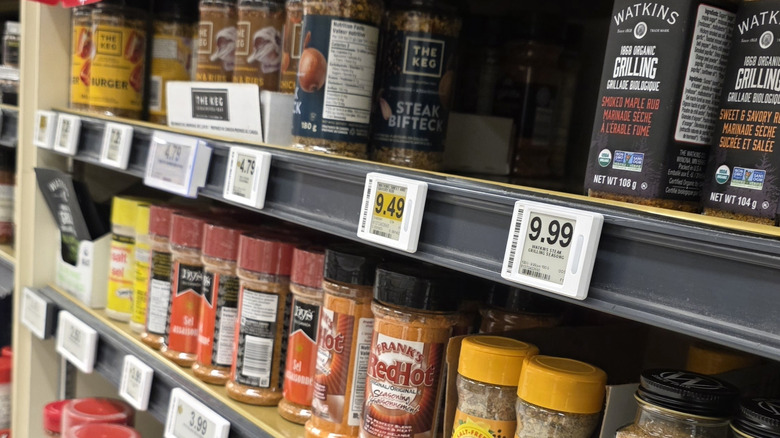
If this list has gotten you excited to try new seasonings for your steak, you may be disappointed if your local grocery store doesn't have your selection in stock. So, we asked experts for some tips on what you should look for when perusing the many options of seasonings throughout store aisles. Looking closely at the label of the seasoning brand is a key step, as you want to focus on what type of ingredients you are putting on your steak. "If someone prefers using a blend, I'd recommend looking for very clean ingredients — mainly salt, pepper, maybe a touch of garlic," said Emiliano Galindo.
The consistency of the seasoning was another consideration to take into account. "I also look for seasonings that are not processed into a fine powder. Larger pieces of spices and aromatics tend to hold their flavor longer," said Colin Clark.
Coarser ingredients give the steak texture. "Coarse seasoning creates better crust development and more even flavor," said Danny Grant, adding that he looks for kosher salt or sea salt, coarse black pepper, granulated or dried garlic, and onion. Some optional add-in suggestions from chefs include herbs like thyme or rosemary, paprika, or pepper flakes.
What to avoid in seasonings
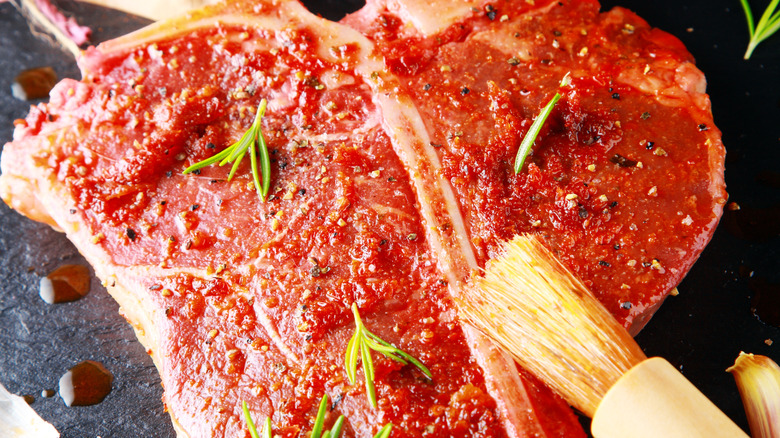
Almost as important as what you should look for in your seasoning blend is what you shouldn't use on your steak. There are certainly seasonings and spices that work well for other cuts of meat but should be avoided for steak. Sugar was one of the ingredients chefs said to avoid in your steak seasoning because it can affect both the cooking process and the flavor of the steak. "Anything with sugar is something I'd avoid for high-heat steak cooking," said Danny Grant. "Sugar burns quickly and can create bitterness before you get a proper sear."
On the other hand, some of the more savory and spiced blends should also be avoided. "Heavy spice blends with cumin, chili powder, or strong smoked flavors can also overpower the beef, especially on premium cuts," said Danny Grant.
Experts also said excessive dried herbs can impart a strong flavor. "Strong dried herbs can also distract from the purity of a good steak," said Emiliano Galindo. Seasoning mixes with dry herbs that also contain overly large flake ingredients can also affect the cooking process when pan-searing your steak. "With more surface area contact, those items are more likely to burn or over-caramelize before the steak gets a proper sear," said Colin Clark.
If all else fails, make your own mix
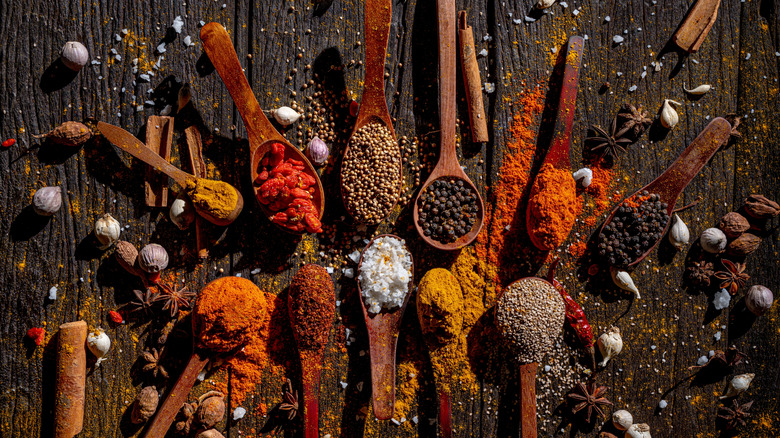
If you're scouring the aisles at your grocery store, unable to find these recommendations, our expert chefs say there is a big benefit to making your own. "In my opinion, most steak seasonings overpower the steak's natural flavor. They also often burn and ruin the texture," Sam Hazen said. However, in making your own steak seasoning blend, you control your flavor profile. "There are less preservatives and you can control all of the flavors involved," he said. You can also guarantee your ingredients are fresh if creating your own blend. "Compared with store-bought ingredients, finely processed spices and aromatics lose flavor over time, so you never know how long they've been sitting on a shelf before you get to them," said Colin Clark. "The closer to use, the more flavor you will preserve."
Not only do you have control of your seasoning blend's flavors and freshness, but you can tailor it toward whatever cut of meat you are working with. "For example, a fatty ribeye can handle more aggressive seasoning, while a filet benefits from restraint," said Danny Grant. Whether you choose to make your own blend of multiple seasonings or stick with salt and pepper is ultimately up to you. But experts agree that simplicity is key. "Making your own blend can be fun and allows control over quality, but for steak specifically, I still believe salt and pepper are all you need. It keeps the flavor honest and lets the natural character of the beef shine," said Emiliano Galindo.