

This Once-Popular Texas-Themed Steakhouse Has Just One Location Left
Lone Star Steakhouse didn't completely disappear overnight. It sort-of thinned out over decades until only a single outpost remained. And that last surviving restaurant isn't anywhere near a region associated with its Texas‑themed identity. At its height the chain operated more than 260 restaurants across the U.S. and even had outlets in Australia. But after years of closures, bankruptcies, and ownership changes, Lone Star Steakhouse fell from its once great heights. The only location still open today sits on the island of Guam, roughly 7,000 miles from the restaurant's original Wichita headquarters and even farther from the cowboy‑saloon image it once sold. Its endurance stands in sharp contrast to the mainland, where every other Lone Star eventually went dark.
The steakhouse in Guam is thriving. It holds a four‑star rating on Tripadvisor and ranks among the island's top dining spots. With a mix of locals, tourists, and military families, the grills stay hot. While the mainland locations struggled with oversaturation and fierce competition from some of the best steakhouse chains around (like Outback, LongHorn, and Texas Roadhouse), Guam didn't pose that problem. The island's dining scene is smaller, and American comfort food carries a different kind of appeal, especially for visitors craving something familiar. The Texas theme remains fully intact. From the mesquite‑grilled meat to the roadhouse décor, the Guam team has kept the concept consistent.
How Lone Star rose fast and fell even faster
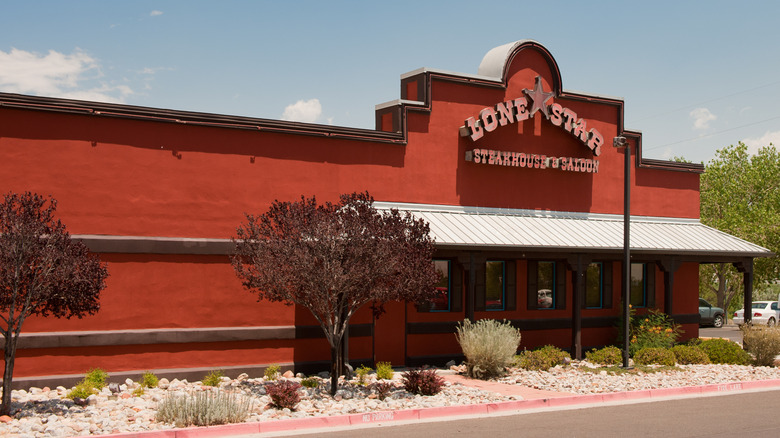
Lone Star Steakhouse didn't originate in Texas; it began in Wichita, Kansas, under the direction of Jamie Coulter, a seasoned Pizza Hut franchise operator who knew how to scale a concept quickly. In 1989, Coulter encountered a Western‑themed prototype created by Creative Culinary Concepts in Winston‑Salem, North Carolina, that would send him down a new path. He partnered with the group in 1991 and began opening large, roughly 6,000‑square‑foot restaurants built around mesquite grills, line‑dancing servers, and a saloon‑style atmosphere that felt tailor‑made for early '90s casual dining. Throughout the decade, Lone Star expanded aggressively, acquiring other brands and experimenting with sister concepts.
But the same rapid growth that fueled Lone Star's rise eventually contributed to its collapse. The steakhouse chain struggled with what made it unique in the beginning. Food quality became inconsistent, management turnover increased, and the chain cycled through ownership changes that brought more restructuring than stability. The 2008 recession hit especially hard, forcing widespread closures and pushing franchisees into bankruptcy. Attempts to modernize the brand came too late, and the company filed for bankruptcy multiple times as locations shuttered across the country. By the mid‑2010s, closures were happening fast until only Guam remained.