

The Everyday And Unusual Foods People Ate In The Victorian Era
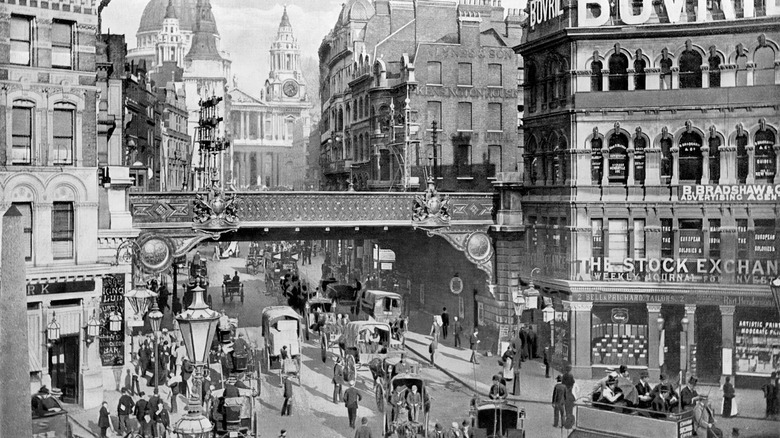
If you've been around the internet the past handful of years, you may already know that people love joking about modern food creations like Takis and energy drinks being potent enough to kill a Victorian child. However, the opposite may actually be true: The foods that Victorians used to eat might just be weird enough to knock us all out. Not only were some of their recipes off-putting, but food safety practices were nowhere near our standards today. As a result, the Victorian children who were strong enough to endure the foods of their times may be the reason why we have the fortitude to survive beefy five-layer burritos from Taco Bell.
Diving into food history is always fascinating because we learn so much about the roots of our current favorite dishes and the ones we've left behind, for better or worse. To help us explore the meals and snacks that Victorians ate, Dr. Bob Nicholson, a historian, writer, and broadcaster who specializes in Victorian Britain, and Andrew Hann, Senior Curator of History at English Heritage, shared some of the things Victorians ate regularly. Read on to see if you'd have the stomach to thrive in the Victorian era.
Jellied eels and eel pies
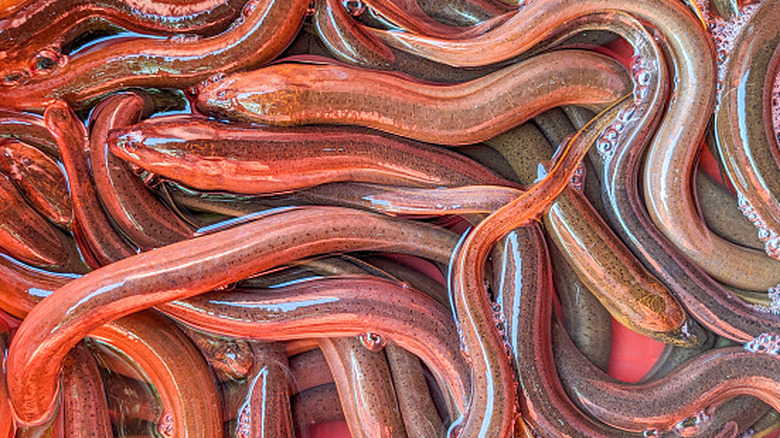
Have you ever stopped to appreciate the international section of your local grocery stores? It's a marvel that every culture can share its cuisines effortlessly. Before strong transportation networks made it possible to enjoy ingredients from around the world, countries had to make do with things they could grow or hunt locally. For the Victorians, surrounded by water, this meant that eels were frequently on the menu.
"Eels were caught in large numbers in the Thames estuary and so were relatively cheap," Andrew Hann explained. One dish that folks ate often, especially in the East End of London, is jellied eels. Hann continued, "The eels were boiled and then served cold in a cold, fish-flavored jelly." If you're brave enough, you can still find jellied eels in London today.
"Lots of laboring men ate their breakfast on their walk to work," explained Dr. Bob Nicholson. Imagine the streets flooded with vendors. Most stalls would smell divine, but some were likely questionable. Sweet and savory pies were a staple for Victorians, and one common filling was eel. For the right price, maybe you, too, would fill up on eel pies.
Big breakfasts including eggs, bacon, sausage, haddock, fruit, and bread
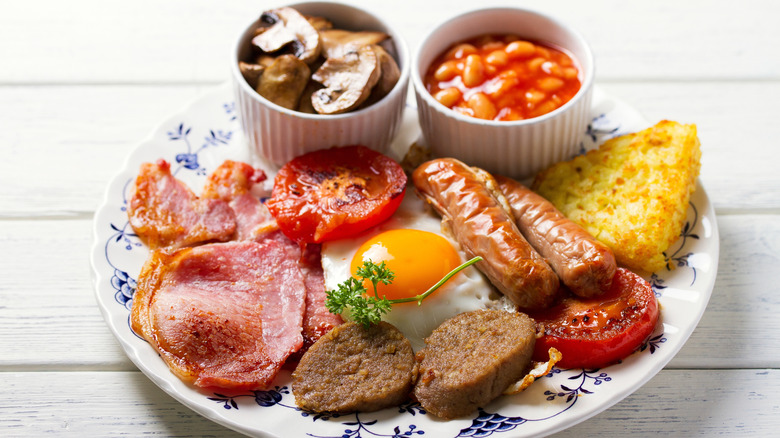
Who doesn't love a full English breakfast? We can thank the Victorians for setting the foundation for this classic must-try British dish. "Breakfast in middle and upper-class households was often a mixed hot and cold buffet," Dr. Bob Nicholson said. "They had a lot of elements that you'd find on a modern English breakfast, including things like sausages, eggs, and bacon."
Andrew Hann added that fruits, bread, and haddock may have also been a part of this spread if the family was wealthy enough. This feast was set up by the family's servants. One fun fact Hann provided is that perfectly boiled eggs were one of Queen Victoria's breakfast favorites. Nicholson said that one morning, she even ate mutton chops with mashed potatoes.
Some working-class families were also able to enjoy eggs and breakfast proteins. If money was tight, though, Nicholson explained that "these luxuries were often reserved for the head of the household who needed the energy for their work."
Ambergris (from sperm whale intestines)
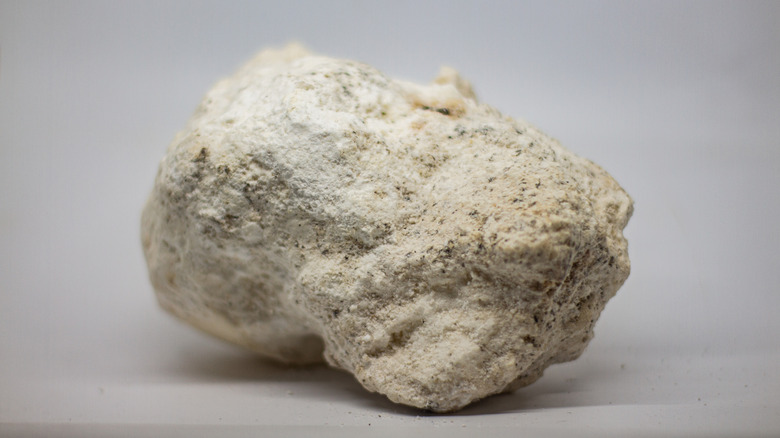
The idea of eating animal intestines can make some folks feel queasy, but if you know anything about the history of hot dogs, then you already understand that intestines are a crucial element of natural casings for this beloved American staple. The Victorians may have never known the joy of a juicy hot dog, but they did have ambergris, which was apparently a luxury.
"Another strange food eaten from the medieval period right through to the 19th century is ambergris, which was used as a flavoring in both food and drink, and also as a perfume," Andrew Hann told us. "It was a grayish-brown waxy substance found in the intestinal tracts of sperm whales, often found washed up on beaches or harvested from whales that had been caught at sea. Whilst eaten mainly by the elite, it was widely used in the perfume industry thanks to its strong and long lingering scent."
Ambergris is illegal nowadays to help protect whales, but historical records back up how this intestinal waste product whipped Victorians into a frenzy. It's reported to have a woody and floral scent. Apparently Casanova ate it in chocolate mousse because he believed it was an aphrodisiac.
Ice cream made with cucumber, curried fish, spinach, and oyster
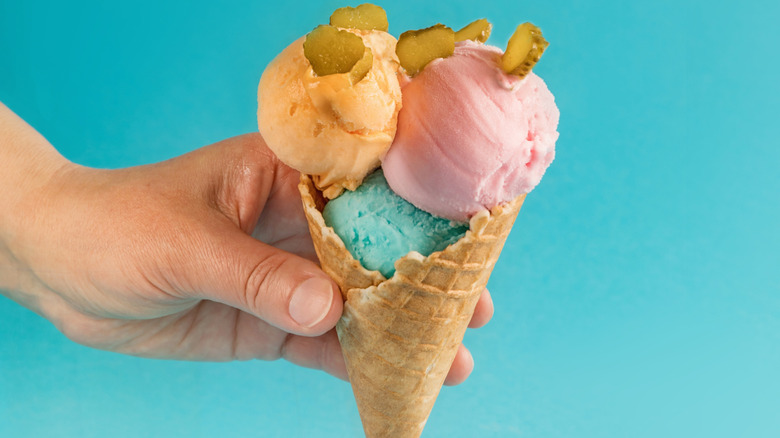
There are all kinds of strange ice cream flavors that are worth trying at least once in your lifetime. Some flavors like everything bagel and Flamin' Hot Cheetos seem harmless enough, but others like beef tongue and tuna ceviche may seem downright offensive. We can all get a kick out of the latest outrageous ice cream trends that inevitably take the internet by storm every summer, but these strange creations date back to the Victorians.
"The Victorians loved ice cream, which was easier to make once refrigeration became more widely available in the later 19th century," Andrew Hann explained. "Electric refrigerators were only introduced in 1913, so before this households used iceboxes — insulated cabinets containing blocks of ice. On larger estates ice could be stored in ice houses and delivered to the kitchen when needed. Where Victorian ice cream differed from what we are used to today is in the range of flavors which included spinach, brown bread, cucumber, and even oyster."
Dr. Bob Nicholson elaborated that ices flavored with tea and curried fish were also popular enough to be published in a Victorian cookbook. He quipped, "The Victorians were very enthusiastic eaters. There's a reason that their newspapers were filled with adverts for indigestion pills!"
Tongue
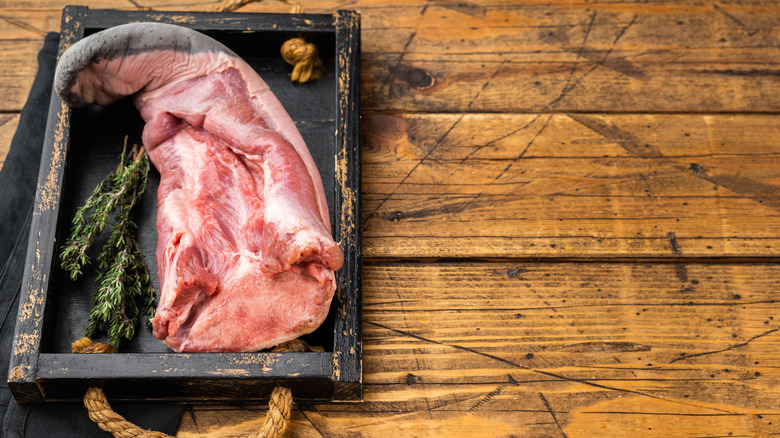
None of us bat an eye at sausage and bacon being served for breakfast during Victorian times. However, Dr. Bob Nicholson shared that other proteins on the table included tongue. He said that "recipe books reveal a wide range of other additions, including cold meats like tongue, pickled or smoked fish, prawns, curries, and cold pies." It's hard to say whether tongue would go down easier if it were served hot or cold.
While tongue might be a hard sell in the modern day, you may be amazed that Queen Victoria herself dined on this muscle. Andrew Hann explained, "On January 14, 1887, the royal luncheon at Osborne consisted of potage, rolled ham omelettes, breaded, sauteed lamb chops, Hamburg beef with horseradish sauce, pheasant in juice, brussels sprouts, hot and cold fowl, tongue, corned beef, potted game, spiced beef, Normandy porridge, rhubarb gateau, baked apples, and roast mutton." All of these dishes sound delightful and in line with modern sensibilities, except perhaps for the tongue.
Brain cakes
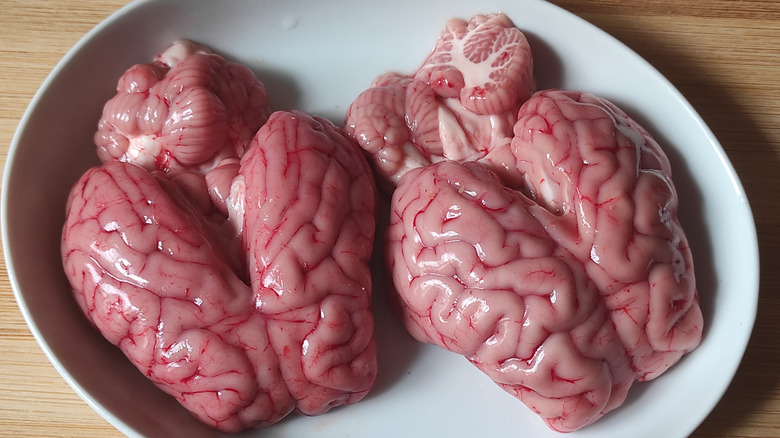
Meatball recipes are juicy, filling, and packed with flavor. Whether you enjoy them as an appetizer, stuff them into a sub, or pile them on top of spaghetti, you know they'll be delicious. But if you were transported back to Victorian Britain and presented a dish that looked like meatballs, you might not be able to trust it.
"The brains of pigs, cows, and lambs were a popular breakfast food," Dr. Bob Nicholson shared. "'Brain cakes' were a bit like meatballs: boiled brains mixed with eggs, herbs, and breadcrumbs, then fried in butter or dripping."
So, how did people eat brain cakes back then? "One Victorian recipe recommended combining cold brains with hard-boiled eggs and pickles, then serving them with mayonnaise, jelly, and olives!" said Nicholson. This array of flavors and textures may have been an assault on the senses, but the condiments could have done a lot of heavy lifting to make the brains more palatable.
Bread and gruel
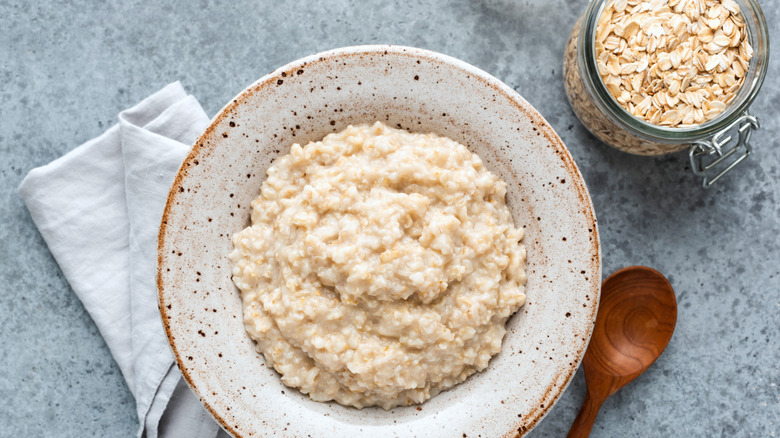
The folks who couldn't afford a fancy breakfast feast were often stuck with bread and gruel, which were both cheap to produce. It wasn't glamorous, but it kept their bellies full and supplied them with enough carbs for energy.
"Breakfast options for working-class Victorians were more limited," said Dr. Bob Nicholson. "Bread was the staple for most meals and was often combined with dripping or treacle. Oatmeal porridge was a common dish, too."
"For the poor, breakfast might be bread and gruel, which was a cheap soupy kind of porridge," Hann concurred. If it came down to brain cakes or bread and porridge, many modern folks might end up choosing to dine with the lower class. Hann also explained that leftover bread that had gone stale was often turned into bread and butter pudding, which sounds delightful. "Made from layers of buttered bread soaked in a mixture of eggs, milk and sugar, then baked till golden. Raisins, currents and spices could be added," he described.
Cheddar cheese
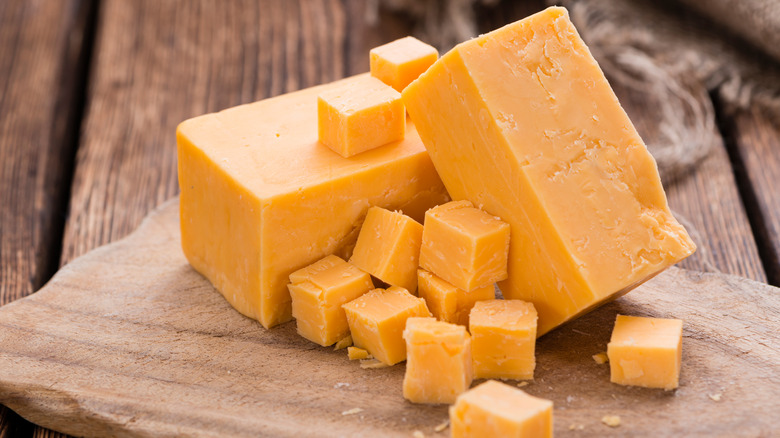
Cheddar cheese recipes are the backbone of countless modern comfort classics. Macaroni and cheese, grilled cheese, and broccoli cheddar soup are just a few beloved dishes. What cheese lovers may not know is that this yummy cheese was created during the Victorian era. Andrew Hann said the English enjoyed cheese even in prehistoric times, but production advancements had a big impact on the industry during this time. Until the Victorian era, cheese was largely produced at home by milking your own cows. Slowly, commercial cheese took the region by storm.
"From the late 18th century, Cheshire cheese became the most highly prized and widely sold," Hann said. "In eastern England it was much preferred to the locally produced Essex and Suffolk cheeses which were harder and less flavorsome. By the Victorian era, though, factory-produced cheddar cheese began to replace Cheshire as the cheese of choice, being shipped in bulk from Somerset."
Hann believes that cheddar was reserved for the wealthy, while servants and other workers would eat cheaper regional cheeses with bread for lunch. While describing the elites' cheddary meals, Hann said, "For the middle classes and wealthy cheese was an important part of their daily diet, added to sauces, eaten with biscuits as part of the dessert course at dinner, and added to many savory recipes including cheese souffle, hasty pudding, cheese pudding, macaroni cheese, cheese seftons (a bit like cheese straws) etc."
Oxtail soup
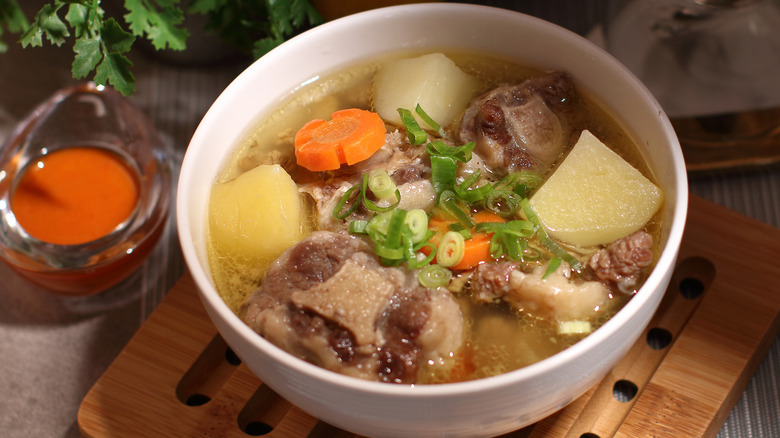
Soups were a crucial part of every Victorian's diet. They kept everyone nourished, and the quality of ingredients was easily adjusted based on income. One type of soup that was universally appreciated was oxtail soup. Oxtail needs a low-and-slow cook, which makes it spectacular for soups.
Dr. Bob Nicholson shared, "Charles Dickens's wife, Catherine, published a book of menus called 'What Shall We Have For Dinner?' under the penname Lady Maria Clutterbuck." Oxtail soup was the starter, followed by minced mutton with bacon, mashed and fried potatoes, and strawberry jam cream for dessert.
Andrew Hann added, "There are lots of soups which were popular during the Victorian period as most dinners started with a soup course." Other popular soups he listed include kidney soup, mock turtle soup, watercress soup, and mulligatawny soup. He described mulligatawny soup as "A warm and spicy soup made with curry leaves, cloves, and turmeric, popular among the British Raj era."
Pickled whelk
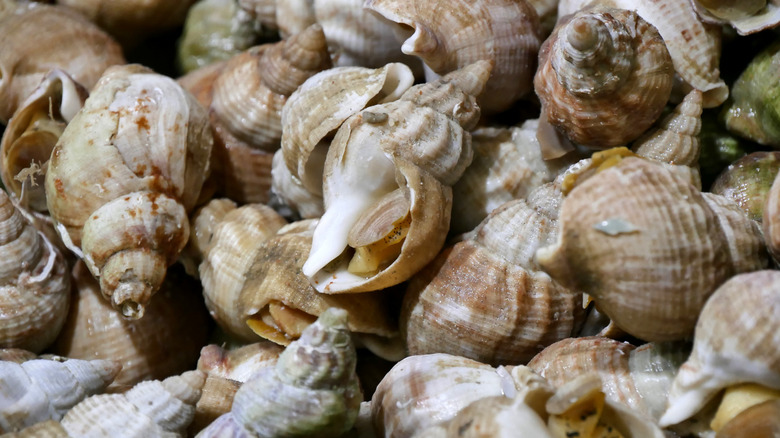
As mentioned before, Victorian England was whimsical when it came to the street food scene. Dr. Bob Nicholson explained that people could find all kinds of goodies while wandering around. "Victorian cities were teeming with food stalls selling mugs of coffee and cocoa, as well as bread, boiled eggs, ham sandwiches, baked potatoes, eel pies, pea soup, pickled whelks, and other cheap street foods," he said.
Even the biggest seafood buffs may be unfamiliar with whelks, which are a type of carnivorous snail. As to be expected, they have a briny flavor from the sea, but they also have a subtle sweetness. Those who enjoy whelks compare them to scallops.
They may not seem quite as approachable as fish and chips, but whelks can be quite delicious as long as they're not overcooked. Pickling them can add depth to the salty taste, and they pack a nice dose of protein.
Offal
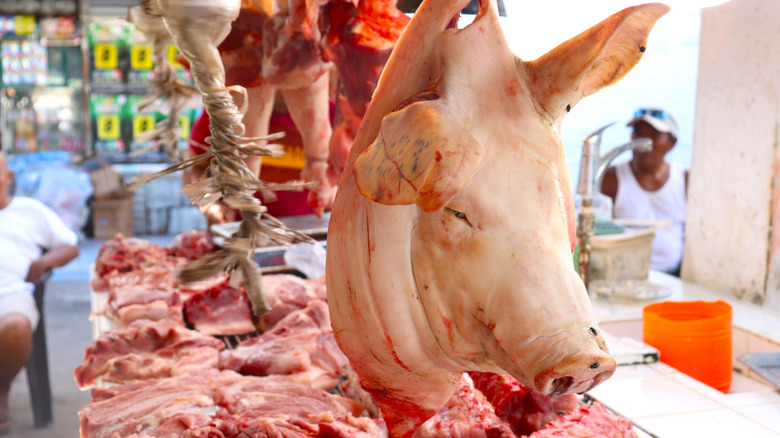
Wasting meat was unthinkable back in the 1800s, which means that people tried their best to use every part of an animal. Nowadays, grocery stores are brimming with the most desirable cuts of meat, such as chicken breasts and ribeyes. Then, unless you were born into a wealthy family that could afford such extravagant meats, organ meat would be on the table.
Andrew Hann named all kinds of offal dishes. "For instance, soused pig's face," he began. "This dish involved boiling a pig's head with calves feet in a pot, then rubbing it with salt to preserve the meat. It was traditional to serve the dish with mustard."
Most offal dishes have been left to history since other cuts of meat have become more affordable. However, the U.K. still prepares haggis. "One example of offal that we still eat today is haggis made from sheep's heart, liver, and lung minced and mixed with oatmeal, suet, onions, and spices and then encased in the animal's stomach," Hann shared.
Humbugs
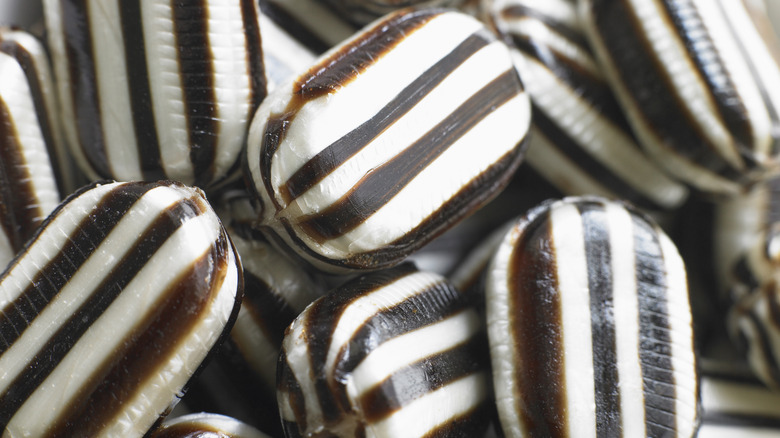
Sugar cane is not the type of crop that could ever grow in chilly, overcast England. As a result, sweets were a true luxury throughout history. The Victorian era marked a big shift in accessibility to sugar, which meant that candy stores could craft all kinds of lovely confections. One of the most iconic candies that represents this time period is humbugs.
Traditional humbugs were invented in the 1820s, according to Andrew Hann, and tasted similar to modern peppermints. He described, "Iconic striped mints were the staple of the Victorian sweet shop." They could have black and white stripes or brown and white stripes.
This namesake may or may not be related to iconic Victorian curmudgeon Ebenezer Scrooge, whose catchphrase was "Bah! Humbug!" Humbug essentially means nonsense or a trick. A newspaper published in 1849 contained an ode to a humbug with toffee flavoring. Once they were sucked long enough, they revealed a trick: a whole almond in the center. The Victorians may not have had sweets as wild as Sour Patch Kids or Nerds Ropes, but they certainly had fun with the ingredients that were available.
Roasted meats with vegetables
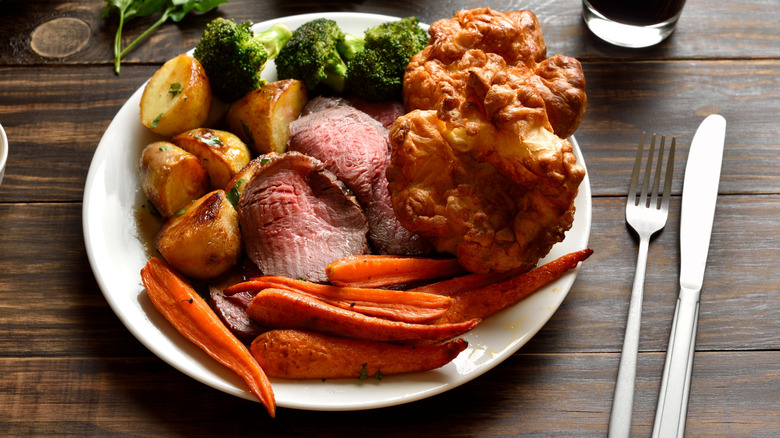
A good Sunday roast was just as cherished back in the Victorian era as it is today. Many families would save their one roast of the week for the weekend when they could all enjoy a leisurely meal together. However, wealthier families that could afford meat would have decadent roasts frequently.
"By the Victorian period many households dined á la Russe, which meant courses were brought to the table sequentially rather than all the dishes being arranged in the middle of the table from the outset, with a sideboard for roast meats," Andrew Hann shared. "Grand meals would start with soup, then a course of fish or seafood such as baked salmon, trout or lobster. This was followed by a main course of meat and vegetables, often venison, beef, or poultry, next came a pudding course, and finally dessert."
Dr. Bob Nicholson explained that dinner tended to be the largest meal of the day for middle-class and wealthy families, featuring boiled or roasted beef, pork, or mutton. Their servants would try to eat their largest meal around lunch, which wasn't a hectic time in households. As fancy as these multi-course meals sound, Nicholson said that many meals repurposed leftovers to avoid waste.
Ham sandwiches
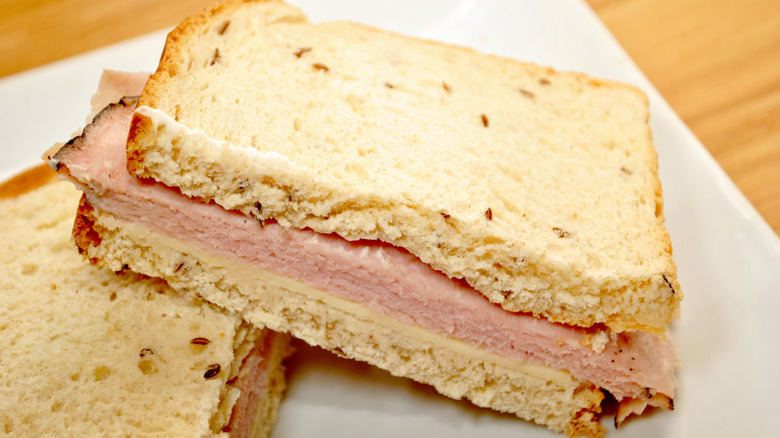
After learning about all sorts of stomach-churning Victorian dishes, ham sandwiches feel like a breath of fresh air. Dr. Bob Nicholson explained that they were a simple and satisfying lunch for all kinds of workers. "Some (particularly agricultural and mine workers) would take a packed lunch to work, while those who worked in the city had more options on hand," he said. "A middle-class professional might pop to a chop house for a quick bite or, if he was wealthy enough, visit his club for a more substantial meal."
For those who worked at an office, it was normal to eat a sandwich at their desks or head out onto the street and find a food stall, says Nicholson. There were plenty of vendors selling everything from oysters to baked potatoes, so it wasn't a big deal to forget to pack a lunch.
Sandwiches weren't too pedestrian for the elites because, according to Andrew Hann, they were a hit at picnics. "Picnics for the wealthy would be elaborate affairs with meat dishes, sandwiches, puddings, and fruit prepared in advance and carried outside by an army of servants," he said.
Jellies and trifles
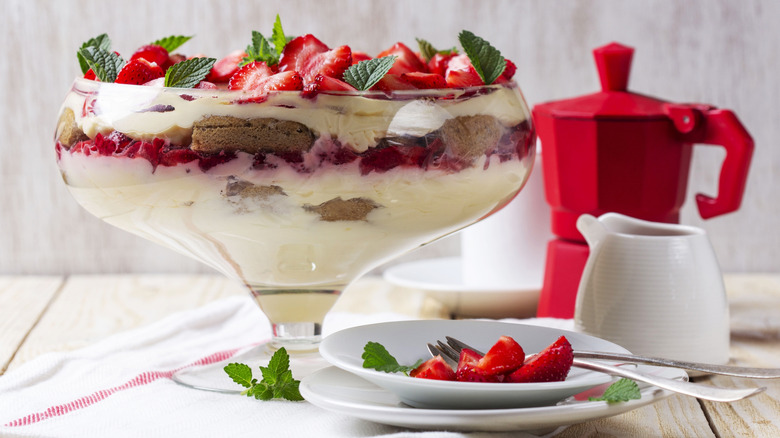
As it turns out, the Victorians had a lot of fun with desserts. One of the most iconic dishes was the humble trifle. The trifle has a resourceful origin story since people back then couldn't stomach food waste. If a baked good was starting to go stale, it could gain a second life by going into a trifle and soaking up moisture from custard and cream. Andrew Hann said that trifles "saw a resurgence in the Victorian period as it could be made using leftover cake, macaroons, or biscuits, soaked in sack or brandy. It was a layered dessert of sponge soaked in sherry, topped with fruit, custard, and whipped cream. Jelly came a little later. Great as a centrepiece on the table."
Speaking of jelly, Victorians also had a fascination with gelatin. Back then, having any type of jelly was a sign of wealth because, instead of dumping a packet of Jell-O into liquid, a team of chefs had to boil animal bones and turn the collagen into an impressive dessert. Dr. Bob Nicholson mused, "Jellies set in elaborate molds were popular showstoppers at dinner parties."
There were plenty of other sweet treats the Victorians ate, too. Nicholson elaborated, "Steamed and boiled desserts like spotted dick, roly-poly, treacle pudding, and plum pudding, were all popular, as were cakes and pastries."