

10 Boozy Beverages That Once Faced Government Bans
Although there are some countries where alcohol is banned for citizens, such as Saudi Arabia and Kuwait, across much of the globe it's a fairly accepted and easily accessible substance. But, it hasn't always been that way. At certain points across history, certain alcoholic drinks have been banned by the government. The reasoning for this isn't always the same, but people have found themselves unable to buy their drink of choice.
In some cases, these government bans are due to partial prohibitions limiting the types or strength of alcohol that's allowed on sale. In others, the bans are on particular products that may be deemed unsafe. This could be due to the general contents of the drinks and concerns over health, or it might be due to contaminated or bootleg products that are unsafe. But, what we can say across the board is that this has happened again and again throughout history. There will always be trends about what is or isn't deemed safe or healthy, and there will always be someone, somewhere making some dodgy bootleg booze.
We've gathered up some stories and scenarios surrounding times when certain alcoholic drinks have been off the market in varying parts of the world. Some of these are interesting from a historic perspective, while other restrictions are still in place today. These are some of the boozy beverages that have faced government bans.
Absinthe in various parts of the world
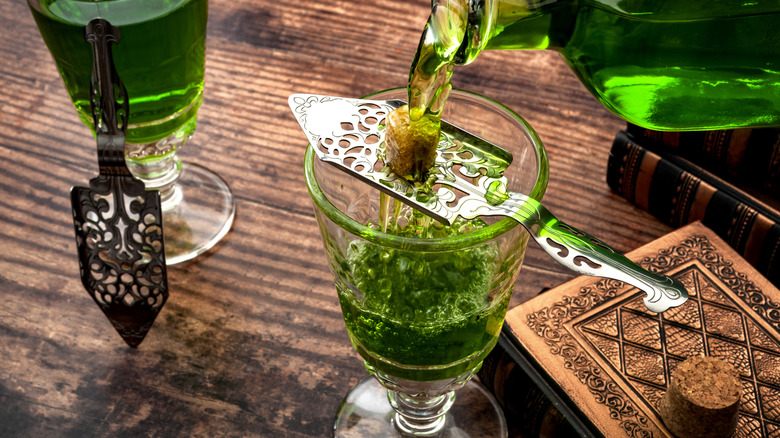
The word "absinthe" conjures images of wild nights and raging hallucinations. While contemporary wisdom understands that absinthe is safe to drink (in moderation, just like any alcohol), a moral panic over this boozy beverage had it banned in various parts of the world. Understanding more about the context of this will help you comprehend what all the fuss was about.
You might be wondering what absinthe is and if it will really make you hallucinate. Well, it's a botanical spirit that contains ingredients like wormwood, anise, and fennel. This combination gives the liquor its green color and distinct licorice-like flavor. But, no, it won't make you hallucinate any more than gin or vodka would. It was a popular drink in the 1800s, but rumors soon started going around that it caused convulsions, psychosis, and hallucinations. It's true that some ill effects could have been caused by alcoholism or by manufacturers adding toxic ingredients to cut costs, but the liquor wasn't inherently to blame.
Still, it was said the wormwood in absinthe (and particularly its active ingredient thujone) was to blame, and bans soon came into place. First to make this drink illegal was the Republic of Congo in 1898, followed by Belgium in 1905, the Netherlands and Switzerland in 1910, the U.S. in 1912, and France in 1915. It wasn't until the 1990s that the dangers of wormwood were disproved and bans on true absinthe started to be lifted. However, it wasn't made legal in the U.S. until 2007, and even then with limits on thujone content.
Caffeinated alcoholic drinks in the U.S.
If you're hoping to have a little extra pep with your alcohol in the form of caffeine, no can do in the United States. It's still legal to make drinks that mix the two substances, so your favorite espresso martini recipe or a Jägerbomb at the club isn't out of bounds. But there's a reason you don't find any highly caffeinated pre-mixed alcoholic drinks on the market.
As of 2010, the FDA outlawed caffeinated alcoholic drinks. Formerly, these had been available and were effectively like cans of Red Bull or Monster with added booze. Popular options included Core, Four Loko, and Joose. But, they were deemed unsafe for consumption and taken off the market. It might seem a little strange that you can order a vodka Red Bull in a bar, but this kind of thing can't be sold pre-mixed — but sometimes these rules don't make all that much sense.
The reasoning behind this ban is that caffeine makes people feel more alert, and this can lead them to believe they're less drunk than they really are. And, because they don't feel as intoxicated, they may keep on drinking beyond the point where they usually would, which is a health concern. According to the CDC, it may be linked to irregular heartbeat and high blood pressure. People who mix alcohol and caffeine are also more likely to drive while impaired, get in the car with a drunk driver, or engage in binge drinking.
Speedball beer in the U.K.
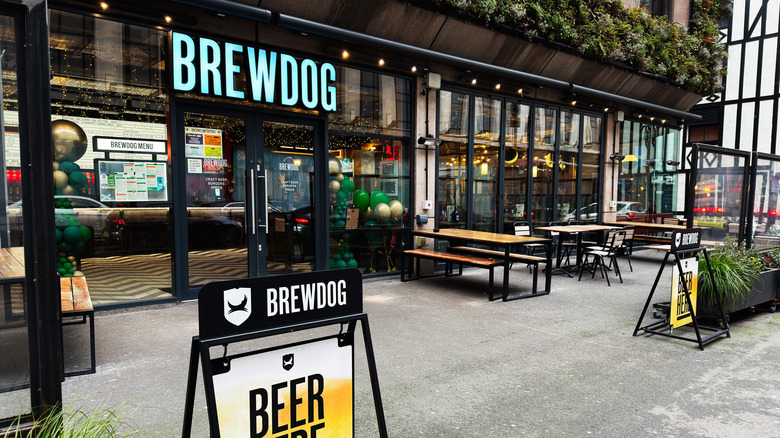
BrewDog certainly isn't short of controversy. For instance, one of many beer company secrets is that the independent brewery has been dragged through the mud over having a toxic workplace culture, alongside criticisms such as making a transphobic advert. So, it might not come as a huge surprise that one of its beers has been banned in the United Kingdom. This happened way back in 2009, but it hasn't been forgotten.
The reason for the ban wasn't anything to do with the beer itself, but rather the name. BrewDog made what it described as a "Class A strong ale" and called it "Speedball," per The Guardian. It might not seem like there's much wrong with that name, unless you know that it's the slang term given to a cocktail of heroin and cocaine.
A complaint was brought to drinks watchdog The Portman Group by Alcohol Focus Scotland, who said that the reference to and seeming acceptance of illegal drugs was inappropriate. This complaint was upheld and the drink was banned, at least under its name at the time. BrewDog said that it would change the name of the beer to Dogma. While the company may have thought it harmless, it does serve to trivialize drug use, particularly the use of hard drugs that can ruin lives, so this seems like a reasonable response to us.
Mister Cider in Russia
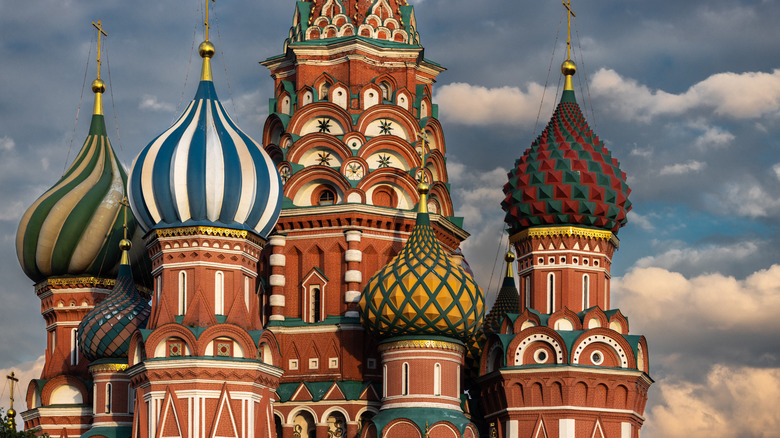
In 2023, a drink named Mister Cider in Russia was banned after its consumption had lethal consequences. While it was pulled off the market quickly, it was sadly too late for some people who had consumed the drink. It appears to be part of an ongoing issue with homemade alcohol being sold in Russia.
The drink was sold in the western regions of Russia, namely Ulyanovsk, Samara, Nizhny Novgorod, and Udmurtia. Over thirty people were reported to have died across these areas, plus dozens more individuals became sick from drinking it. After investigation, where the death toll was revealed to be more than 50 in total, the cider was found to contain dangerous levels of methanol, also known as wood alcohol or methyl alcohol. Methanol is different from, and far more toxic than, the ethanol usually contained in alcoholic beverages. People were prosecuted, and it was ordered for the drink to be taken off sale. There have been other cases of people dying from homemade or illicit alcohol in Russia, including a case where 77 people died in Siberia from consuming moonshine.
This is a tragic story, but one that clearly illustrates why there should be regulation surrounding alcohol. When things go wrong, it can have lethal consequences, so it's right that some amateur alcoholic drinks shouldn't be on the market. That's not to say that prohibition is the way forward, but it's vital to have some rules that make sure commercially available alcohol is safe.
Moonshine in the U.S.
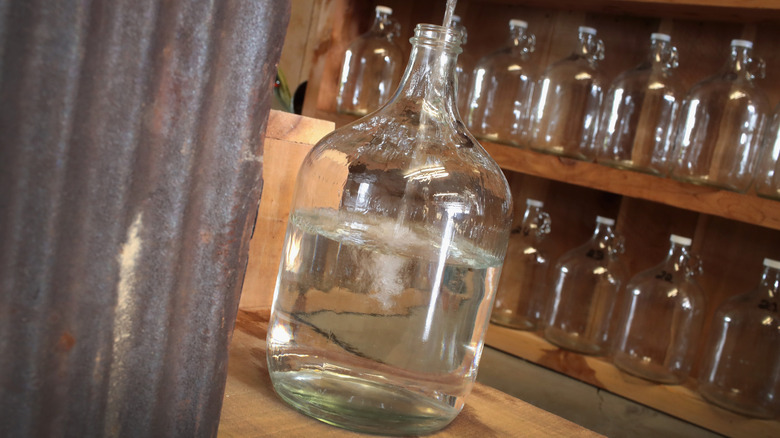
Moonshine is a generic term for liquor that's made illicitly. The term comes from the idea that these kinds of activities would be done under the cover of darkness, and is older than the Prohibition era, though was popularized in the U.S. during this period. You might assume that, with the lifting of Prohibition, distilling your own alcohol would be allowed, but it remains illegal — and is still the subject of appeals and legal dispute in 2026.
Distilling any kind of alcohol without a Federal Distilled Spirits Permit is against the law. So, if someone were to whip up a batch of moonshine today, they could get in trouble. Now, this might leave you wondering about alcohol that you can buy that's called moonshine. This is legal, but it's a matter of semantics.
Technically, any illegally distilled alcohol is moonshine, so once you get a permit and it becomes legal, you could argue that it's no longer moonshine. However, moonshine in the Prohibition era was usually unaged whiskey made using corn, rye, or barley. Some people make spirits in similar ways today, often in small batches, and sell it under the name moonshine, though they have a license to distill it. Legal liquor store moonshine is more of a marketing ploy to appeal to an old-timey aesthetic, and can even come in a range of flavors. But, if you want to brew up your own, that would potentially put you in trouble with the law.
Spirits and fortified wines in Norway
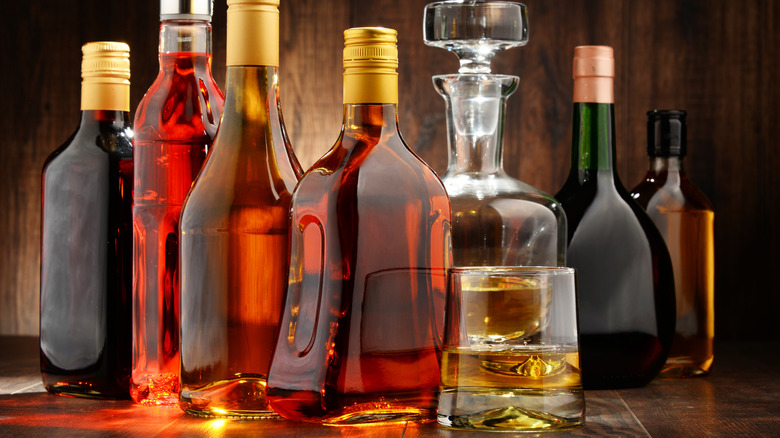
From 1916 to 1926, the sale of distilled spirits was banned in Norway, while fortified wines such as port and sherry were prohibited between 1917 and 1923. The restrictions were introduced due to concerns about excessive drinking and public order. For a while, the general public was in favor, but this changed over time.
Of course, banning booze didn't mean people suddenly stopped wanting it. Instead, there was a rise in smuggling and illegal distilling, as well as a thriving black market. There was also a major loophole for folks to exploit. Doctors were still allowed to prescribe spirits and fortified wine for medical purposes. At the time, many people still believed alcohol had medicinal value, and so having a prescription for them seemed legit.
As you might imagine, the system spiraled out of control. Some physicians earned the nickname "whisky doctors" because they wrote huge numbers of alcohol prescriptions. Authorities tightened the rules, but doctors kept on prescribing medicinal booze, and the whole affair got messy. We can see why people went to the doctor for whiskey in absence of other options, but it compromised the idea of prohibition.
Ultimately, the ban was too difficult to enforce and became more and more unpopular. Restrictions on fortified wine were lifted in 1923, and the prohibition on spirits ended in 1926. Alcohol consumption did fall somewhat during this period, but the growth of smuggling and prescription abuse showed that banning liquor often creates problems of its own.
Strong beer in Iceland
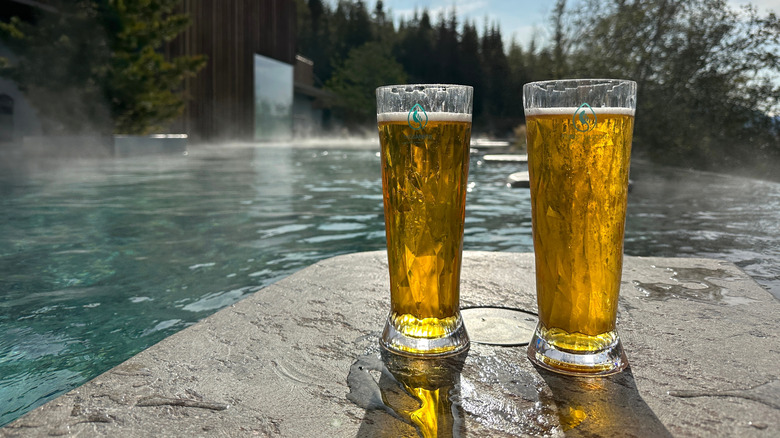
In 1915, Iceland enacted a prohibition. But, as in Norway, doctors still prescribed alcohol in large quantities and red and rose wine was soon legalized due to pressure from Spain. The whole thing was a bit of a shambles and was largely overturned by 1933. Yet, curiously any beer above 2.25% ABV was still banned, and this wasn't lifted until over 50 years later in 1989.
This seems like a very strange rule, so what was going on? Well, the reasoning behind it was simple, if potentially misguided. Beer was one of the cheapest types of alcohol available, so the authorities worried that, if it was legalized, people would start drinking it in large quantities and there would be a rise in alcoholism. You could argue that stronger spirits are more potentially harmful, due to their high alcohol content, but this wasn't the logic used. Instead, any beer over 2.25% was off the table. This is roughly half the strength of an average beer, so it effectively banned beer altogether.
The Icelandic people didn't give up so easily, however. It was common to be able to get beer illicitly, often through fishermen, and people would also tip the local spirit Brennivín into non-alcoholic beer. Later, in 1980, it became legal for Icelanders to import a limited quantity of duty free beer. This paved the way for the total end to the ban on beer in 1989.
Drop Vodka in the U.K.
Not all alcohol bans are the result of moral panic or prohibition. Sometimes, a drink is pulled from shelves because it simply isn't safe for people to consume. That was the case with Drop Vodka, an illicit brand that was discovered on sale across parts of the U.K. in 2011.
The Food Standards Agency issued a warning when tests found that bottles of Drop Vodka contained propan-2-ol and other substances that could be dangerous, with the potential to cause nausea, vomiting, or coma. Authorities also discovered that the product didn't contain enough alcohol to legally be classified as vodka. In the U.K., vodka must contain at least 37.5% alcohol by volume, but samples of Drop Vodka were found to be significantly below that threshold.
There were other red flags, too. The bottles didn't have any manufacturer details on them, making it impossible to trace where the product had come from, and featured suspicious labeling, including an invalid barcode and counterfeit duty markings. This dodgy booze was found for sale in small independent retailers, corner stores, and gas stations in various locations around England and Wales. Because of the potentially dangerous chemicals it contained, authorities warned people not to buy or drink the product and urged any stores to remove it from sale immediately.
Strong spirits in the Faroe Islands
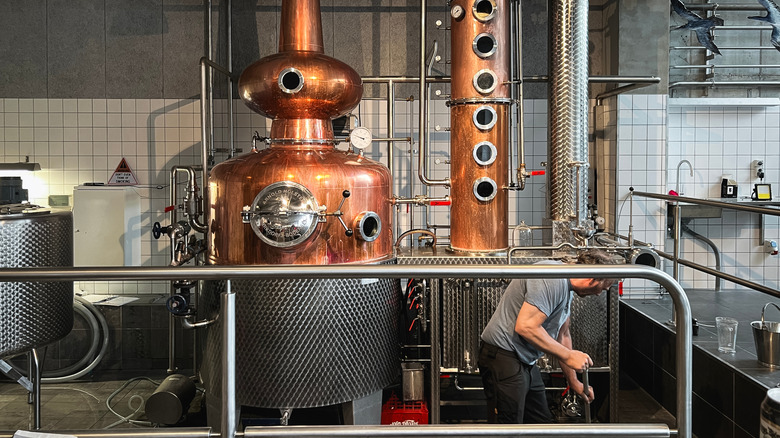
The Faroe Islands was home to a famously hard-to-reach Michelin-starred restaurant until 2022, but not all that long ago, you wouldn't have been able to drink a boozy beverage with your meals. For much of the 20th century, it was illegal to produce and sell strong spirits in the Faroe Islands. The roots of the ban stretch back to 1907, when a referendum prohibited the sale and production of strong alcohol. It didn't take booze totally off the menu, but did make it difficult to get hold of. And, it wasn't until as recently as 2012 that things totally changed.
From 1907, it was illegal for any alcohol other than beer of 2.7% ABV or lower to be produced. Things did change concerning access to booze over the years. From 1928, residents could eventually import limited quantities of alcohol from Denmark for personal use. However, local distillers were unable to legally produce strong liquor. This remained the case for a surprisingly long time, with these limits only lifted in 2012.
Today, the Faroe Islands have embraced craft spirits, producing whisky, aquavit, gin, and other drinks that draw inspiration from the islands' rugged landscape and local ingredients. This marks a big turnaround for a place where distilling strong alcohol was against the law well into the 21st century.
Spirits over 20% in Czechia
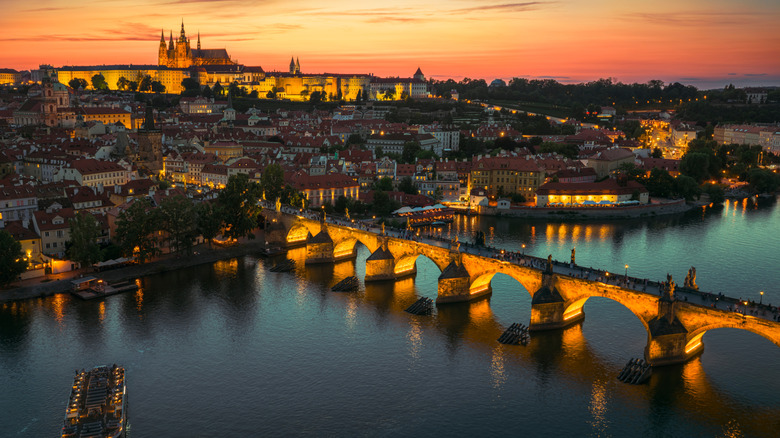
Czechia, formerly known as the Czech Republic, temporarily banned spirits over 20% ABV in 2012. But, unlike other cases where strong alcohol was banned, this wasn't down to a partial prohibition. Rather, this was a safety issue that the Czech government felt was serious enough to warrant a ban.
Back in 2012, a tragedy struck the nation. There was a case of poisoning that killed at least 20 people. It was caused by bootleg spirits and the issue was so pervasive that the government banned the sales of any spirits over 20% in stores by food and drink operators, such as bars and restaurants. Because it was unclear exactly which bootleg brands had led to these deaths and how far it reached, it was deemed safest to temporarily ban all strong spirits to avoid more loss of life.
Alongside the fatalities, around 30 people were admitted to hospital for treatment of methanol poisoning. In some cases, people went blind from the methanol, while others were put in comas to aid their recovery. It was the worst case of alcohol poisoning in Czechia for 30 years and, while the ban came sadly too late for some, it was able to reduce the number of people affected. Getting the word out likely also limited fatalities, because the chances of survival from this kind of poisoning increase when treated early, so the dramatic ban may have raised awareness and caused people to get their symptoms checked out.