

How Long Is The Typical Lifespan Of A Yeti Cooler?
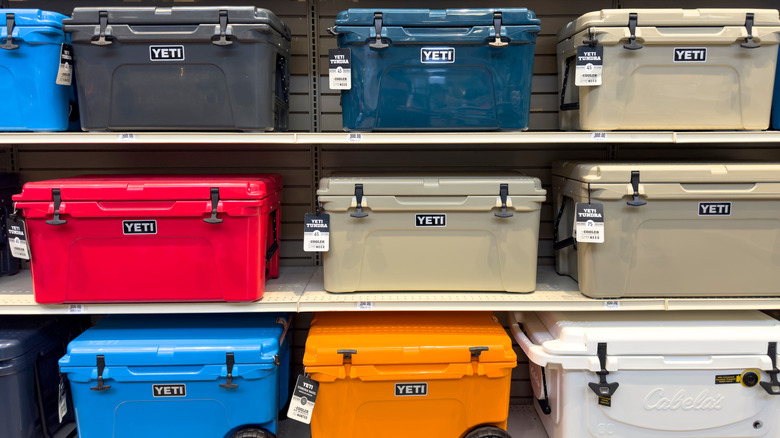
With the standard Yeti cooler costing hundreds of dollars, naturally, you're going to want to ensure it lasts a while. With the hefty price tag comes a heavy-duty design, built with longevity and durability in mind for camping trips and other adventures. While Yeti has not offered an official lifespan estimate for its coolers, it does offer warranties of several years, depending on the model. Customers, however, report having the coolers for far longer.
The Yeti Tundra, Roadie, and Tank coolers have a warranty of five years, while the Hopper has a warranty of three years. If you've purchased the item from a legit Yeti seller and have used the product as intended, the company will replace the coolers if something breaks or malfunctions during the warranty period. You can expect the coolers to last much longer than this, though.
On Reddit, it's easy to find plenty of posts from loyal Yeti customers sharing how long they've had their coolers for. One user shared a photo of their cooler, stating, "12 years and still going." Other users had similar experiences, saying their coolers were still going strong after anywhere from seven to 10 years. The long lifespan and durability are thanks to the cooler's rotomolded construction, a process that creates an incredibly sturdy, single-piece shell that's more resistant to cracks, impacts, and warping. Yeti had one major recall due to loose magnets in 2023, but other than that, the quality of the product is generally highly regarded.
Proper care of your Yeti cooler
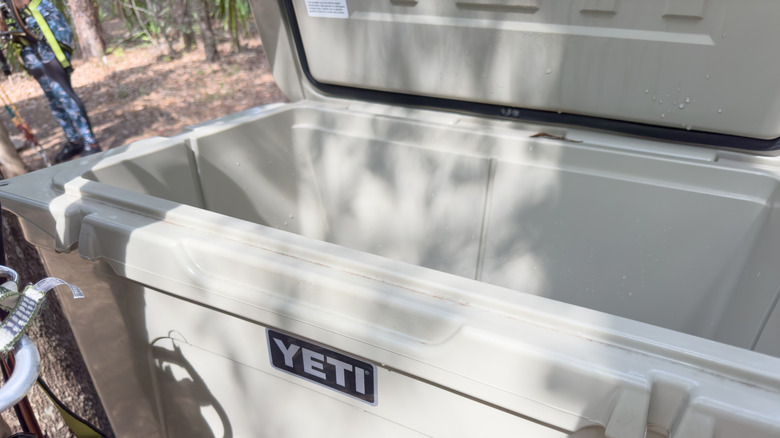
Yeti's hardware is designed to last for a long time, but it can also be replaced if necessary. Even if you use the right strategy to pack your cooler, this becomes pointless if it doesn't seal correctly and keep the cold in. The rubber latches and drain plugs on the Yeti can be swapped out if they wear with age and use, extending the cooler's usable life even further.
These coolers are intended for heavy use in extreme conditions, so they can certainly take a beating. While scratches, scuffs, and small dents are bound to happen, these are mostly cosmetic damage. The cooler is almost certainly going to be outside when in use but consider storing it indoors to protect it from unnecessary sun, dirt, and grime exposure. Sunlight can fade the exterior color and age rubber components, while dirt and grime can wear on the rubber components over time.
Cleaning your Yeti properly is also important. After each use, empty melted ice and food debris, then wash the interior with warm water and dish soap; a small amount of bleach mixed with water can be used for heavier cleaning. Leaving moisture, spills, or food residue inside for extended periods can lead to unpleasant odors or mildew. This is especially true if the lid is closed while the cooler is still damp. Before storing it, allow the interior to dry completely and leave the lid slightly open whenever possible to improve airflow.