

How 12 Old Hollywood Icons Liked Their Steaks
For average folks, a perfectly cooked steak can be the pinnacle of luxury. But for celebrities in Old Hollywood, steak was often more than just a dish for celebratory occasions — it was a way of life. In the mid-20th century, Hollywood was teeming with film stars sporting epicurious tendencies with very specific tastes, especially when it came to the cuts and cooking methods of these prime bits of beef.
To pay homage to this glamorous bygone era, we compiled a list of the steak preferences of some film icons from the Golden Age of Hollywood. Some of these steak dishes were served at classic California restaurants, like the legendary Perino's, while others were thoughtfully prepared in the comfort of the actors' own kitchens. This list contains everything from dishes you might still be able to find at fine dining establishments, to personal recipes that these celebrities simply couldn't live without. You might just find a bit of inspiration for your next dinner party, or trip to the steakhouse.
Hedy Lamarr had a thing for steak tartare
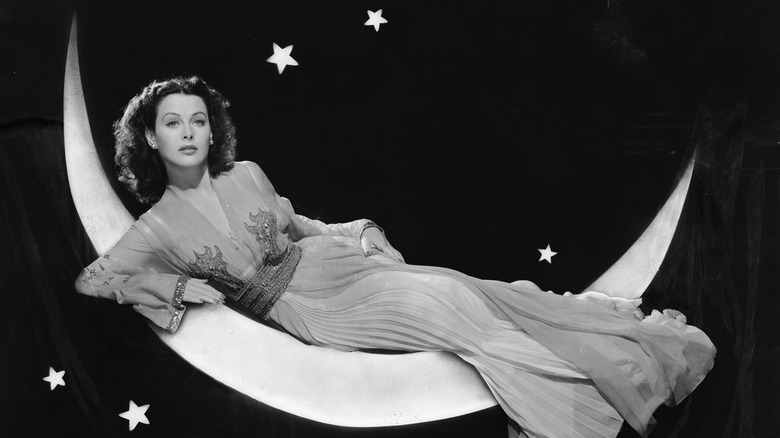
Hedy Lamarr dominated the silver screen in the 1930s and '40s, and she followed a strict diet to maintain her iconic looks — sometimes taking her regime to the extreme. In a 1970 interview with the New York Times, it was reported that Lamarr didn't drink or smoke, and really only ate one meal a day, which was often steak tartare. In this classic French dish, chopped raw steak is formed into a patty-like shape with raw egg yolk acting as a binder. To impart some flavor, ingredients like tangy mustard, briny capers, or salty anchovies can be added to the mixture.
Fellow Hollywood star Irene Dunne corroborated Lamarr's preference for steak tartare in her own interview, with historian John Kobal in 1972. Nonetheless, Dunne couldn't help but note the juxtaposition between the classic beauty and the unappealing pile of raw meat that sat on the plate in front of her. Who knows? Maybe Dunne didn't see the steak tartare perfectly plated when it first arrived at the table. After all, neglecting the garnishes is one of the key mistakes everyone makes when preparing steak tartare.
Marlon Brando regularly ordered steak picado

Hollywood legend Marlon Brando was known to frequent Casa Vega, a Mexican restaurant in Sherman Oaks, California, that opened in 1956. His go-to order? Steak picado. In a 2024 interview with the New York Times, Miko Castaneda Brando, one of the iconic actor's sons, said that his father loved the food so much, that he'd visit the restaurant at least once a week — for decades.
If you've ever tried steak picado, you might actually understand why Brando would consume it weekly. In the Mexican version of this classic Latin dish, steak is finely chopped and simmered low and slow with vegetables like tomatoes, bell peppers, and jalapeños. The dish is often served with rice, but Brando had a very specific set of accompaniments for his steak picado: a corn-tortilla quesadilla and a crisp Carta Blanca beer.
If the sound of that makes you hungry, you're in luck. Casa Vega is still in operation at its Ventura Boulevard location — just know, Brando's favorite steak is no longer on the menu. But, if you're able to dine there, you might just understand why The Godfather himself was a regular at Casa Vega, as well as at these other restaurants where Marlon Brando loved to dine.
Joan Crawford opted for charcoal broiled steak

Hollywood legend Joan Crawford liked her steak charcoal broiled. And while this may seem simple, in the 1939 book "What Actors Eat – When They Eat," a 1939 cookbook compiled by actors Rex Lease and Kenneth Harland, the actress detailed her personal recipe, remarking that a broiled steak was her specialty, and that she enjoyed making it — as well as eating it.
Though there aren't many bells and whistles to the recipe, Crawford was diligent about preparation, noting that it was important to choose a thick steak. She let the natural meatiness of the steak shine by keeping the seasoning rather straightforward: salt and pepper, with a garlic clove rub and brushed-on butter. As for accoutrements, the star opted for pungency, choosing to make a roquefort cheese and mustard sauce. Crawford was definitely on to something with this recipe, because when it comes to balancing the rich, fattiness of the meat, it's obvious that your steak is begging for blue cheese.
Ray Crash Corrigan liked steak with tomato sauce
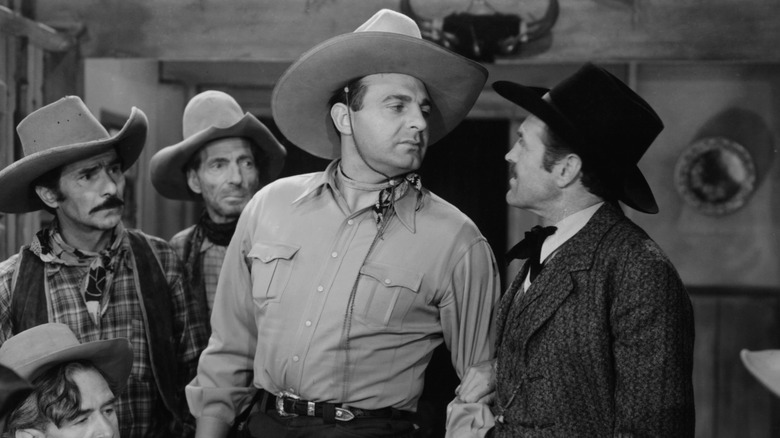
Ray "Crash" Corrigan, known for his work in Westerns, explained in "What Actors Eat – When They Eat" that his favorite dish was directly tied to his adventurous spirit. Famously known as one of "The Three Mesquiteers," Corrigan's go-to was steak with tomato sauce.
The steak, which, according to the recipe, should be ¼-inch thick and pounded by the butcher, is seasoned with salt and pepper, dusted with flour, and then seared in the hot, rendered fat — in a cast iron skillet, alluding to Corrigan's cowboy spirit. Once the meat starts to turn color, the steak is then transferred to a Dutch oven, where it's cooked low and slow in a spiced tomato sauce.
It seems that Corrigan's appreciation for steak extended beyond his own carefully detailed recipe. In 1982, his son Tom Corrigan opened a California steakhouse in his name. Beyond slinging juicy steaks, Corrigan's Steakhouse also served up some nostalgia in the form of "Crash" Corrigan photos and memorabilia, but closed shortly after Tom's death in 2018.
Nelson Eddy favored Steak Sauce De Luxe
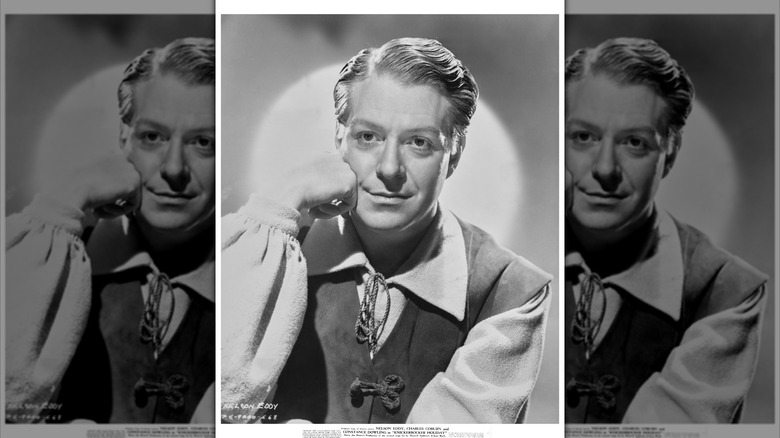
Classically-trained singer and Old Hollywood film star Nelson Eddy didn't mention any particular cut of steak in his recipe, rather, he described how to make a certain special sauce — his own. He contributed the recipe for Steak Sauce De Luxe in "What Actors Eat – When They Eat," claiming that he didn't think anyone could make one better. The recipe was one that his mother used, but he said he didn't know its original source.
Eddy seriously hyped up the recipe, but what exactly does it entail? It starts out innocuously enough with butter, but you might raise your eyebrows at the addition of ketchup. The sauce also includes paprika, dry mustard, wine vinegar, and Worcestershire sauce.
Aside from the curious ingredients, Eddy makes a point of highlighting the technique — saying you should place the butter in one half of the pan, and a blend of ketchup and Worcestershire sauce in the other half, before stirring it all together with the other ingredients. Top any steak with Eddy's sauce and, as it says in his recipe's headnote, it's "guaranteed to produce a beaming expression."
Ruth Chatterton served up Beefsteak à la Victor Hugo

A prominent actress in Hollywood's early talkies, Ruth Chatterton also had a mean recipe for Beefsteak à la Victor Hugo — a rich porterhouse with a béarnaise-style sauce. She didn't provide detailed instructions for preparing the steak, simply noting that the porterhouse should be broiled. As for the sauce, Chatterton's recipe calls for cooking minced onion and vinegar together before straining, then adding a bit of butter, lemon juice, and the juices from the steak. The sauce is finished off with a bit more butter, some salt and pepper, and a pungent kick of grated horseradish.
She shared her recipe in the 1931 magazine Favorite Recipes of the Movie Stars, which noted that the celebrity would serve this 20th-century classic to friends when they'd stay at her beach cottage. Though the magazine alleged that the recipe wasn't too time consuming, it doesn't seem like the type of recipe you'd find in a modern cook's repertoire. But who knows? Maybe it's worth taking a cue from Chatterton and trying your hand at Beefsteak à la Victor Hugo for your next gathering. No worries if it's not your speed. You can always whip up one of these 56 gourmet dinner party recipes to impress your guests instead.
Barbara Stanwyck preferred her steak nearly raw
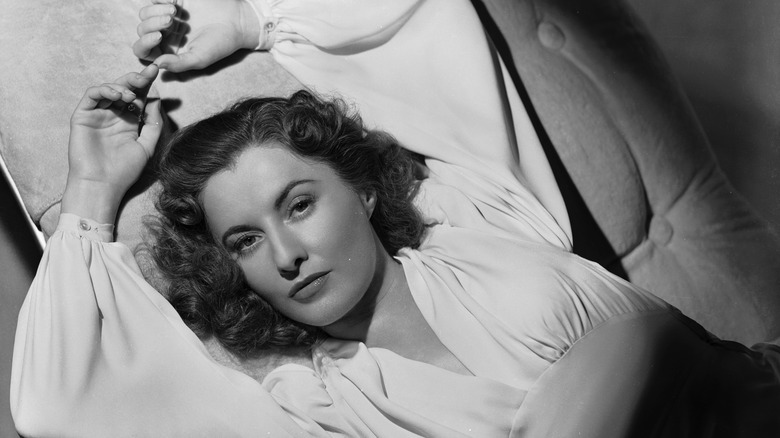
"Double Indemnity" star and film noir icon Barbara Stanwyck reportedly preferred her steak on the rarer side — ultra rare, that is. In a 1954 interview with Los Angeles Times' columnist Lydia Lane, Stanwyck admits to sometimes eating steak three times a day, and even said she enjoyed it for breakfast, further claiming that consuming it helped her shake a series of colds that wouldn't go away otherwise. That might seem like a lot of meat for any given day, but, Stanwyck also told the beauty columnist that she thought that a proper diet was the key to a flawless complexion.
Stanwyck is also said to have had a taste for another take on raw steak, steak tartare, which is basically just chopped raw steak, with a slightly fancier presentation, and a bit more seasoning. The actress's personal recipe for this French classic includes green bell pepper, a bulb of a scallion, cracked pepper, and an optional egg yolk. She recommended serving it alongside generously buttered pumpernickel bread. A combination that certainly makes for an interesting, if not very balanced, meal.
Mae West drank raw steak juice
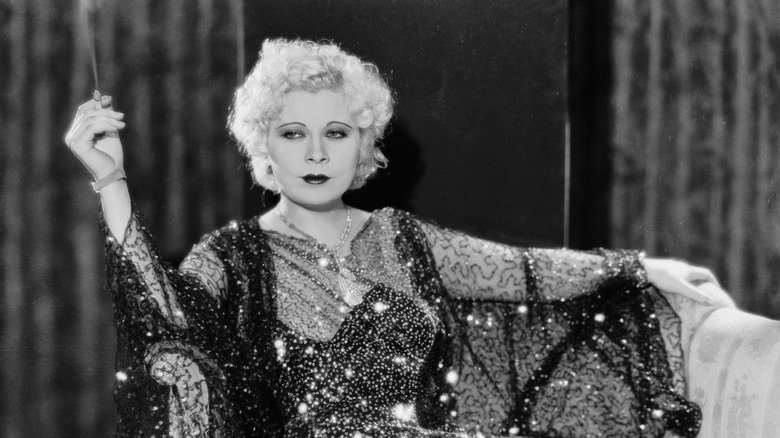
Mae West was a sex symbol both on stage and on the silver screen, and she worked hard to maintain her alluring figure. Though dieting was common among starlets, West had a rather peculiar food habit that kept her in tip-top shape, thanks to the influence of her prizefighter father, John Patrick "Battling Jack" West. In a 1954 interview with Los Angeles Times beauty columnist Lydia Lane, West said that she drank chicken broth with an egg in it, or raw steak juice, for energy — explaining that her father emphasized the importance of what food did for your body, versus how it tasted (via Neglected Venus).
Yes, that's correct. The dazzlingly famous Mae West didn't just like her steak raw, she preferred to guzzle its raw juices. If a ritual like that seems a bit extreme, that's because it's generally considered unsafe. Consuming raw meat, or its juice, is risky business, as according to the National Capital Poison Center, these substances can harbor dangerous bacteria, such as salmonella, E. coli, and listeria, that can lead to food poisoning.
As far as Old Hollywood steak preferences go, you should probably give this one a pass (sorry, Mae). Nonetheless, she wasn't the only celebrity to make mealtimes weird. There are actually a bunch of celebrities with bizarre food habits, and some of them are truly shocking.
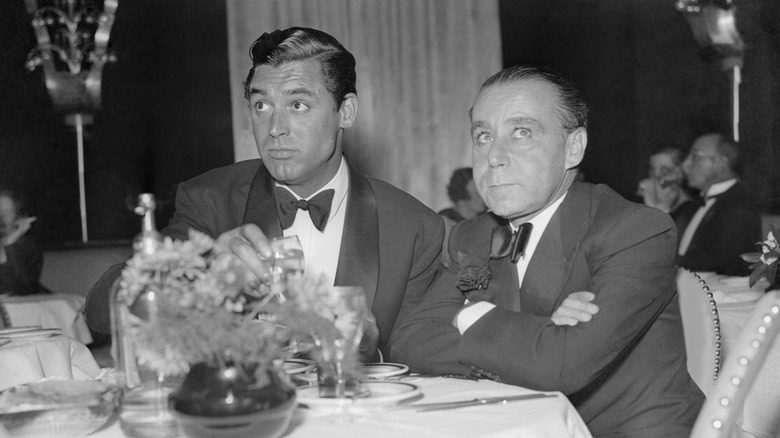
Cary Grant dined on Steak Diane
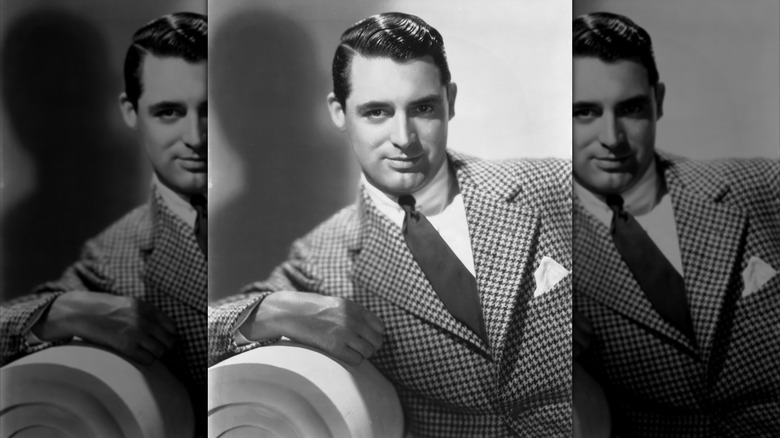
Old Hollywood leading man Cary Grant is reported to have shown a preference for steak Diane, which he enjoyed at none other than the legendary restaurant Perino's. This ultra-fine dining establishment was the place to be during the Golden Age of Hollywood. Known for its luxurious peachy pink interior and high-end cuisine, it was a favorite spot for celebrities to dine. It's only fitting that such an establishment would offer steak Diane, in all its blazing glory. And, it makes perfect sense that the effortlessly elegant Cary Grant would select it from the menu at this Hollywood hotspot.
Steak Diane is a certifiably retro dish, and it comes with a heaping helping of tableside theater. Traditionally, steak Diane features a melt-in-your-mouth filet mignon that's seared in a hot pan until perfectly rare. It's paired with a simple pan sauce, but the real star of the show comes when the steak is flambéed, often in brandy. Steak Diane is polished but oh-so dramatic, much like the roles Cary Grant scored in some of his most famous old Hollywood films. And though the flaming dish is reminiscent of the mid century, it should be noted that steak Diane has Roman origins.
Boris Karloff opted for steak and kidney pie

Iconic "Frankenstein" actor Boris Karloff was partial to a dish that, to modern American tastebuds, might sound just as spooky as the monster he portrayed in the 1931 horror movie — steak and kidney pie. As Karloff notes in the 1939 book "What Actors Eat – When They Eat," the dish is a classic English one. No matter the origin, it's one that doesn't particularly read as very appetizing.
Karloff's recipe calls for six kidneys (from which species of animal isn't made clear), as well as two pounds of lean beef. In terms of prep work, there's the unpleasant task of slicing the kidneys in half and removing the channel, which means cutting out its veins and other unwanted pieces. The kidneys then get to soak in a saltwater bath overnight, before being seared in a pan with the beef, and some garlic. The meat is then braised in one pot while in another peas, diced carrots, onions, and potatoes are boiled. After making a gravy with the remaining meat and vegetable liquid, all the ingredients are poured into a dish containing three sliced, hard-boiled eggs. That whole hodgepodge is then covered with a pie crust to bake in the oven, until golden brown. Maybe it tastes better than it sounds. If so, bon appétit!
Claude Rains enjoyed flank steak roulade
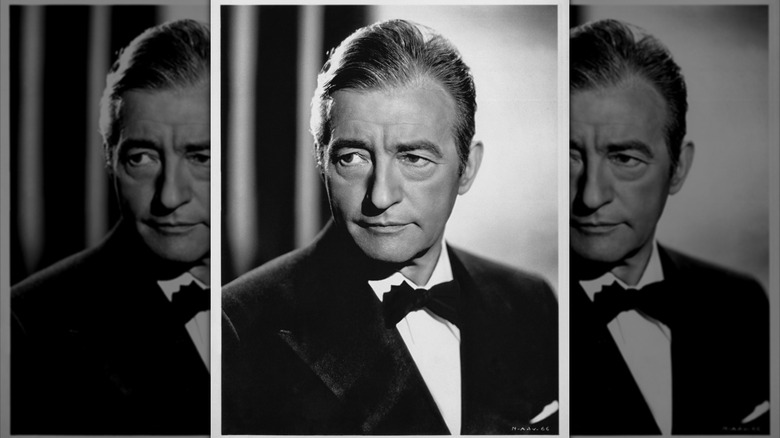
Known for iconic performances in films like "The Invisible Man" and "Casablanca," Claude Rains favored an iconic French dish: flank steak roule, or roulade. In "What Actors Eat – When They Eat," Rains shared his personal recipe, which called for 2 pounds of flank steak along with an onion, bread crumbs, butter, sausage, celery, salt, and pepper.
He recommended that you task your butcher with pounding the steak flat before moving on to the next steps. Once the meat is prepared, you brown the onion in the butter, and then combine it with all the other ingredients to make a savory filling. This filling is then layered on top of the pounded steak, then rolled into a log before being secured with toothpicks and braised in watered-down vegetable soup. Once the meat is tender, you can slice into it to reveal the spiral design for which the dish is known. It seems like a lot of effort, but it doesn't seem too far of a stretch to draw a link between Rains' masterful performances, and the seriously intricate dish he said he whipped up in his very own kitchen.
Raymond Walburn liked shoulder of beef with wine sauce
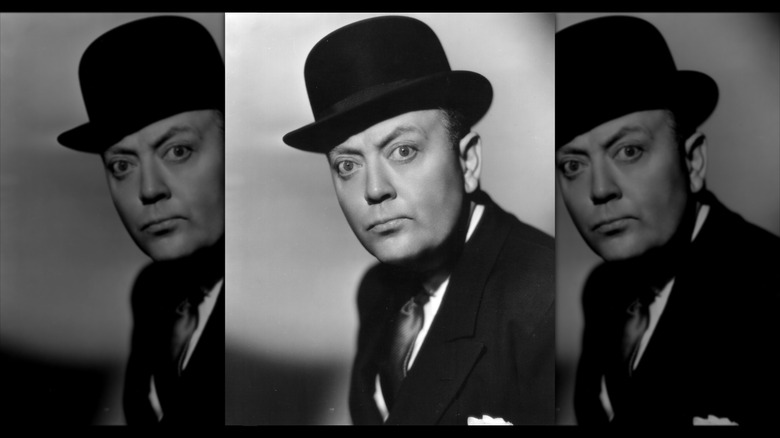
Renowned character actor of Old Hollywood Raymond Walburn claimed he was partial to shoulder beef with wine sauce. He shared a specific recipe in the 1939 book "What Actors Eat – When They Eat," which calls for a hefty lean shoulder of beef. The cut of meat is marinated in a serious helping of red wine, sliced onion, and whole spices, like bay leaves and cloves. To really imbue the flavor, the recipe recommends letting the beef marinate for a full 24 hours in the fridge.
After the prep work is complete, the shoulder of beef should be seared on both sides, in butter or olive oil, before adding the wine back in, and then braising it in the oven until it's fall-apart tender. To really round things out, Walburn suggested stirring flour and sour cream in with the remaining braising liquid, for an unctuous gravy. Though he might have been known for his comedic roles, Walburn took this dish rather seriously, recommending it be served alongside some top-notch burgundy wine. A fine glass of red paired with a hearty helping of braised beef is certain to make for one delicious dinner.