

What Dinner Parties Were Like In The '70s
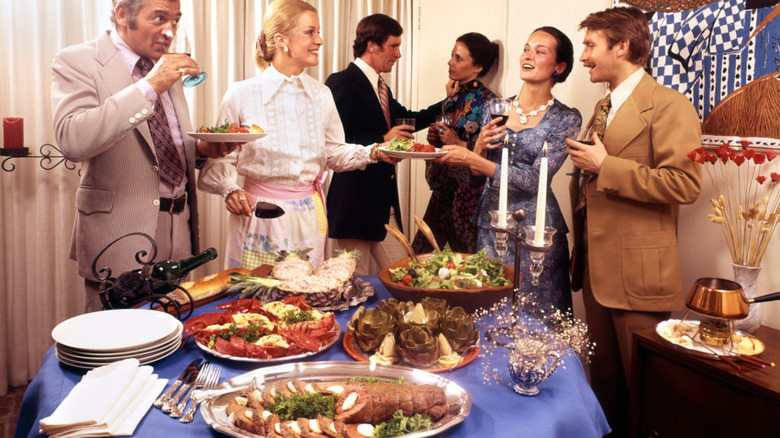
The 1970s is a decade known for its extravagant kitschiness rather than its elegance, even if some folks at the time considered their soirees the height of sophistication. If you've ever wondered what dinner parties were like in the '70s, get ready for a blast from the past. From the kinds of foods cooked and the way they were presented to where guests ate and other dinner party logistics, there was more to these occasions than you might imagine.
We've delved into the archives of certain publications, looking at roundups of some of their '70s issues to see what people were eating and how entertaining was viewed back then. We also looked at Reddit threads featuring people who were throwing or attending dinner parties at the time, gathering real insight into the ins-and-outs of these kinds of '70s shindigs.
In some ways, a dinner party in the 1970s wasn't all that different from inviting friends and family over for dinner today. It was a chance to try out your most impressive recipes and have fun with your people. But, in other ways, it was totally different, with garish arrangements of food served in smoke-filled rooms. Here's what it was like at a 1970s dinner party.
Dinner parties in the '70s moved away from the dining room
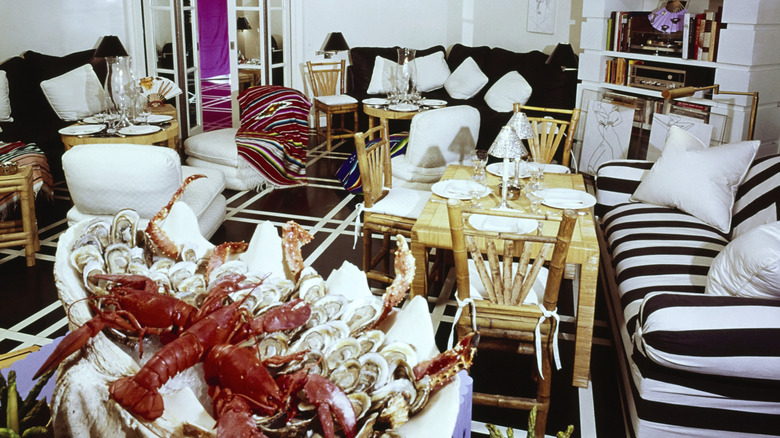
Before the '70s, the dining room was seen as the only place to host a dinner party. Having a separate dining room may have been considered a status symbol, showing your friends and neighbors you were doing well enough not to have to eat in your kitchen or living room. But, these kinds of affairs started to become more relaxed in the 1970s and hosting them in a dining room wasn't necessary.
Especially as the decade wore on, people started to get tired of fussy dining table arrangements, perhaps being seated next to strangers for "balance" and to attempt to force conversation in a mixed group. People started to serve dinner at their kitchen dining tables for a more relaxed feel to the evening. This could also be helpful for whoever was cooking — let's face it, probably the woman in a hetero couple during the '70s — to have help on hand when needed. It was also nicer to be able to chat to guests while cooking, rather than being shut away in the kitchen between courses.
So, if you went to a dinner party at this time, you may well end up eating in the kitchen or having your dessert on the couch in the living room. Anything to make it less stuffy and more of a relaxed, convivial evening.
Food was often arranged elaborately on platters
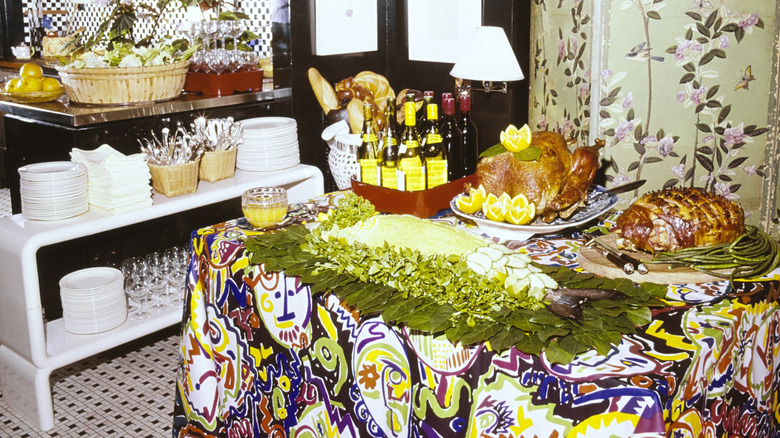
You may have seen pictures of impressive, if sometimes disturbing, '70s tablescapes. Well, this isn't just the stuff of vintage cookbooks, people really did arrange their food elaborately. Sometimes on hyper-specific tableware that might only be used for one thing, such as a butter dish or an oyster platter.
Often these arrangements were fun and over the top. The banana candle is an often-cited example, because it seems too hilarious to be real, but it genuinely graced dinner tables everywhere. It consists of a banana arranged upright in a dish, with a creamy sauce drizzled down the sides and a red glace cherry on top. Make of that what you will. That might be one of the strangest, but there are countless examples of elaborate platters of food from the '70s that look bizarre by today's standards but were the height of dinner party sophistication.
It wouldn't have been at all surprising to have turned up to a '70s dinner, only to be confronted with an intense tablescape that most folks today wouldn't find too appetizing. But, it was the era for it — folks cleared their plates, even of the more questionable combinations, and finished the night with a game of Twister. No harm, no foul.
Dips were considered particularly sophisticated
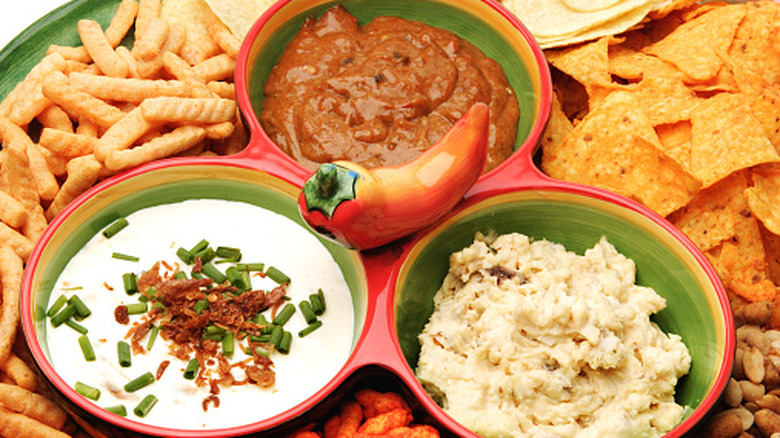
There are all kinds of dips that are popular today, so it's not a surprise that people liked them back in the '70s. But, what is a bit unusual is that they were considered particularly sophisticated and would have been a bit of a flex at a dinner party. So, you probably would have been served some kind of dip and it would have been a talking point.
Take hummus, for example. Today, you can pick it up at basically any grocery store as a cheap and cheerful option. Even when it's homemade, it's often considered a bit of a boring addition to a spread, unless it's done well or served in the right context, such as part of a mezze platter. But, in the '70s, it was a high-brow offering, showing the hosts were worldly and knew about Middle Eastern food and obscure ingredients such as (gasp!) chickpeas.
Dips at dinner parties of this era were often served with crudites and breadsticks. And, back then, even the most basic grocery store breadsticks were seen as quite fancy. This is a far cry from the kinds of dishes you might put on the table to impress your guests these days, but we appreciate the purity of it.
Progressive dinner parties spread the load
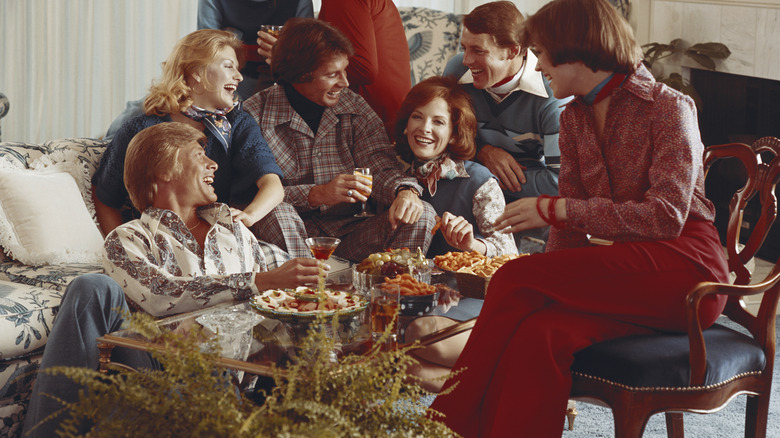
If you were getting involved with neighborhood activities in the 1970s, you probably had some progressive dinner parties in your calendar. These weren't dinners where guests sat around and talked about tackling racism and sexism — though a lot of folks probably could have benefited from that — but rather parties that took part over a range of locations. This helped spread the load of hosting and meant nobody had to put in too much time and effort.
Progressive dinner parties often took place between neighbors living within a block or two or each other, though some people may have done this over longer distances, driving from one spot to the next. The idea was that one household would provide each course, so you might go to Betty and Sue's for the appetizer, Barb and Tom's for the main course, and Nancy's for dessert.
This aligns with the unfussy nature of dinner parties in the '70s. Throughout this decade, entertaining and socializing at home was commonplace, particularly in the suburbs. It wasn't always meant to be an elaborate affair, sometimes it was just a way to hang out with your friends without having to spend money at a restaurant or organize childcare. Progressive dinners were another way to do this in a low-key way that was more manageable than one person doing it all themselves.
One food was often used as a vessel for another
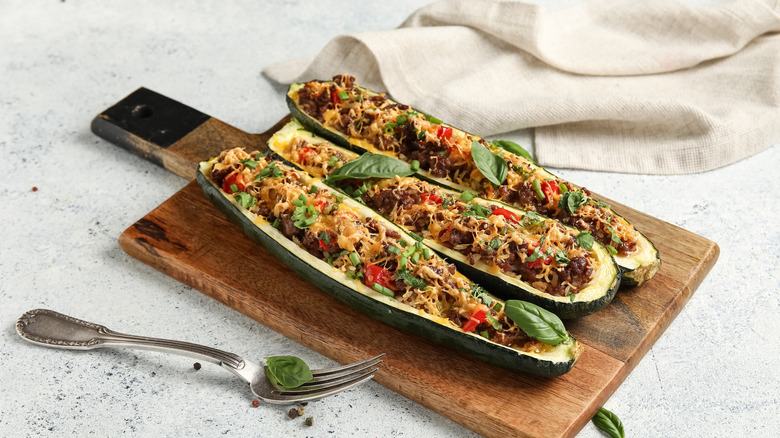
It wasn't uncommon in the 1970s to find one food used as a vessel for another. It's the kind of thing that might be considered on the kitsch or tacky side today, but was considered highly sophisticated. Which actually sums up the '70s quite nicely. Remember, this was a time when certain foods that we consider commonplace today were seen as 'exotic' and worldly, so it's not a surprise that people were using them as edible crockery.
Avocado boats or stuffed avocados were popular in the '70s and would have made a fancy starter, particularly filled with that other vintage favorite: shrimp cocktail. There's also a particular 1970s Bon Appétit recipe for "Artichokes Italian" where a whole fresh artichoke is stuffed with ingredients like mushrooms, carrots, and fontina cheese. This Italian food writer can tell you that the recipe is not Italian at all, but when did the people of the '70s let a little thing like authenticity stop them?
You may have also found zucchini boats on the menu in the '70s. These are zucchini sliced lengthways with the seeds scooped out, filled with things such as crab and mayo, more veggies, or that old reliable '70s dinner party appetizer, the shrimp cocktail. Whatever the veggie, it was pretty avant-garde to fill it with something else and call it dinner.
Molded foods were still surprisingly popular at '70s dinner parties
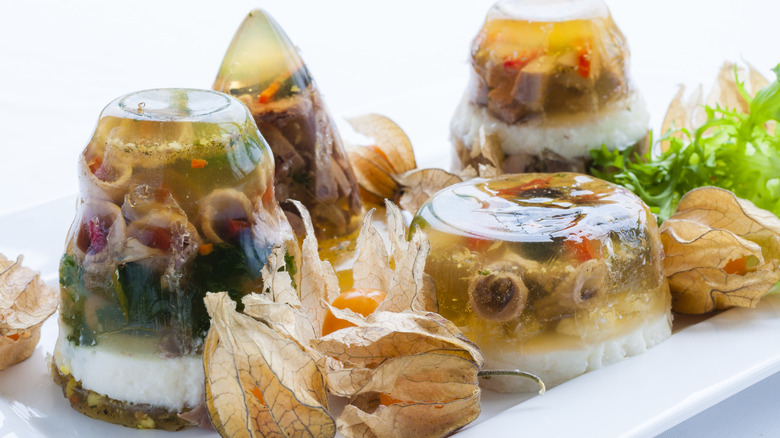
There are some '70s foods that deserve a comeback, whereas others should be relegated to the annals of history. The molded foods that were popular at '70s dinner parties certainly belong to the second group. You might think of the Jell-O salads of yore as being something you'd find in the '50s and maybe '60s, but the trend was actually still going strong well into the 1970s, evidenced by cookbooks from this era.
So, what kinds of molded foods might you have found at a dinner party in this decade? You've got your molded Jell-O salads, which might be filled with fruits and marshmallows in a basically reasonable manner, or they might contain canned meats and veggies suspended within them — something that should never have been allowed. You could actually buy savory Jell-O until the mid-1970s, when its popularity declined, but you'll still find plenty of recipes that are happy to mix savory ingredients with sweet gelatin.
You would also find terrines set with gelatin and other molded items, like the ubiquitous cheese log or ball, covered with diced nuts. Molded tuna salads were somehow acceptable and molded pâtés would have been seen as extremely fancy. It truly was never a dull moment at '70s dinner parties.
It wouldn't have been unusual to get the fondue set out
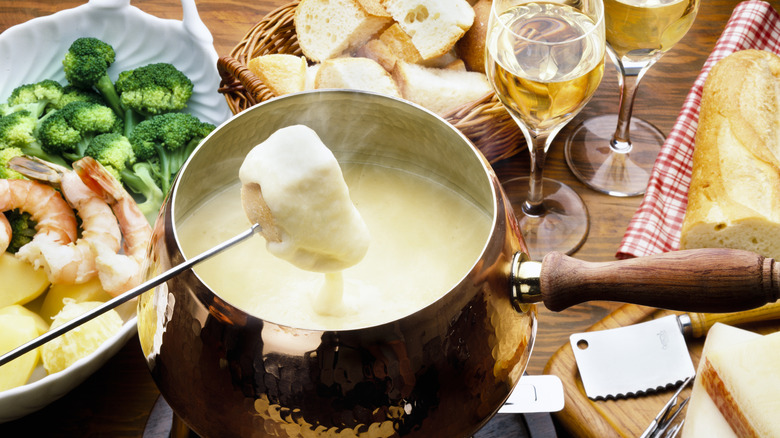
The fondue pot is a '70s stereotype for a reason. People really were all about this niche dining gadget during the decade. Fondue sets were extremely popular, and hauling it out for a dinner party wasn't unusual. If you knew your neighbor had a fondue pot, you'd probably be pretty excited to be invited over for dinner.
If you're wondering what fondue is and how you eat it, it's essentially a blend of melted cheeses (often Gruyère and Emmental) mixed with white wine, and sometimes a splash of kirsch. It's served with veggies, cooked meats, and cubes of crusty bread for dunking. The set consists of a fondue pot over some kind of flame or warmer to keep the contents melted and dippable, and long forks to spear chunks and dip them. But fondue didn't always have to be savory. For dessert, there was the option of putting that pot to good use making chocolate fondue, with strawberries, banana chunks, or pound cake cubes.
You'd be fairly surprised if you turned up to dinner at someone's house today and there was a fondue pot on the table. But, really, it's basically the perfect dinner party food. Hosts don't have to do much other than cube some bread and chop some veggies, and who among us doesn't love melted cheese?
'70s dinner party recipes may have used convenience foods
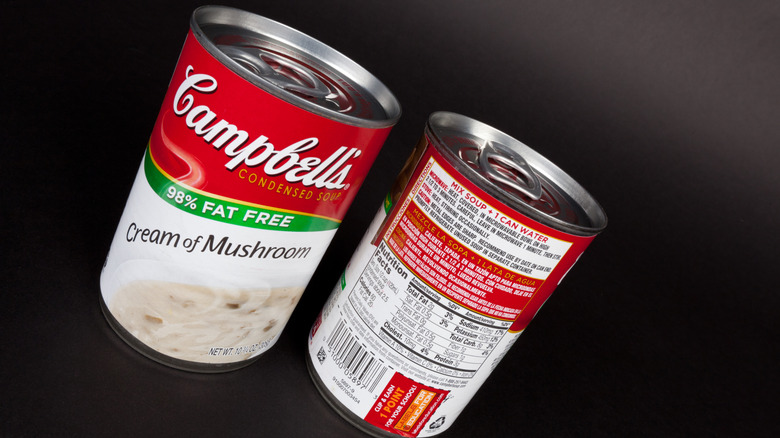
These days, when you invite someone over for a meal, you probably look up elaborate dinner party recipes and impress your guests. I know I always make my life harder by crafting as much as I can from scratch, whipping up focaccia to go with meals or making hand-pulled noodles. I'd never dream of serving a ready-made pasta sauce or supermarket dips. But, in the '70s, it was quite usual to use convenience foods to make dinner party dishes.
You'd often find casseroles or other dishes that relied heavily on cream of mushroom or cream of celery soup. Instant mashed potato was also a totally acceptable thing to serve your guests, whether made into mash or used as an ingredient in other dishes. Hosts might also serve up meals made using frozen ingredients like fish sticks or canned ingredients like pineapple. These were seen as very acceptable shortcuts for a dinner party, and weren't necessarily looked down upon by your average home cook.
This was a time when women were entering the workforce more, but still largely took care of the cooking, housework, and caregiving responsibilities, so it's no wonder that they were looking for ways to speed up entertaining. These kinds of packaged goods were often also seen as futuristic and aspirational, so there wasn't the same stigma against them that there is today.
Booze often flowed freely
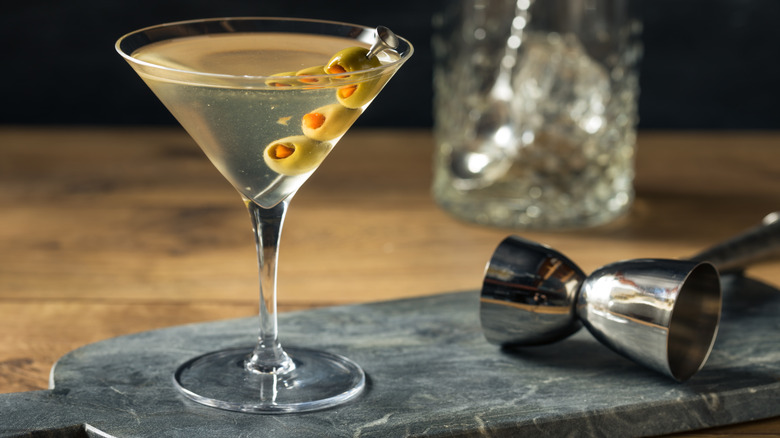
Of course, there would have been some households that didn't serve alcohol or did so sparingly, but booze was often applied liberally to dinner party situations. Some people may have served old-school cocktails, with a vodka dry martini being a sophisticated choice. Others would have served wine and beer, though choices were more limited, so you wouldn't have had craft beers or natural wine on the table. But whatever alcohol was on the menu, it was likely flowing.
This was a particularly boozy time to be alive, when it was still pretty normal for a drinks cart to come around workplaces on a Friday and for everyone to spend the afternoon sozzled. Sherry was a popular choice in the '70s, as were liqueurs like Grand Marnier and Benedictine. It wasn't unusual to find cream and milk in punches and cocktails, which is considered quite sickly today.
It's unlikely that people would have sipped a single glass of wine and gone home for an early night. Rather, alcohol was a big draw and people would have often gone home sloshed. Many households would have had a healthy liquor cabinet, so pre-dinner cocktails would have been easy to whip up from what many folks had on hand.
Smoking indoors was the norm
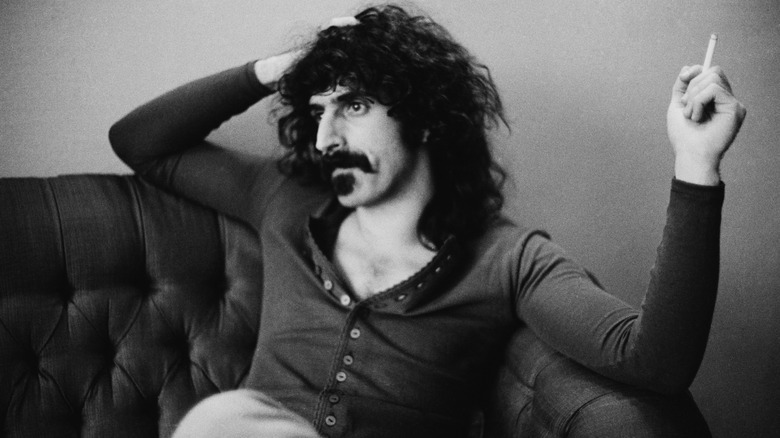
There are some dinner party rules you should never break. Today, it would be absolutely wild by many folks if you just lit up a smoke after dinner, but that was par for the course in the '70s. In fact, by all accounts, 1970s dinner parties were fairly smoky affairs. Having cigarettes inside was still the norm for anyone who smoked, whereas today smokers often go outside to light up.
The amount of smoke around the dinner table was significant enough that second-hand smoke may have been an issue for those who didn't partake. Although, many people would have been used to this and folks were presumably more accustomed to being in smoky environments. Even non-smokers were accommodating. It was usual to have an ashtray for guests even if you didn't smoke yourself.
Over the years, there has been a huge shift in the way people perceive smoking, and rightly so. We know the health risks all too well, and few smokers would want to inflict their habit on anyone else by lighting a smoke indoors, much less at somebody else's dinner party. But times were different back then, and if you wanted your friends to come over for dinner, you had better be prepared to let them smoke in your living room.
People may have played cards or games after dinner

We all know that dinner parties aren't all about the food and drink. The chance to spend time with the people in your life that you care about enough to cook for is another reason to host. Just like today, people may have played cards or games after dinner. Of course, every household was different, but this was a fairly common occurrence.
In some cases, people set up full-on card tables. Popular '70s card games included spades, old maid, pinochle, and rummy. Charades was another common game in the '70s, involving one person acting out a clue for their team mate to guess. This might be something you basically only see in movies today, but in the '70s, it was all the rage. Board games would also have been a way to round out the night for some families, though there weren't nearly as many options as there are today, so classics like Monopoly or Scrabble would have dominated.