

How To Order At A Cocktail Bar, According To Experts
We may receive a commission on purchases made from links.
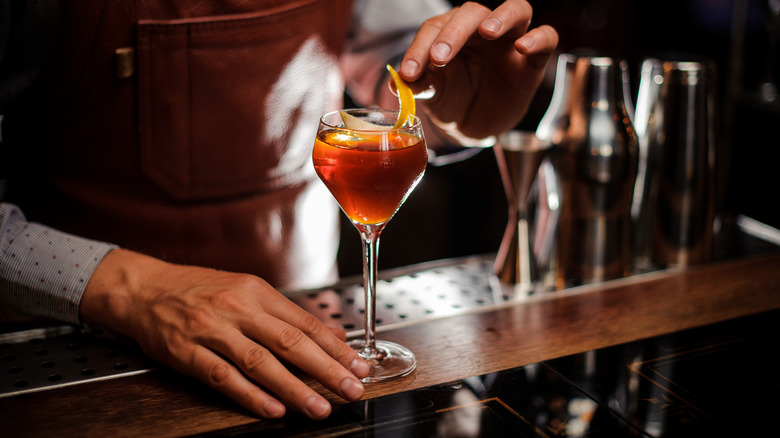
Have you ever shown up at a cocktail bar, hoping to score yourself a delicious drink, only to end up with something overly sweet or so boozy it makes you wince? The world of cocktails is vast, and everyone has their own preferences, so it's easy to end up with something you don't love. But once you learn how to order at a cocktail bar, everything changes. No longer will you choose a cocktail just because you know the name or you think it's trendy; you'll have the tools to discover what you genuinely enjoy.
As a former bartender and general cocktail fan, I have some idea of how to order confidently and find the right drink for you. But I wanted to get some true expert advice to back this up, so I spoke with four people in the industry. Chris Tunstall is a former mixologist and owner of barware company A Bar Above. Chrissy Sheffey is the general manager of Doyle Bar in Washington, DC. Guillermo Bravo is the beverage director of Chicago-based two-Michelin-star Ever and its sister bar, After. Jennifer Brian is a spirits professional, co-founder of craft cocktail company Make & Muddle, and author of "Classic Cocktail Revival."
Thanks to their extensive experience, I've gathered a range of tips for ordering at a cocktail bar more confidently and in a way that leaves you with a drink you enjoy. It's not about faking it or pretending you know everything, but rather knowing what questions to ask and gradually building up your bank of knowledge.
Understand what you're ordering before you do so

We get that cocktail menus can be daunting, especially at upscale bars that use ingredients you've never heard of, but don't go in all guns blazing. Some people like to pretend they know what they're doing, but this isn't the way to go. Take the time to figure out what a drink will be like before you go ahead and order it. This can stop you from making an expensive error.
"One of the biggest mistakes I see is people not understanding what a certain cocktail is going to be," says Chris Tunstall. "They hear a popular name a lot, like Martini or Negroni, and it sounds sophisticated and exotic, and they just assume they're going to like it without knowing it's a really intense cocktail." He notes that those particular drinks are spirit-forward and boozy, plus a Negroni is notably bitter, so they're not to everyone's taste. "Don't be afraid to ask your bartender what a drink tastes like or tell your bartender what flavors and drinks you already know you enjoy so that the mixologist can direct you to the right cocktail for your preferences," Tunstall adds.
Guillermo Bravo agrees that you should always ask the bartender about any ingredients you aren't sure of or for a general picture of what the cocktail is like. "You can Google things, but a bartender will always give you a much better idea," he remarks.
Choose cocktails that contain spirits you enjoy
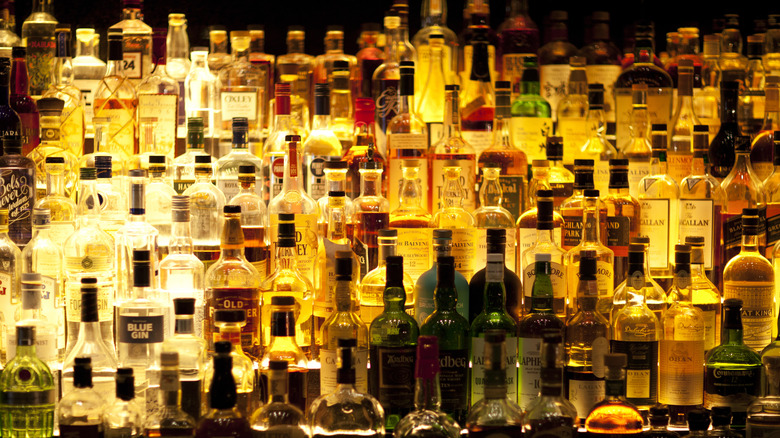
If you're looking at a cocktail menu and have no idea where to start, think about the spirits that you generally enjoy drinking and go from there. Although cocktails contain a mixture of ingredients, you should still be able to taste the alcohol in a good one, so the type of liquor they contain matters. You're not going to suddenly start loving bourbon because it's in a whiskey sour.
"What spirit do you love?" Jennifer Brian recommends asking yourself. And "what spirit have you avoided since that fateful night in college when your bestie held your hair?" This gives you a jumping-off point. She also notes that you can use this information to get recommendations from your bartender. Even letting them know whether you prefer clear or dark spirits is helpful.
Although the main spirit in a particular cocktail isn't the only factor that dictates whether or not you'll like it, this can give you a clue. It can help rule out some options and exclude some choices that you'll almost definitely dislike. It's a simple way to narrow your options without needing to ask for help, which is ideal in a busy bar. Then, when you've got a couple of drinks to pick from, it's quicker and simpler to inquire about.
Ask about any spirits or ingredients you aren't sure of

While it's sometimes good to figure out what you want without help, it's also fine to ask. Unless you're a cocktail expert yourself, there are always going to be ingredients on a menu that stump you. And they can really make or break a drink. So, always be willing to ask about spirits or other ingredients you don't recognize.
"I have been in the hospitality industry for more than 3 decades and there are still some esoteric ingredients that I come across in elevated cocktail establishments that I need more info on," says Jennifer Brian. So, it's not just you. Experts sometimes need advice too. "Don't be afraid to ask questions and get curious about what is on the menu," Brian adds. "Mixologists and bartenders love to talk about their craft and the creations on the menu."
Chris Tunstall seconds that you shouldn't be afraid to ask when you don't know what a cocktail or any of its ingredients will taste like. He recommends asking the question, "What is another cocktail that I might know that it tastes like?" to get a read on the situation. "I think that's really, really helpful to ask for a comparison so you understand what you're ordering and if you're going to want to drink an entire cocktail's worth of it," he says.
And don't be concerned that because an ingredient is unfamiliar, you may not like it. "That rare liqueur you've never heard of may be your new favorite flavor profile in a cocktail," Brian remarks.
Learn to communicate what kinds of cocktails you like
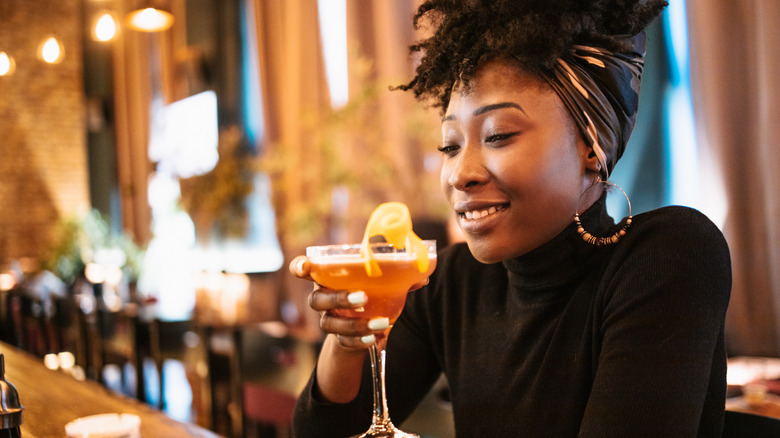
One of the best ways to get better at ordering cocktails is to work out how to communicate what you like. We all know how much of a difference clear communication makes in virtually all aspects of life, so don't leave that at the door when you enter a cocktail bar.
"You don't need to know cocktail names to order confidently," says Chrissy Sheffey. "Tell your bartender whether you enjoy something refreshing, citrus-forward, spirit-forward, fruity, smoky, bitter, or sweet." These are useful descriptors that will help a bartender find you a drink you like.
"Tell the bartender what you're feeling like, such as 'I want something light and refreshing' or 'I don't like really sweet drinks; I enjoy the spice of rye whiskey," suggests Chris Tunstall. "Using adjectives is a very helpful way of describing your preferences, even if you aren't familiar with particular cocktails or ingredients." Once you have a few cocktails that you know you like, it's even easier to ask for recommendations. You can name-check a handful of favorites, and this should give your bartender an insight into what you like.
Jennifer Brian advises communicating whether you like drinks that are balanced or more spirit-forward and whether you prefer them sweet, citrusy, or boozy. "If someone hates the boozy taste of spirits in their cocktail, ordering a martini is a disaster in the making," she remarks. "Knowing they love a margarita and are currently exploring bourbons and ryes is the perfect info I need to introduce them to the world of whiskey sours," Brian adds.
Choose the right questions to help you learn about unfamiliar cocktails

When you head to a cocktail bar, you might know a bit about some of the classics, but there are bound to be unfamiliar cocktails on the menu. These might be deep cuts that have been around for a while but aren't exceptionally popular, or they could be signature cocktails created by that particular bar. Either way, it helps to choose the right questions to learn about unfamiliar cocktails.
"You don't have to know everything about cocktails to order well," Guillermo Bravo remarks. "You just have to communicate." If you come across an ingredient that you are unfamiliar with, don't hesitate to ask about it," says Jennifer Brian. She recommends asking, "What is the flavor profile?" and whether it's bitter, sweet, or sour. You could ask, "What would it remind me of?" or "Is it a variation of a classic cocktail I might know?" These questions will help you work out if it's something you'll like.
"Ask what the bartender enjoys about it," Chrissy Sheffey suggests. "Ask how it's typically served, what flavors to expect, or what it's similar to if you've never tried it before," she adds. This can help open up a conversation that could lead to top-notch recommendations.
Get confident with variations on classic cocktails
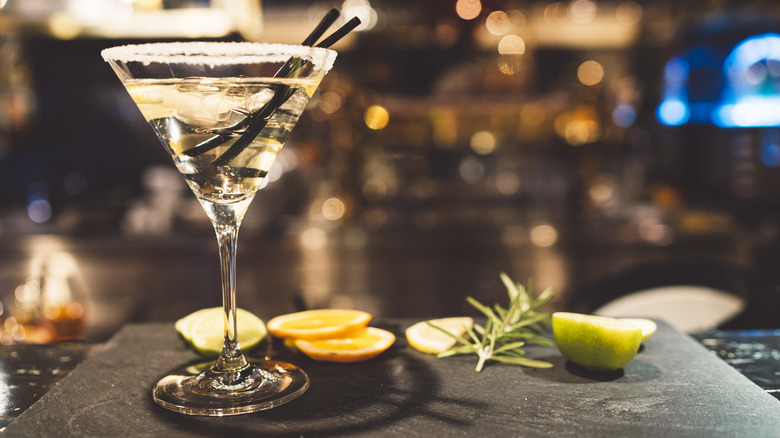
Many classic cocktails have common variations. These can be drinks like Daiquiris that have various fruit flavors, or cocktails made with different spirits depending on your preference. Learning a bit about the common variations of some classic cocktails will help you order with confidence — and will likely give you a drink you'll like better.
"The Martini is probably the most famous cocktail with variations," says Chris Tunstall. "You should definitely know the difference between a Dry Martini (heavier on the dry vermouth) and a Dirty Martini (the addition of a little olive juice)." Chrissy Sheffey tells us about some other common Martini variations, such as a Wet Martini, which contains more vermouth, making it softer, and a Gibson Martini, which contains cocktail onion brine and is similar to a Dirty Martini. "You can also specify gin or vodka and whether you'd like it stirred or shaken," Sheffey notes. "None of these choices are 'right' or 'wrong,' they simply create different expressions of the same classic cocktail," she adds.
Sheffey notes that Old Fashioneds are also good examples of this. "While the classic uses bourbon or rye, many bars offer variations featuring rum, tequila, or other spirits, each bringing its own personality while maintaining the cocktail's familiar structure," she says. When you know a few common variations, you can more easily tailor your drink to your preferences.
Tell your bartender about any dietary requirements
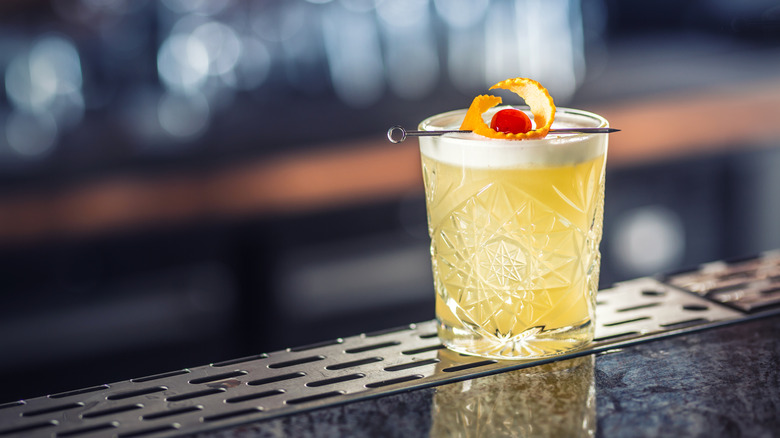
If you have any dietary requirements, it's important to tell your bartender or server. You might think that you're unlikely to run into any common allergens in a cocktail bar, but you might be surprised. "Many cocktails contain ingredients that aren't immediately obvious, including nuts, dairy, honey, egg whites, sesame, or gluten-containing modifiers," Chrissy Sheffey tells us.
"Don't wait until after the drink has been made, and don't assume an ingredient will be obvious from the menu description," warns Guillermo Bravo. Bars don't always list every ingredient on a menu and might just describe the main flavor profiles or list the primary ingredients. You can get an eye in for this, though. For instance, if a drink has a foam, it's likely made with egg whites, unless a bar specifically chooses to use vegan or allergy-friendly alternatives.
"One issue is that fancy cocktail bars might fat wash their spirits in a non-vegetarian ingredient or add a garnish like bacon," notes Chris Tunstall. So, if you're vegetarian or vegan, this is something you should mention to avoid being served up something unsuitable. Don't rely on it being obvious that a drink contains an allergen or something that doesn't meet your dietary requirements.
Lean into what a cocktail bar is good at
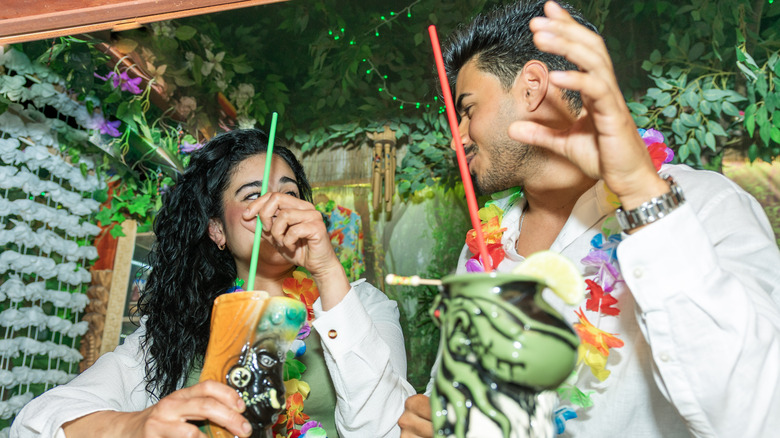
You're always going to get better drinks if you lean into what a particular establishment is good at. Even if that's not necessarily your drink of choice, you might end up with something you love because it's a particularly good example. If you head to a Tiki bar, for instance, you might want to choose a Tiki cocktail like a Zombie, even if you're someone who usually avoids sweet drinks.
This can also mean that there are establishments where you should avoid ordering certain types of drinks. "In the same way I probably wouldn't order pizza at a sushi restaurant, I wouldn't order a highly complicated cocktail at a neighborhood dive bar," says Guillermo Bravo. "A dive bar can make you a fantastic Hamms & Malort, or $5 gin & soda; let them do what they do best," he adds.
"If you are ordering craft cocktails in your neighborhood dive bar, they might not be trained up on making more complicated mixed drinks or even have the right ingredients," says Chris Tunstall. "So for me, it really is about matching the cocktail to the establishment." Chrissy Sheffey agrees that playing to the strengths of the bar you're in will give you a better experience. "If you're at a craft cocktail bar known for fresh ingredients and house-made syrups, ordering something frozen or overly sweet may not showcase what that bar does best," she says.
Ask for modifications, within reason

When ordering cocktails, it is okay to ask for modifications, but only within reason. To get the best drinks and avoid annoying the staff, it's a good idea to learn what changes are normal requests and which will leave the drink worse for it.
"Cocktails are designed with intention, so changing three or four ingredients may create something the bartender knows won't work well," says Chrissy Sheffey. "In those situations, it's often better to ask the bartender to recommend a different cocktail that's already built around the flavors you're looking for," she advises.
"Every single ingredient has been specifically chosen to really highlight their tastes and what they're trying to share with the world," Chris Tunstall remarks. "So asking for substitutions could be fine for standard cocktails, but if it's one of their specialty cocktails, I would probably avoid it unless there's a really good reason for it." So, asking for a vodka Martini is fine, but asking for big changes to a specialty cocktail will leave you with a different drink entirely.
And, naturally, not everyone agrees on this. "There are different opinions on this that vary from mixologist to mixologist, but I am in favor of guests drinking what they like," says Jennifer Brian. She recommends letting bartenders know your preference, and they'll tell you if they're not able to make the changes you've requested.
Pick your moment if you have a lot of questions
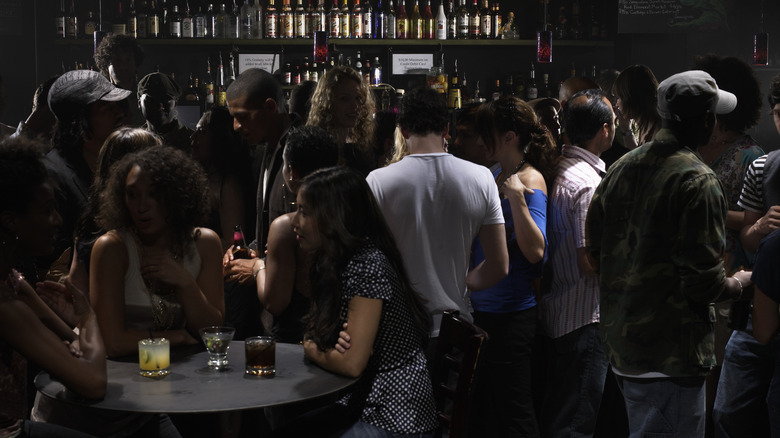
While we're absolutely all in favor of people asking questions, it can be tricky at times. If you head to a packed bar, it's not necessarily fair to ask the bartender to drop everything and spend 20 minutes walking you through the menu. So, it's a good idea to vibe it and pick your moment if you want a lot of hand-holding.
"If you are a brand new drinker and you walk into a bar and you see that it's packed, you should not be asking the bartender a lot of questions," says Chris Tunstall. "They're not going to have the time to give you, and you've chosen a bad time to go experiment with what to order," he adds. That's not to say that you can't ask what a particular ingredient is or ask for a recommendation based on your likes and dislikes. But you probably shouldn't ask the person taking your order to talk you through every cocktail on the menu.
"I recommend going out on a Monday or Tuesday night when it's really slow and chatting up the bartender then," suggests Tunstall. "If it's not busy, they'll probably be more than happy to work with you to find what you like," he says. But heading to a bar on a Friday or Saturday and hoping for a lot of help and advice isn't going to make you a favorite customer.
Choose a cocktail you like

It's easy to get self-conscious about what you're ordering, especially if you're in a craft cocktail bar and you're with people ordering Negronis or other complex, boozy cocktails. But you should order the kinds of drinks you like, even if those are sweet, fruity, and come with tiny umbrellas. That's not to say that you shouldn't branch out if you want to try something new, but don't feel pressured to conform to the latest trends.
"The biggest mistake I see guests make is not ordering what they like to drink in an effort to be more adventurous or drink trendier cocktails," says Jennifer Brian. But there's no reason to drink things you don't like in an effort to be cool. "There are ways to expand your cocktail repertoire without risking a cocktail that you don't like," Brian adds.
Chrissy Sheffey also warns against ordering based on a cocktail's popularity rather than your actual preferences. "People ask for an Espresso Martini or an Aperol Spritz because it's trending, even though they don't enjoy coffee or bitter flavors," she says. "A great cocktail isn't about what's popular, it's about what you like." She advises talking to your bartender about the kinds of drinks you like and getting recommendations if you want to branch out but still get something you're into. As Brian puts it, "Life is too short to drink something you don't like."