

Tartar Vs Horseradish Sauce: How Are They Different?
We may receive a commission on purchases made from links.
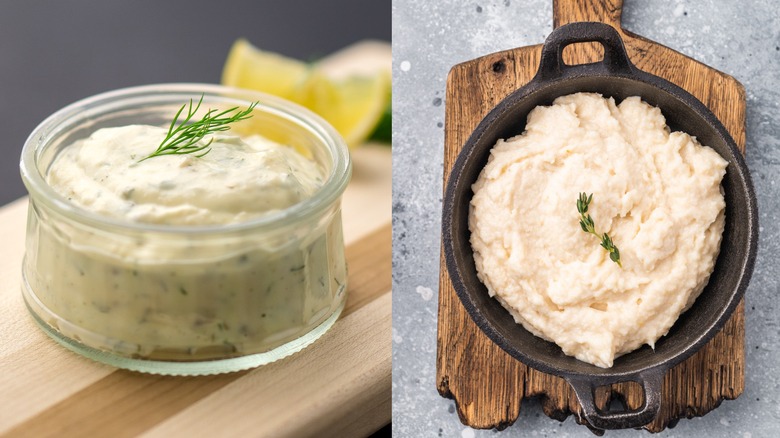
A creamy, bold sauce can truly elevate a meal, whether it's drizzled on top of a dish or served alongside for dipping. However, it's important to pick the right one, and not every white, creamy condiment offers the same flavor profile and benefits. Two common choices are tartar sauce and horseradish sauce. It's relatively easy to remember how one differs from the other based on their ingredients, taste, and typical food pairings. Tartar sauce is mayonnaise-based and swirled with relish. Horseradish sauce is a creamy concoction characterized by the sharp zing of its namesake root.
It is important to note that, unlike French "mother sauces" or various long-used condiments, neither tartar sauce nor horseradish sauce is strictly defined by a single established recipe and process. Both are best thought of as categories of sauce, with individual brands or restaurants sometimes putting their own spin on the ingredients and preparation. At a fundamental level, there's not much these two sauces have in common, other than their initial appearance and the fact that they're both available bottled or jarred in most supermarkets for those who don't want to prepare their own.
Tartar sauce: chunky, mayo-based, and seafood-focused
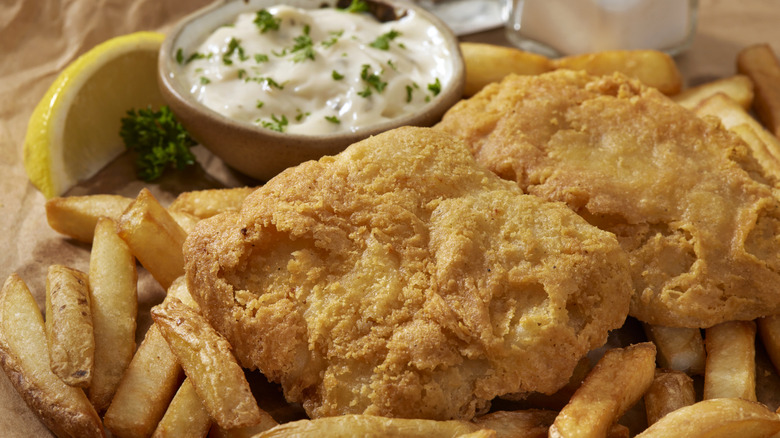
The version of tartar sauce we know and love today was developed in French kitchens in the 19th century. It was initially created to accompany the similarly named steak tartare, a classic dish of diced, dressed, uncooked beef pressed into a patty. It's a noteworthy departure from where you'll commonly find tartar sauce in modern times. Now, it is paired most often with seafood, particularly fried fish. Its creaminess and subtle pickle influence simultaneously contrast and balance the rich fried flavors. It settled into this modern role in the 1920s when mass-produced versions began appearing on store shelves.
Tartar sauce's unique profile starts with its creamy mayonnaise base. Chopped pickles or relish are added, giving the mixture crunch and texture, and may be accentuated by capers or diced shallots. A blend of fresh herbs, citrus juice, and supporting condiments like mustard, Worcestershire sauce, or hot sauce rounds out the list of potential ingredients and helps make a good tartar sauce recipe taste complete.
Horseradish sauce: smooth, spicy, and versatile
Unlike more modern tartar sauce, horseradish has been consumed for thousands of years and used in condiment recipes for hundreds. Ancient Greeks and Romans used horseradish root medicinally, but it began to accompany food for flavor reasons as early as the 16th century.
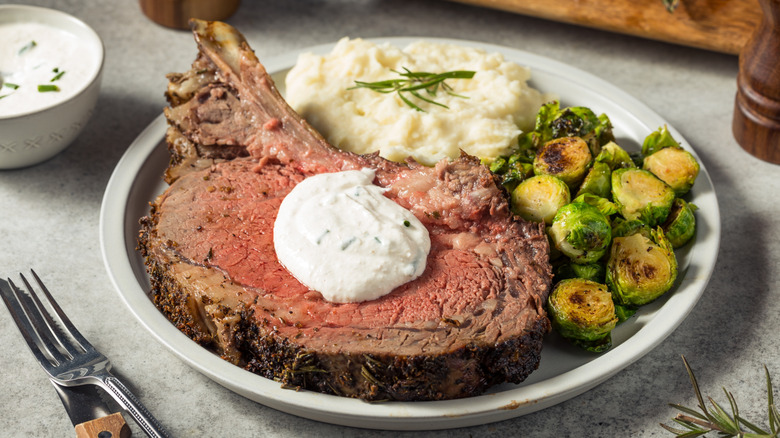
Horseradish sauce derives its creaminess from a few different ingredients that vary from recipe to recipe. Mayo, Greek yogurt, crème fraîche, heavy cream, and sour cream are typical components of a homemade horseradish sauce base. One or more of these inclusions serve as the mellowing delivery vehicle for potent, spicy horseradish, which can be freshly grated or added from a convenient jar of prepared horseradish. The result is smoother and more uniform than tartar sauce and adds a lot more spice. Horseradish sauce is often used to amp up the deep flavors of prime rib and steak, or counterbalance the salty smokiness of ham or other cured meats. It's also at home on many fish dishes, particularly salmon.
Although they're both delicious, it's critical to keep tartar sauce and horseradish sauce straight to make the most of your meals. Whether you're experimenting with the correct way to fry catfish or making chef-approved upgrades to prime rib, remember these simple but important distinctions between the two.