

Mistakes To Avoid When Buying Beer
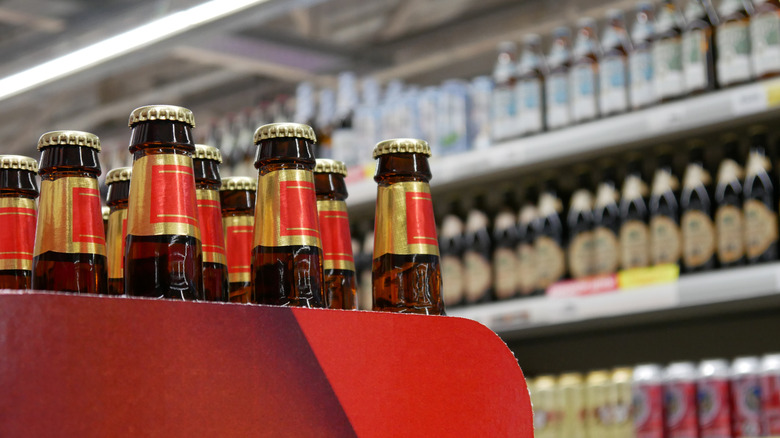
Go into a liquor store or the alcohol aisle of a grocery store and you'll have dozens of beers to choose from. And that's before you even consider buying from a local brewery or shopping online. It's no wonder people make mistakes when buying beer and end up with something they don't enjoy, or choose the same thing over and over because they know they won't be disappointed.
As a former bartender and all-round beer fan, I generally know how to choose a brew that I'll love. Even so, I'll sometimes pick up a can of something I think I'm going to enjoy and end up tipping it away or palming it off on a friend. So, I spoke to two industry experts to figure out some of the common pitfalls people make with buying beer and how to avoid them.
I spoke with Jeremy Kosmicki, brewmaster at Founders Brewing Co. in Grand Rapids, Michigan, and Tom Nielsen, director of brewery operations at Emberside Brewery, and former Sierra Nevada Brewing Co. brew specialist. Based on their expert insights, I was able to uncover some of the biggest mistakes to avoid when buying beer. Once you're in-the-know, it's much easier to reliably choose something you'll love.
Choosing a style of beer you don't like
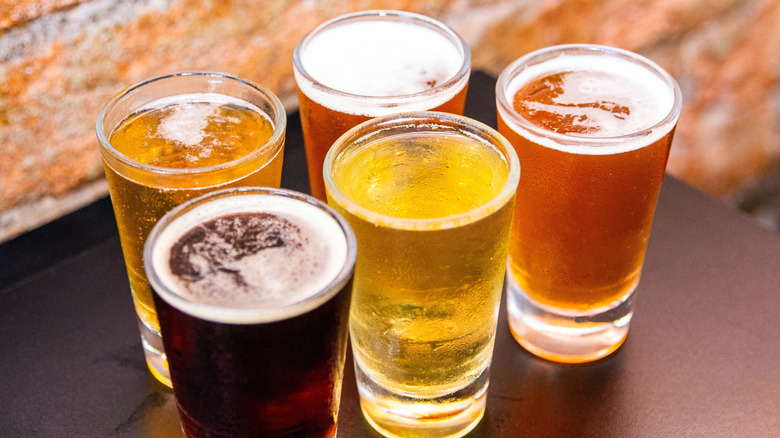
The most obvious differentiating factor between beers is the style. There are so many types of beer, each with their own characteristics, from juicy New England IPAs (NEIPAs) to chocolaty stouts. Some people might choose based on what's popular or what they've heard their friends talking about rather than what they actually like, and this is a huge mistake.
Of course, you've got lagers, which are among the most popular types on the shelves, but if you stick with those, you're missing out on so many other options. "Some accessible styles include wheat beers, Kölsch, pale ales, or session IPAs, fruit beers if you prefer sweeter drinks, or even stouts if you're big into coffee," explains Jeremy Kosmicki.
Tom Nielsen also takes us through some options you might like to try. "Kölsch, a style famous in Cologne, Germany, is light and refreshing," he tells us. "A cask ale from the U.K. is wonderfully refreshing and, in the right setting, one of the best beer-drinking experiences around. Darker ales like porters and stouts are some of my personal favorites and great for long beer-drinking sessions."
But, within each style, there are often a range of sub-styles. Take the IPA, for instance, which is arguably up there with lager in terms of popularity. But, if you like one, it doesn't mean you're going to like them all. West Coast IPAs are bitter and hoppy with notes of pine, whereas NEIPAs are sweet with tropical fruit flavors at the forefront. It can take some trial and error to find which styles you like and which you loathe, but it's a fun journey.
Assuming all lager is bland

While we're on the subject of beer styles, let's talk about lagers. These beers are everywhere and generally not that highly regarded among people who prefer craft beers. But, you shouldn't assume that all lager is bland. While some of the most popular lagers are designed to be light and not exceptionally flavorful, that isn't always the case.
According to Tom Nielsen, beers like Bud and Coors have become less flavorful over the years, as recipes and public preferences changed. "Go back 30 to 40 years, though, and these well-known lagers actually had more hops and flavor, closer to their European — mainly Czech and German — origins," he tells us.
What's more, if you go beyond the usual suspects, you can find some excellent lagers of various styles. "Lagers come in pale and dark varieties, hoppier styles like Pilsners or less hoppy ones like Helles, lower-alcohol options like a Czech 10° Plato pale lager, or higher-alcohol styles like a Bock," Nielsen notes. "Lager means so much more than the mass-market beers most people associate with the category."
In more recent years, there has also been an uptick in craft lagers. These are still on the refreshing and easy-drinking side, as you'd expect from a lager, but with a lot more flavor and character. So, drinking lager doesn't mean having to buy from a huge commercial brewer. There are so many other, tastier, options out there.
Ignoring recommendations
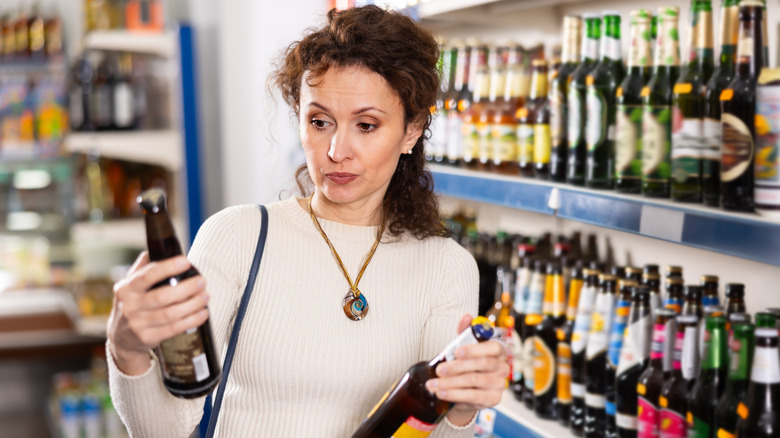
One of the best ways to work out what beer to try is to get recommendations. If you've never tried a beer before and you're not well-versed in different styles and production methods, it can seem near impossible to work out which to buy. Ignoring good recommendations or not seeking them out at all is one of the biggest mistakes you can make when choosing beer.
"When I'm looking to buy a beer that I've never tried before, I usually stick to ones that have been recommended to me," says Jeremy Kosmicki. I'm also a big fan of a good suggestion and it's how I've found many of my favorite beers. Recommendations could come from friends who know what you like, but people in the beer industry are likely your best bet.
Of course, if you show up to Walmart and ask for craft beer tips, you might get a few strange looks. But, one of the best things about buying from a bottle shop or a local brewery is access to knowledgeable staff members. A vague style of beer might not get you the best guidance, since each style can vary so much depending on the hops used and how it's produced. If you can list a couple of beers that you've enjoyed in the past, that's a great place to start. Otherwise, explaining some of the things you like about a style of beer can be helpful. For instance, you might say that you particularly enjoy stouts when they're creamy and have coffee notes, which will get you better recommendations.
Believing food pairing doesn't matter

One of the biggest mistakes you can make when choosing beer that you'll be enjoying with a meal is believing that food pairing doesn't matter. Although this is something that people talk about more with wine than other types of alcohol, it's definitely worth considering. You don't have to get extremely specific with things, but certain types of beer can feel a bit heavy with food and others won't go well with certain foods.
While pairing beer with food can be challenging, Tom Nielsen suggests sticking with some tried-and-true options before venturing out on their own. "My personal favorite is a porter and fish and chips — this classic British pairing has been around for a long time and is truly spectacular," Nielsen tells us. "IPAs go extremely well with pizza; the extra hop bitterness and aromatics complement almost any pizza you can come up with, and the bitterness marries nicely with the sweetness of the sauce," he adds. He particularly recommends hot honey drizzled pizza with intensely hoppy IPA.
When it comes to dessert, though, any beers that are overly bitter can intensify unpleasantly next to the sweetness. A sweet hazy pale ale or a Belgian Quadrupel with dark fruit flavors can pair well with dessert, similar to the way that a sweet dessert wine might be sipped on at the end of a meal.
Not considering the seasons when picking beer
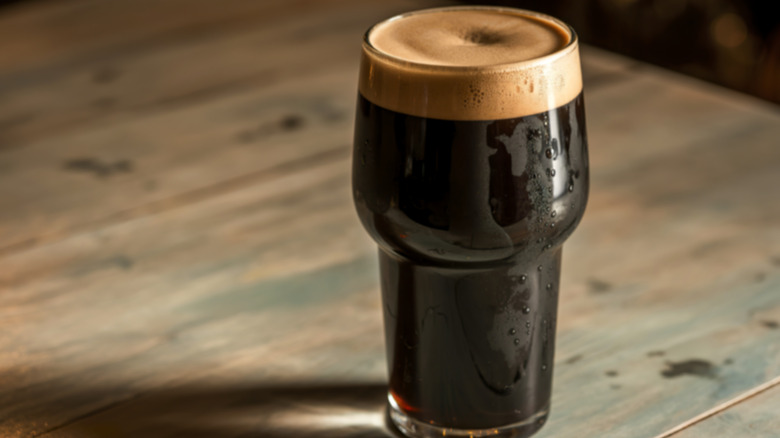
If you aren't considering the seasons when choosing beer, you're making a mistake. Some types of beer are perfect for fall and winter, while others come into their own in summer, when you want something light and refreshing. Seasonal living can extend to your beer choices, and you'll often enjoy your drink all the more for it.
"The weather definitely plays a part in what I like to drink," says Tom Nielsen. He loves the warming effects of higher-ABV beers, like bourbon barrel-aged imperial stouts and porters, on a cold day. "Crisp, refreshing styles like pilsner, Helles, and Kölsch are amazing in the summer," he adds. "There's no better way to fend off the heat and humidity than with a cold, crisp pilsner, in my opinion."
According to Jeremy Kosmicki, fall is the perfect time to take advantage of Oktoberfest beers. "They're quite approachable and there's a lot of options out there ranging from traditional German-made to American takes on the style," he tells us.
Nielsen also notes that the hop harvest happens around September in Northern parts of the U.S. and this is a good time to look out for limited edition seasonal beers. "Many U.S. craft brewers make a series of fresh or 'wet hop' beers right at harvest time, showcasing the hops at their peak flavor and aroma," Nielsen says. "These harvest ales, as they're called, start coming out in September and can be enjoyed through the fall."
Ignoring the alcohol content
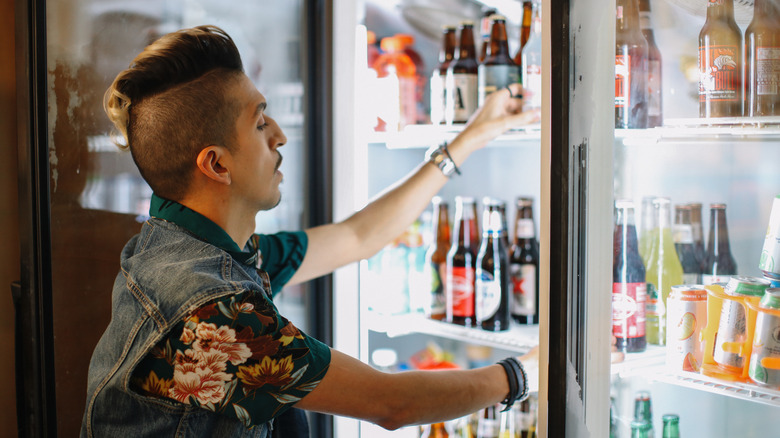
When you're used to buying mass-produced lager, there's very little variation in the alcohol content, with most sitting between 4% and 5% ABV. However, ignoring the alcohol content of beer means you're missing out on a factor that can make a big difference to what it's like. Looking at how much alcohol is in a beer won't just tell you how buzzed you'll get, it can also indicate a little about what it might be like.
You can find lower-alcohol beers ranging from just 1% to 2% ABV to the strongest beer in the world, an Eisbock with a whopping 57.8%. The weaker the beer, the less flavor and the more watery texture it tends to have. "Many higher ABV offerings have a noticeable alcohol burn like a wine or cocktail might and go down more slowly," Jeremy Kosmicki notes. They're often thicker with their flavors intensified.
If you've ever compared a double IPA to a regular IPA, you'll notice the double version is often sweeter and more syrupy, while tasting a strong Imperial stout next to a Guinness will make the latter taste weak and watery. So, you can figure out a little more about how much you're likely to enjoy the beer from the ABV. If you like more intensity, a stronger ABV is something you should look out for.
Buying beer that isn't fresh
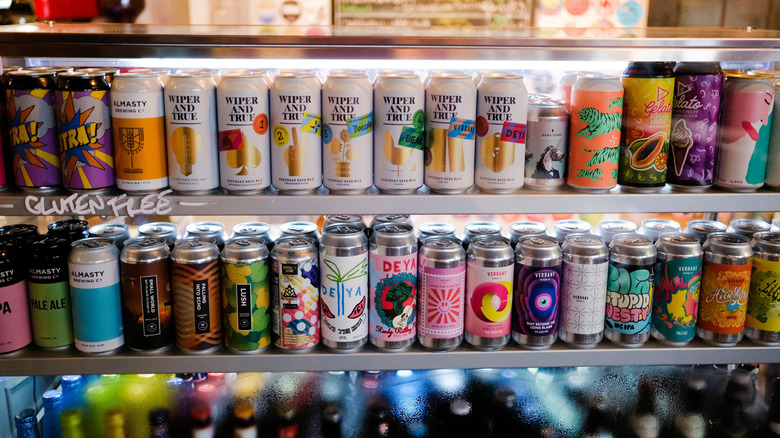
You might choose an incredible beer on paper, but if it isn't fresh, it probably still won't be all that enjoyable to drink. You might try a beer that's incredible a month after it's brewed but tastes stale and flat 12 months later. So, if you don't consider freshness at all when buying beer, you might end up disappointed.
"Beer freshness is one of the most important aspects of any beer," says Tom Nielsen. "For decades, brewers — myself included — have been chasing the holy grail of freshness through ingredient selection, brewing process optimization, and packaging," he adds. It's such an important thing that industry professionals are putting a lot of time and effort into locking that freshness in.
But what can you do as a consumer? "A lot of brewers will print either a packaging date or a best by date somewhere on the can [or] ... bottle, but sometimes it can be hard to decipher," says Jeremy Kosmicki. So, the first thing to do is take a look at the packaging and try to figure out when the beer was brewed. "Most craft beers have a three to five month shelf life, but fresher is always better in my opinion," Kosmicki remarks. When you buy directly from a brewery, you're more likely to get fresher beers compared to buying from a store.
Storing your beer at room temperature

You might buy your beer from an ambient shelf, but once you get it home, storing it at room temperature isn't the best idea. Chilling your beer will keep it fresher for longer, and with certain styles of beers, room temperature storage can lead to even bigger issues. What's more, it will mean you've always got a cold one waiting for you.
According to Tom Nielsen, storing your beer at a cold temperature is the best thing you can do to help keep it fresh. "Beer doesn't tolerate warm temperatures well," he tells us. "Its flavor is complex and delicate, and cold storage slows down staling." So, if you don't want to end up with stale beer, keeping it in the fridge is the way to go.
Jeremy Kosmicki is also a fan of cold storage. "Beer is perishable, and flavor will decline in quality or at least change over time, especially when not kept cold," he says. Another issue you can run into is secondary fermentation in fruity beers. When there's fruit added to beer, this can ferment at warmer room temperature, leading to gases building up and, eventually, cans or bottles exploding. Not only would this waste beer, but you'll also have a huge mess to clean up and nobody needs that.
Always buying from the grocery store
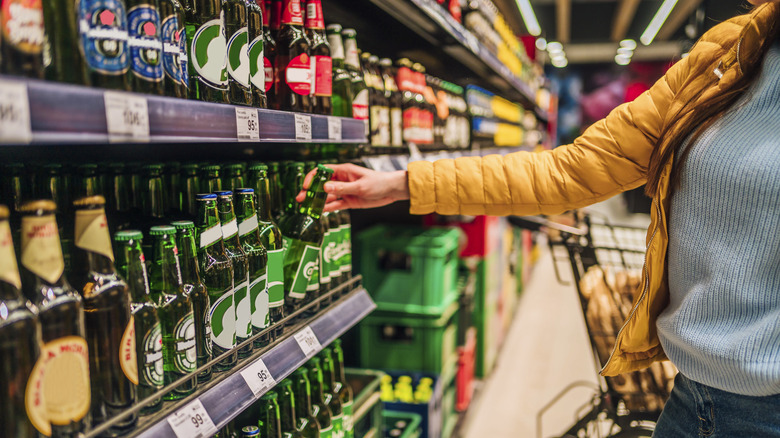
If you always buy your beer from a grocery store, you're missing out on a lot of great options. There are some craft beers you'll never find in stores, so buying direct from the brewery is the only way to go for these. Then, you have smaller brewers who sell their brews in bottle shops and other specialty stores but not in supermarkets.
Tom Nielsen recommends finding a local brewery that's focused on the quality of its beers. "There are so many amazing craft beers across the country now that it's genuinely tough to come across a poorly made one in 2026," he remarks, noting that poor quality breweries just don't last long in this market. "Do a little research and find a local brewer with strong reviews on apps like Untappd," he suggests.
According to Jeremy Kosmicki, buying straight from a brewery will mean your beer is as fresh as possible and you'll likely get better quality offerings. "Fortunately, most towns have several local breweries as options and there are some real gems out there," he says. While you might find a handful of ales in a supermarket, you'll rarely find true craft beers and that will severely limit your options.
Thinking bottled beer is better than canned
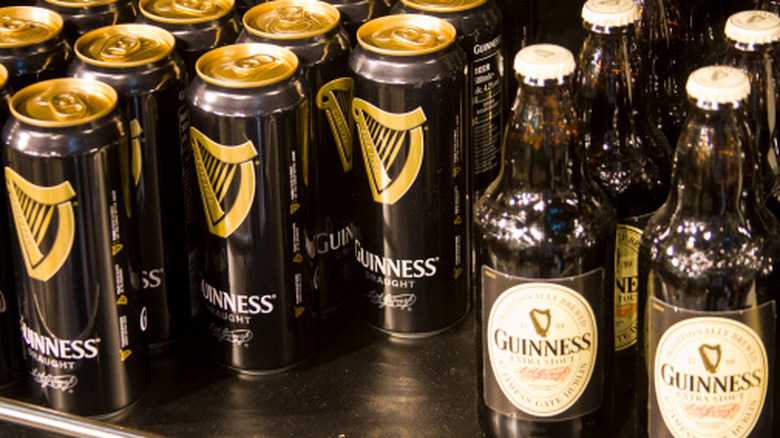
Some folks assume that bottled beer is always better than canned, but this isn't necessarily the case. If you avoid any beer that's only sold in cans, you'll be missing out, and you might end up with worse beer because of it. Having an open mind is important when it comes to buying beer.
There can be a difference between the shelf life of canned beer and bottled beer, but it isn't necessarily that simple. In tests, certain types of beer seem to age a bit better in bottles, whereas for other styles it makes no difference. Then, there are those who have the opposite opinion.
"Cans are the highest-quality to-go option for beer," Tom Nielsen says. "They do an excellent job of keeping oxygen out of the package, which keeps the beer fresher for longer," he adds. You might also opt for cans because they're lighter than glass and more eco-friendly. The environmental and quality reasons are why many craft breweries use cans these days.
Jeremy Kosmicki has a slightly different opinion. "Cans got a bad rap for a long time as an inferior container, but I think the public has come around to accepting or even preferring them these days," he says. "I like them because they're lighter to carry, less fragile, and many places don't allow glass," Kosmicki adds, but he doesn't believe there's an inherent quality difference either way.
Never trying new beers to avoid disappointment

"Trying new beer styles is a fun endeavor," says Tom Nielsen, but it can be a risk. If you haven't tried a beer before you might not know if you'll like it and this can leave you frustrated if you end up with something that's not to your taste. However, if you let this stop you from ever trying something new, you'll miss out on so many great drinks, and that's definitely a mistake.
"Honestly, it's always a gamble, and we've all been left disappointed at times after purchasing something that we thought we would like," says Jeremy Kosmicki. He suggests picking up something you know you like alongside a new beer, so you've got something to fall back on if you don't like it. When possible, just buy a single can or bottle of a new beer so that you don't have to commit to a case or a six-pack of beer you don't like and will either waste or force down.
The good news is, however, that once you have a broad idea of what you like, it's easier to find beer you'll enjoy. For instance, I know I like hazy IPAs and NEIPAs, particularly those that have tropical fruit notes. I even know a few hop varieties I usually enjoy in these beers, such as citra and mosaic. When choosing an unknown beer, these facts tend to steer me in the right direction.