

12 Of The Oldest Beer Brands Still Sold In The US
America's beer culture has deep roots, and we have been brewing and drinking the stuff for essentially the last 250 years. Today, every state in the country has its own craft breweries, each with a distinct identity shaped by its local culture and brewing traditions. From crisp American lagers to rich, malty stouts, and hop-heavy IPAs there's no shortage of variety when it comes to American beer.
Generations of immigrants brought their brewing traditions with them when they made the United States their home, helping shape both what Americans drank and how it was made. German and Central European brewing methods, in particular, left an enormous mark on American beer.
Many of the beers born from those eras have largely disappeared. Prohibition took a giant toll on American drinking culture when alcohol was outright banned, and the Great Depression purged the economy into such a blight that many operations couldn't afford to stay afloat. And corporate acquisitions and mergers, need we say more?
Remarkably, a handful of historical breweries are still in operation to this day, and their beer is probably on a shelf at your local store waiting for you to give it a try. Yes, public tastes change, and trends put enormous pressure on companies to stay relevant, but many of these brands have held onto the ideals and traditions that made them staples in the first place. Here are 12 of the oldest beer brands that are still available for purchase in the U.S.
1. D.G. Yuengling & Son Inc.
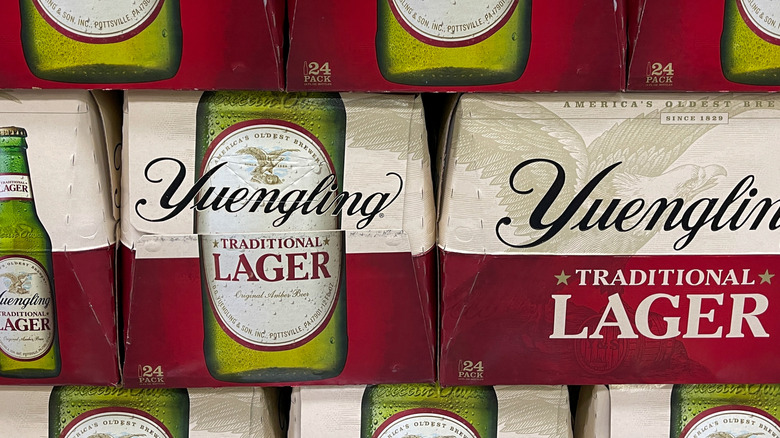
D.G. Yuengling & Son Inc., affectionately known simply as Yuengling, is recognized as America's oldest operating brewery. It was founded in Pottsville, Pennsylvania in 1829 by German immigrant David G. Jüngling – who would go on to anglicize his last name to Yuengling to make it easier for English speakers to pronounce. The brewery has remained under Yuengling family ownership for six generations.
Its oldest surviving beer is Lord Chesterfield Ale, which Yuengling traces back to the brewery's founding year. This pale ale stands apart from some of the brewery's better known lagers such as its Traditional Lager which can be found in cases and on tap in pubs and stores around the country. Lord Chesterfield Ale offers a hoppier, more bitter profile that reflects an older style of American brewing methods which took inspiration from classic German tasting notes. More than 190 years later, Lord Chesterfield Ale remains in production, making it one of the oldest, continuous beers to be brewed and sold in the country.
2. Hamm's Brewing Company
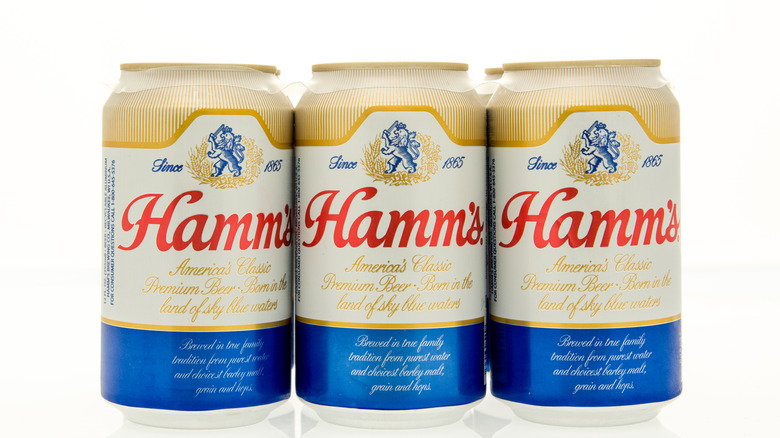
Founded in St. Paul, Minnesota, in 1865 by German immigrant Theodore Hamm, Hamm's Brewing Company grew from a small, local operation into one of the biggest names in American beer. Hamm had arrived in St. Paul from Germany less than a decade earlier, and the brewery he established would eventually become an institution in the city. The brand also became famous for its advertising, particularly the long-running "From the Land of Sky-Blue Waters" campaign and its cartoon Hamm's bear mascot.
After more than a century under the Hamm family, the brewery passed through a series of owners before the original St. Paul brewing operation ultimately closed in 1997. Hamm's is now part of Molson Coors Beverage Company's portfolio and remains in production today. Classified as an American-style adjunct lager, Hamm's clocks in at 4.7% ABV and is brewed with water, barley malt, corn syrup, yeast, and hops. Its signature Hamm's Beer is described as having a balanced taste, light-bodied, and a refreshing crisp flavor that is typically associated with classic American lagers. More than 160 years after Theodore Hamm established his brewery in St. Paul, Hamm's can still be found on shelves today.
3. Stevens Point Brewery
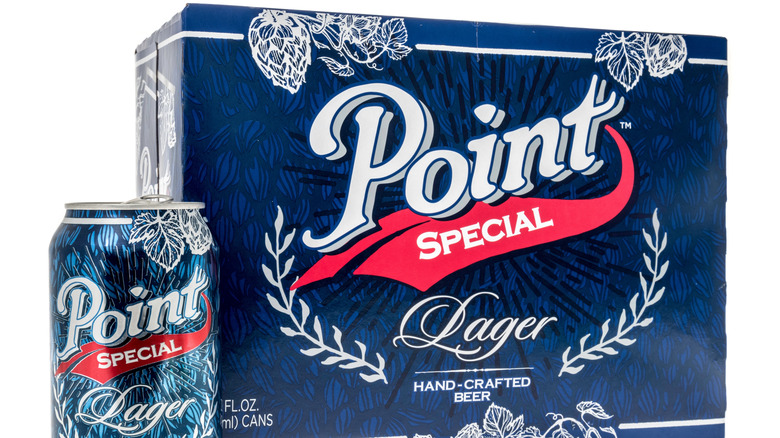
Established in 1857 by German immigrants Frank Wahle and George Ruder, Stevens Point Brewery has weathered Prohibition, the Great Depression, and more than a century and a half of fickle American drinking habits. During Prohibition, the brewery kept its doors open by producing soft drinks and near beer, a low-alcohol alternative to the real thing. Despite changing hands several times over the years, the brewery returned to Wisconsin ownership in 2002 and continues operating in Stevens Point today.
A Wisconsin staple, Point Special Lager is the brewery's flagship beer. At 4.8% ABV, this classic American-style lager offers a full-bodied, smooth drinking experience with a hop aroma. The beer has earned its share of accolades, including a gold medal at the 2003 Great American Beer Festival. More than a century and a half after the brewery first opened its doors, Point Special remains a fixture of its lineup, having outlasted countless smaller breweries that either closed their doors or disappeared into the portfolios of larger corporations.
4. J. Leinenkugel's Brewing Co.
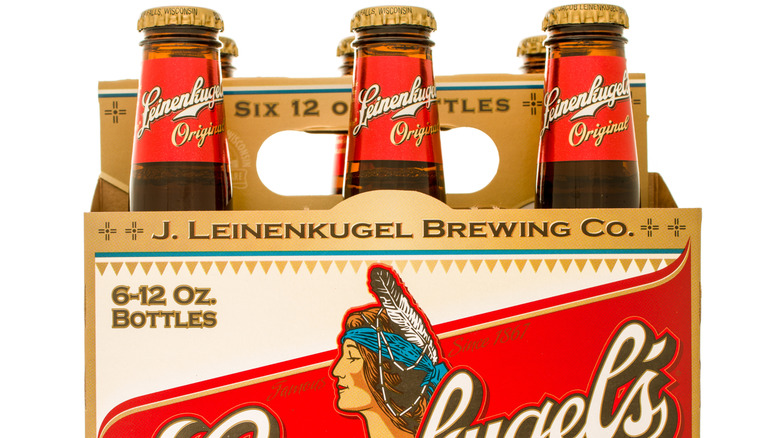
German immigrant Jacob Leinenkugel founded his namesake brewery in Chippewa Falls, Wisconsin in 1867. At the time, the region's booming lumber industry brought an influx of workers, many of whom were eager for a cold beer after a long day of labor. Leinenkugel drew on the brewing traditions of his homeland to establish a business that survived Prohibition and remained under family ownership until Miller Brewing Company purchased it in 1988. Today, the brewery is part of the Molson Coors portfolio, although the Leinenkugel family remains involved in the business.
Summer Shandy may be the brewery's most popular beer these days, but Leinenkugel's Original is where it all began. Modeled after the brewery's 1867 recipe, this American pilsner is made with pale malts, cluster hops, and the brewery's proprietary yeast strain. It clocks in at 4.7% ABV and has a crisp finish with a touch of hop bitterness. For much of its history, Original was primarily a regional beer, sold in Wisconsin and neighboring Minnesota. That changed in 2017, when Leinenkugel's introduced it to a nationwide audience. Original is still brewed today and remains a year-round offering in the brewery's lineup.
5. Pabst Brewing Company
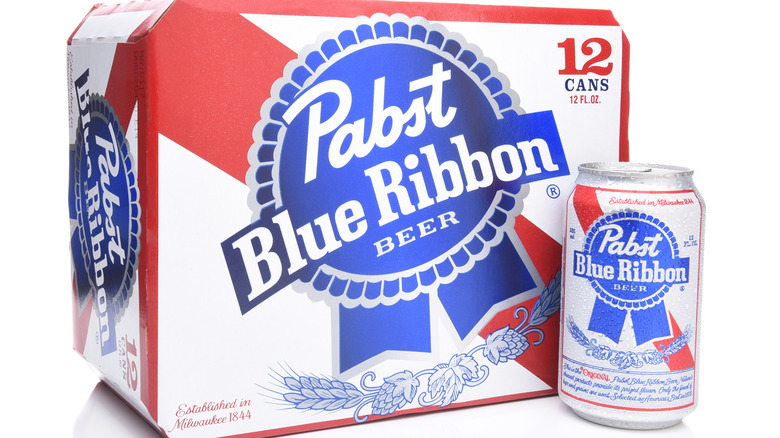
Pabst Blue Ribbon traces its roots to Best Select, a beer produced by the Milwaukee-based Pabst Brewing Company, founded by German immigrant Jacob Best in 1844. After Frederick Pabst joined the family business, the brewery began tying blue ribbons around bottles of Best Select in 1882 to distinguish the beer from its competitors and to celebrate its success at national and international competitions. The brewery adopted the Pabst name in 1889, and a decade later, Best Select officially became Pabst Blue Ribbon.
Pabst Blue Ribbon is a classic American lager brewed with a combination of malted barley, rice, and hops. At 4.7% ABV, it offers a light body, mild malt sweetness, and a crisp finish. After falling into relative obscurity, PBR found a new audience in the early 2000s, when its inexpensive price tag and unpretentious image helped make it a fixture in dive bars and alternative music scenes. Today, Pabst Blue Ribbon remains widely available in bottles, cans, and on draft, with its iconic blue ribbon still prominently displayed on the label.
6. Spoetzl Brewery
Established in 1909 by German and Czech immigrants, the Shiner Brewing Association began in a modest two-story tin shed built around an artesian well in Shiner, Texas. The founders hoped to recreate the beers of their European homelands, and in 1914 they brought in Bavarian brewmaster Kosmos Spoetzl, whose expertise helped shape the brewery that would eventually bear his name. During Prohibition, which forced hundreds of American breweries into bankruptcy, Shiner kept its doors open by producing near beer — a fermented malt beverage typically containing less than 0.5% ABV — and selling ice, a practical way to survive a grueling chapter of American history.
Long before Shiner Bock became the brewery's most recognizable brew, there was Shiner Premium. First brewed in 1909, this golden lager is inspired by the brewery's original recipe and is made with premium two-row malt and European hops. At 4.4% ABV, it offers a crisp, slightly sweet taste with mild hop bitterness. To this day, Shiner Premium remains part of the brewery's year-round lineup and is available in bottles, cans, and on draft.
7. Genesee Brewing Company
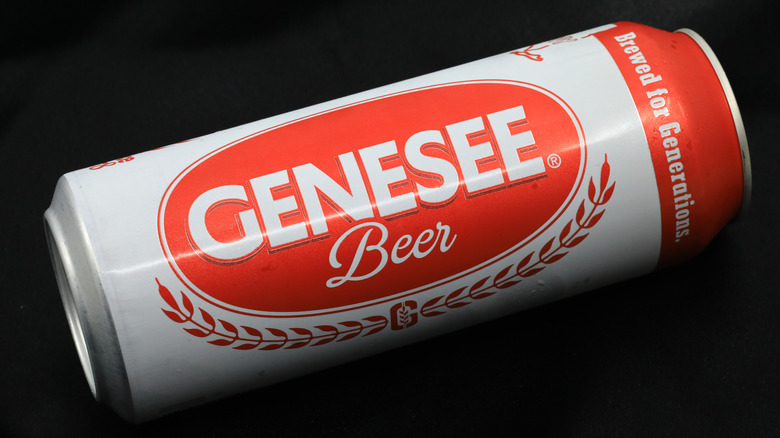
The Genesee Brewery got its start in Rochester, New York in 1878, when local entrepreneur Mathius Kondolf acquired the old Reisky & Spies Brewery. Prohibition eventually brought the operation to a halt, but former brewmaster Louis A. Wehle wasn't about to let the place disappear into the history books. After making a fortune in the baking business, Wehle purchased the shuttered brewery in 1932 and set about bringing it back to life. By April 1933, Genesee was shipping beer again, just in time for thirsty Americans to celebrate the end of Prohibition.
Genesee Original dates back to the brewery's founding in 1878. A classic American adjunct lager, it's brewed with two-row barley malt, corn grits, and hops sourced from Washington's Yakima Valley. Genesee may be better known for its Cream Ale these days, but Genesee Original hasn't gone anywhere. The Rochester-born lager is still sold in bottles, cans, and on draft, holding its own alongside the brewery's newer offerings.
8. Pittsburgh Brewing Company
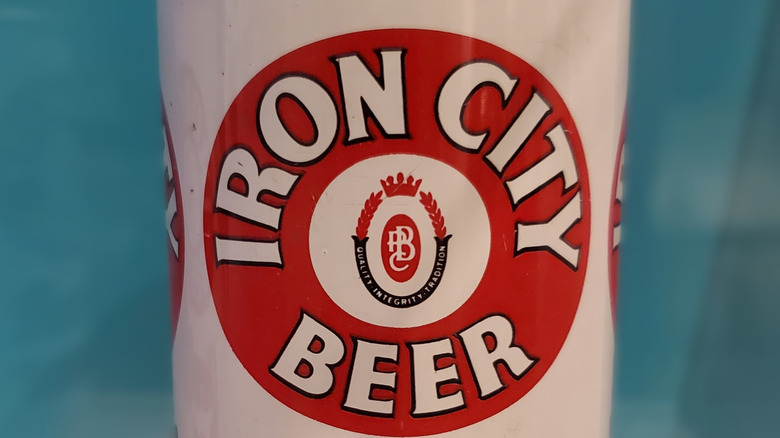
German immigrant Edward Frauenheim established Iron City Brewery in Pittsburgh in 1861. Business was booming, and by 1866 the brewery had outgrown its original location and moved into a four-story brick building on Liberty Avenue. Frauenheim later joined forces with Pittsburgh native Leopold Vilsack, and together they built one of the city's leading breweries. In 1899, Iron City joined 20 other regional breweries in a merger that formed Pittsburgh Brewing Company, then the third-largest brewing operation in the United States.
Affectionately referred to as "The Beer Drinker's Beer," Pittsburgh Brewing Company's Iron City Beer has been around for more than 160 years. This traditional American pale lager clocks in at 4.7% ABV, delivering an initial hit of sweet malt followed by a touch of hoppy bitterness and a crisp, dry finish. But Iron City's contribution to American beer culture goes beyond the liquid inside the can. In 1962, Pittsburgh Brewing Company teamed up with aluminum manufacturer Alcoa to introduce the easy-open pull-tab beer can, sparing thirsty drinkers the trouble of reaching for a can opener whenever they wanted a cold one. We couldn't be more thankful.
9. Narragansett Brewing Company
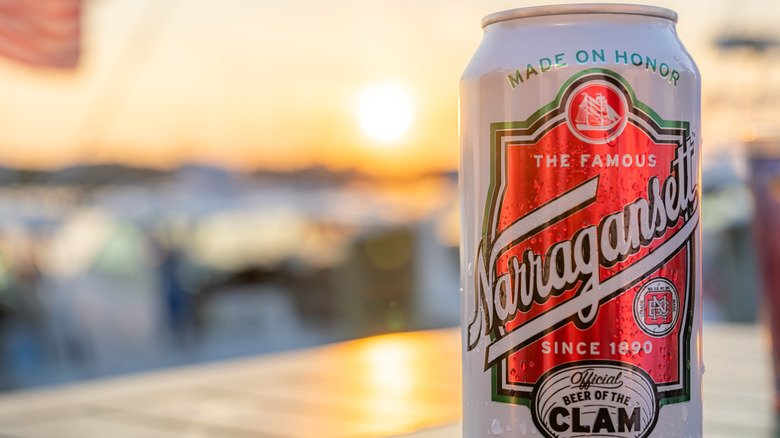
In 1890, six local businessmen with German roots pooled $150,000 to establish the Narragansett Brewing Company. They constructed a brick brewhouse in Cranston, Rhode Island, just outside Providence, and produced their first beer in December 1890. Within a decade, Narragansett had become New England's largest brewery. Its rapid expansion was fueled in part by some shrewd business decisions, including the use of refrigerated railroad cars to transport beer beyond Rhode Island. By 1910, the brewery had grown into a sprawling 42-acre operation with more than 30 buildings.
The brewery's flagship, Narragansett Lager, pours a pale golden color with aromas of grainy malt and restrained hops. Light-bodied and easy-drinking, it offers a subtle sweetness, mild hop bitterness, and a crisp finish. But Narragansett's appeal extends beyond New England's bars and beer gardens. Theodor Geisel, better known as Dr. Seuss, once designed advertisements for the brewery, while Captain Quint famously downed a can of Narragansett before crushing it in Steven Spielberg's 1975 film "Jaws."
10. Straub Brewery
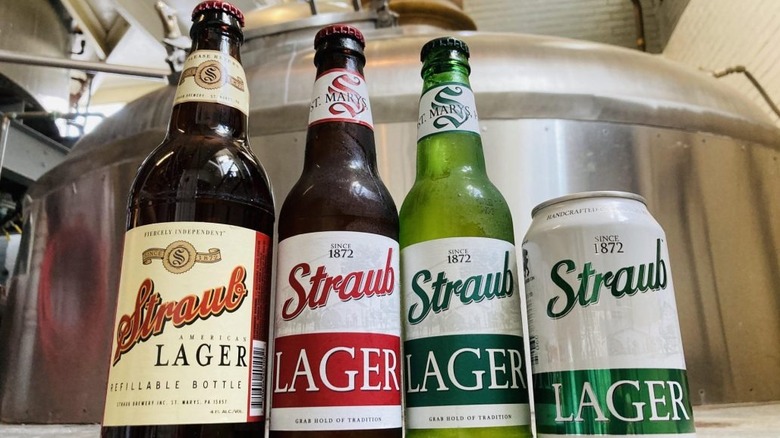
German immigrant Peter Straub began brewing in St. Marys, Pennsylvania, in 1872, when he became brewmaster and manager of a brewery owned by Francis Sorg and Bernhard Wesnitzer. After marrying Sorg's daughter, Sabina, in 1875, Straub acquired full ownership of the operation in 1878. The business eventually became Straub Brewery in 1947 and remains in the hands of the Straub family to this day.
Straub identifies Straub Lager as the beer that started it all. Golden in color, this easy-drinking American adjunct lager offers a smooth profile with restrained hop bitterness. The brewery still sells its lager in reusable 16-ounce glass bottles, affectionately known as "Greenies." Customers pay a $5 deposit on the returnable packaging, which they can redeem when they bring their empties back to the brewery. Dating back to the mid-'40s, when Straub purchased its first bottling line, this old-school tradition has become as much a part of the brewery's identity as the beer itself.
11. Anheuser-Busch
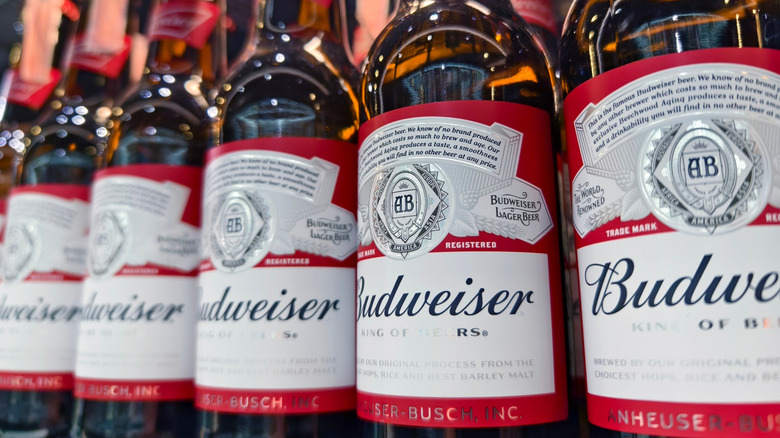
Budweiser was introduced in 1876, when German-born Adolphus Busch set out to create a beer with nationwide appeal rather than cater to regional tastes. A century and a half later, Budweiser remains one of Anheuser-Busch's flagship beers, despite the corporation having amassed an enormous portfolio of breweries across the United States. Budweiser was also among the first American beers to be pasteurized, and Busch's means of distribution via the use of refrigerated railcars helped turn the St. Louis beer into a household name across the country.
Budweiser uses rice alongside barley malt, with rice accounting for up to 30% of its grain bill. Unlike barley malt, rice contributes little flavor of its own, allowing Budweiser to maintain its characteristically light body without the heavier malt character found in many European lagers. The beer undergoes its signature 30-day brewing process, which includes aging over beechwood chips, a longstanding Budweiser tradition that helps produce its smooth, highly drinkable character.
12. August-Schnell Brewing Company
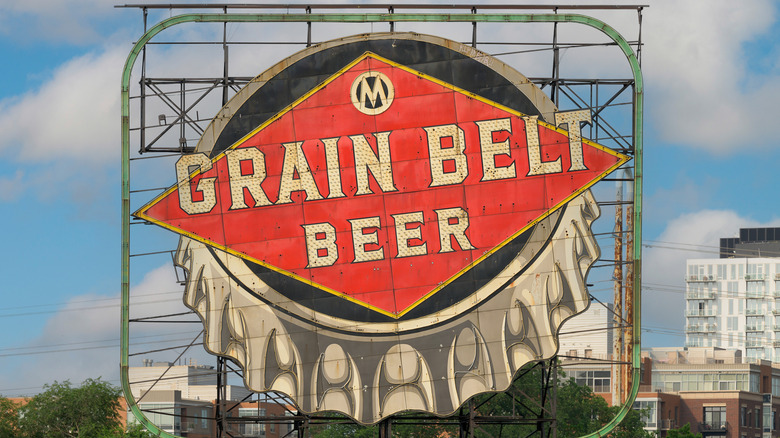
The Grain Belt name dates back to 1893, when Minneapolis Brewing Company introduced Golden Grain Belt Old Lager. Named after the agricultural region of the American Midwest, the beer became a fixture of Minnesota's brewing industry. Grain Belt Premium followed in the 1950s, introducing a lighter, more modern take on the original lager. Despite its popularity, the brand struggled as the American brewing industry consolidated, eventually changing hands several times before August Schell Brewing Company acquired it in 2002. Under Schell's ownership, Grain Belt returned to its Minnesota roots, with production moving to the company's historic brewery in New Ulm.
Grain Belt Premium is an American lager with a light golden color and a slightly fuller body than its pale appearance lets on. At 4.6% ABV, it offers a nuanced malt sweetness accompanied by a noticeable hop aroma and flavor, though the bitterness remains a supporting flavor. Originally introduced as a smoother, fuller-bodied alternative to the brewery's older offerings, Premium became a permanent part of the Grain Belt lineup in 1956. It remains the brand's flagship beer, carrying on the Minnesota brewing tradition that began more than a century ago.