

3 Tips To Extend The Longevity Of Your Coffee Maker
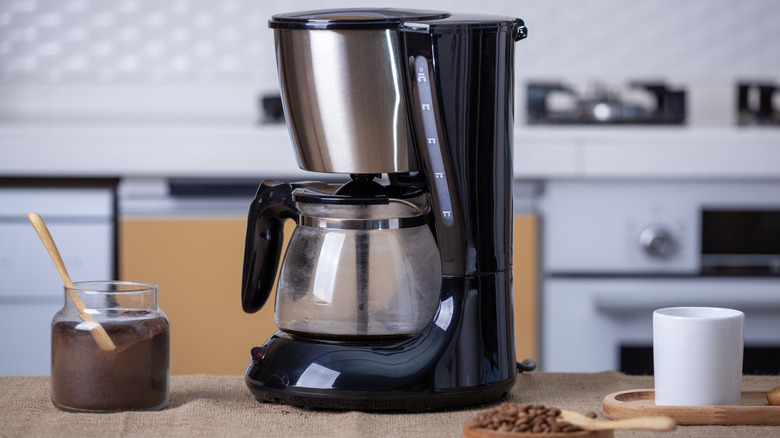
Coffee is America's favorite beverage. The National Coffee Association reports that 66% of Americans drink an average of three cups of coffee every day. In the U.S., the most popular place coffee is prepared is at home, which translates to an awful lot of coffee makers sitting on counters — and they're all expected to function on command. After all, is there anything more frustrating than stumbling into the kitchen, brain still foggy from sleep, only to discover your coffee maker, giver of consciousness, has given up the ghost? Once you've finished wailing to the heavens, you might wonder what you could have done differently to keep your little friend going for just a bit longer.
It actually doesn't take much to avoid shortening the lives of your appliances. Whether you use an auto drip, espresso, or capsule coffee machine, regular maintenance, proper storage, and knowing the right kind of water to use all help extend the longevity of your coffee maker. Keep reading to learn all the dirty details, and when in doubt, always check the manufacturer's handbook.
Maintain a regular cleaning schedule
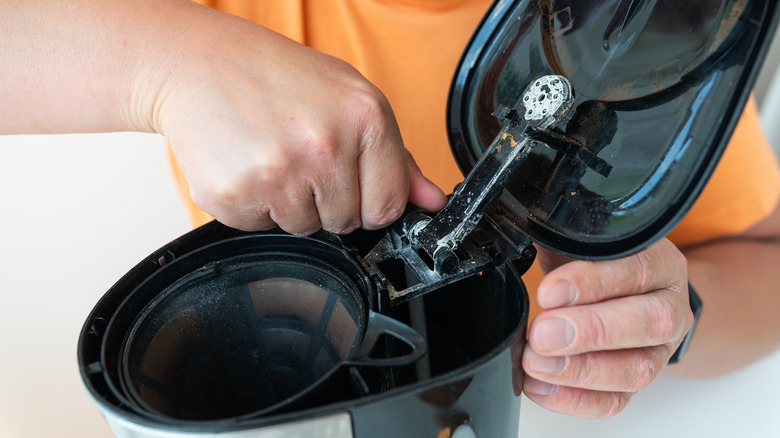
Although freshly brewed coffee is a sweet nectar that fuels many of our brains, the process of making it can be a little messy. Grounds may scatter, water often spills, and both can sneak into compartments of your machine they have no business being in. Coffee residue and minerals from water build up over time, leading to stains, odors, and clogged machinery or filters. Maintaining a regular cleaning routine is vital to keeping your coffee maker running smoothly.
For an auto drip coffee maker, be sure to empty the grounds after every use. You'll also want to rinse the filter basket with warm water to wash away any residue. Don't forget to also rinse out the carafe and wipe down the outside of the machine using a clean, damp cloth. A capsule coffee maker's pod holder and drip tray should receive a similar warm water rinse.
Once a month or so, your machine should be descaled to eliminate buildup and any remaining odors. Pour 1 cup of white vinegar into the auto drip's water reservoir, then run through one cycle. Run another one or two cycles of pure water to flush out the lingering vinegar smell. The carafe and brew basket should be washed with warm, mild soapy water. For a capsule coffee maker, pour in equal parts water and vinegar, run the machine through a single cycle, then rinse thoroughly with water. If you're wondering how to maximize your Keurig machine's longevity, regular descaling is key.
Store the machine properly
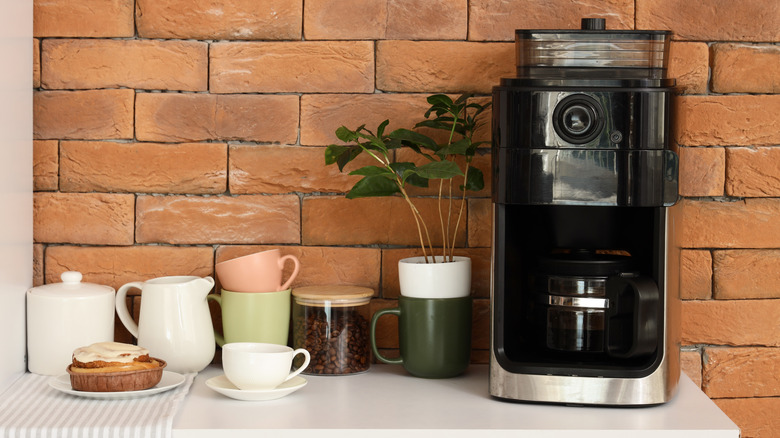
When a coffee maker gets a lot of use, it's often situated out in the open for easy access. If you take cream, placing it on the counter by the fridge may be convenient. Next to the sink may also seem perfect since one of the first things you do is fill the tank with water. It turns out storing your coffee maker near a source of moisture is not the best idea.
To avoid fostering the growth of moisture-loving mold and mildew, keep your coffee maker in a cool, dry place. This will also help prevent rust and potential electrical damage. Coffee makers stored in cabinets should be thoroughly dried before being put away, but leaving the lid open after you've cleaned the components is another way to dissuade moisture from gathering. If the maker is not used often, stashing it with the cover on will keep out dust and other particles, which could also degrade its performance.
Use filtered water
There are rules about proper water use with a coffee machine. For starters, always avoid overfilling the water reservoir. Pouring in too much water can lead to spills and weak coffee, neither of which you want afflicting your machine (or insulting your taste buds). Overflow spills pool at the base of the machine, leaving the wiring vulnerable to water exposure and, in turn, short-circuiting issues (this is why you should never immerse your machine in water). The quality of the water is also important.
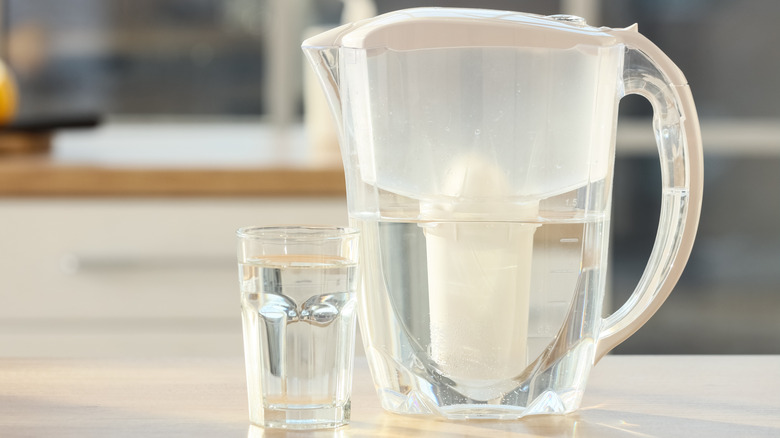
An often overlooked best practice is to use filtered water in your coffee maker. Tap water, and hard water especially, contains minerals such as magnesium and calcium. Over time, these mineral deposits lead to clogs and compromise the machine's performance. Water can also affect the coffee's flavor. Using filtered water is one of the ways to get more flavor from coffee pods, but it's also the best choice for limiting mineral buildup, so you can get the most life out of your coffee maker.