

14 Meals Middle-Class Families Ate In The '30s
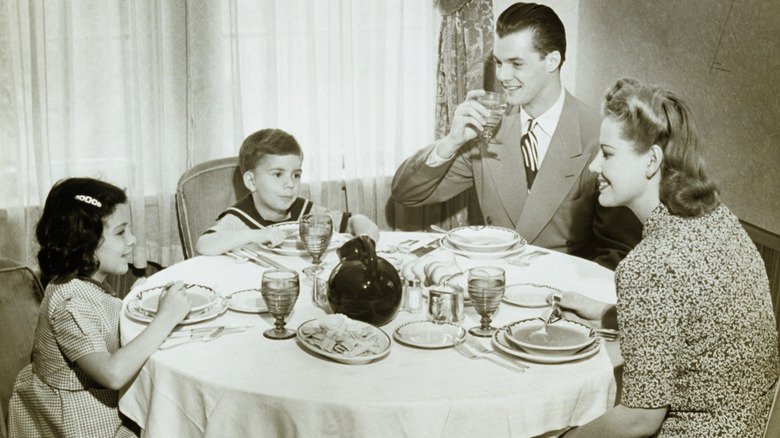
For most Americans the 1930s were a stressful, financially challenging era that impacted what they could and couldn't afford to eat anymore. The Great Depression crippled the income of families of all economic levels. For middle-class families who usually had one full-time working adult, that household income dwindled, so feeding a family involved some creativity.
These families stretched proteins they could afford, canned and pickled, and relied on pantry staples like sugar, flour, cornmeal, rice, beans, vinegar, and potatoes. Community and kitchen gardens flourished, all in an attempt to have some sort of freshness, grow their own food, and save money.
Some of the meals eaten by middle-class families in the '30s are still common today. And content creators are jumping on the Great Depression meal bandwagon by recreating some of the simple, inexpensive meals from the '30s or just reviving the idea because of affordability. Find out the 14 common meals that these families prepared during one of the country's most dire economic events.
1. Meatloaf
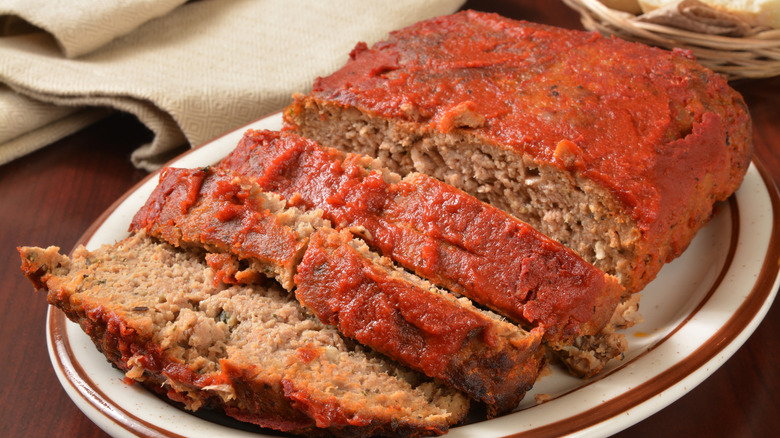
Meatloaf is a classic recipe that took off in America in the 1800s when the meat grinder was invented, which made the process of combining meat scraps less laborious. Plus, families knew what type of meat they were eating. Pretty soon, the term "meatloaf" and subsequent recipes came along in the late 1800s.
During the Great Depression, meatloaf was a simple, filling meal that was a prime example of versatility. The simple meatloaf ingredients at that time typically didn't include the finest of meats. Middle-class families who could afford a small amount of meat would make meatloaf with ground beef, evaporated milk, sliced bread, onions, salt, and pepper.
To make this meal more filling, it wasn't uncommon to include binders like vegetables, crushed oats, crackers, or cereal. Not all the bare-bones meatloaf recipes in the '30s excluded the famous tomato glaze that this dish is known for, but this component was clearly dependent on the availability of a tomato product.
2. Mulligan stew
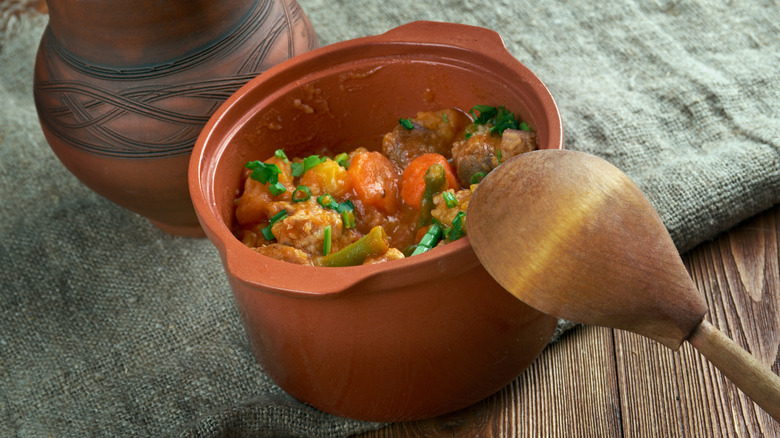
With unemployment rates in the '30s soaring, Mulligan stew was an easy communal meal made of meat, vegetables, water, and seasonings. While the history of the term "Mulligan" is unclear, historians believe that Mulligan was the last name of an Irishman who made a similar dish called Irish beef stew. There's no standard Mulligan stew recipe because ingredients varied and depended on what was available.
Potatoes, vegetables, beans, onions, and canned or fresh meat all made their way to this stew. It often included canned and minced corned beef, a can of peas, diced onion, a medium bottle of ketchup, water, salt, and pepper. Everything was combined in a large pot with water, salt, and pepper and simmered for at least an hour to mesh the flavors. For middle-class families, Mulligan stew was an efficient way to use simple ingredients that could be any combination of meat and vegetables.
3. Depression cake
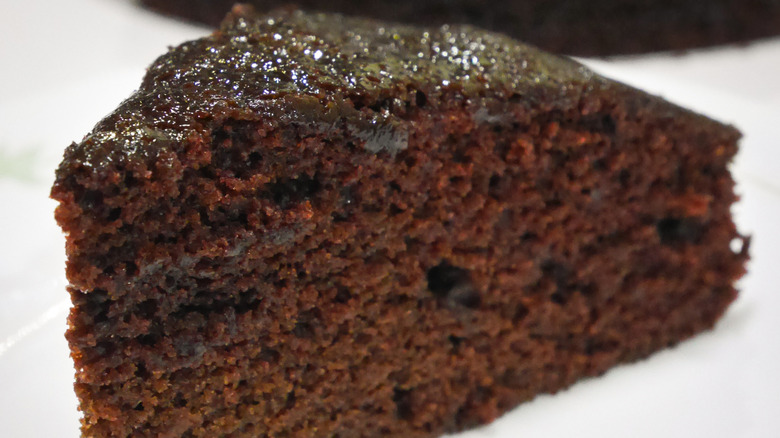
Despite the financial hardships Americans faced during the Great Depression, they still wanted a sweet treat. However, what dessert could be made depended on where they lived. People who lived near or on farms likely didn't have to worry about getting access to dairy and eggs, while city residents would have likely been affected by rations or high costs of milk, butter, and eggs.
The Depression cake (aka "Wacky Cake") is a variation of the WWII "War Cake," which was an egg-, butter-, and dairy-free chocolate cake that also included raisins, cinnamon, cloves, and nutmeg. While the Depression cake didn't have the fruit or warm spices, it just relied on these pantry staples: flour, vinegar, sugar, cocoa powder, vanilla extract, vegetable oil, hot water (or brewed coffee), salt, and baking soda. Since eggs aren't included, vinegar and baking soda acted as leaveners to give the cake height. Home cooks may have topped the cake with whipped cream or a chocolate ganache as a finishing touch. For middle-class families in the '30s who wanted a rich dessert after a meal, the Depression cake was a one-bowl recipe that could feed a family without expensive ingredients.
4. Hoover stew
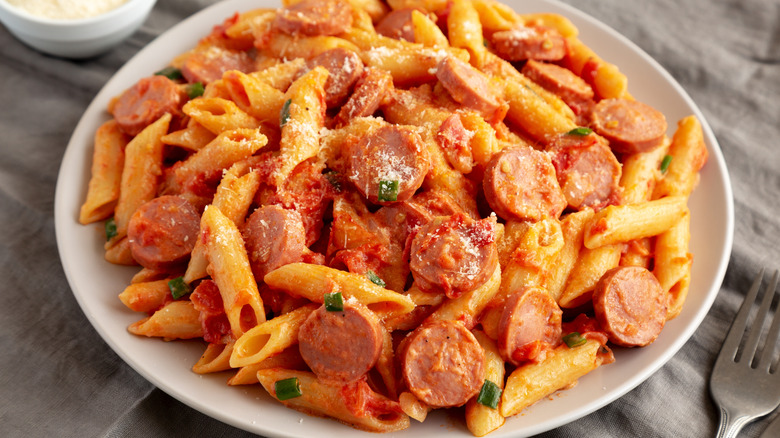
Another one-pot meal that middle-class families ate in the '30s was named after President Herbert Hoover. It would typically be an honor to have a dish named after a president, but this naming was not a positive reflection of Hoover's time at the White House. Many Americans weren't happy with the way he managed government relief efforts to curb homelessness, hunger, and joblessness. In fact, his name was applied to a variety of Depression-era food and non-food items like Hoover Blankets (the newspapers the homeless used for sleeping) and Hoover Steaks (squirrel or rabbit meat).
The basic Hoover stew recipe was a mix of sliced hot dogs, pasta, water, and canned tomatoes. After the pasta is cooked and drained, the rest of the ingredients are combined in a pot, the pasta is added, and it's simmered for about 10 minutes. Middle-class home cooks could elevate the meal with what was available, like herbs, broth, corn or green beans, and/or ground meat to stretch its contents. Canned beans were another inexpensive protein that would have been available to replace the meat.
5. Creamed chipped beef on toast
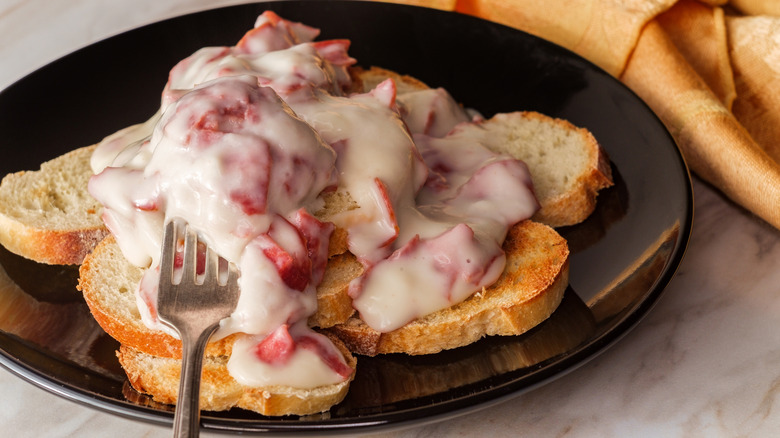
Steak was definitely not a Great Depression meal that most families could afford. The next best thing? Dried beef with a white cream sauce. This meal wasn't developed during the Great Depression, but it checked all the economical boxes for a middle-class family trying to stretch what protein they could get in the '30s. Versions of a creamed chipped beef recipe date back to what the British navy soldiers ate in the 1700s, and it also made its way into a 1910 U.S. military cookbook.
This dish starts by making a roux made from flour, butter, milk, salt, and pepper. Then, the chipped beef is added. Serving the creamed chipped beef on toast made it more of an eye-pleasing and hearty meal since bread is filling and it could absorb the sauce. This meal could be eaten for breakfast, lunch, or dinner. Modern versions may use chopped beef jerky, peas, and diced onions to complement the creamy sauce.
6. Water pie
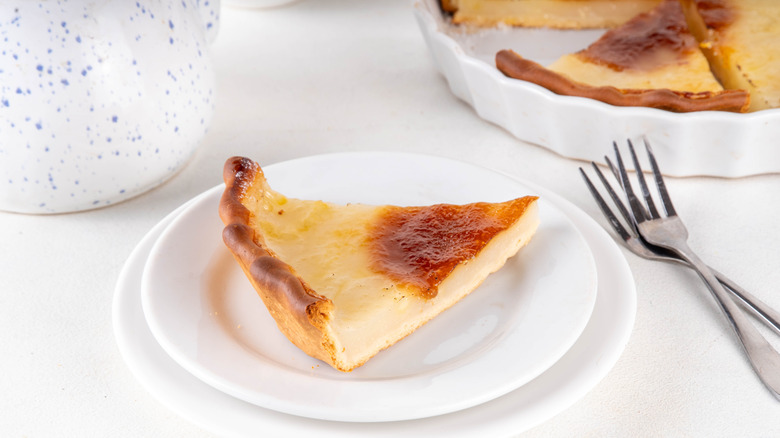
When middle-class families wanted a pie in the '30s, they often had to be creative. Water pie, sometimes called "Hard Times Pie," may sound strange, but it's a reflection of what frugal desserts resembled during that time. The ingredients were the basic pantry staples of sugar, flour, and water, but some recipes included vanilla extract and butter.
There are conflicting preparation methods, but recipes from the late 1800s described mixing 2 tablespoons of flour and 1 cup of sugar, then adding a ½ cup of hot water, a pat of butter, and flavoring (likely vanilla). Once the mixture is thick, it's poured into a pie crust to bake. Historians say the result was a very sweet, custard-like pie, like a classic chess pie. Without the eggs and milk, water acted as the filler. A modern take on water pie could involve switching out the extract flavor for almond, lemon, or coconut; adding spices like apple pie or pumpkin; or even swapping the water for lemon juice, soda, or apple cider.
7. Peanut butter bread
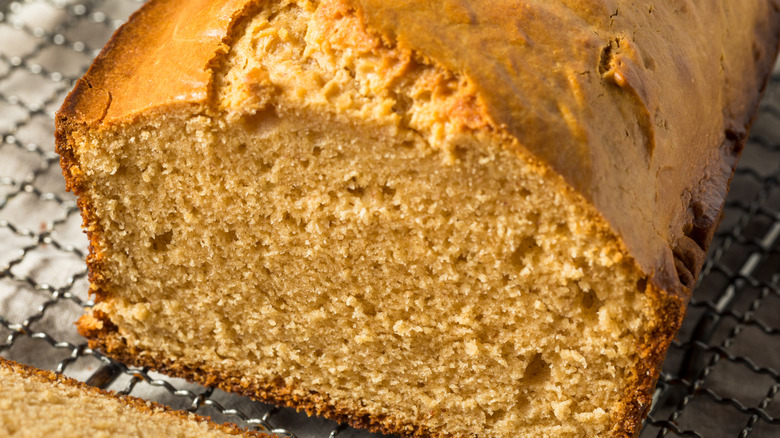
In the 1930s, peanut butter was a familiar pantry staple because of government rations. Baking with it allowed families to add a sweet and easy quick bread to the dinner table without kneading or yeast. Like navy bean soup, peanut butter was a source of fiber and protein, so peanut butter bread could be eaten for breakfast or as a snack. It was especially useful for households who couldn't afford or didn't want to rely on meat.
The origins of the peanut butter bread recipe are traced to a 1932 cookbook version. It combines flour, sugar, baking powder, salt, milk, and peanut butter before baking it in a loaf pan. In addition to being flavorful, peanut butter was a suitable replacement for eggs and butter, both of which were costly during the '30s. Today's peanut butter bread recipes may add vanilla extract, jam, cinnamon, or chocolate chips to the batter.
8. Poor man's meal
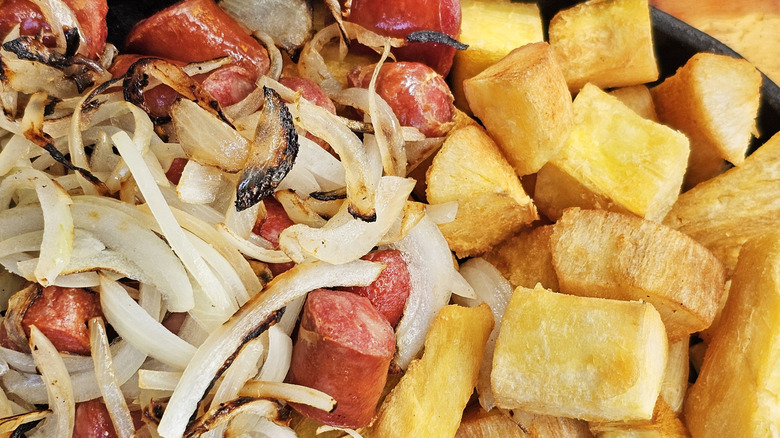
Despite its name, the poor man's meal was a common dish eaten by middle-class families because with their salaries reduced or slashed, they also relied on inexpensive, budget-friendly recipes. The poor man's meal was similar to Hoover stew, except it didn't have any pasta. Like some of the others mentioned here, it was an uncomplicated dish that middle-class families could keep in rotation. With potatoes and hot dogs at the center of this meal, both ingredients served the purpose of being hearty and flavorful.
Many descriptions of the poor man's meal recipe include just potatoes, an onion, sliced hot dogs, oil, and seasonings to saute everything in a skillet. Other versions include the addition of water and ketchup (or tomato sauce and water). Some recipes posted online include brown sugar and even baked beans. Individuals making this now could amp up its flavor profile by adding fresh or ground garlic, paprika, or herbs.
9. Haluski
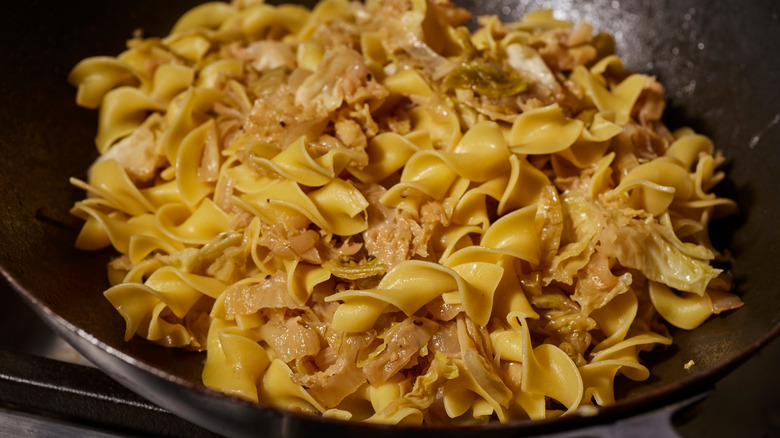
In industrial cities like Pittsburgh, Pennsylvania immigrants often sought meals that reminded them of home. For Central and Eastern European families, haluski (fried cabbage and egg noodles) was a way to connect with their roots and eat a carb-rich meal. It could be served with meats like bacon, ham, or kielbasa, or even meatless. It also made a good base dish to add onions, cheese, or vegetables to make it more flavorful.
What makes this simple cabbage and noodle dish so good is that both ingredients were sauteed in butter. With the cabbage sliced into strips, it was added to a large pan and steamed with water to wilt before adding the uncooked egg noodles, butter, salt, and pepper. As with many recipes of this decade, variations were common. Depending on the ancestry, haluski could be made with potato dumplings instead of noodles.
10. Dandelion salad
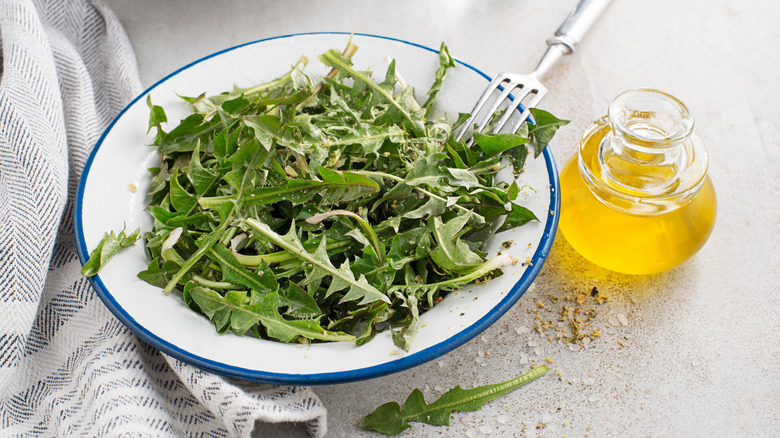
During the Great Depression dandelions were picked and eaten as a meal. Foraging for wild greens was common during the '30s because it made use of what was free instead of having to buy it. Where families could find edible greens depended on where they lived. Rural neighborhoods likely had dandelions growing in their yards or in nearby fields.
Middle-class families gathered dandelion greens to supplement a meal, add them to soup, fry them, or enjoy them as a salad. Plus, dandelions are high in iron and other nutrients, which could curb malnutrition. The flowers, stems, and greens of the plant are all edible, but they can be very bitter. People often boiled the plant several times to minimize the bitterness. A simple dandelion salad recipe may include sauteing the greens, or tossing them with a more flavorful vinaigrette, herbs, garlic, or tomatoes.
11. Mock apple pie
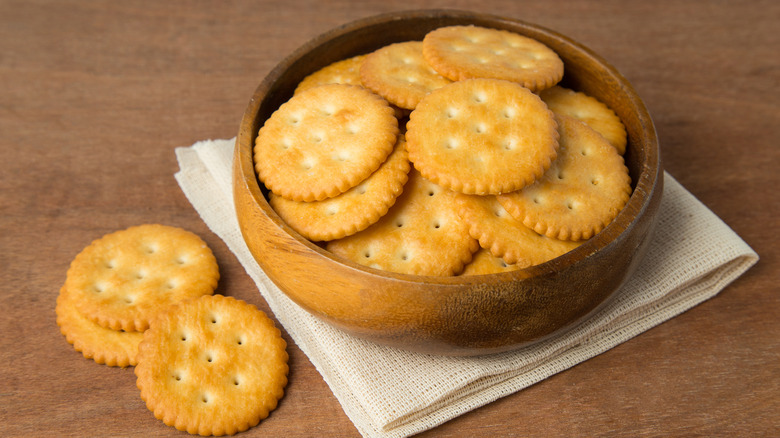
When we hear the phrase "as American as apple pie," images of a big slice of pie with ice cream may pop up. One of the most fascinating desserts made during the Great Depression was the mock apple pie because there weren't any apples in it. Even in middle-class families, fresh apples weren't affordable or available, so they had to find a substitute when making a dessert.
This mock apple pie recipe was very popular because the crushed crackers took the place of the texture of apples, and a box of crackers was about 19 cents. The original Ritz cracker mock apple pie recipe combines sugar, cinnamon, cream of tartar, butter, crumbled Ritz crackers, water, and a pie crust. The sugar, cream of tartar, and water are cooked down, then the crackers, cinnamon, and butter are added before being baked in the pie crust. After the success of this recipe, mock cherry pie (with cranberries and raisins) and mock mincemeat (with green tomatoes) started gaining popularity.
12. Vinegar pie

Vinegar pie is another custard-like dessert that fell into the "desperation" pie set of recipes during the Great Depression. Although history has it that it was first developed as a Southern dessert in the mid-to-late 1800s, homemade desserts were common during that time period, so with a bit of ingenuity, dessert was on the table. As for vinegar pie, the vinegar provided a tangy and acidic note that replaced fresh citrus fruits like lemons. The vinegar also helped reduce the pie's sweetness.
There are many versions of the vinegar pie recipe, but the basic method was to mix together sugar, flour, water, and either white distilled or apple cider vinegar until it thickened. Then, the butter and vanilla extract was added. It was poured in a pie crust and baked for about 30 minutes. Similar recipes include eggs, nutmeg, and even a tasty and delicate meringue topping.
13. Milk bread toast
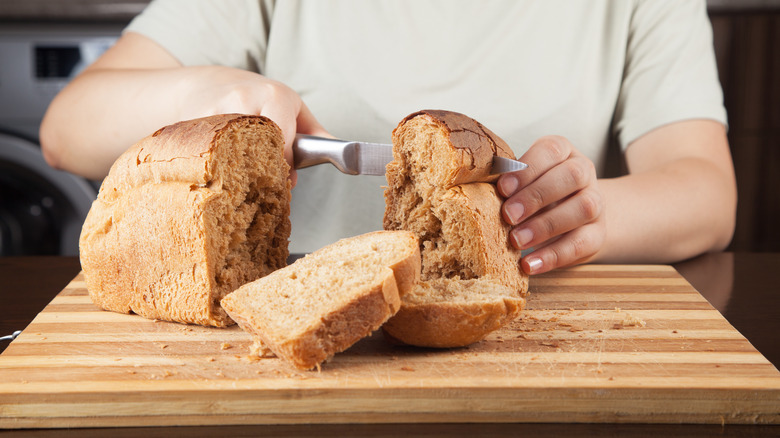
Meals during the Great Depression weren't always full dinners with meat or vegetables. Sometimes recipes were created that were lighter but still satisfying. One of the simplest meals from the '30s was milk bread toast, which was just a piece of toasted bread with warm milk poured over it. Many families stood in food distribution lines, and bread was one of the most common handouts during that time period.
When researching this recipe, there's some debate on whether the toast was in fact toasted or just stale. Regardless, it involved very little cooking and used available ingredients that could be eaten for breakfast or as a snack. To make the bread more palatable and sweet, it may have been sprinkled with salt, sugar, nutmeg, and cinnamon, depending on the household. It could have also been cut into cubes (like a cereal) or served as a whole piece.