

13 Depression-Era Dishes You Need To Try
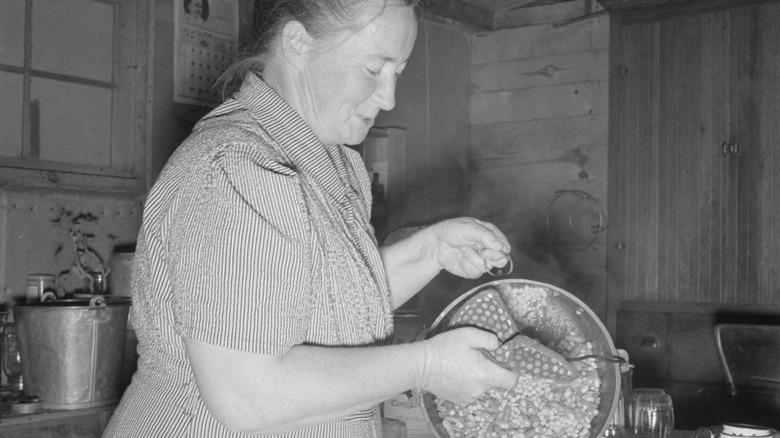
The Great Depression was a time marked by great hardship, with many American homes shouldering tremendous financial burden. As the economy struggled, so did most families — and many found it difficult to even put a good meal on the table.
Through this period of strain, the Great Depression gave rise to countless classic recipes using basic ingredients, as well as some that might seem peculiar in modern times. With limited resources, the people living through this period found ways to use what they had on hand to satisfy taste buds and feed hungry stomachs. Here, we explore many of these Depression-era classics, while offering a few modern spins on the original recipes.
Bear in mind that traditional recipes and ingredients may vary from dish to dish, and that the meals, entrees, snacks, and desserts listed here may not have graced every Depression-era table. Read on to learn about some of the best-tasting Depression-era dishes you should try to make, almost a century later.
Hoover stew
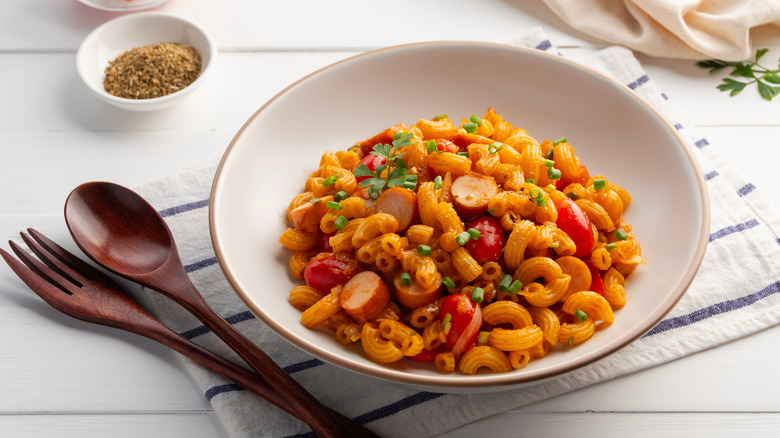
Hoover stew probably isn't the meal to dish up at a swanky dinner party, but when you're hungry and need to stretch a dollar, this uncanny entree might just hit the spot. Hoover stew was intended to be a jab at Herbert Hoover, the president many Americans blamed for the economic crisis of the Great Depression. The dish consisted of canned vegetables, pasta, and hot dogs; and was, reportedly, one of the more popular meals of the Depression Era.
We won't lie — hot dogs, pasta, and canned vegetables really doesn't sound very appetizing. Even so, many modern-day home cooks have found ways to jazz up the dish's flavor to yield an affordable yet filling option most people would enjoy. One poster on Reddit offered some great ingredient swaps for Hoover stew that might just cause you to rethink this peculiar meal: kielbasa sausage in place of the hot dogs and fire-roasted corn serving as the base. Another Redditor took a different approach by keeping the sliced hot dogs and adding garlic, onion, and diced tomatoes, before topping it off with Italian seasoning and cooked elbow macaroni pasta.
No matter which way you choose to prepare it, Hoover stew is a great dish to whip up on days when you simply don't feel like exerting the extra effort — it may not be for everyone, but on lazy afternoons, an easy and affordable meal like this might work just fine.
Water pie
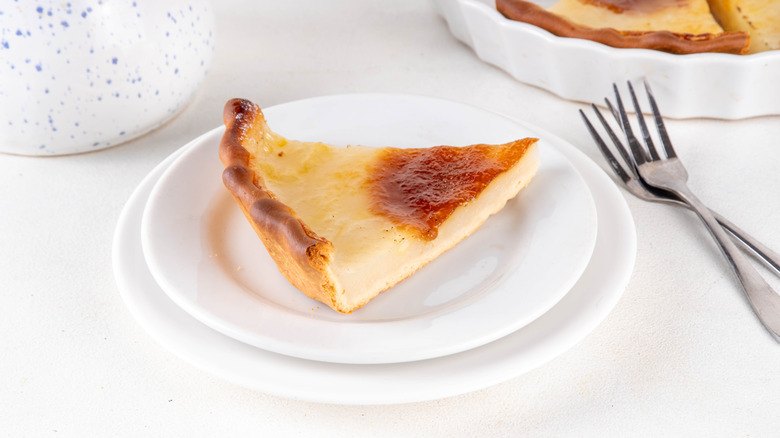
Water pie? Yep, you read that correctly. As shocking as it sounds, water pie was a common dessert during the Great Depression, with — you guessed it — water featured as its base. Despite the pie being made from the most basic of ingredients, additions like sugar, butter, and flour give the pie's water filling a much-needed boost, in terms of both sweetness and richness.
To make water pie, home cooks would fill a crust with water before sprinkling a pre-whisked combination of flour and sugar over it. Vanilla extract was then drizzled over the top, and then pats of butter were layered on its surface. Once baked, the result was a sweet and satisfying dessert that cost pennies to make.
We will warn you: Though usually quite attractive in photos online, water pie's near-transparent filling doesn't always make it the most physically appealing dessert in real life. Even so, there are plenty of people online still raving about this Depression-era recipe today, with one Redditor stating, "We just made [water pie] along with the alternative version, soda pie! For the soda version, we used 7UP for one and cream soda for the other. They were all delicious!"
Wacky cake
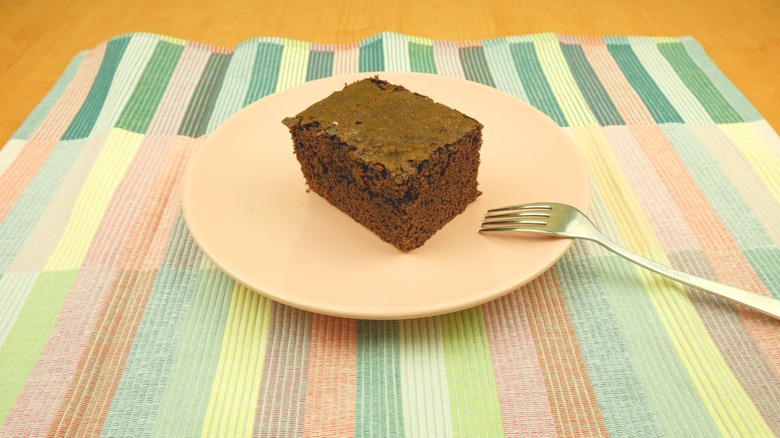
Though maybe not made from as few ingredients as water pie, wacky cake (also known as War or Depression Cake) was yet another common way people enjoyed budget-friendly sweets during the Great Depression. The great thing about this cake is that it requires no butter, eggs, or milk, making wacky cake an amazing choice even for vegan and vegetarian cooks today.
The premise is simple — use flour and cocoa powder as your base along with baking soda, vinegar, salt, sugar, water, vanilla extract, and a smidgen of oil. Combine the ingredients, bake, and top with a simple frosting of your choice. The simplicity of the recipe is impressive considering the results it delivers — even without the use of eggs, milk, and butter, wacky cake still retains plenty of moisture and flavor.
Of course, there were other ways of making wacky cake; though the chocolate version is popular, there are some recipes that replace the cocoa powder with warming spices like cinnamon, nutmeg, cloves, and raisins. Some wacky cakes even skip the baking soda and vinegar altogether, and make use of shortening to provide moisture and richness instead. Either way, wacky cake is a sweet way to savor homemade decadence on the cheap.
Bean soup (with ketchup)
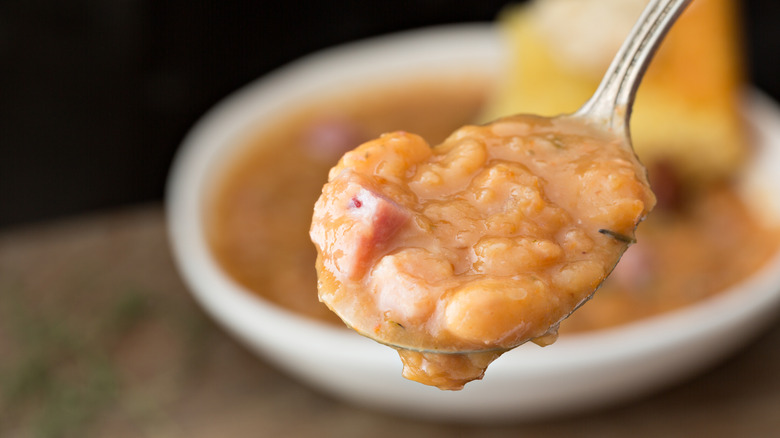
Bean soup is the epitome of a humble dinner. This low-cost option was one of the many staple dishes in Depression-era homes and, with a little creativity, can be enjoyed in several delicious ways today.
During the Depression, Americans would often dish up beans cooked in water, which, understandably, was the most economical choice. That didn't mean the dish was low on flavor, though — home cooks would often add their own flair to bean soup by switching up the types of beans used, and flavoring it with sweet and savory additions like ketchup. Bean soup was also the perfect opportunity to sneak in a variety of veggies — additions like onion, celery, potatoes, or carrots helped make the meal hearty and nutritious.
Bean soup is just as much a versatile lunch or dinner now as it was in the past. You can keep things simple by adding one type of bean, or mix it up by throwing together different varieties for added nutrition. And though Depression-era Americans did tend to use water as a base for bean soup, a flavorful, high-quality broth helps — along with seasonal vegetables, bacon, sausage, and fresh herbs. Oh, and try not to look down your nose at the old-school way of seasoning bean soup — a combination of ketchup and Worcestershire sauce adds delicious flavor, without a lot of extra effort.
Bread pudding
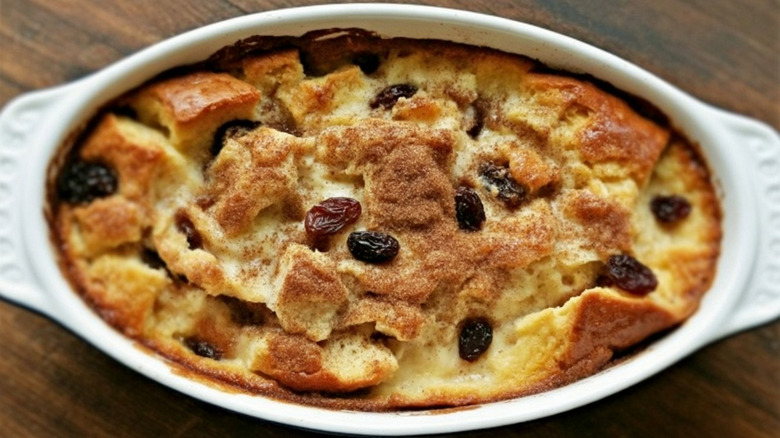
As you might imagine, food waste was something most folks generally tried to avoid during the Great Depression. Not that it's feasible at any time, but in a monumental crisis, every morsel can count. Even stale bread had a place at the table, and with a little sprucing up, could be made into a delectably sweet dish with ingredients most families already had in the cabinet.
The recipe for bread pudding was simple: Chop the stale bread into cubes and pour a combination of milk, eggs, sugar, butter, and vanilla over it before baking. Of course, the ingredients varied a bit from recipe to recipe — some included cream, while others featured a variety of warming spices such as cinnamon, nutmeg, or clove. Cooks would then let the mixture sit refrigerated overnight before serving on its own or with a simple topping, like caramel sauce or fruit spread. You can also amp up traditional Depression-era bread pudding by topping it with a handful of raisins or chocolate chips.
Creamed chipped beef
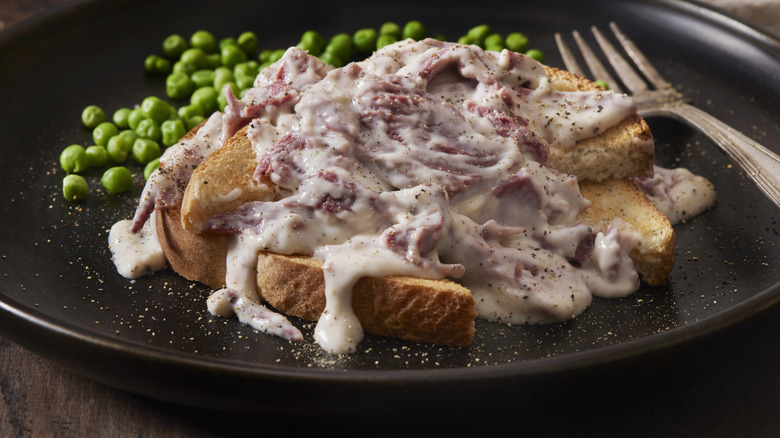
Chipped beef is inexpensive processed meat that can be bought, often coming in a pouch or jar. It can be super salty at times, but serves not only as a cheaper, more affordable substitute for fresh beef, but also as a time saver, especially when preparing creamed chipped beef.
To prepare creamed chipped beef, you only need to cook dried beef in butter before dusting with flour along with a couple of cups of milk. Heat the mixture on low to medium heat until thickened, and allow to cooling. In the meantime, make yourself some toast and set it aside. Pour the creamed beef mixture over the bread, and voilà: You've got dinner on the table, in no time flat.
Chipped beef can be found at many local grocers, though it's often labeled as dried beef on the package. If purchasing for the first time, give it a quick taste before throwing it in gravy — if it seems too salty, give it a brief rinse under the tap before cooking.
Dandelion salad
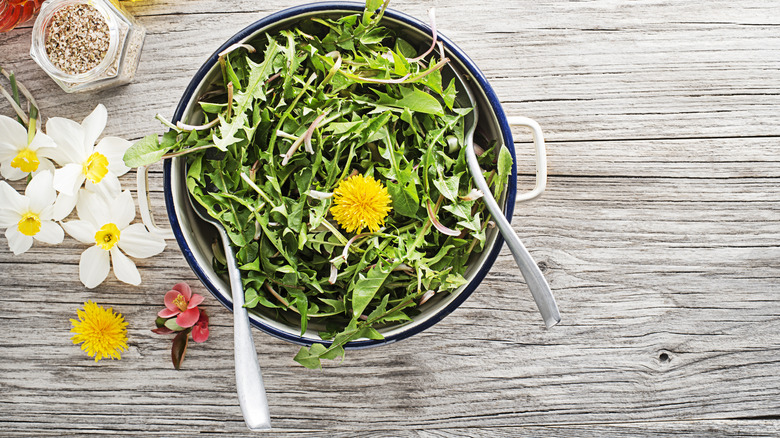
Did you know you can eat the dandelions that grow in your yard? It's true, every part of this common "weed" of a plant is edible, and good for you, too. It makes sense, then, why people in the Great Depression made use of them, in various ways.
The leaves of the dandelion emit a bitter, peppery flavor that becomes milder after cooking. The stems are tender enough to enjoy without removing completely, and even dandelion petals can be put to use in salads, breads, and even jams.
Now, we know what you're thinking — what about pesticides? Yes, it's a real concern. Thus, if you're going to make dandelion salad, dandelion tea, or any other concoction, you'll want to pick dandelions in an area that hasn't been treated. Once you've found clean dandelions, you'll still need to do further cleaning: Simply submerge the greens under cold water and check for remaining debris. Once cleaned and dried, use the dandelions in salads as you choose; they often pair well with onion, tomato, and basil.
Poor man's meal
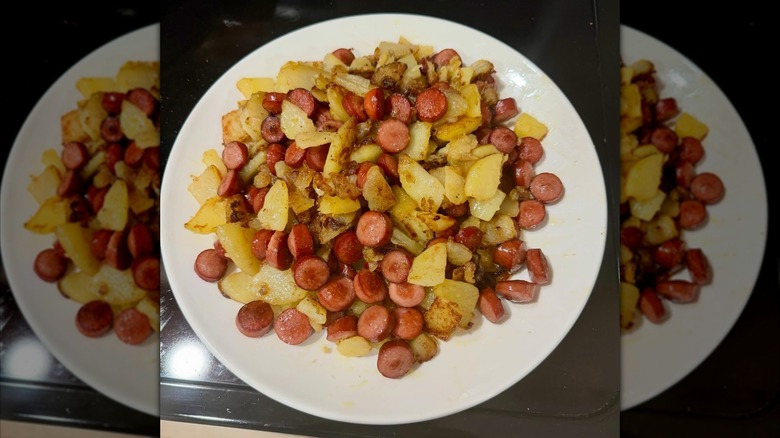
Don't let the name scare you — the poor man's meal from the Great Depression is simple, cheap, and — dare we say — pretty tasty. Much like Hoover stew, Poor Man's meal won't be everyone's cup of tea, but the ingredients can actually be swapped for others, or the original recipe can be upgraded with different seasonings.
The traditional meal consisted of tomato sauce, hot dogs, potatoes, and onions. And for those looking to sample something affordably different and easy, the process for cooking the poor man's meal is simple: just cook the onions and potatoes before adding a bit of tomato sauce, water, and sliced hot dogs. Cook through until potatoes are tender, and serve alone, or accompanied by a leafy green side dish. Remember, you can add whatever seasonings and add-ins you want here — garlic, herbs, and peppers add flavor and bulk to the meal, but you can really throw in anything that suits your tastes.
Peanut butter bread
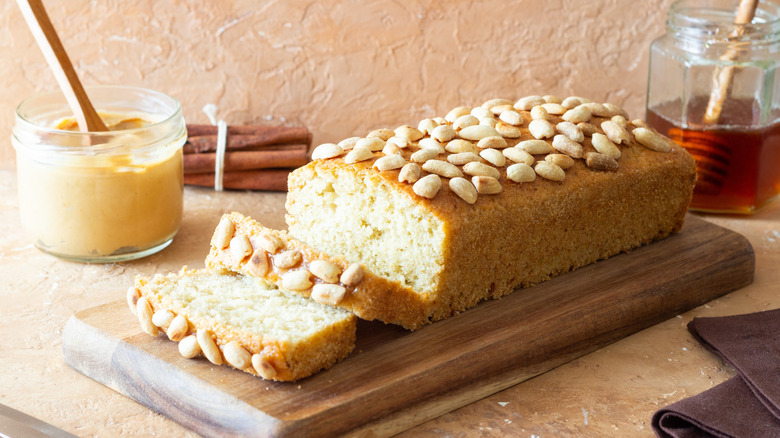
Peanut butter fans, listen up, because this one's for you. Thankfully, this marvelous, yet not-so-popular bread is just as easy to make as it is good to eat. Peanut butter bread usually requires only the most basic of ingredients: sugar, flour, peanut butter, baking powder, salt, oil, and milk. Throw this mixture into a loaf pan and bake — the result is a fluffy, subtly sweet slice that lends itself perfectly to an extra heaping helping of peanut butter.
As you may have noticed, this bread requires no eggs and doesn't have additional ingredients like vanilla extract or other add-ins that modern-day desserts often do. Peanut butter bread recipes can also be substituted with other nut butter types, including sunflower butter or almond butter. Don't forget to get creative with the toppings — aside from slathering it with extra peanut butter, you can also consider adding jelly, banana, or even chocolate chips. Yum, right?
Mulligan stew
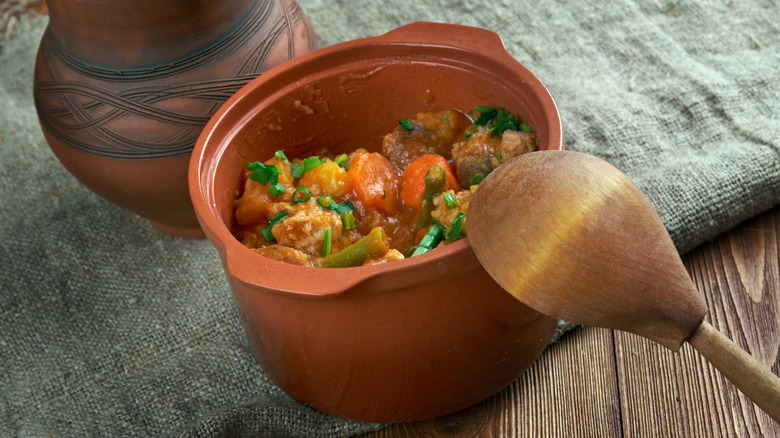
Similar to Hoover stew, mulligan stew is a classic meal your grandparents probably loved that revolves around making do with what you have. We've all been there: You have a bit of carrots here, half an onion there, a can of veggies, and scraps of meat. During the Great Depression, people pulled together scraps like these to create hearty meals. You can, too, especially given that there's no specific recipe to dishes like Mulligan stew.
So, what is mulligan stew, exactly? Traditionally, it's meat, veggies, and a grain, all in the same dish. Unlike Hoover stew, you don't have to rely on hot dogs for flavor. Because it's so easy to customize, you can adjust the flavors to your liking — there's certainly no one-size-fits-all approach.
As for where the name of the stew originates, sources vary, but the word mulligan means "second chance." The stew itself was said to have been created in camps of migrant workers in the early 1900s.
Potato candy
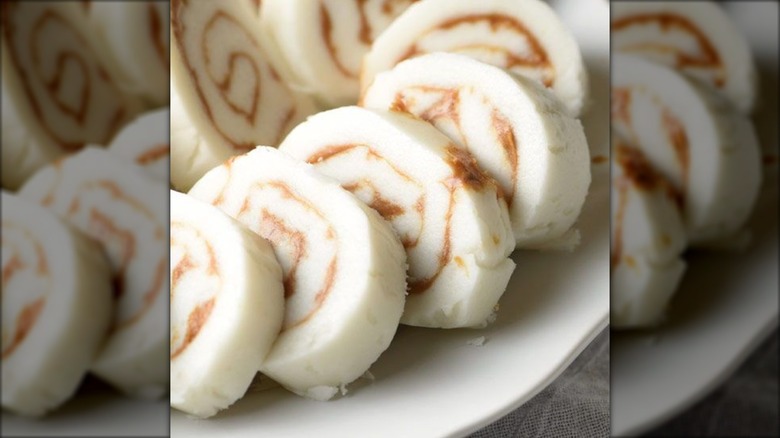
Tired of mashed potatoes? We've got a sweeter, old-fashioned way to use up that bag of russets you have lying around. People who lived during the Great Depression savored potato candy as a sweet indulgence, and being that it's simple to make, it could be a great way to satiate your sweet tooth, especially if you're looking to ditch wheat.
To make potato candy, start by making your base. Combine mashed russet potatoes with milk, salt, and vanilla extract. From there, beat in multiple cups of powdered sugar until the mixture forms a thick dough. Now for the fun part: Remove the dough from the bowl, flatten with a rolling pin, and slather with peanut butter, or the spread of your choice. Roll it up in a way similar to a jelly roll and slice into ¼-inch rounds. Store the remaining discs in an airtight container, that's it!
Be aware that potato candy is quite sweet — it is for this reason that peanut butter is suggested as the filling, as its richness often helps counteract the sweetness. Interestingly, potato candy isn't the only dessert that benefits from the use of potatoes: Other types, like Amish cinnamon rolls , use this humble root vegetable as a secret ingredient, too.
Cabbage pasta
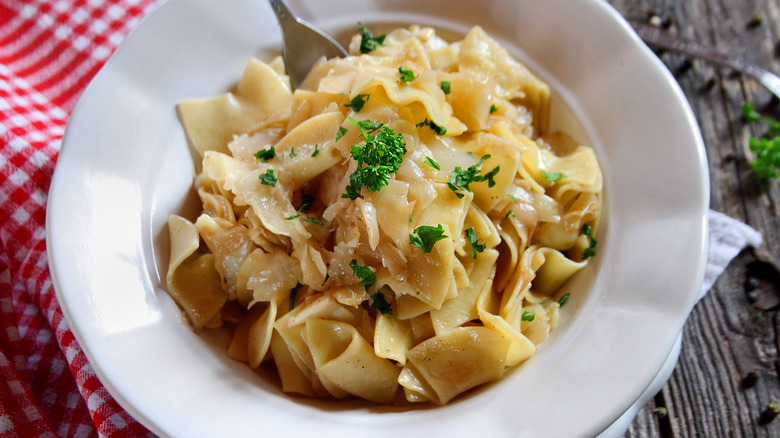
In the days of the Great Depression, cabbage was (and still is) not only inexpensive but versatile enough to feed the whole family when properly prepared. And though boiled cabbage probably isn't most people's idea of a superstar dinner, cabbage pasta just might be. Think of it as a souped-up buttered noodle dish — a bit of fresh garlic, black pepper, and red pepper flakes can make these super simple ingredients into a nutritious and flavorful meal.
If you're interested in whipping up Depression-era cabbage pasta today, start by cooking some noodles — we suggest using spiralized noodles for the best look and texture. Boil and toss them in butter along with your choice of seasonings. Slice your cabbage into very thin strips — the thinner, the better, as this will help the cabbage fry faster. From there, cook the cabbage before combining it with your noodles and top with your choice of protein, if desired.
Potato pancakes
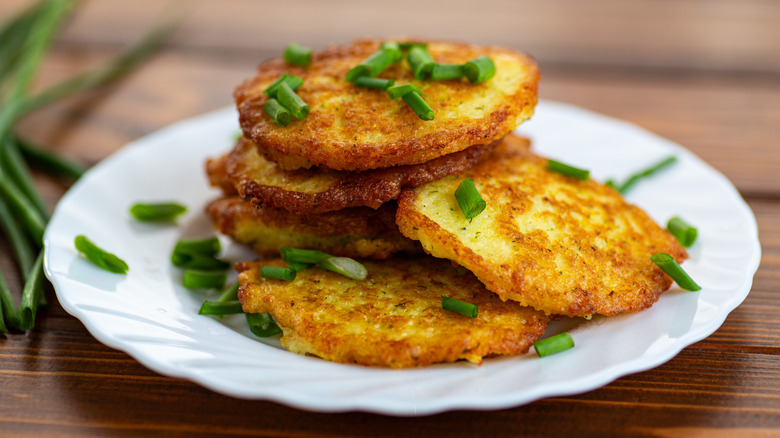
Depression-era potato pancakes may not be the sweet, fluffy breakfast staple you're used to, but they pack an umami punch and, as usual, the recipe utilizes minimal ingredients. Potatoes were an inexpensive vegetable that could be found in most American homes, and as such, were used in a variety of dishes. We've already explored the benefits of potato candy, but potato pancakes, which are similar to latkes, were also a popular dish. Today, you can make potato pancakes in much the same way they did in times past — all you need is a bit of flour, onion, garlic, and of course, potatoes.
Making potato pancakes starts with a grater — after cleaning your potatoes, grate them into a clean mixing bowl. To the potatoes, add onion, egg, salt, pepper, and a bit of flour. Once mixed, plop about a ¼ cup of the mixture into a skillet with hot oil on medium heat, making sure to flatten each potato pancake with a spatula. Flip once golden brown on each side. Transfer the hot cakes to a plate lined with paper towels to drain.
In the mood for even more flavor? Potato pancakes can be jazzed up using other grocery items you may have on hand, with additions like cheese and bacon giving yield to a bigger, bolder taste.