

What's The Difference Between Session And Pale Ale Beer?
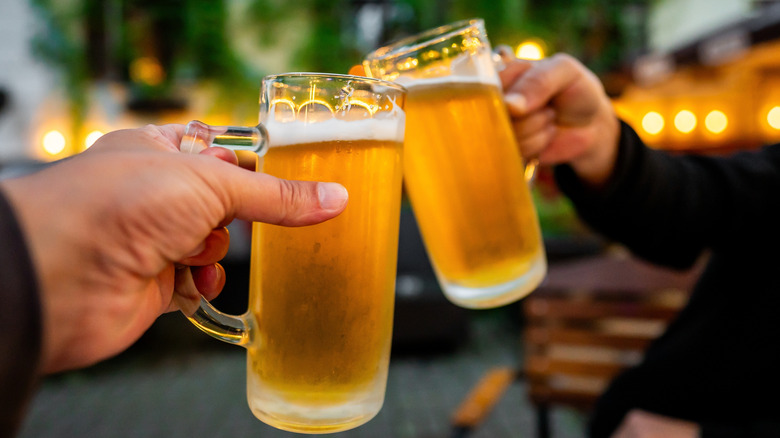
If you're a beer drinker, it's important to know the 20 main types of beer and what makes them different. While there are big differences between dry and regular beer, for example (namely the amount of residual sugars included), many styles are also very similar. Take the heavy overlap of porter and stout or pilsner and lager. Just like not all rectangles are squares (but all squares are rectangles), not all lagers are pilsners, but all pilsners are lagers. The same is true for session beers and pale ales — not all session beers are pale ales.
The confusion persists because all beers are made from the same four base ingredients: water, grain, yeast, and hops. Different ratios of these — as well as additional mix-ins like coffee, fruit, or spices — create the blends for the beers you know and love. That's also why beers from different countries taste unique, and why there's a best craft beer for each U.S. state.
What is a session beer?
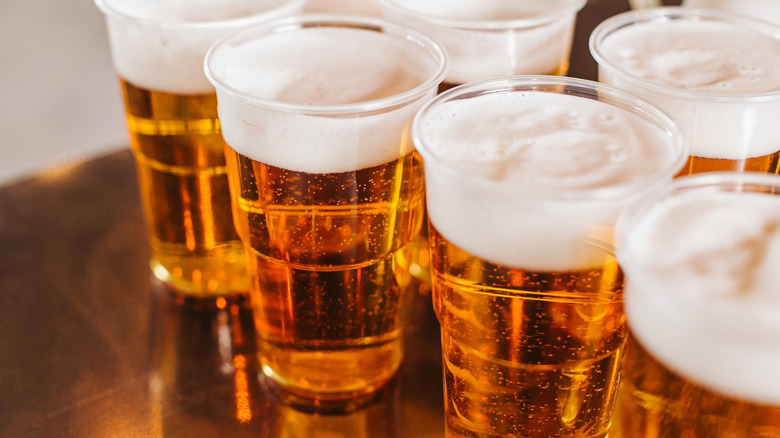
A session beer isn't a special type of brew. Rather, the name refers to a larger category of beer that's light in both flavor and alcohol content — typically under 5% ABV. The idea behind the name is that you can drink multiple servings of this type in one session, compared to a heavy beer that's too filling for seconds or one that'll get you drunk too fast. The atmosphere also matters. A session beer is one best enjoyed in a loose, easygoing setting like a barbecue or picnic.
While session beers are often thought to be lighter pale ales, many other beers fit the criteria. Summer-specific lagers, Belgian witbiers, stouts and porters, pilsners, blondes, and goses can all count if their ABV is below 5% or if the flavor is particularly mild. Anything low-bodied with a light, crisp mouthfeel works, too. Citrus, in particular, is a popular tasting note for a session beer.
What is a pale ale?
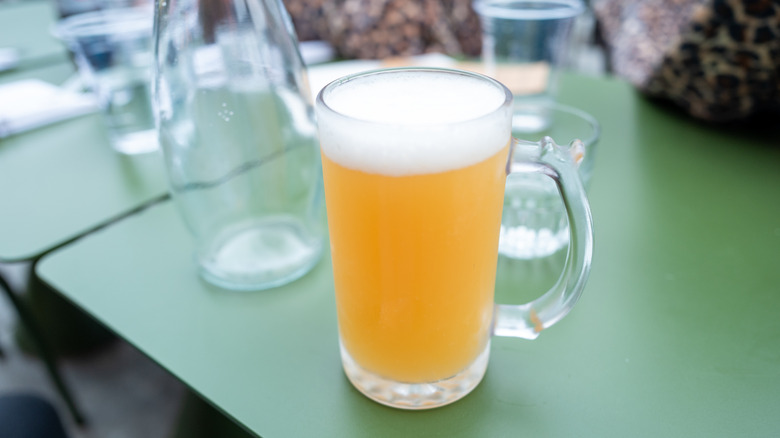
Pale ale is a category of beer that, out of the drink's four primary ingredients, emphasize hops the most. They typically take on that hoppy flavor, leaving tasting notes that are floral, woodsy, or fruity. Originally, pale ales were taken on voyages from England to India because the additional hops helped them stay fresh over the long months — thus creating the name India Pale Ale, or IPA for short. Eventually, different beer companies began producing their own versions; Sierra Nevada was one of the first American breweries to adapt and popularize pale ale for the masses. Nowadays, pale ale is a large category of beers with hoppy flavors and anywhere from 4.5 to 7.5% ABV.
Pale ales that fall on the lower end of the ABV spectrum make perfect session beers. Although hoppy flavors can be bitter, they can also be surprisingly sweet, refreshing, and even borderline tropical. Avoid drinking double or triple IPAs as session beers, though; these are even higher in alcohol content, plus they're extra bitter. When in doubt, try an IPA for beginners, like Sierra Nevada's Hazy Little Thing.