

4 Disadvantages Of Using A Pressure Cooker
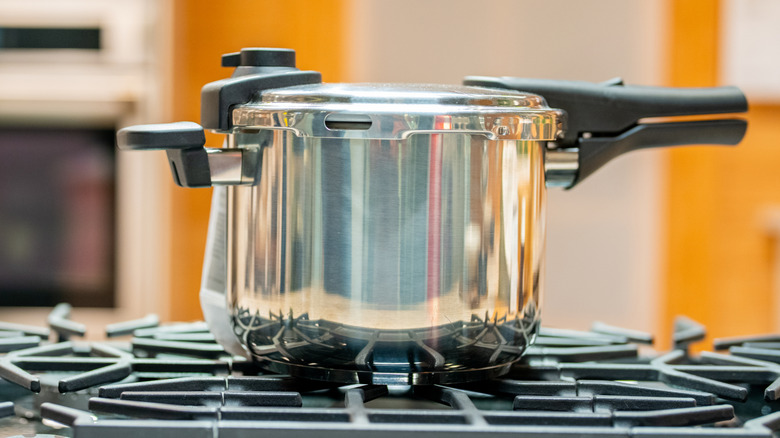
Pressure cookers help home chefs do the seemingly impossible, like cook rice in less than 10 minutes and turn dried beans tender in less than an hour. This might sound like culinary magic, but it's really just science: As the liquid heats, it turns into steam, thus increasing the pressure in the sealed cooking chamber. The high pressure raises the boiling point of water, allowing food to cook at a higher temperature without getting scorched (for a more detailed explanation, read up on the scientific correlation between water and steam in a pressure cooker).
Pressure cookers are kind of like the bidets of kitchen gadgets — some folks swear by them, while others find them intimidating or borderline terrifying. The truth is, these products can be useful and time-saving culinary tools, but they also have their shortcomings. It's important to understand the realistic drawbacks in order to best use (or not use) pressure cookers.
One of the biggest concerns is that faulty devices or improper usage can cause dangerous accidents (we've all heard an exploding pressure cooker horror story). Another issue is that it's difficult to add ingredients or check on food as it cooks. Finally, pressure cookers often produce bland food, and it's hard to adapt recipes to your needs.
They can lead to dangerous accidents
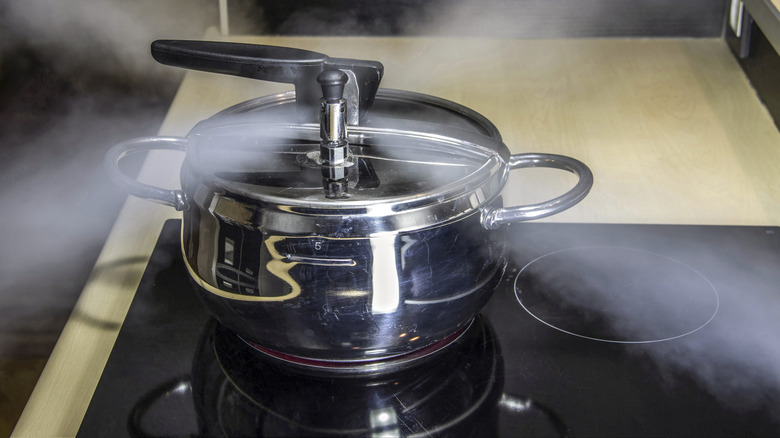
Safety risks are the elephant in the room of pressure cooking, so let's cut to the chase: Fears of exploding pressure cookers are overblown, especially with modern safety features. You shouldn't believe the myth that your Instant Pot will explode randomly, but there are some real risks to take into account. One of the biggest concerns is user error. Improperly releasing the pressure or overfilling the pot can result in serious burns (and steaming hot chili on your ceiling). Additionally, faulty or damaged pressure cookers can cause problems. Lids that don't close properly, bad gaskets, and blocked valves are frequent offenders.
Luckily, newer models such as Instant Pots come with safety features that practically eliminate the risk of dangerous incidents, so the explosions of urban legend are mostly a thing of the past. Generally speaking, modern pressure cookers aren't significantly more dangerous than other cooking methods (the truth is, lots of kitchen appliances can pose serious hazards). However, the potential risk of a more serious incident due to user error or a faulty pressure cooker is higher compared to, say, a crockpot.
It's difficult to add ingredients or check for doneness
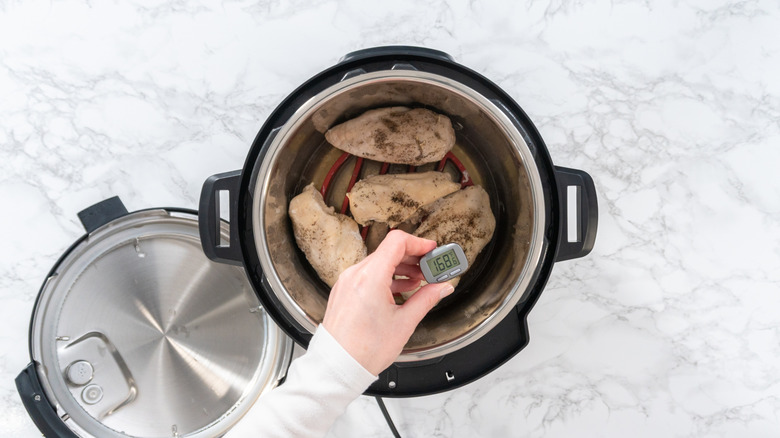
As mentioned above, pressure cookers function by trapping pressure in a sealed chamber, allowing food to cook rapidly and efficiently at higher temperatures. This means you can cook a whole chicken in a pressure cooker in record time, but it also means that once you've closed the pot, you absolutely cannot open it until the pressure is fully released. In other words, there's no quick way to toss in a pinch of salt or check for doneness. If you do need to add an ingredient, you'll have to turn off the appliance, release all the pressure, and then restart and reset it after making your addition.
In a thread discussing the aforementioned timing issue, one Reddit user complained, "The pressure cooker seems like such a black box," adding, "I'm used to checking in on my food." Other commenters pointed out that the simplest solution is to err on the side of undercooking because once food is burnt, it's hard to salvage. Still, if you're the type of chef who likes to taste and season as you go and can't resist peeking into the oven every few minutes, this is a disadvantage worth considering.
Pressure cookers tend to produce bland food
One frequent complaint among pressure cooker users is that the appliance frequently produces bland food, seemingly no matter how much seasoning is added. The most common culprit behind this lack of flavor is too much liquid. Water is absolutely essential to pressure cooking — if there's not enough, the appliances can't function properly. Running a pressure cooker without enough liquid results in burnt or unevenly cooked food and can even pose a safety risk. As such, people tend to err on the side of caution and add more water than necessary. However, because the liquid stays trapped in the pot and doesn't evaporate, if you use too much water, your meal will almost inevitably end up watery and bland. Many people recommend using a minimum of 1 cup of liquid in pressure cooker recipes, while others suggest that a ½ cup will do. Unfortunately, striking the perfect balance isn't an exact science — it depends heavily on cooking time, the model of pressure cooker, and the type of dish.
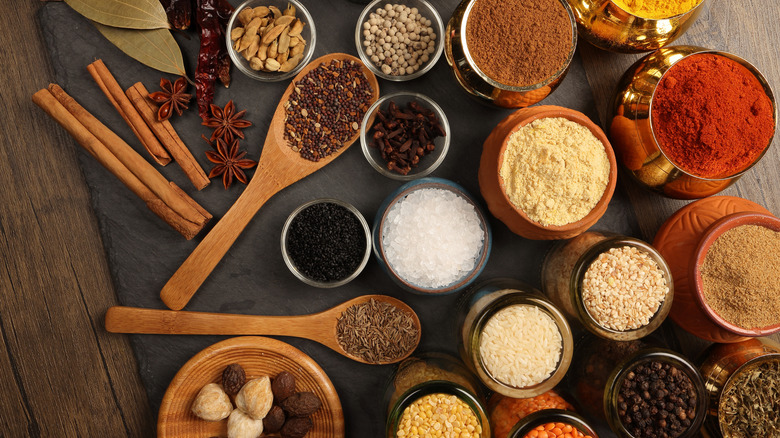
Adding insult to injury, some cooks find that the high heat of pressure cooking can mute aromatic spices and seasonings. Luckily, there's a more straightforward solution for this issue: Be generous with your seasonings, wait to add more delicate spices until the end of cooking, and finish it off with seasoning to taste. Plus, incorporate a handful of fresh soft herbs (which aren't the same as hard herbs) and a splash of acidity for good measure.
It's hard to adapt recipes on the fly
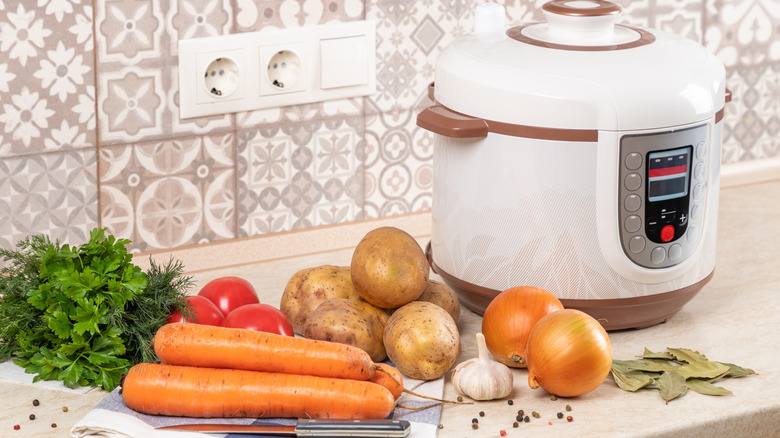
One of the great joys of cooking is improvising a meal with whatever odds and ends you have on hand — throwing in a handful of this and a splash of that until you've created a culinary masterpiece (or at least a reasonably tasty meal). In fact, following recipes to the letter without adapting them to your circumstances is a mistake amateur cooks make that chefs can't stand. Unfortunately, making up a pressure cooker recipe on the fly is no easy feat.
As mentioned above, determining the appropriate amount of liquid and spices to add to a pressure-cooked dish depends on a wide range of factors, and if you don't get it right, the results can be disastrous at worst and inedible at best. What's more, the ultra-high heat impacts ingredients in different ways, many of which aren't exactly intuitive. For example, you should never cook dairy products in the Instant Pot or other pressure cookers, as these foods tend to curdle. As such, it's generally best to keep your culinary creativity in check and follow recipes to a tee, especially if you're not an experienced pressure cooker user.