

5 Ordering Tips To Get The Best Steak From LongHorn Steakhouse
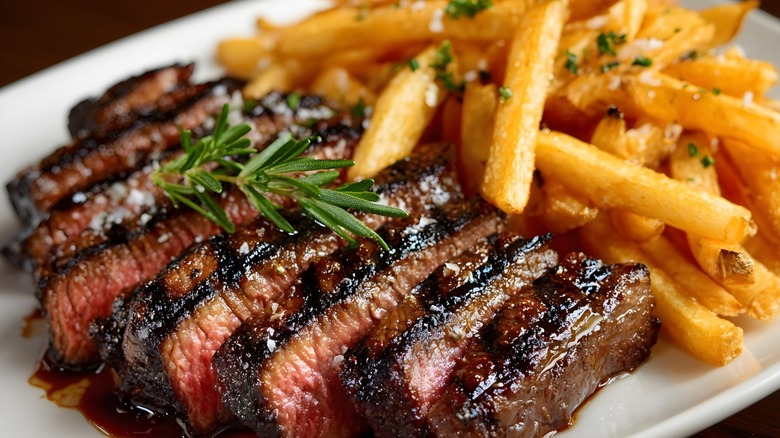
In a market filled with steakhouses, LongHorn has become as seasoned a name as the food it serves. It first opened its doors to the public in Atlanta, Georgia, in 1981 and has been proudly carrying on the proud Southern tradition of providing hearty grilled steaks in a cozy, polished atmosphere that is nonetheless Western-themed, expanding to over 500 locations. But it's also on the pricier side compared to options like Outback and Texas Roadhouse. So when it comes to getting the most out of your buck — and steak — familiarize yourself with LongHorn Steakhouse dining tips and options.
It's worth noting first and foremost that at the heart of LongHorn's cooking ethos is freshness. None of its steaks are frozen, and all are trimmed to custom specifications and served perfectly cooked, prepared by experts known as Grill Masters. On the menu, you have a wide selection, including the LongHorn Porterhouse, the Renegade Sirloin, the Outlaw Ribeye, and Flo's Filet (the Western theme is particularly clear in the names). Among the main things worth knowing about LongHorn's steak cooking process is that customers are given significant power over how their steaks are prepared and what seasonings go on them, including special grilling requests and borrowing butter toppers from the seafood to ensure their experience at the steakhouse is as prime as its beef cuts.
Ask for different seasoning from what you have on the menu
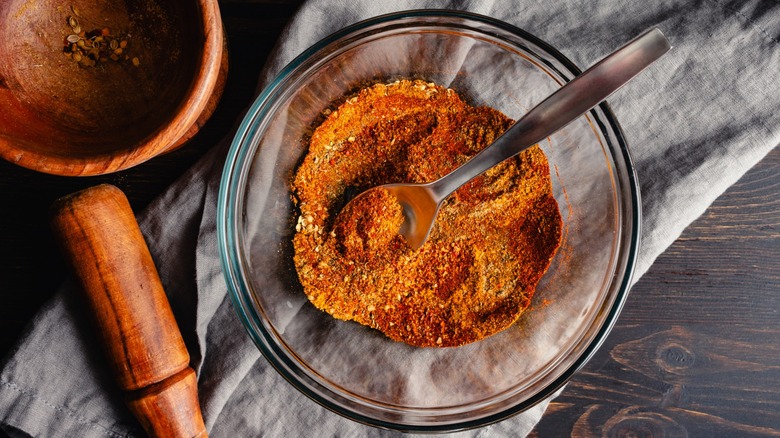
LongHorn Steakhouse has several set seasoning blends it uses, depending on the signature steak cut. On its grills, for instance, it uses its aptly titled Grill Seasoning, which is heavy on the herbs and aromatics. For fierier offerings, like the Outlaw Ribeye, it pairs them with Char Seasoning, which has a smokier flavor. Prairie Dust has a relatively mild flavor and is used in various contexts, from steak to chicken to vegetables, while the feisty Seven-Pepper is typically reserved for the New York Strip.
But you can mix things up and concoct something quite delicious. For example, the Seven-Pepper seasoning can work beautifully on the Flo's Filet or Renegade Sirloin, as it elevates what would otherwise be relatively delicately flavored steak without an overpowering glaze or sauce. The Char Seasoning can enliven the boneless ribeye and infuse it with a smoldering flavor profile reminiscent of flame grilling. The key here is to take advantage of LongHorn's customization options to come up with some flavorful steak profiles that might be difficult to find elsewhere.
Ask for a side of parmesan crust
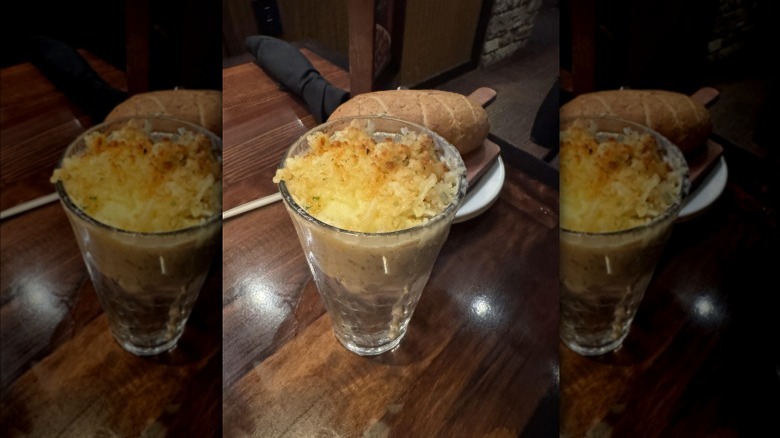
Parmesan crust is one of LongHorn's common additions, most typically seen on its poultry offerings. As the name suggests, the crust is the result of mixing Parmesan with garlic and sprinkling it over food so it ultimately browns during the cooking process, becoming creamy and infusing the meat with a deliciously savory and mildly sweet cheesy note.
The chain allows you to add it to steaks as well, but in early 2026, some LongHorn workers took to Reddit to describe an upsurge in customer requests for the modification. An even better hack is to ask for it on the side. That way, you can control how much of the cheese you add to your steak while also potentially using it as a dip for your sides. The Flo's Filet would be a strong choice here since the cut — being relatively lean and tender by nature — could use some of the added fat and velvety texture from the cheese. It's worth noting, however, that asking for a Parmesan crust will come at an extra cost and might not be accommodated as a side in every restaurant location.
Get fattier steaks medium to well-done rather than rare
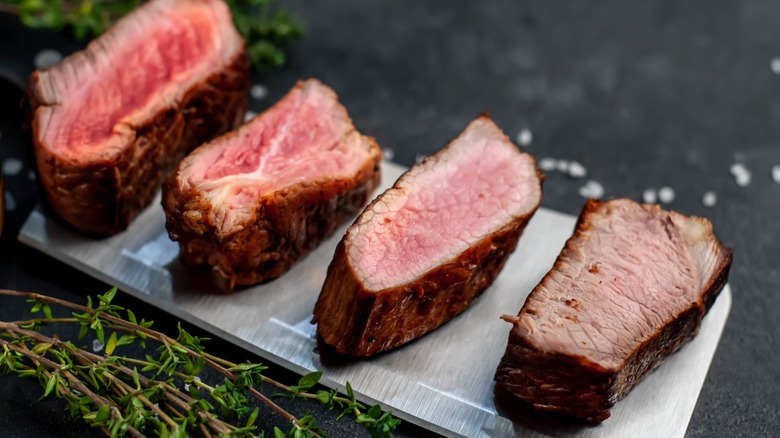
Asking for a well-done steak? Sacrilege! As most steak lovers know, medium-rare is typically considered the Goldilocks zone for a steak since it allows the center to remain tender while the exterior forms the sort of crust that provides an excellent contrast in flavor and texture. Well-done is typically confined to those who either can't cook a good steak or can't appreciate one. That said, there are contexts in which having your steak cooked more thoroughly can work, and at LongHorn, there are specific cuts that could benefit from staying a little longer over the flame.
Much of this depends on the specific cut's amount of marbling, which refers to the intramuscular fat resembling white streaks that infuse the meat with richness and flavor. Lean cuts like filet mignon, for instance, usually have rather small amounts of intramuscular fat, so if you cook them too long, the fat renders out, which can lead to a tough steak. But cuts like ribeye — one of the more popular choices in the steak world — are especially renowned for high fat content and thick streaks of marbling. It's precisely these fattier cuts that can actually taste better cooked medium to well-done since this allows the fat to soften and tenderize, infusing the meat with more flavor and being less chewy to the bite. A key here is to check out LongHorn's corporate doneness guide. But before you order, you also might want to find out everything you need to know about steak doneness so you can order like a pro.
Ask for a fire-grilled boneless steak
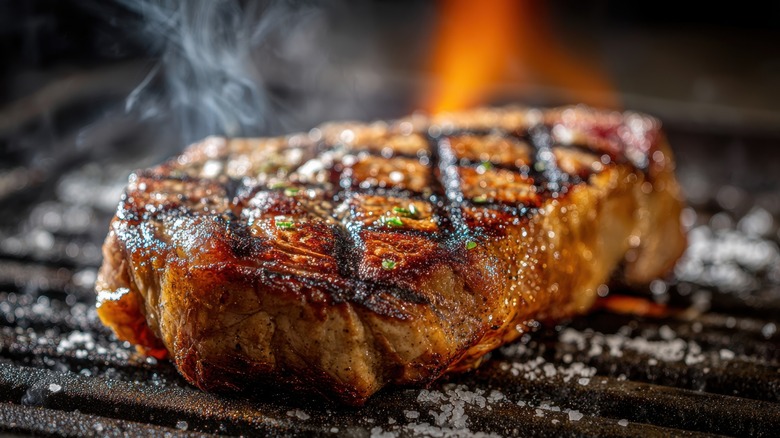
You should also take advantage of a lesser-known hack hidden on the LongHorn menu: the fire grill. The chain's bone-in steaks, such as the Outlaw Ribeye and Fire-Grilled T-bone, are openly advertised as going over direct flames, which infuses them with their distinctly smoky, charred flavor and appearance. Its boneless cuts, on the other hand, are usually seared conventionally on a flat-top surface, which ensures they cook evenly and create a uniformly brown crust.
Flat-top cooking can do the job just as well as flame grilling, but the unmistakable flame-grilled huskiness can transfer particularly well to boneless cuts. And this isn't just the recommendation of steak enthusiasts — Chef Shaiheem, the Atlanta-based executive chef of the Historic Fox Theater, told Eat This, Not That he recommends this delicious LongHorn steakhouse customization. There's no guarantee every location will honor the request, but it can't hurt to try.
Create a makeshift garlic butter
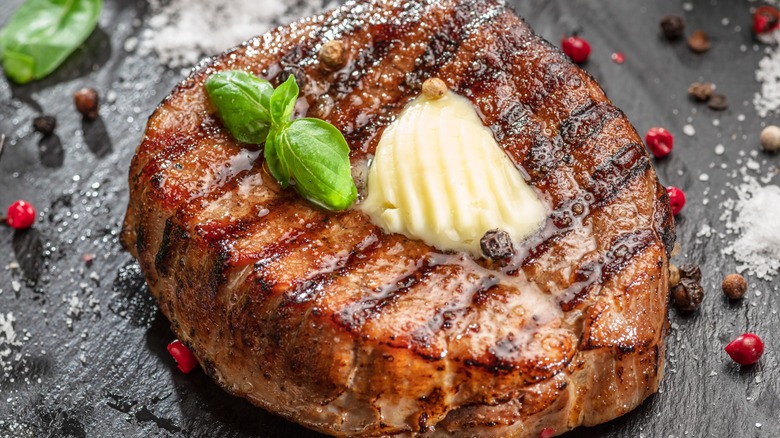
Surf and turf is a well-established part of the steakhouse tradition, and you can certainly get your hands on excellent seafood over at LongHorn. The Redrock Grilled Shrimp, for instance, stands out both for the quality of its crustaceans and how it's served: with a garlic butter side. Here, you can take a note from the chain's marine-inspired menu to upgrade your steaks by requesting garlic butter as a steak topper.
Butter basting is a classic part of steak preparation derived from the well-established French culinary tradition known as "arroser," so garlic butter works especially well with basically any steak. You get the soft richness from the melted fat as well as an aromatic, sweetly pungent note from the garlic. It's best to apply it to leaner cuts like the filet and sirloin — cuts that can be enhanced with the velvety mouthfeel of the butter. Ribeye is generally marbled enough that it works by itself — although you can certainly make it even more luxurious with a buttery addition. Asking for it on the side allows you to control how much you want on your steak and add it in stages. Once again, this is not a standard customization, so some restaurants may refuse, although you can order the Renegade Sirloin and Redrock Grilled Shrimp combo as a way to work around this.