

11 Styles Of Beer To Try If You Like Stout
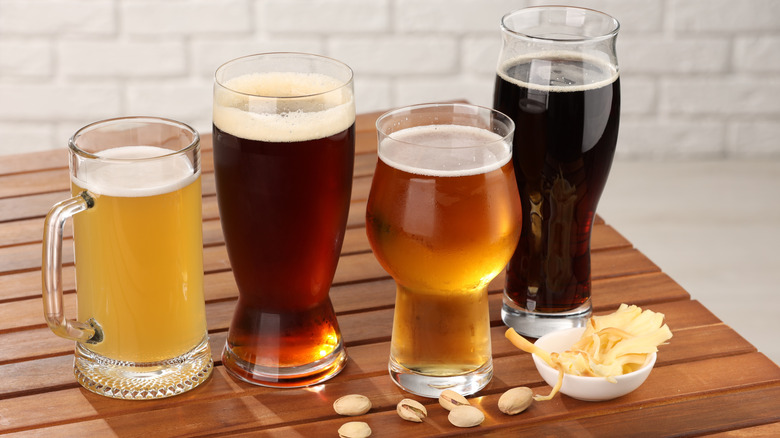
Stout is one of those beers that people often love or hate. And people who love it can be obsessed, leaving them at a loss when they want to branch out. There are, however, plenty of other styles of beer to try if you like stout. Whether it's the dark, roasty flavors, the richness, or the intensity you love, you'll find something else to sip on.
I'm a former bartender and a beer fan who regularly pens articles about brews in my work as a food and drink writer. However, I wanted to get a range of opinions, so alongside my own recommendations, I interviewed three experts. To get the best recs, I spoke with Conclave Brewing owner and head brewer Carl Alfaro, Fonthill Brewing owner Richard Simm, and Matt Cromwell, head beer dude at Napa Palisades Beer Company. They had some creative suggestions about what to drink if you like stout and want to expand your horizons
"Malt is the spirit and backbone of beer, and it's often overlooked next to hops," says Matt Cromwell. Stout is a malt-forward beer, which makes a big difference to the kids of alternatives you might choose. "If you like stout, the first question is what you like about it," Cromwell continues. "If it's the coffee and chocolate, start with roast. If it's the body and richness, go with bready or caramel malts," he suggests. With that in mind, here are some beer styles to try for fans of stout.
Porter
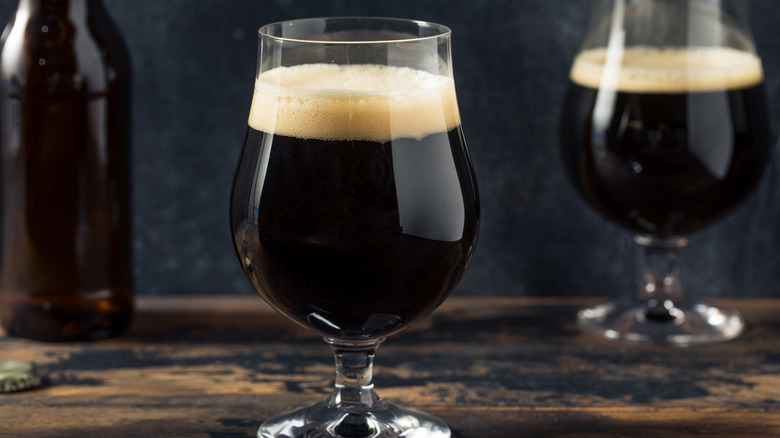
For those who don't want to stray too far from stout, porter is the obvious choice. As a fan of dark beers, I've often found porters and stouts to be hard to distinguish from one another, especially when a brewery makes a particularly light stout or a particularly strong porter. And there's a good reason for their similarities: the two styles have a shared history. However, there is a difference between stout and porter.
"Porter started in London in the early 1700s and was named after the street and river porters who drank it," Richard Simm tells us. "Stout began as 'stout porter,' a stronger version of the same beer," he notes. So, essentially, stout began its life as a stronger version of a porter. "It has the same roasted malt, chocolate and coffee character, just lighter in body and usually less intense," Matt Cromwell explains. "Stout fans get the flavors they already love in an easier drinking package," he adds.
But things can get tricky in the modern world of beer. Every stout and porter varies from brewery to brewery, so it's not always as simple as porters being weak and stouts being strong. I've had some particularly strong imperial porters at 10% ABV and I've had some particularly weak and watery stouts, so you might find yourself grappling with something more robust than expected, which could be good or a bad, depending on your preference. For something particularly festive and wintry, look out for plum porters.
Barley wine
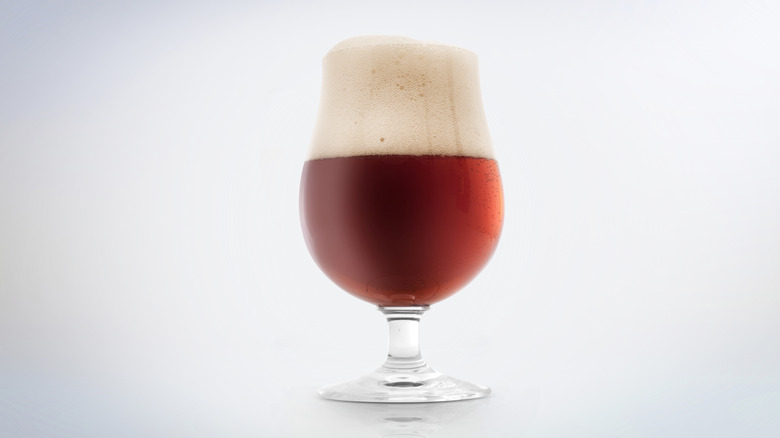
You'd be forgiven for thinking I'd made a mistake here but, despite the name, barley wine is a type of ale. Carl Alfaro recommends it for fans of stout, saying it's "a strong, full-bodied ale (not a wine) that gets its name from its high alcohol content, which rivals that of wine at ABV 6% to 12%." If you like the robustness of stout, barley wine might be a good alternative to try.
It's said that this type of beer was first produced in 18th century England in the breweries attached to stately homes owned by the aristocracy. This strong beer would have been served with dinner in stemware, much like wine, which may be where the name originates from. To make it so strong, the recipe contains more malt than your average beer, which makes them particularly sweet, although this is balanced somewhat by the hops.
"It's not as dark or roasty as an imperial stout, but it's big, rich and full-bodied with flavors of toffee, caramel and molasses," Alfaro explains. Barley wine tends to have fruity notes and is full-bodied in a way that might be familiar to stout fans. It's not the kind of beer you'll find in every bar or your liquor store, but if you spot it in a specialist bottle shop or craft brewery tap room, you should give it a try.
Old ale
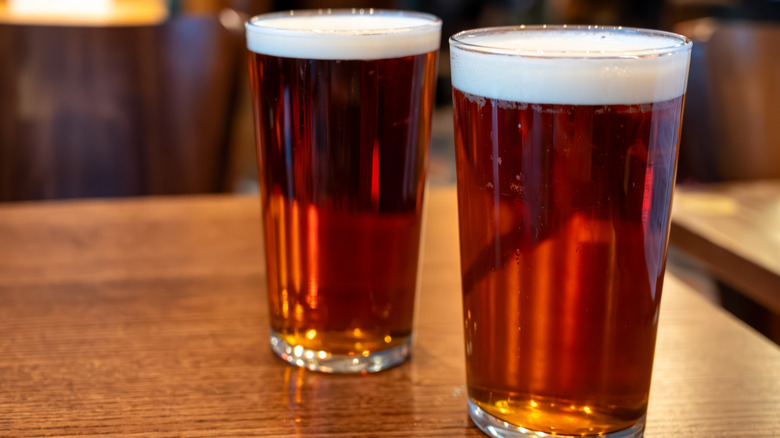
Stout is a historic British style of ale and it has this in common with old ale. Like stout, this is a dark brown to black beer that is aged, giving it an even more robust flavor. It hasn't gained the popularity of stout in recent decades, but it's a lesser-known style that deserves a moment in the spotlight.
"The name comes from beers that were aged in wooden vats for months before serving, and in the 1700s some of that aged beer was blended into porter," explains Richard Simm. "Today old ales are dark and malty, with flavors of raisin, toffee, treacle and dried fruit and a warming finish," he continues.
Simm is based in the U.K., where it's slightly easier to find this style. "A local favorite is Long Man's Old Man from East Sussex, which we stock in bottles over at the bar over at our music venue, The Forum," he tells us. Still, this isn't a style that rivals something like Guinness or Murphy's in popularity, even on that side of the pond.
While it's not identical to stout, it has enough in common for stout fans to enjoy it, while still being different enough that it's worth seeking out. "It has the same depth and dark malt richness as a stout, with less roast and more fruit and caramel," says Simm. "It's ideal on a cold evening," he adds.
Black lager
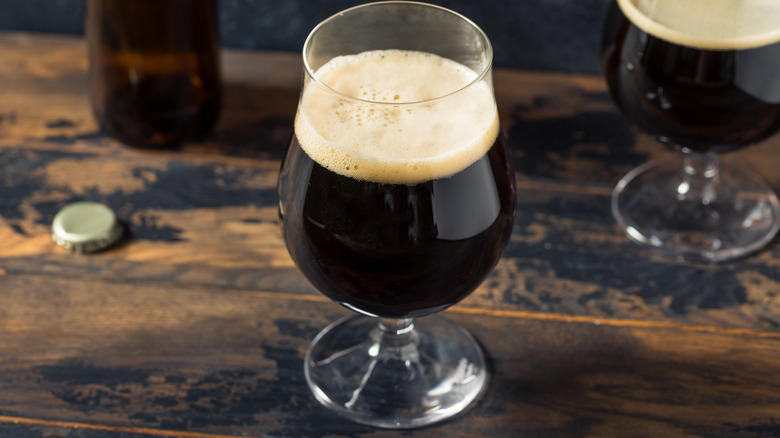
Black lager sounds like a contradiction, but it's more common than you might realize when you know where to look. Also known as dark lager, it's somewhere between a dark ale and a lager, but with its own thing going on. "It looks like a stout but is brewed with lager yeast, so it's clean, crisp and dry," Matt Cromwell states. "You get the roasted malt and a hint of cocoa without the weight," he adds.
Cromwell particularly recommends schwarzbier, which is one style of black lager from Germany but there are others. Notably, there is also Munich Dunkel, as well as international and American dark lagers made by craft breweries.
Carl Alfaro particularly recommends black lagers with a light to medium body and moderate to high bitterness. "This is a step down from a porter in terms of ABV," he says. "You will experience the roasty, chocolate notes but not the full-bodied mouthfeel," he explains.
It is effectively a dark beer-lager hybrid, as it contains similar toasted malts to dark beer, but is then fermented with a lager yeast, which changes the whole vibe, making it lighter and more crushable. "Stout fans who want the dark beer look and flavor but something that drinks lighter will like it," says Cromwell. If you're sick of feeling like you've eaten a whole meal after one stout, this might be the option for you.
Best bitter
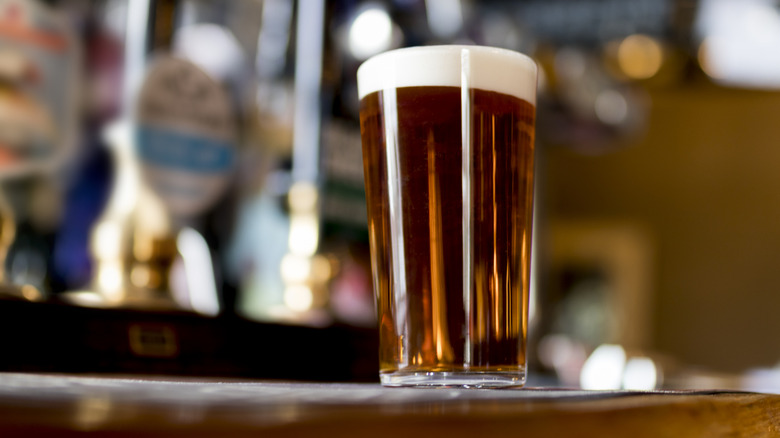
If you like something that's dark with a bit of malty richness to it, but balanced by bitter hops, it might be time to step into the world of best bitters. This style of beer is an old classic that's perfect for the stout fan who prefers their dark beer on the dried side, rather than the rich, sweet imperial stouts and pastry stouts that are doing the rounds today.
"Best bitter is the backbone of the British pub," explains Richard Simm. "It grew out of the pale ales of the 1800s and is still best enjoyed on cask," he notes. In the U.K., it's not especially trendy and is considered a bit of an old man beer, but that's part of the appeal. Why hop on the wagon of the latest trend when you can try an old classic?
"It's amber to copper in color, with biscuit, caramel and toasted malt balanced by earthy English hops," says Simm. Some best bitters have a slight chocolatey maltiness to them that might particularly appeal to those who like stout.
"Stout drinkers tend to enjoy beers driven by malt rather than hops," notes Simm. "A good best bitter has the toasty, bready side of stout in a lighter, more sessionable beer," he continues, adding that it's a good way to try cask ale at its best.
Dark mild
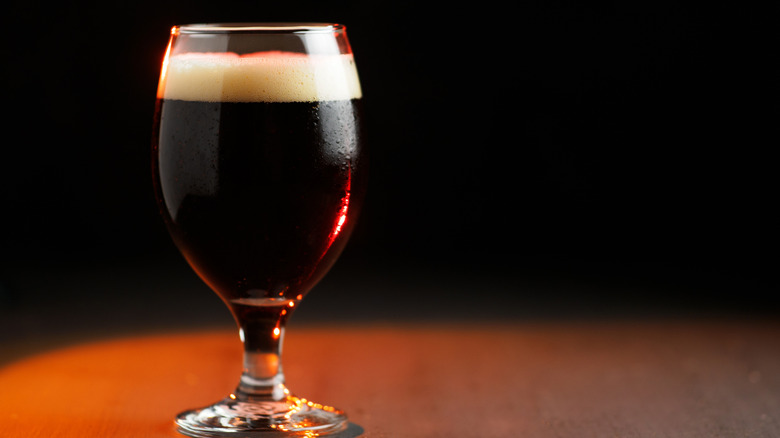
One of the mistakes people make when choosing stout is assuming all beers that are as dark as something like Guinness are automatically classed as stouts. But there are other dark styles of beer to try that have something in common with stout but fit into their own category. One of my favorites is dark mild, which is a malty ale that stout fans are likely to love. It's not as intense as stronger imperial stouts, nor as crisp as dry stouts, but it's a solid, sessionable beer that has a lot in common with the style overall.
Historically, a "mild" was the name for any unaged beer. Today, it's less common for beers to be aged, so the term has fallen out of use, but this beer style remains. Like stout, a dark mild's main flavors come from the malt, rather than the hops. These malty notes can show up in various ways. You can find dark milds with notes of coffee, chocolate, caramel, toffee, toast, and nuts. It tends to be a little on the fruitier side than most stouts, with plum and raisin flavors showing up fairly regularly.
What's notable about this style compared to stout is its lower strength. It usually sits at around 3% to 4% ABV, so this isn't a thick, rich beer in the way that some stouts are. However, this does make it much more drinkable, so you won't find yourself full after a single pint.
Belgian dubbel
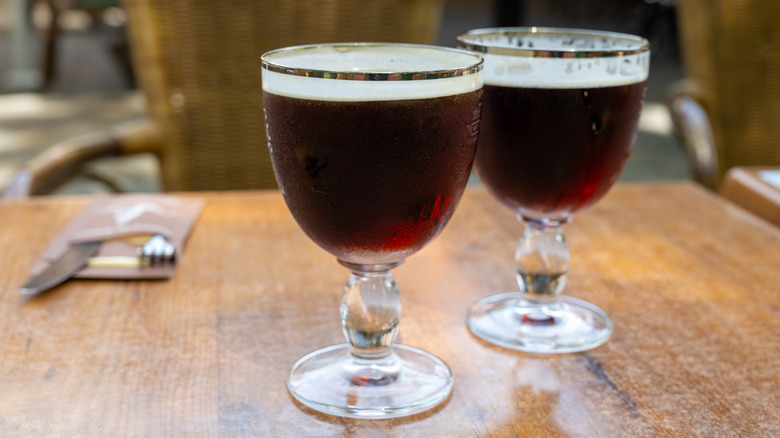
If you're looking for new types of beer to drink instead of ordering the same old stout, consider a Belgian dubbel. If it's the fruity, malty richness of a stout you love rather than the roast, it could be your next favorite. This is a dark beer that looks the part next to a stout but has its own thing going on in the flavor department. It's one of the classic styles of Belgian abbey brewing, and it's more approachable than you might expect.
"Dubbels come from Belgium's Trappist monastery tradition," says Matt Cromwell. "They're deep brown, with dark fruit like raisin and plum, caramel and a bit of spice, and no heavy roast," he tells us. The name means double, which is a nod to its strength compared to lighter Belgian beers, although there's no strict rule about what makes a dubbel a dubbel. Most sit at around 6% to 8% ABV, so they're a similar strength to a robust stout.
"Stout fans will like the richness, depth and warming ABV, and the flavor is more malt and fruit than roast," Cromwell remarks. Where a stout leans on roasted barley for its coffee and chocolate notes, a dubbel gets its character from a combination of dark malts, Belgian yeast, and often dark candied sugar. That sugar adds notes of caramel and dark fruit without making the beer feel overly heavy.
Czech dark lager
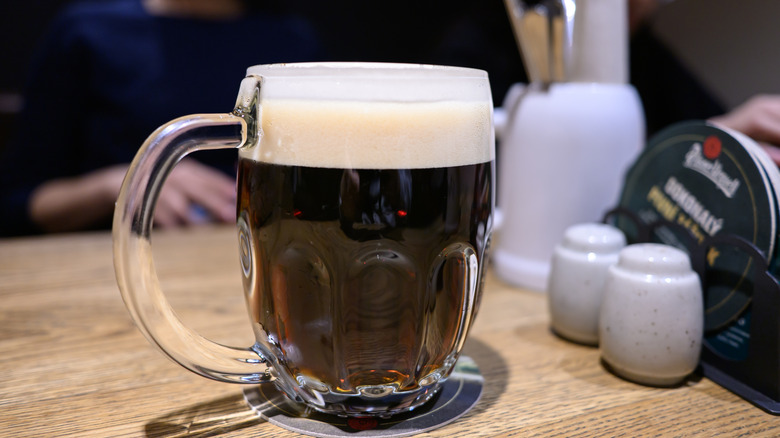
The difference between ale and lager is that they're made with different yeasts. So, we might think of dark-colored beers as always being types of ale, but if they're brewed with lager yeast, they might not be. That's how you get dark-hued lagers, such as the Czech dark lager you'll find in pubs all over Czechia.
"Known in Czech as tmavé pivo, this style has been brewed in Bohemia for centuries," says Richard Simm. He notes Budvar Dark as a great example but this beer is made by many breweries in the Czech Republic. "It's deep ruby-black, with caramel, cocoa and a hint of liquorice, and it finishes clean and crisp like a lager," he notes.
If you're into stout, there's plenty to love about this style of beer. "It has the dark malt sweetness of a stout but is lighter and more refreshing," Simm explains. "It's a good choice when you want something dark without the weight," he adds. So, it might not be the top choice of anyone who loves the strongest, most syrupy imperial stouts. However, it's perfect if you want something that's easy-drinking but has more character than an everyday lager. It has the perfect balance and can end up as an ideal dark beer for the warmer months.
Stingo
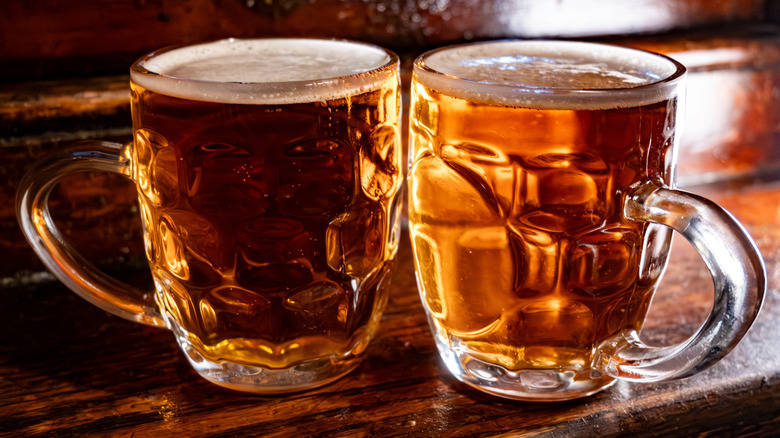
Even if you've tried the best craft beer in every state and are always on the lookout for unusual options, you might not have heard of stingo. The word is centuries-old slang for the famously strong ales of Yorkshire, which packed a serious sting. It turns up in writing from before 1700, so this is a beer with a long history. Effectively it's a type of English strong ale, but once with its own character and story.
It's "a traditional strong ale from northern England that falls between a dark mild and a barleywine," Carl Alfaro explains. "This is a little-known style but one of my favorites," he adds. For a long time, you'd have struggled to find one outside its home county. It was largely forgotten and confined to Yorkshire, but it's now starting to appear in other parts of the U.K. and the rest of the world.
It will give you that full-body mouthfeel, a dark ruby red color, but no chocolate roasty notes," says Alfaro. "Instead it permeates rich deep flavors of toffee, dried fruit, and caramel, with soft oak notes," he continues. Stingo is a good choice for stout fans who love a dark beer with weight and depth but don't mind if it's less roasty. You'll get plenty of malty richness, but with more dried fruit and oak and less of a coffee flavor.
Doppelbock
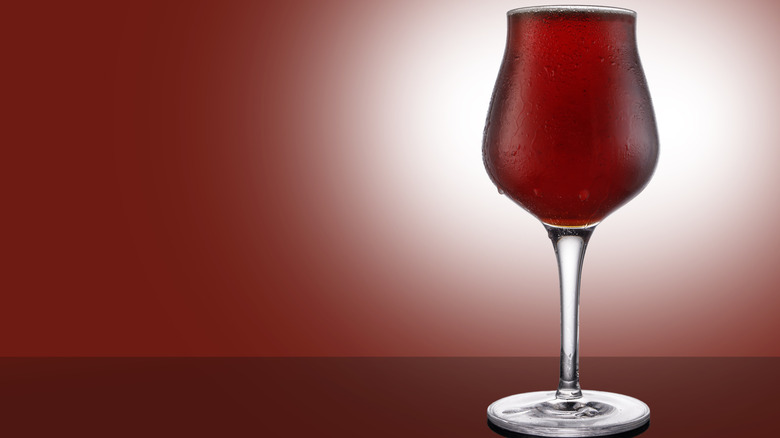
In my opinion, doppelbock is among the best German beers and one that I'd recommend to stout fans looking to try something different. If you've tried a bock beer, this is a "double bock" meaning it's a stronger, richer alternative. They can be anywhere from a copper hue to very dark brown like stout, and fans of the style will appreciate how malt-forward it is.
Doppelbocks usually sit somewhere between 7% and 10% ABV and are very rich and malty with plenty of toasty notes. Hop bitterness is fairly low, so the malt is what gets all the attention here. Darker versions can have a hint of chocolate, but it shouldn't taste overly roasty, which is one of the big differences from a stout.
This style of beer is brewed with lager yeast, rather than ale yeast, which is another of the key differences. This gives you a lighter, crisper finish, even though it is fairly sweet and rich. It can have some dried fruit flavors, such as prune and raisin. People who enjoy sweeter stouts are likely to enjoy doppelbock. That said, the lager yeast does give it a drier finish than something like an imperial stout.
Winter ale
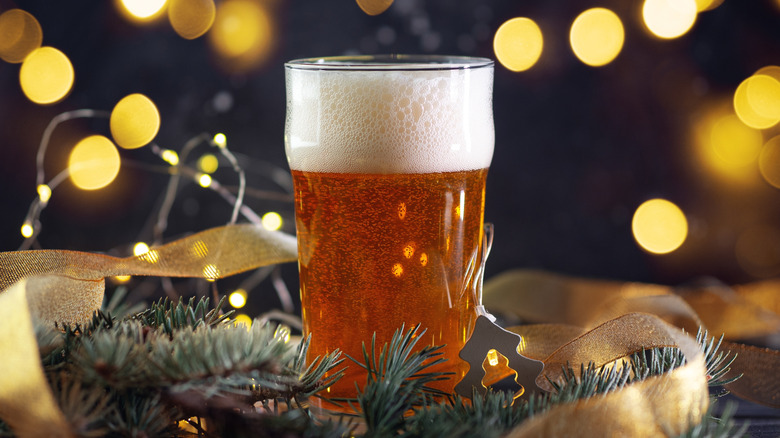
If you're looking for the perfect cold weather beer, winter ale is the obvious choice. Admittedly, it's less a strict style than a seasonal tradition, with no set guidelines about what it should be, but don't let that stop you. There are certain regional traditions for winter ales, such as Norwegian Christmas beers, but you'll also find winter and Christmas ales made in the U.S. by craft breweries. They tend to be full-bodied, darker, and malt-driven, so stout fans should look out for them as the nights draw in.
"These are slightly caramel-forward and toasty beers with a rich, bready malt backbone," Matt Cromwell tells us. "The hops add aroma instead of bitterness, so the malt stays in front," he says. Some winter ales are spiced, which adds to their festive nature. These spices shouldn't be heavy, like mulled wine, but more of a background note.
"Stout fans will like the depth and warmth without the roast," Cromwell notes. They may have nutty dark malt, dried fruit flavors, and often slight notes of honey or brown sugar in there too. Because the category is so loose, it's worth checking the specifics before you buy. One brewery's winter ale might be a malty, unspiced sipper, while another's is packed with cinnamon and nutmeg. Either way, it's a good option if you're after something dark with cozy winter vibes.