

11 Mistakes Ruining Your Homemade Chili
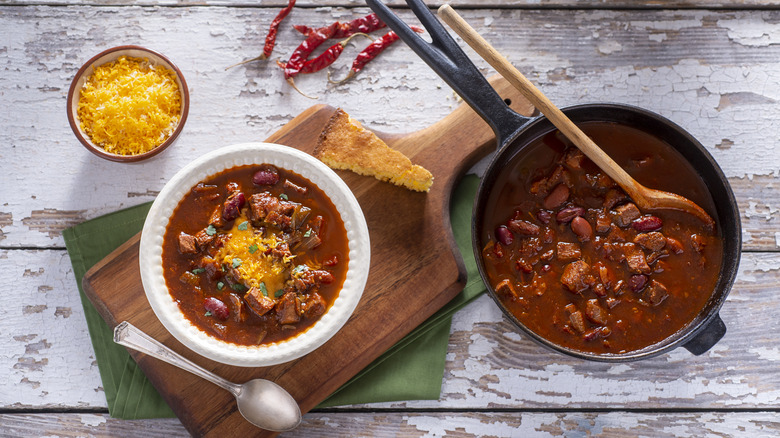
Every home cook feels a surge of pride when they finally get to taste a dish they've been working on for hours and it turns out magical. While it's possible to whip up a satisfying bowl of chili without much thought, there are all kinds of small tweaks you can make to level up yours.
Sure, we all know that chili contains basic ingredients, such as meat, onions, peppers, tomato sauce, and sometimes beans, but this classic comfort dish is so much more special than many people think. Why settle for average when you can concoct a pot of chili that will impress your entire household? Even if you're only cooking for one or two, it's worth putting in some extra effort since the leftovers hold up beautifully.
Do you consider yourself a chili expert? You might be overlooking some small but crucial steps and sabotaging your chili. Read on to learn about 11 of the most common mistakes people make when cooking chili so you can always enjoy a perfect bowl when the craving strikes.
1. Only using ground beef in your chili
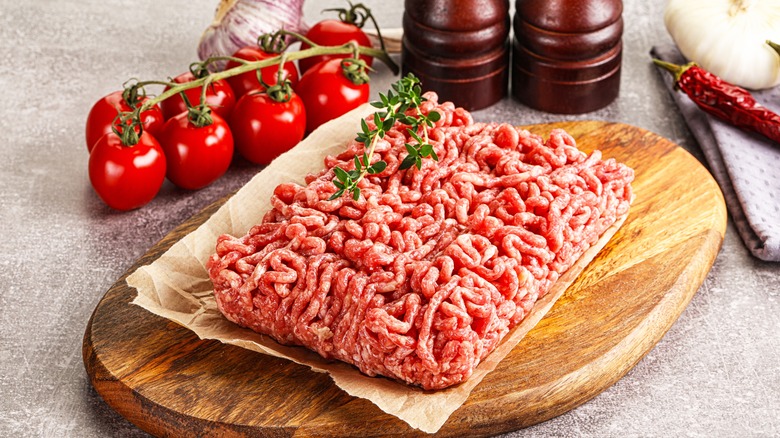
There's a reason why most home cooks reach for ground beef when they're shopping for chili ingredients. That first bite of beefy loaded Oklahoma chili or classic Texas chili will send your taste buds straight to heaven. Beef is affordable, easy to work with, and it'll always fill you up. However, it's worth experimenting with other types of meat in your homemade chili.
For a more sumptuous pot of chili, try slow-cooked brisket. Going low and slow will allow you to get the nicest texture and increase the fat content, which will really make the chili stick to your ribs. You could even dice up your favorite cut of beef so the meat can shine in your chili. In fact, this is how chili was originally made in the 1800s. Ground beef helps you get a little bit of meat in each bite, but if you're a big fan of beef stew, then you'll love this bolder approach.
While there's no denying that beef tastes the best, some folks also have dietary restrictions or goals they're trying to meet. If you're cutting back on red meat or calories, turkey chili can hit the spot as long as you don't skimp on your spices and veggies for flavor. If you want to make a plant-based chili that offers more than beans, you can't go wrong with Impossible or Beyond beef or even soy chorizo. These ingredients pack protein and a satisfying bite.
2. Not browning your meat and veggies first
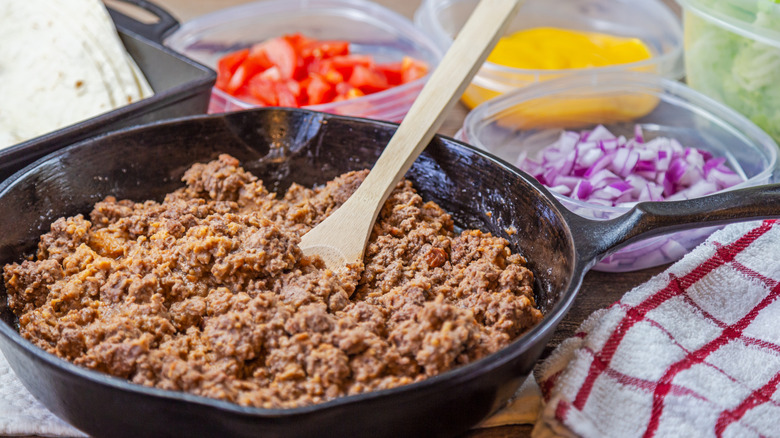
Chili has remained a beloved dish partly because it's so easy to throw together. You do need to chop a handful of vegetables, but who can deny the appeal of a one-pot meal that you don't need to babysit? It may be tempting to make the cooking process as simple as possible, but you should never skip browning both the meat and veggies.
Browning your ground beef or meat of choice not only ensures that everything is cooked through perfectly, but you can also get more flavor and texture out of your meat. Food science nerds are probably already familiar with the Maillard reaction. It changes the flavor in an incredible way down to the molecular level.
One mistake that many diligent home cooks don't realize they're making is overcrowding their pots. If you try to brown too much beef at once, the meat ends up getting a bath instead because too much liquid gets released. To combat this, you can either cook your ground beef in a couple of batches or use the tried-and-true "Cook's Illustrated" trick. Combine ¾ teaspoon of baking soda with 2 tablespoons of water, then mix it into 2 pounds of ground beef. Let it rest for 15 minutes. Once you start cooking, the beef will stay juicy and hold onto more water. Your veggies should always have the chance to make direct contact with the hot pot as well. Everything will start to caramelize and blend together.
3. Thinking that mirepoix doesn't belong in chili
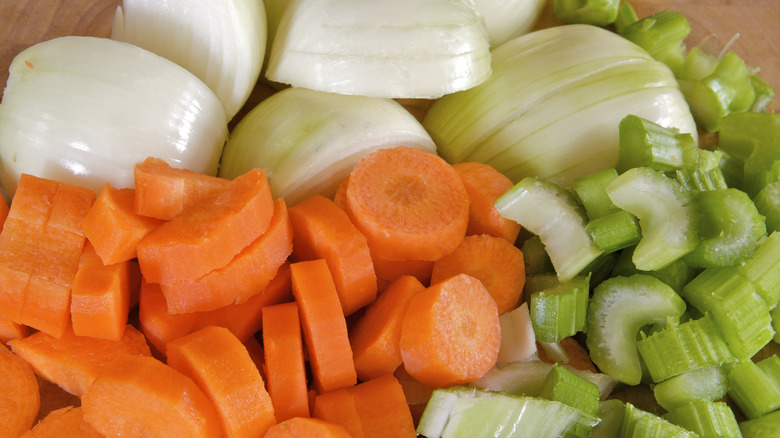
Have you ever noticed that tons of recipes call for chopped onion, carrot, and celery? This special grouping actually has a name: mirepoix. The official ratio for mirepoix is two parts onion to one part carrot and celery, respectively. However, most casual home cooks chop up whatever they have and eyeball the ratios.
Traditionally, mirepoix is featured in soups, roasts, and casseroles. It's never the star of any dish, like a chicken noodle soup, but many popular recipes wouldn't be the same without mirepoix. The key to getting the most out of your mirepoix is to let these ingredients sweat in some butter or oil without letting them get to the stage of browning.
ArnieTex, a BBQ expert on YouTube, shared with his viewers that mirepoix is one of his top secrets for a Texas chili that's bursting with flavor. It's true that mirepoix is a big part of French cuisine, but he swears by it. In his recipe, he cooks the mirepoix in a separate pan, then adds it to the pot of chili after it's been cooking for an hour. It may not be a traditional move, but it could make its way into more chili recipes once the secret is out. One fan wrote, "Can't believe I never thought of using a mirepoix for chili. You sir just did something brilliant!"
4. Not tasting your chili as you cook to get the seasoning right

Someone could write a massive dissertation that breaks down chili seasoning. Every home cook seems to have their own special blend. In fact, some folks make chili often enough that they make batches of chili seasoning to keep in their cabinets so they only need to reach for one spice blend instead of a million different jars. Some common spices include salt, pepper, garlic powder, onion powder, chili powder, cumin, cayenne pepper, smoked paprika, and oregano. Some less-common spices that professional chefs use to level up their chili are cocoa powder and cinnamon for a touch of bitterness and sweet heat.
No matter what your favorite chili spices are, you need to dip a spoon into your pot every so often to see how things are coming together. One of celebrity chef Andrew Zimmern's top cooking tips is to taste your dish each time you add a new ingredient to it. This allows you to discern how each tiny change builds upon the dish and intuit what's still missing.
Make sure your chili has enough saltiness to be satisfying. If you appreciate heat, keep adding a little more until you reach the ideal level. Once you're ladling your chili into the bowl, you may want to squeeze some lime juice on top for some acidity. Adding tiny dashes of spices while continuing to taste will help you always reach that sweet spot instead of going too far.
5. Not experimenting with beans or leaving them out entirely
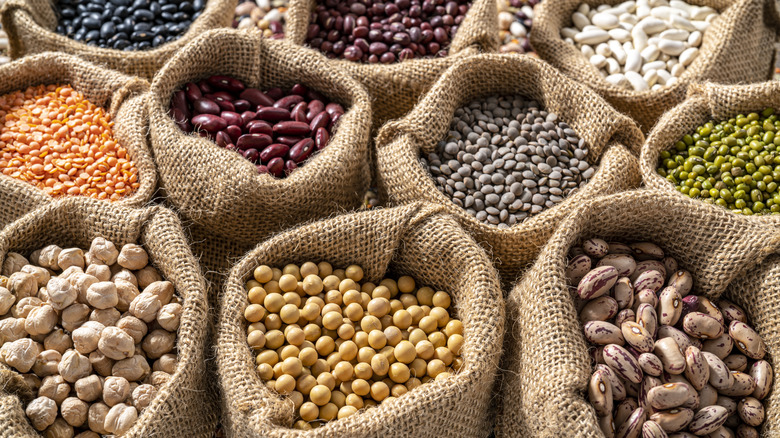
The debate about adding beans to chili may not be as loud and heated as other food debates, such as putting pineapple on pizza, but passionate chili lovers usually fall into one camp. Here, there's no food shaming about bean preferences. Like with any new dish, though, it's always good to try something once before making up your mind. If you've grown up eating chili one way, you may not know that there are better ingredient combinations suited to your unique palate.
Kidney beans are often the go-to choice because they're hearty. Not only do they hold up well when simmering for hours, but they also offer a nice bite. Don't overlook black beans and pinto beans, though. They have a mild taste that will complement the traditional ingredients in chili.
Cannellini beans also work wonderfully in white chilis with chicken. You can enjoy a similar flavor profile while presenting a beautiful bowl. This kind of chili is a bit lighter, so you may not feel like you need a nap afterward. If you're someone who loves beans, then you may even want to dabble with 3-bean chili and omit any meat entirely. You can't definitively know your favorite style of chili until you've sampled a few others.
6. Cutting all of your vegetables the same size
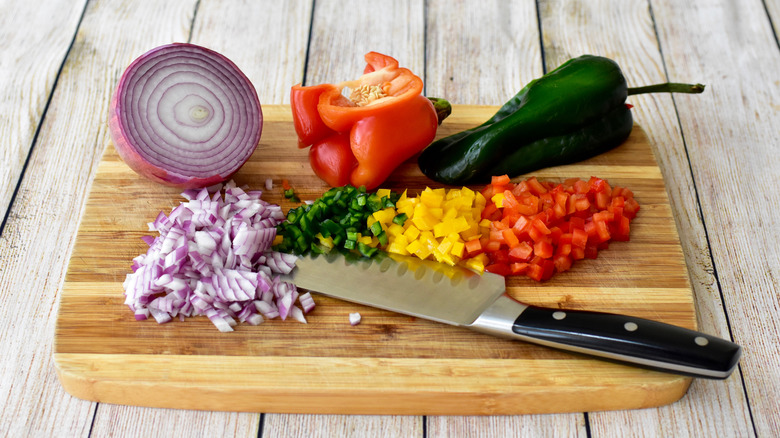
At first glance, this statement may seem like blasphemy. Time and time again, home cooks have been lectured on the importance of knife skills. When people learn how to chop all of their ingredients the same size, everything can cook through evenly and distribute all of the flavors. However, chili is a rare instance where chopping your veggies into different sizes could be beneficial.
What's the explanation? YouTuber Smokin' & Grillin with Ab explained that small, even cuts blend harmoniously to build flavor, while chunkier cuts bring texture to the party. If ground beef and beans get monotonous, then some larger cuts of vegetables could make the dining experience more dynamic.
This tip won't work well for those who don't appreciate the flavor of certain ingredients, though. If you think that bell pepper is okay in small quantities, then you won't like the feeling of biting into a large chunk. For others, this method can make the chili seem much juicier.
7. Relying only on spices to add flavor
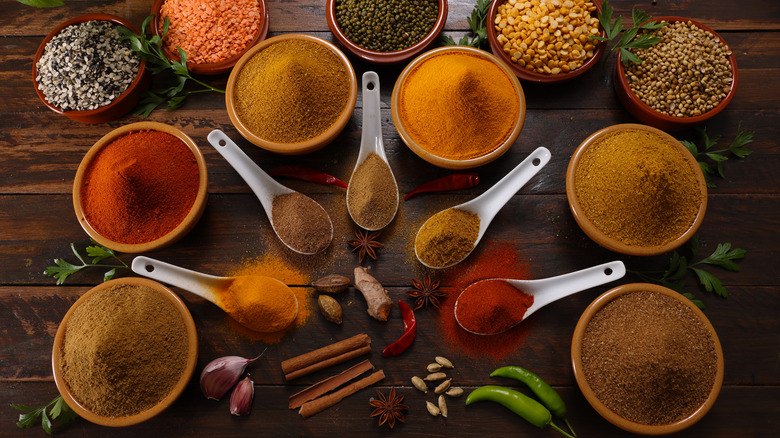
With a solid roundup of spices, you can make any dish taste magnificent. However, if you want to create chili that could win awards, you need to expand your ingredient list. There are plenty of other things you can keep in your fridge and pantry to up the intensity of your dishes.
Alcohol is a simple twist. People have had success adding wine, bourbon, and all kinds of other options. The most popular way to use alcohol is by adding beer, though. Beer chili works because beer can help you deglaze the pot after you've browned your beef, and it makes your chili taste so much more complex. There's nothing better than a bowl of beer chili during a Super Bowl party.
Salt is vital for any savory dish, including chili, but there are so many other ingredients that can give your food an umami taste. Worcestershire sauce, soy sauce, miso paste, and even a tiny splash of fish sauce can make magic in your pot of chili. If you're a big fan of meat that has a smoky flavor, try adding a dash of liquid smoke to your chili. Nothing beats using a grill or even a smoker for hours on end, but that's a labor of love that an average home cook can't afford on a busy weeknight.
8. Overlooking the importance of the canned tomato products you use
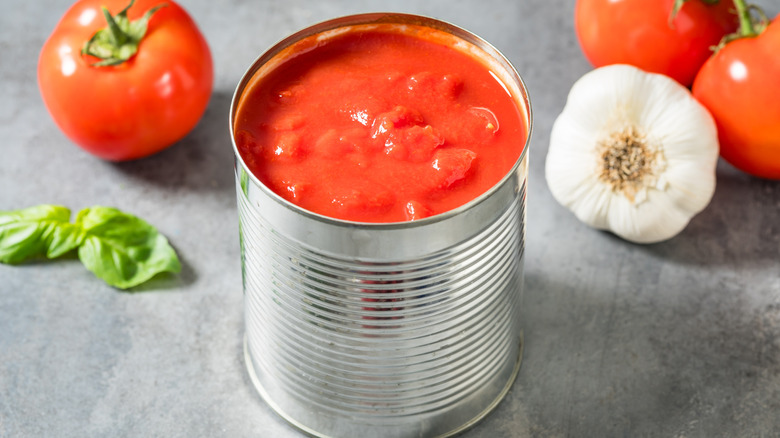
Chili gets its iconic red color from its tomato base. Lots of folks dump any can of tomatoes they have on hand and call it a day. However, elevated homemade chili requires more thoughtfulness. With so many canned tomato products on the market, it can be tricky knowing which one will complement your chili the best.
The first question you need to ask yourself is what kind of texture you prefer. If you like your chili to have some bite to it, diced tomatoes are the way to go. Fire-roasted tomatoes are another option to have both texture and smokiness. For a smoother chili, you can use canned tomato sauce. You could even add a can of diced tomatoes to a blender to achieve a texture that's somewhere in the middle. Some cooks prefer the convenience of using a chili starter, like in this recipe for hearty beef chili hash, which contains seasoned tomatoes, beans, and other common chili ingredients. It's a great option for when you want to whip up something delicious and simple.
To really go the extra mile, you can roast your own tomatoes on the grill to get a beautiful char on the outside, then steam them in foil to soften them. Then you can dice or blend based on your preferences. You can't forget about tomato paste either. Adding 1 or 2 tablespoons will deepen the tomato flavor in a lovely way.
9. Using water instead of broth
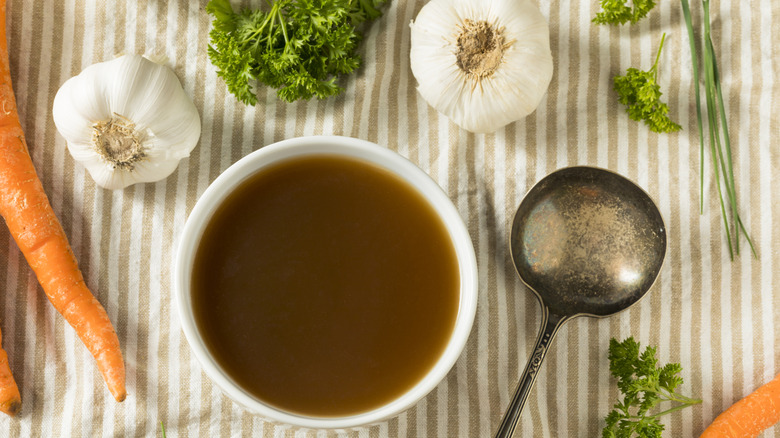
You'd never make beef stew or chicken and dumplings with water, so why isn't everyone using broth to make chili? This is one of the simplest swaps you can make that will have a major impact on the final dish. If you're working with ground beef or any other type of beef, then beef broth is the logical choice. White chicken chili pairs with chicken broth, and vegetarian chili pairs with vegetable or mushroom broth.
Don't stop at broth, though. YouTuber ArnieTex swears by adding a couple of tablespoons of Better Than Bouillon to his pot of chili for extra richness. A good chili is all about adding layers upon layers, so you should think about each addition to the pot as a step to build more complexity. Make each step as strong as possible rather than using a lower-quality ingredient. This is why you should never use water when you have broth and bouillon on hand.
10. Rushing the cooking process
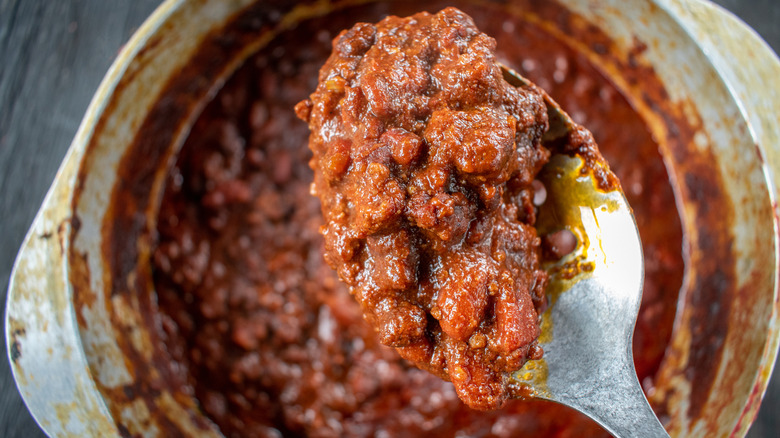
People love slow cookers because they allow those with busy schedules to make wholesome, affordable meals easily. Sure, the cooking time may be extensive, but the active cooking phase is fast. Slow cooker chili is the perfect recipe because the dish tastes better the longer it sits.
The science behind this phenomenon is fascinating. The collagen in meat firms up once it has the chance to cool down in the fridge, which makes the meat act like a flavor sponge. Your spices, onions, garlic, and peppers also have more time to release flavor overnight. Time gives everything in the pot a chance to marry. Using a slow cooker and skipping the fridge will still yield incredible results. The meat will be super tender, and the liquid will carry all of the flavors into each bite.
Some dedicated chili lovers refuse to eat their chili until it's had the chance to sit in the fridge for an entire day. They use clever tricks to freshen up their chili by folding in some fresh cilantro or peppers after reheating their bowl. Who says you can't trick your taste buds and have the best of both worlds?
11. Forgetting about tasty chili toppings
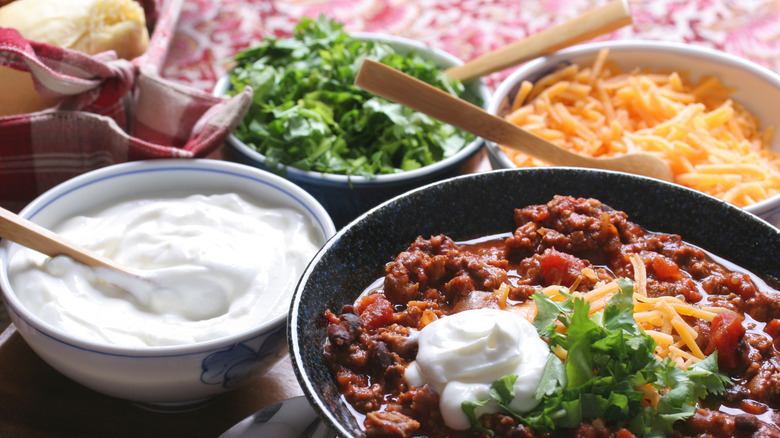
There's something beautiful about the way each individual person assembles their dream chili bowl. From crunchiness to extra heat and creaminess, there are countless toppings you can choose to customize your bowl. If you've fallen in love with Disney's famous chili recipe, then you can't serve your bowls without shredded cheese, diced tomatoes, and sour cream on top. For a Southern vibe, a thick slice of cornbread can really hit the spot.
To break your options down, you can think about what the toppings accomplish. Some people enjoy crunchiness and freshness. To achieve this, you can essentially set some of your chopped veggies aside instead of cooking everything. Raw onion, bell peppers, jalapeño peppers, and tomatoes add so much to the chili that already contains the cooked counterparts. Half the fun of eating chili is dipping other foods into it. Tortilla chips, Fritos, toasted bread, and even crunchy tater tots can be a huge hit.
For a little bit more flavor and creaminess, you should also consider topping your chili with bacon crumbles, sour cream, shredded cheese, and guacamole. Greek yogurt also makes chili more decadent while cutting down on calories. Your taste buds will also appreciate some greens to balance out the heaviness of your bowl. Fresh cilantro or chives can do a lot of heavy lifting as a last-minute addition.