

5 Signs This Once-Popular Italian Restaurant Chain Might Not Survive 2026
The restaurant business has had a rough few years. Between the COVID-19 pandemic lockdowns and rising costs, many customers have changed their dining habits. The effect is particularly visible on large, family-style sit-down restaurant chains that are unable to keep up with the dangerous combination of dwindling or unpredictable demand, coupled with swiftly changing dining preferences. We've already witnessed the likes of Red Lobster and TGI Friday's filing for bankruptcy, and there's a slew of beloved chain restaurants that we might lose in 2026. Bertucci's, a New England staple that's served comfort Italian food since the 1980s, is showing signs that it's struggling to remain open.
While it contends with many of the challenges other family-style chains face, Bertucci's has been fielding additional pitfalls that have resulted in the company declaring bankruptcy multiple times. What makes the state of affairs for the Massachusetts-born restaurant even more stark is that at one point, it was one of America's top pizza chains and had about 100 locations across the country in the 2000s. Since then, a significant amount of pressure has come from the swiftly growing fast casual restaurant segment. The difference between quick serve restaurants, fast casual restaurants (like Panera Bread), and family-style chains is that fast casual eateries offer comparable quality to sit-down restaurants but with the added benefits of faster service and lower-priced options. Even as Bertucci's tries to stay afloat by restructuring its outlets and introducing new dining formats, the odds seem stacked against the once-beloved Italian chain.
Over 70% of Bertucci's locations have closed down
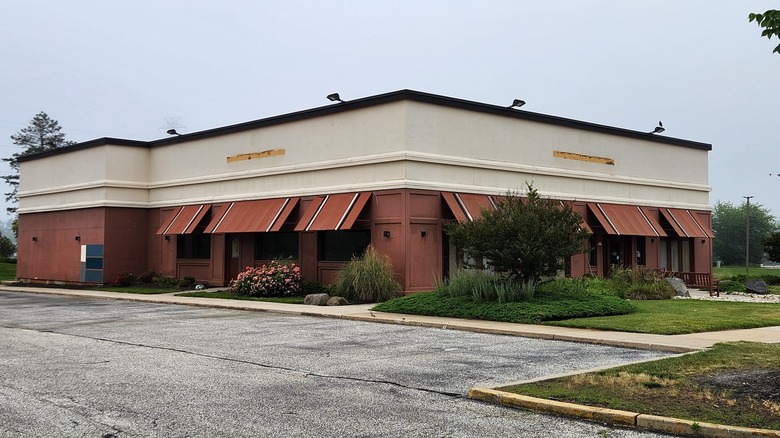
During its heyday in the 1990s and early 2000s, Bertucci's had outlets down the length of the East Coast across 11 states. Now, the chain has dwindled to 12 outlets across four states. To boot, almost all of these outlets (nine, to be exact) are concentrated in the restaurant's original stronghold, Massachusetts, with one outlet each in Delaware, Pennsylvania, and Virginia.
The first spate of closures came around 2018, when the company first filed for bankruptcy. At the time, Bertucci's shuttered 15 outlets across various states, including Massachusetts, with documents citing that a total of 29 unprofitable locations had been identified. The closures continued in subsequent years, resulting in the chain's footprint disappearing entirely from most states. Shutting down locations was initially presented as a restructuring strategy for the brand, allowing it to consolidate its strengths. While the shuttering of over 70% of its outlets allowed the chain to stop losing money in the short term, it has also drastically reduced customer footfall and, consequently, revenue.
The restaurant has filed for bankruptcy three times
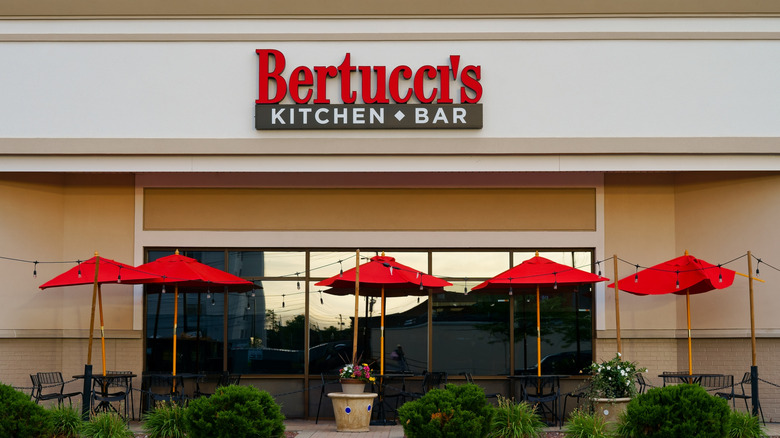
In April 2018, Bertucci's filed for bankruptcy for the first time. However, its troubles had started long before, with the chain facing an annual decline in sales and revenue from 2011 onwards. Following the first bankruptcy, Bertucci's had 56 open locations and was taken over by its current owners, Earl Enterprises. The initial optimism of a turnaround following the bankruptcy and restructuring was short-lived. At the time, the company's leadership still believed that Bertucci's sit-down full-service restaurant format could hold up against its competition in the fast casual category. The second bankruptcy, in 2022, was attributed to the pandemic and related shakeup of the restaurant industry, from which the once-popular Italian eatery couldn't recover.
Bertucci's most recent Chapter 11 filing in 2025 came on the heels of continued revenue decline in 2024. This time around, Bertucci's sought to embrace the fast casual business model and opened a Bertucci's Pronto in Boston, Massachusetts, shortly after its third bankruptcy filing. However, a dozen remaining outlets and a new brand concept may not be enough for the Northeastern chain to pull through.
Bertucci's was struggling before the COVID-19 pandemic

Many beloved restaurants were forced to shutter operations due to COVID-19 lockdowns, but Bertucci's was in trouble well before the global pandemic. By 2020, Bertucci's sales had been in decline for almost a decade. The 2018 bankruptcy filing and subsequent shedding of loss-making outlets helped a little, and in 2019, the troubled chain did see an uptick in revenue.
Unfortunately, COVID-19 wiped out any chances of a recovery. Bertucci's 2022 bankruptcy filing was attributed to the pandemic as well as other factors like rising food and labor costs. As with the previous bankruptcy, the restructuring plan in 2022 included closing several underperforming locations and gave the company some hope of turning a profit. Unfortunately, the persistent trend against casual sit-down restaurants meant the Italian chain continued to struggle filling its restaurants the way it did in the good old days.
Another major effect the pandemic-era had on Bertucci's was that it pivoted the company to start focusing more on takeaway and delivery. Shifting away from its traditional format has appeared to help the chain rethink its future. Bertucci's Pronto, which debuted in spring 2025, is the brand's foray into a restaurant concept with a faster turnaround.
The new fast casual chain, Bertucci's Pronto, has an uphill battle
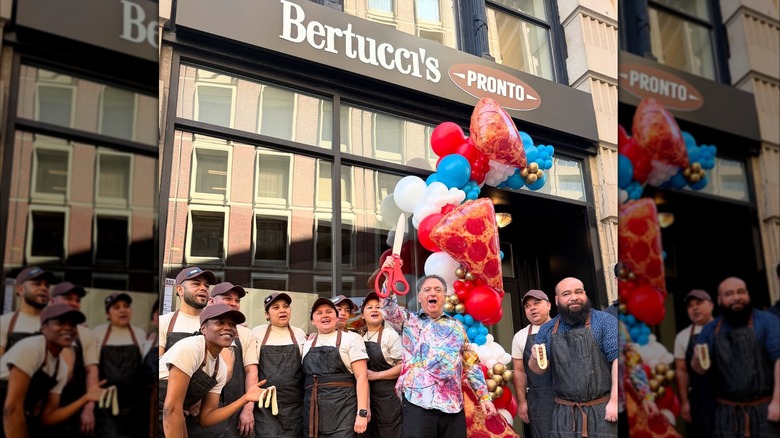
The first Bertucci's Pronto outlet opened in Boston, Massachusetts, in April 2025. Fast casual is the most rapidly-expanding restaurant category in the current market — an antithesis to the flagging growth of legacy casual dining restaurant chains. The blueprint of a fast casual outlet includes quicker service through a simplified food-prep process, a smaller store footprint, and a leaner menu that still aims to cater to a wide audience. Pronto features a range of breakfast items, sandwiches, and other quick bites, like pizza by the slice, while retaining many of Bertucci's signature pies. The strategy seems sound, but has been attempted by several other sit-down restaurant chains without much success. Furthermore, back in 2012, Bertucci's tried to attract a then-young millennial clientele with a spin-off brand called 2ovens, which failed to catch on.
Trying to walk the line between attracting new customers with its updated format without alienating its old customer base is difficult. For example, Bertucci's Pronto uses electrical equipment and does away with the brick oven – a signature feature of the chain's brand identity. The focus on menu items that are partially prepped for faster service is another aspect Pronto will have to reconcile with Bertucci's original, made-from-scratch gourmet food promise, especially because dishes like pasta are not really considered fast food.
Tough times continue for legacy restaurant chains

Pronto is a clear sign that Bertucci's has finally come to terms with the fact that legacy casual dining restaurants are showing their age. The Italian chain's target customer base, families, have been eating out less since the end of the pandemic and continue to do so because of rising costs. While a move into fast casual dining may help, Bertucci's core business still lies in the troubled casual dining sector.
Another emerging dining behavior that could hurt Bertucci's and contribute to its closing for good in 2026 is the increasing number of people cooking at home. World Economic Magazine points to a trend of consumers preferring to buy better-quality groceries to cook at home over eating out, since the former works out cheaper while still offering a gourmet meal experience. Old-school Italian food is relatively easy to cook at home (when compared to other popular cuisines like Asian or Mexican), meaning Italian chains like Bertucci's could continue to face additional pressure from the rise of home cooking.