

16 Meals That Helped Soldiers Survive The Revolutionary War
With store shelves lined with food and dumpsters filled with food waste, it's hard to imagine going hungry in America due to a lack of food availability. Yet, there was a time when all this food — and excessive food waste — simply did not exist. During the Revolutionary War, food could be hard to come by, especially for the soldiers who marched through the colonies.
To find out just what soldiers ate during the Revolutionary War, we consulted a number of incredibly knowledgeable historians who specialize in this period. First, Thomas Lannon of the American Revolution Institute of the Society of the Cincinnati contributed his expansive knowledge of the conditions and struggles soldiers faced in the war. We were also lucky enough to pick the brains of three historians from the American Battlefield Trust: Garry Adelman, Sarah Kay Bierle, and Kate Egner. Thanks to these well-versed history buffs and proven historical documents, we know just what soldiers survived on during the Revolutionary War.
Soldiers were supposed to receive generous daily rations
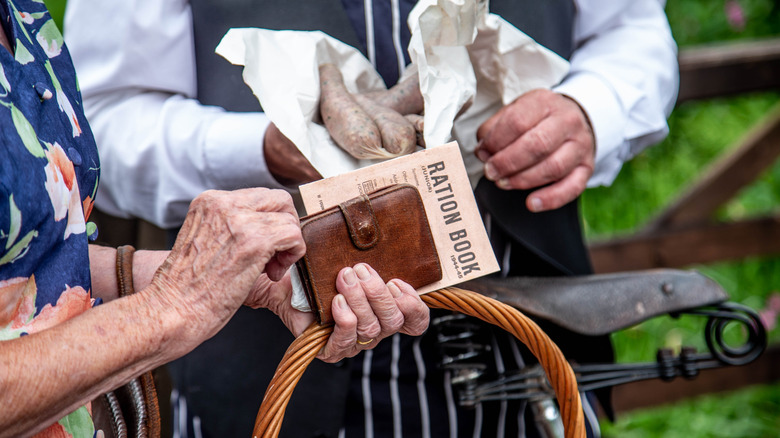
At first glance, enlisted soldiers during the Revolutionary War weren't so bad off, food-wise. Our consulted histories agree that Commander Washington (later President Washington) announced that each soldier would be assigned a daily or weekly ration of food. These rations included a generous portion of meat, starch, and the promise of beans or vegetables.
These promised provisions did not always reach the soldiers, though. In fact, soldiers quite often went without. According to Thomas Lannon, the library director at the American Revolution Institute of the Society of the Cincinnati, the longer soldiers were at war, the less frequently supplies were passed around. "As the war went on, officers wrote less about meals and more about whether bread, meat, and staple provisions could actually be issued," the historian says.
The undependable rations led to soldiers looking for food elsewhere, a downward decline in morale, and malnutrition. Though soldiers expected a well rounded meal daily, the reality was a lack of food and a significant amount of soldiers dying of starvation.
Soldiers' food usually came with high levels of salt
Not surprisingly, food that was sent to soldiers as rations was not exactly fresh. Often, it arrived via wagon and had to be transported long distances and over long periods of time. According to Kate Egner and her colleagues at American Battlefield Trust, salt was a solution for keeping perishable food good, and may have been a change from what they were used to at home. "Civilians at home typically had better access to fresh foods while soldiers' rations were heavily salted for longer food preservation," they say.
While we have no trouble securing salt in modern times, salt wasn't always easy to come by in the 1700s. Though salt was seen as a semi-necessary commodity to preserve food over journeys and through the winters, it was often pricey and scarce. Actually, a little known fact about salt is that it was so valuable at one time that it was used as currency! During the war, demand for salt rose significantly, leading to shortages for soldiers and civilians alike. According to the U.S. Army Quartermaster's Museum, heavily salted fish was kept to just one day of the week when supplies were flowing. However, other meats were typically salted for preservation as well.
Pork was often a part of soldiers' rations
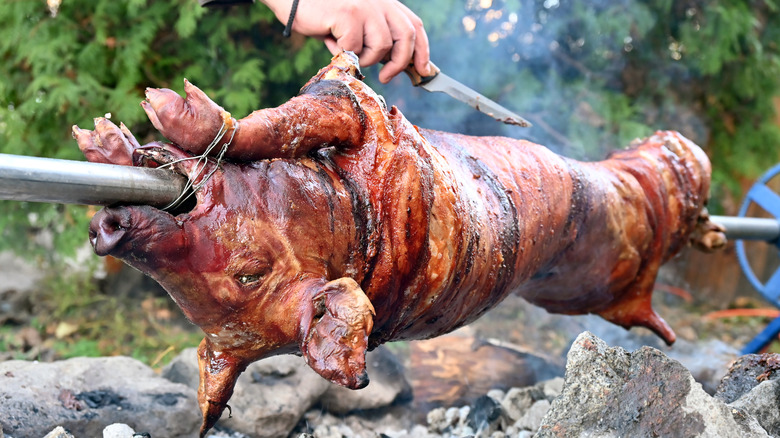
Pigs were one of the most common farm animals found in the colonies in the 1700s, thanks to their easy upkeep. As such, pork was one of the featured meats on the daily ration list. According to the American Battlefield Trust team, while soldiers were allotted either a pound of beef or fish, when pork was on the ration menu, they were to receive just ¾ of a pound.
When receiving their share of pork as rations, the meat was heavily salted or brined. This, of course, was to keep the pork preserved in transit, but that doesn't mean soldiers never had fresh meat. When soldiers were left with little to eat, they'd take it upon themselves to look for food on their own. Wild pigs or hogs were common, especially in the South, because a lot of pigs were let to graze freely. These creatures could be hunted or commandeered, then cooked to provide a few solid meals of fresh meat to a group of men.
A meal of beans and rice was common
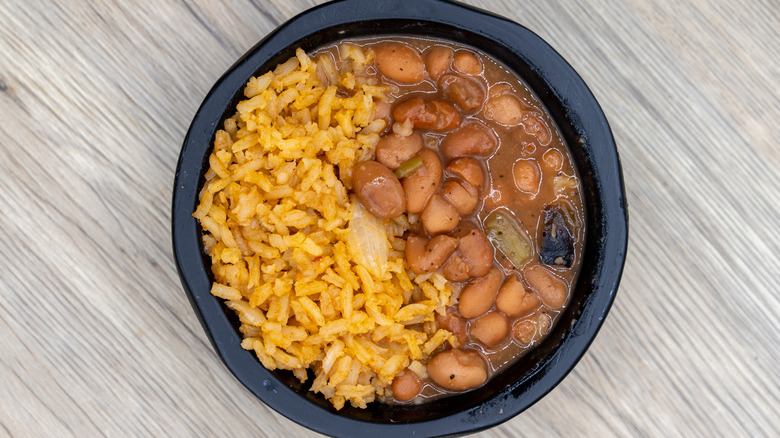
In addition to what soldiers were meant to receive on a daily basis, they had weekly rations. The American Battlefield Trust team says that every week, soldiers were due either 3 pints of peas, beans, or fresh vegetables — whichever was available to give. They were also supposed to receive a ½-pint of rice or a cornmeal substance every week. This pairing of starch and legume is an iconic one and provides an almost balanced meal in itself. A soldier could survive on just the two for quite some time, provided they had enough of it.
The two could be paired together in their simplest form, or the rice and beans could be upgraded and served alongside meat or thrown into a stew with whatever meager rations or food soldiers had left over. Making stew with hearty ingredients and scraps from each soldier in a company would be a great way to stretch ingredients to feed a number of men a solid meal. Throw in some foraged greens, and men would likely have a meal that was much more satisfying than the salt-packed ration proteins they would receive.
A quart of beer was due to soldiers daily
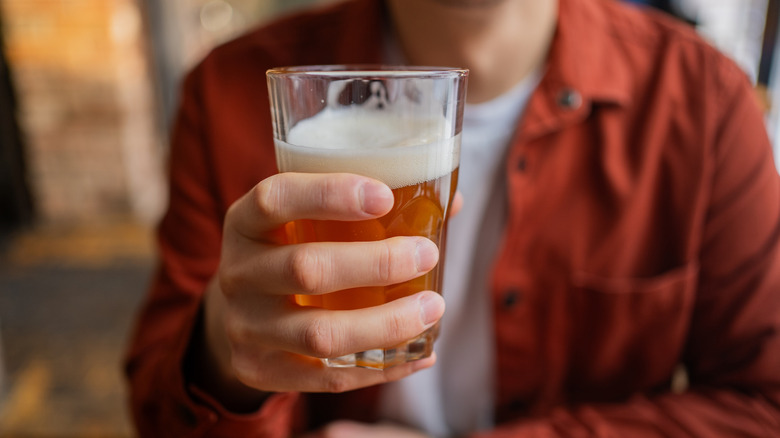
Commander Washington promised soldiers rations of food that would feed them relatively balanced meals daily. However, food wasn't the only thing due to soldiers, according to the commander's ration statement. According to the experts at American Battlefield Trust, soldiers were also supposed to receive a quart of beer daily.
In the late 1700s, beer was a staple of many diets. Pretty much everyone in the colonies drank beer every day, starting in the morning. Often, drinking beer was more reliable than drinking water. Finding clean water during this time, especially for soldiers in the Revolutionary War, wasn't very simple. This is likely one reason why soldiers' rations included beer in place of water, as drinking plain water posed a potential risk of sickness.
The beer consumed during this time period was quite different from the beer we drink today. Then, it was readily brewed from grains or wheat and had a much lower alcohol content than what you'd see from a lot of brews today. A small colonial beer would contain less alcohol than a Bud Light, for example.
Milk was given to soldiers whenever able
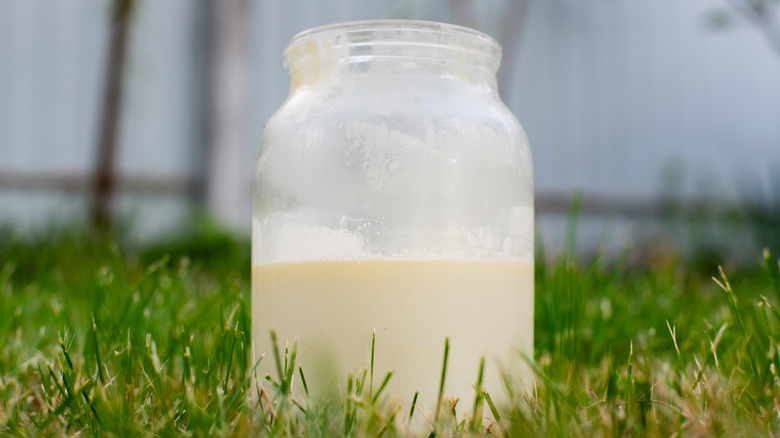
Powdered milk had not yet been invented during the Revolutionary War, and fresh milk didn't stay fresh for long. That's why it's slightly surprising that soldiers in this war were to receive a ration of milk – when it could be sourced, at least. The logistics of getting the milk to soldiers could be dicey, so on the ration announcement, it's noted that the pint of milk may not be able to be given all the time. It was only when soldiers were near settlements where they could source milk locally that they were able to include it in their diet.
Milk is rich in nutrients, which are very valuable to starving and sick soldiers. Even though milk provided much-needed calories, drinking it may have been dangerous sometimes. Milk back then would be raw, meaning unpasteurized. Drinking raw milk can come with bacteria if conditions are unsanitary – and there probably wasn't much sanitization going on during wartime in the 1700s. It's very possible soldiers became sick after drinking contaminated milk, only adding to their struggles.
Molasses was used in meals when available
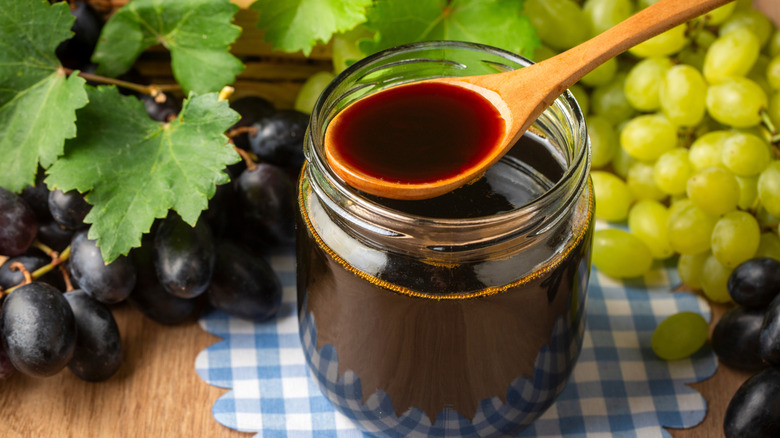
Besides a few classic dishes and desserts, many people don't really use molasses anymore. This is likely due to the increased use of sweeteners in processed foods and the availability of sugar and other sweets to consumers. However, during the Revolutionary War and colonial times, molasses was very popular in cooking. Molasses is a bitter-tasting sweetener typically made by boiling sugar cane. Its strong taste added a lot of flavor to otherwise bland dishes when not much was available to add taste.
Soldiers during the Revolutionary War were due molasses if beer was not available for their rations. Every 100 soldiers were allotted 9 gallons of molasses. It seems like an odd substitute, especially since the beer was basically acting as their water ration. However, molasses was occasionally substituted for ingredients in the brewing of beer. Soldiers could add it to meals for extra calories or create a makeshift beer by adding it to water.
Foraged foods were often necessary, but dangerous
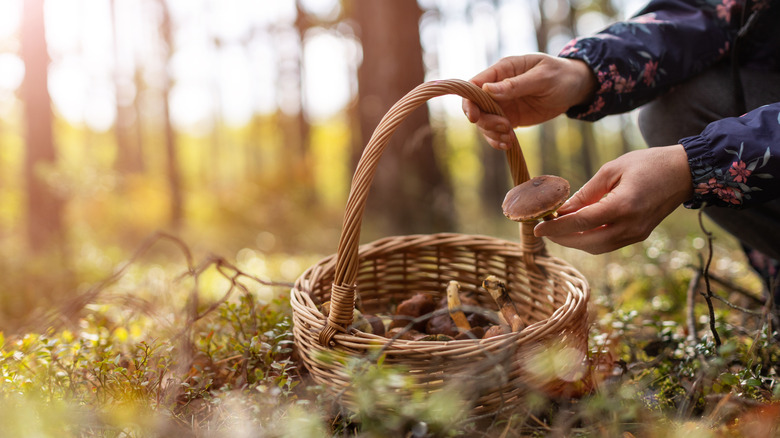
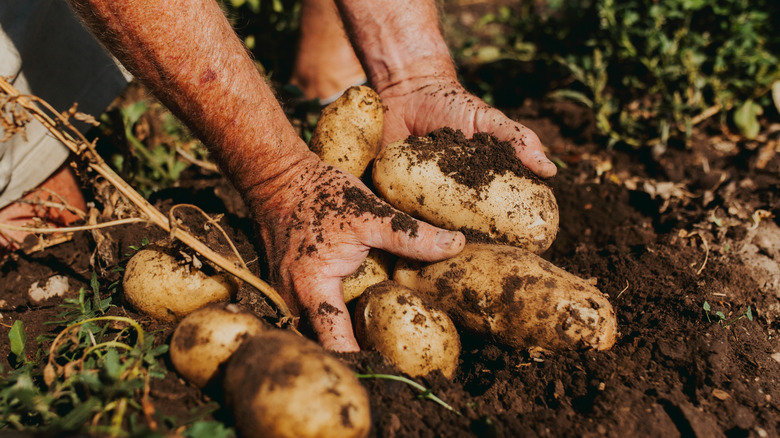
Soldiers were often camped or passing through the wilderness. Luckily, the wilds of North America are packed full of food if you know how to look for it. Being able to identify edible plants would have saved a starving soldier ten times over. Foraging would include finding a wide range of edible things readily available in nature, such as turnips, carrots, onions, and nuts. Foraging also meant looking for whatever food or supplies soldiers could find from other people, though.
While food could be found by those willing to look, foraging could zap what little energy a starving soldier would have. Also, foraging for food could be downright dangerous. As Thomas Lannon put it, "Foraging could lead directly to fighting. ... The search for food could itself become a military action." So, sometimes soldiers likely had to choose between looking for food for survival and avoiding a fight that may have led to casualties.
Bread was a daily staple
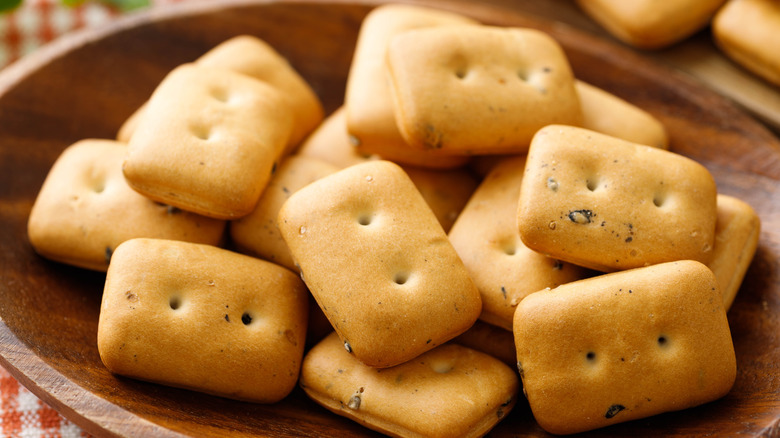
Bread was another staple of the soldiers who fought in the Revolutionary War, as it was — and is — in everyday life for pretty much everyone. According to all the historians we asked, soldiers were to receive either bread or flour each day as part of their rations. If allotted bread, soldiers would obviously have an easier time eating, as it could be consumed right away. If given flour, though, soldiers had a bit more flexibility with what they could make. Kate Egner and her team relayed that baking was encouraged, stating, "General George Washington actually issued orders directing soldiers to make their own bread if they were only issued flour."
For example, they could use flour to create fire cakes, essentially dough fried in animal fat. Another desperation meal consumed by both Revolutionary War soldiers and U.S. soldiers during World War II was called hardtack. Essentially, it was created by combining flour and water to form a thin, incredibly hard cracker. Although not particularly tasty, this vintage food helped soldiers survive, as it could be stored for desperate times.
Tree bark was occasionally on the menu
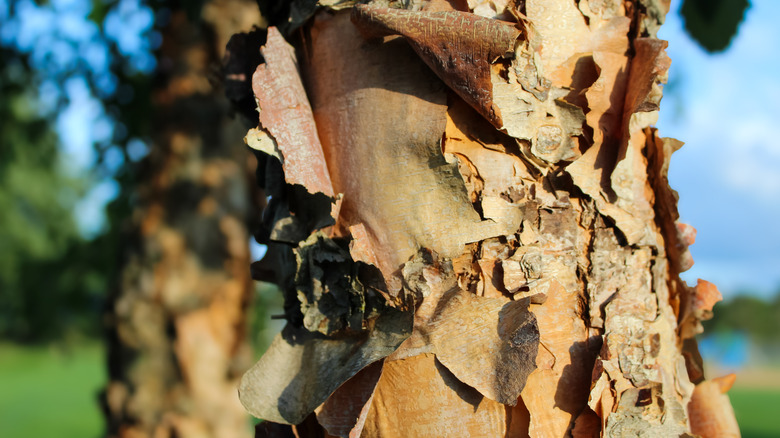
For soldiers during the Revolutionary War, desperation meant finding food wherever they could. Sometimes, this meant looking for food in unlikely places. According to historians at the American Battlefield Trust, one soldier revealed that he ate tree bark during a particularly painful fast during the Revolutionary War. "I do solemnly declare that I did not put a single morsel of victuals into my mouth for four days and as many nights, except a little black birch bark," wrote Joseph Plumb Martin, a Continental Army soldier, in his memoirs.
Though the outer layer of tree bark is not typically edible, the inside layer is often soft enough to consume in dire situations. This layer, called the cambium, does offer some nutrients and carbs for the desperate, but in no way should it be eaten as a full meal or in excess. Birch bark is one of these semi-edible barks, and may well have saved Martin's life during this time of starvation.
Soldiers ate a good amount of beef
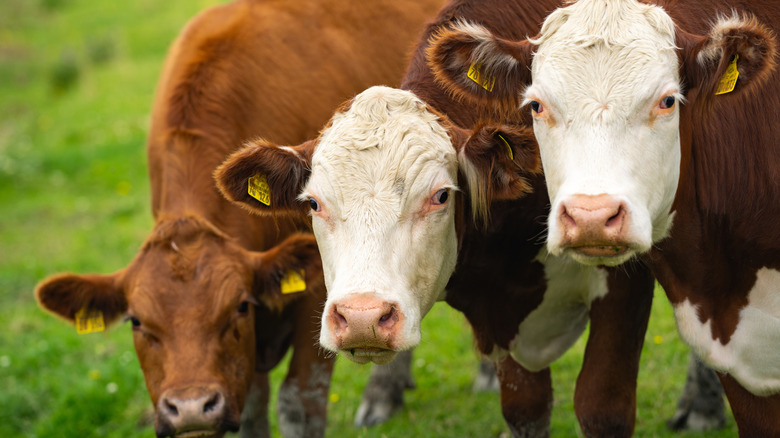
One of the most common proteins soldiers were given as a ration was beef. This is because cows were among the most common animals raised for food in colonies during this time. Cows were kept by farms and families for milk and for slaughter, and beef was sold in markets.
Soldiers came into possession of beef in a number of ways, including sometimes via their rations. According to the experts at the American Battlefield Trust, a pound of fresh beef was among the protein options listed in Washington's ration announcement. Though a pound per day sounds like plenty, it's important to note that the beef back then was not cut as we see it in the store. This allotted weight would likely often include bone.
Soldiers also, at times, slaughtered their own beef. Free-range cows and calves could sometimes be found roaming the land, and soldiers would take the opportunity to eat when it was presented. Cows would be among the food taken from local farms when times were extra tough.
Fish fed Continental soldiers
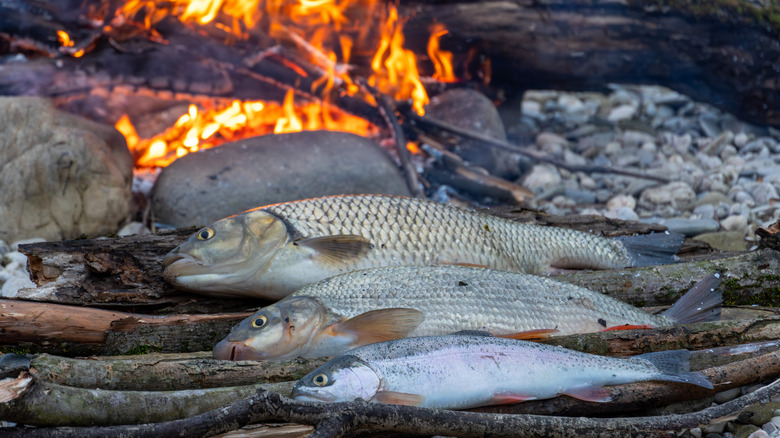
Soldiers often ate fish, sourced either from their rations or their own efforts. The pound of beef mentioned in the rations could be replaced with an equal weight of salted fish. Salted herring, for example, was easy to source and preserve. This protein survived the trip to the soldiers, but too much of the salty fish could cause issues. "Sometimes we had one biscuit and herring per day," stated a soldier named Samuel Dewees, as per the team at the American Battlefield Trust. "The soldiers lived until their mouths broke out with scabs, and their throats became as sore and raw as a piece of uncooked meat." Though soldiers were no longer starving after a meal of herring and biscuits, mouth pain was not a great trade-off.
Depending on where a soldier was stationed, fishing was an ideal way to eat. Fishing would be relatively easy, especially if a soldier fished before the war. You could fashion fishing poles easily with horsehair, sewing needles, and sticks. Some soldiers may also have known how to set traps for fish.
Survival meant feeding the animals as well
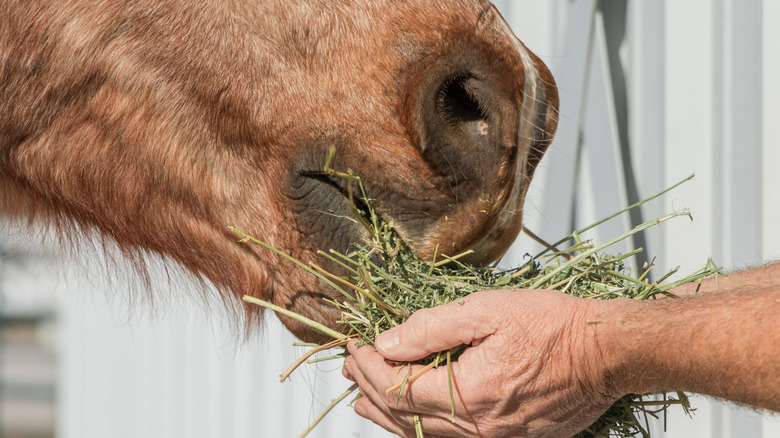
Unfortunately, the army had more than men to feed. Soldiers foraged to feed the horses and livestock because receiving their rations depended on the animals being able to deliver the food. "Forage meant fodder for horses and draft animals, especially hay, oats, or grain," states Thomas Lannon. "And that mattered because [provisions] fed the men, but forage fed the animals that moved the provisions."
Food was required for energy, but energy needed to be put into finding food, not just for themselves, but for the horses. While horses and other animals could be left to graze, they also needed a variety of food and supplies, especially since they were contributing to the war effort. When starvation started to set in, there wasn't much energy to put toward foraging for the animals, which compounded the army's provision problems.
Soldiers took food from civilians in order to survive
During times of war, it is far from uncommon for civilians to pay a high price. When soldiers were near starvation and desperate, plenty of reports exist that feature both Continental and English soldiers stealing food from homes. This practice was harshly frowned upon by higher-ups, but the need to eat and survive typically outweighed whatever punishment might come from a commander.
Though civilians had their own hardships to worry about, they typically had greater access to fresh foods at markets and from their local community. Unless stationed close to a settlement, soldiers typically did not have the opportunity to trade or visit markets. Soldiers who took what they could from these civilians would likely end up with better quality food than they would have received from their rations. Fortunately, this practice typically still left civilians with some supplies and food for themselves.
Soldiers took to hunting for food

Just like soldiers could forage for food by gathering what nature provided in the wild, they could hunt for it as well. Soldiers from more rural areas likely grew up hunting and could rely on that experience when rations did not come through or when they were aching for fresh protein. From wild hogs and deer to smaller game like rabbits and pigeons, there was plenty of protein ripe for the taking — if soldiers could pull it off. Soldiers could also fashion traps if they were going to be in the same area long enough to check them.
Some soldiers carried their own hunting guns from home, which likely helped when sourcing food in the wilds of America. If they received salt in their provisions, they could make meat last longer. Cold temperatures in winter could help store bigger game a little longer as well. If a soldier took down a deer, their entire company could likely eat well for more than a day. Game could also be made into a stew in order to stretch it and feed more people.
Sometimes soldiers literally ate nothing
Even though soldiers were due regular rations that looked generous on paper, the reality was that they often lived (or died) on very little. It may be that at the beginning of the war, rations were regularly delivered. According to Thomas Lannon, a couple of years into the war, food became very scarce. "In 1775, the record emphasizes the formal ration on paper. In 1777 [to] 1778, it turns to breakdown, scarcity, and near-famine."
These hard times led soldiers to search out food themselves — and at times, this desperation to fill their bellies led to abandoning their posts altogether. What's more, as many as double the soldiers who died in combat succumbed to starvation or illness. "With so many of these men dying of starvation and disease, morale became low and desertion rates began to increase," say our American Battlefield Trust experts. Even with these immense hardships, there were many who remained with the army and even reenlisted. For a lot of soldiers, patriotism and belief in the cause were reason enough to endure the times of food deprivation.