

What's The Average Lifespan Of An Oven?
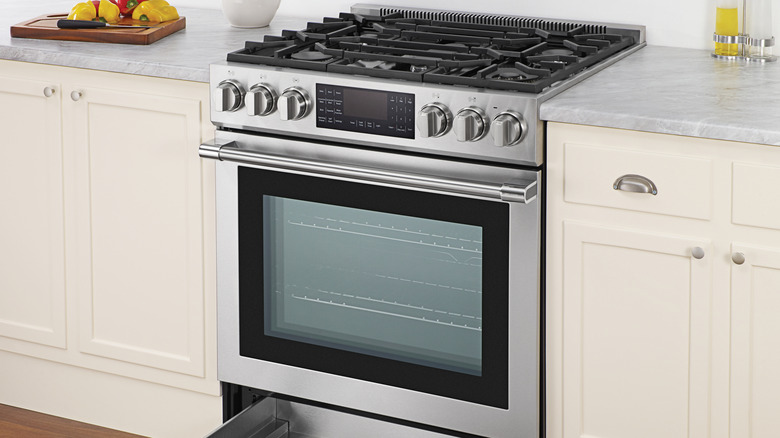
Think about it for a second: How often do you use your oven? Whether you're cooking up a chef-approved frozen pizza, baking cookies, or roasting a holiday meal, the oven is likely on pretty often. Naturally, it's going to suffer wear and tear and break down. Replacing an oven is hardly cheap, making it important to know (roughly) when a new one is in order so you can prepare. Luckily, ovens are among the most stalwart appliances in your kitchen, so they're going to last longer. But for just how long depends on multiple factors, including the type of oven it is, as well as how often it's used and cared for.
You should expect to get at least a decade out of your oven — two, if you're lucky — regardless of type. Electric ovens are going to have a slightly shorter anticipated lifespan, about 13 to 15 years, due to the multitude of electrical components. Sometimes, new appliances with an abundance of features are actually the least reliable. Gas ovens have simpler internal structures, typically lasting a bit longer, around 15 to 17 years. However, making it to the ranges' higher ends depends on your behaviors.
If you're more of a microwave chef or an enjoyer of stove-based staples like pasta, you might not use your oven that much. Using your oven often will shorten its lifespan, so daily users should expect to replace or repair their ovens sooner. Cleaning your oven regularly should extend its lifespan.
How to maintain your oven (and how to know when it's nearing its end)
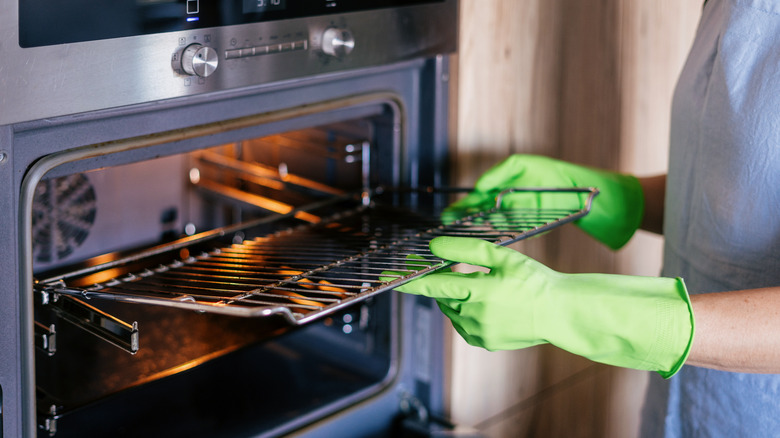
If you're looking to stretch your oven's life, you can start by making a regular habit out of wiping up food droppings and grease splatters from the walls. It's best to remove the racks to clean them. As for what materials to use, you can grab oven cleaner from most grocery stores or try a pumice stone to clean heavy buildup. If your oven has it, you can use the self-cleaning feature — two to four times a year is the general recommendation. It's also recommended that you assess oven parts for issues and apply new sealant, if need be, to keep the heat inside.
Cleaning won't make your oven immortal, unfortunately. For some issues, you can get your oven repaired, but not always. The general idea is that if fixing it costs more than 50% of a new oven, you should buy a new one. Plus, if you know your oven is old, it's probably time to start shopping in preparation.
When you have a senior citizen oven, keep an eye out for an inability to heat properly (if that casserole isn't cooking evenly, you might have a problem), odors even when it's clean, abnormal noises, issues with the buttons, or a constant need for repairs. Being proactive about appliance replacements will ensure you don't find yourself without a way to cook.