

What's The Typical Lifespan Of A Gas Stovetop?
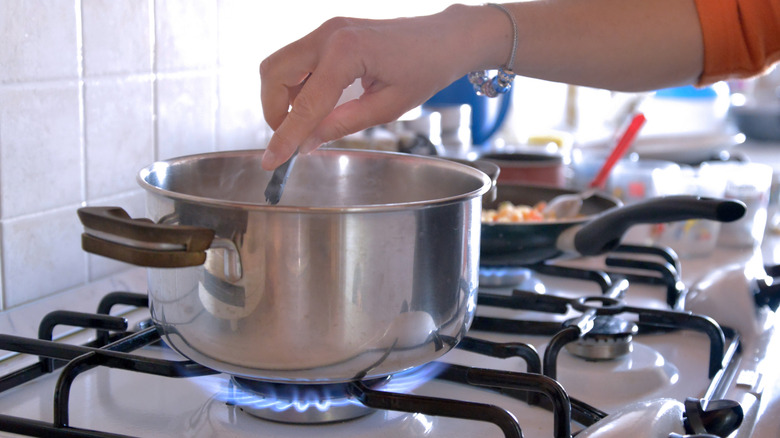
The stove is undeniably one of the most important parts of a home kitchen. From sautéing veggies to simmering soup to searing meat, it's an appliance we depend on. However, many people are less familiar with one crucial aspect of their stove: its lifespan. Generally speaking, home cooks can expect a typical gas range to last somewhere between 10 and 15 years under normal use, or even longer in some cases.
Within that scope, a few factors can dictate whether your gas stove gives up the ghost after a decade or sticks it out toward the longer end of the range. Among the most important considerations when purchasing is the brand. Certain manufacturers, such as GE, Samsung, and Bosch, typically make longer-lasting appliances than lesser-known or lower-budget brands. Naturally, higher-usage stovetops will also need replacement faster, and those that are well-maintained can add months if not years to their lifespans.
It's worth noting that this up-to-15-year lifespan is several years longer than the typical electric stove. This is a result of a gas stove's less complicated design, with fewer potential failure points and easier and cheaper repairs. Meanwhile, newer induction stoves typically list their lifespan in hours, commonly citing a 10,000-hour figure, which is usually equated with around a decade, depending on usage, of course, but once again shorter than most gas stoves.
A little elbow grease can mean years of extra life
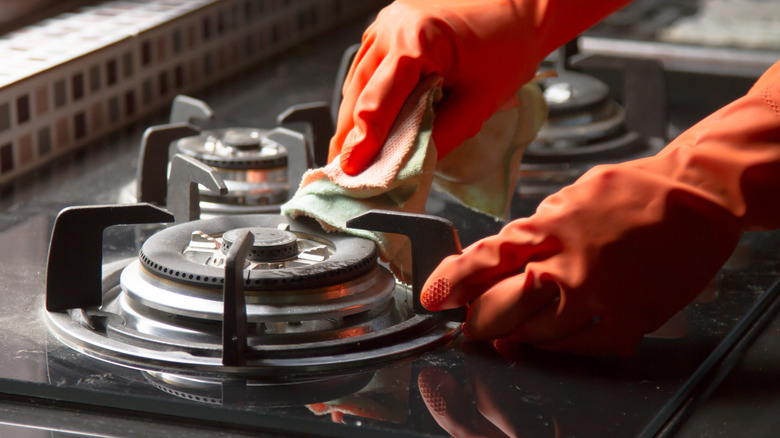
Outside of buying quality brands or using your stove less frequently, owners can also extend their stovetop's life by keeping it clean and properly maintained. Spills should be cleaned and the stove wiped down after every cooking session, with a more thorough surface cleaning weekly. Grates and burner caps should be cleaned monthly, which gives owners a chance to unclog burner ports and clean drip pans. Twice a year or more, move the stove to clean behind and beside it, if possible, to prevent crumbs or spills from accumulating in hard-to-reach places. All of this improves stove efficiency, reduces the risk of fires, and generally ensures the stovetop stays in a sanitary condition that should help to keep it functioning as long as possible.
Overall, this 10- to 15-year lifespan is pretty average for major home appliances. Refrigerators, dishwashers, and clothes dryers often fall in the middle of this range, while water heaters and washing machines are at the lower end or slightly below. In all cases, buying higher-end brands, completing regular maintenance, and having a tolerance for repairs can help put off full replacements for years longer.
To be sure, there are many factors to consider when sizing up a potential gas stovetop, including the unpleasant reality that it's likely leaking methane and other harmful substances into your home's air, harming the environment and your health to the point that some communities are restricting them in new builds. However, there's one thing home cooks can be relatively confident about: They can expect their gas stovetop to last roughly a decade, at the least, and with proper care it can be around for as many as 15 years and maybe even longer.