

11 Tips For The Best Homemade Ice Cream
We may receive a commission on purchases made from links.
Perfecting your own homemade ice cream is a worthy endeavor, but one that can be rife with false starts. Knowing which recipes to follow and which pieces of advice are worth listening to isn't always clear, which is why we've sought out expert advice on how to make the best homemade ice cream.
Lindsey Flowers is the executive chef of Eastern Mediterranean restaurant Namak in Washington D.C., where she has introduced a lineup of unconventional homemade ice cream flavors to the restaurant's dessert menu. Minoo Mahdavian is a food blogger and recipe developer at MinooMakesStuff. David Davidov is the creator and recipe developer behind The Cooking Foodie and has created an online course all about ice cream making. Thanks to them answering my probing questions about making ice cream from scratch, I was able to uncover some useful tips for anyone who wants to do it themselves at home.
Whether you've been making ice cream for a while but your recipe isn't quite there yet or you're just starting out, this advice can help you get the best possible results. These 11 tips for the best homemade ice cream cover ingredients and techniques that can really turn things around when you're struggling. Whatever your issue — lackluster flavors, ice crystals forming, ice cream that's too soft — this expert advice will point you in the right direction.
Use high-quality dairy when making ice cream from scratch
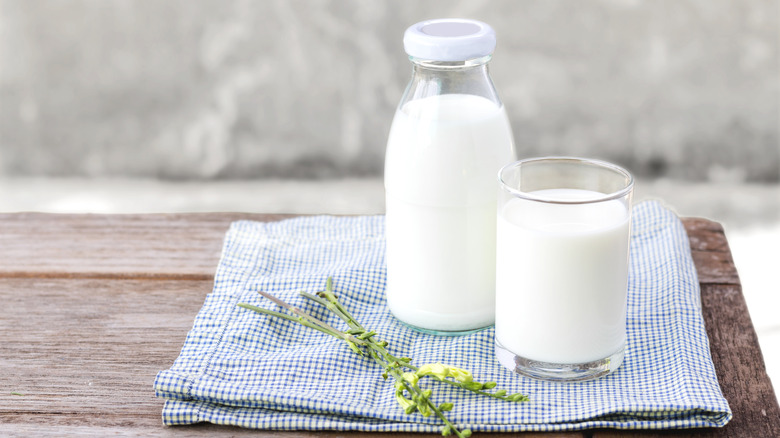
One of the most common mistakes with homemade ice cream is not paying enough attention to the quality of the ingredients. Dairy products are the base of most ice cream, so if you're not using high-quality milk and cream, you're starting out at a disadvantage. Choosing your ingredients wisely will lead you to significantly better results with minimal effort.
"Using high-quality heavy cream and whole milk with the right fat content makes a huge difference," David Davidov explains. "Fat is what gives ice cream its creamy texture and carries flavor; even the best recipe won't reach its full potential if the dairy is low quality or too lean." So, if you want to make rich, creamy ice cream, make sure you start with good milk and cream, and don't attempt to use low-fat versions. You won't get the same results if you do.
Minoo Mahdavian agrees that "the quality and fat content of your dairy" is the most important factor in terms of ingredients. "Using a combination of high quality 35% cream, what most people call heavy or whipping cream, and whole milk rather than skim gives you that incredible creamy flavor without being too heavy at the same time." If you have local dairy producers in your area, all the better, but even the top shelf stuff at a grocery store will do the trick.
Add salt to homemade ice cream
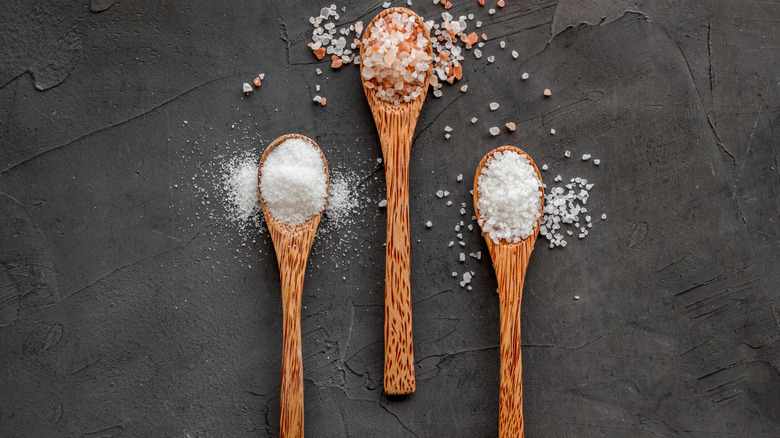
You might not consider salt as an integral ingredient in ice cream, but our experts certainly do. If used subtly, you wouldn't even notice that a batch of homemade ice cream contains salt, but you will detect a difference to the other flavors that you can't quite put your finger on. Then again, you can lean into the saltiness, not just with salted caramel, but with flavors like chocolate and sea salt or flavors with a pretzel swirl.
Lindsey Flowers considers salt the most important ingredient in ice cream, presumably after the obvious base ingredients. "Salt doesn't necessarily make things salty," she explains. "In the right amounts, it enhances the other flavors and makes things taste significantly more balanced." Minoo Mahdavian also likes to add a pinch of salt to ice cream, stating that it brings out all the other flavors in a recipe.
If you've ever added a pinch of salt to cookies or cake — something that most recipes call for — you'll start to understand that it's not that strange an addition. If the ice cream recipe you're using doesn't already contain salt, adding a little can make a notable difference. Start with a small pinch and feel free to experiment from there, adding more if it seems like it needs it. It's always a good idea to make tweaks one at a time and make notes, so you can figure out which changes are for the better and which to avoid next time.
Take your time and follow each step closely
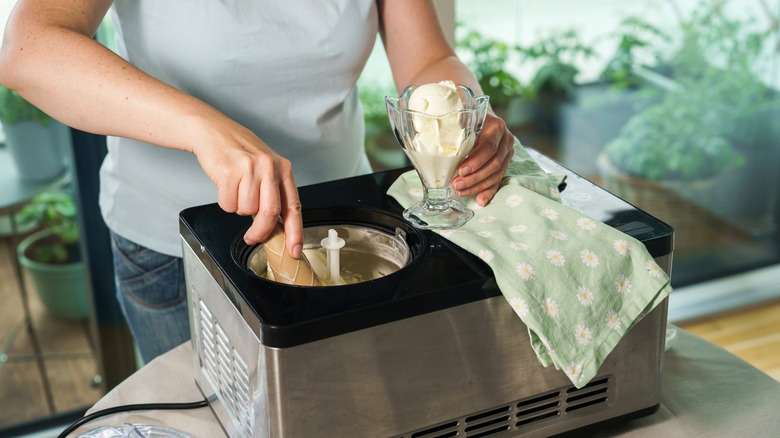
Whatever ice cream recipes you decide to try out, the main thing is to take your time and follow each step closely. Some people try to rush through, and we understand wanting ice cream in your bowl sooner, but that only leads to subpar results. Paying attention to the recipe seems like a straightforward piece of advice, but you'd be surprised how many people struggle with this and how much difference it can make.
"The biggest mistake is rushing the process," David Davidov tells us. "Many people just don't have the patience to follow each step." They may miss out steps like properly chilling the ice cream base before churning it or sufficiently freezing their ice cream maker bowl, and these omissions can lead to bigger problems. For example, Davidov explains that "a cold base churns faster, creates smaller ice crystals, and usually produces a much smoother texture," so if you don't chill the base mixture, you might end up with icy or lumpy ice cream.
It's a good idea to read the recipe in full before you get started. In fact, reading it a day or two in advance will allow you to prepare and plan ahead, as there are some steps you might need to do as much as 24 hours in advance. This means you won't end up with any surprises, like getting partway through and realizing you now have to chill an ingredient for four hours when you were hoping to serve your ice cream in three.
Heat your dairy base gently
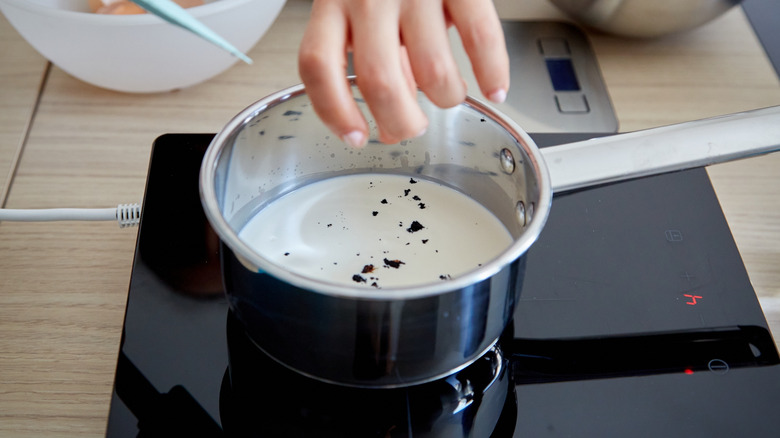
The dairy base is what makes up the bulk of the ice cream, aside from any mix-ins. It starts as a liquid or custard and turns into ice cream as it's frozen and churned. This base is usually made up of milk, cream, sugar, and eggs, although some recipes, like typical Italian gelato, don't contain eggs. It's heated to thicken it before churning, but it's important that you do that gently. Heating the base too quickly or at too high a heat is a common error.
"People often get their dairy base too hot, which denatures the proteins and leads to a grainy end product," explains Lindsey Flowers. "The base just needs to be gently warmed (around 165 degrees Fahrenheit) to steep any flavor into the milk/cream mixture and dissolve the sugar before tempering with the eggs," she notes. Tempering the eggs is the process of gradually adding them to hot liquid to avoid ending up with a scramble on your hands. Done properly, this forms a custard that you need to cook gently over low heat, stirring it constantly to prevent curdling.
"Using gentle heat throughout the whole process helps prevent icy or grainy ice cream, followed by rapid cooling to prevent overcooking the base," explains Flowers. "It needs to be cooled all the way (ideally overnight) before spinning."
Keep your equipment cool
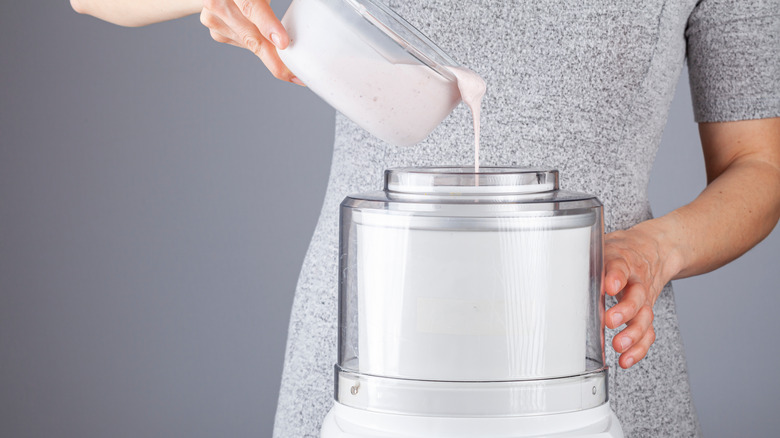
When making ice cream from scratch, you need to keep all your equipment cool to get the best results. No-churn ice cream recipes exist, but you'll get better results with an ice cream maker. And, many ice cream makers have bowls that need to be frozen before you get started — often for longer than you might realize. Other equipment should be chilled, as well, to keep from heating up the mixture.
"The most common issue is using an ice cream maker bowl that isn't fully frozen — I always recommend freezing it for at least 24 hours, even if the manufacturer suggests less," David Davidov notes. "If the bowl isn't cold enough, the mixture churns too slowly and larger ice crystals form," he explains. If this is prohibitive, there are other options, such as compressor ice cream makers. "They're more expensive, but they freeze the mixture as they churn, so there's no need to pre-freeze a bowl, and you can make multiple batches back-to-back," says Davidov.
"Keep everything cold," Minoo Mahdavian suggests as her most important piece of advice to those making ice cream at home. This includes the churner, the bowl, the container you transfer it into, and any other pieces of equipment. This should all be frozen or chilled before using. "Warm equipment melts the edges of what you've already churned, and when that refreezes it forms big crystals," Mahdavian tells us. "That's the grainy texture people are trying to avoid, and it's much easier to prevent than to fix."
Add a small quantity of alcohol to homemade ice cream

There's a boozy ingredient that can upgrade your homemade ice cream. Adding spirits to the base can improve the texture and give you more consistent results. And, while you can lean into the flavor if you like, it doesn't even have to end up tasting alcoholic, so you can still make family-friendly flavors.
"Add a very small amount of alcohol, such as vodka or a liqueur that matches the flavor," David Davidov suggests. "Just one or two teaspoons in a batch won't make the ice cream taste alcoholic, but it helps keep it scoopable and softer straight from the freezer." The reason for this is that alcohol has a lower freezing point than water. It needs temperatures lower than those produced by a home freezer to turn solid. So, adding even a small amount of alcohol makes the finished ice cream softer and easier to scoop.
If you're making a quart of ice cream, adding just a tablespoon or so of spirits will give you a slight hint of something — the sweet caramel notes of a bourbon or the herby botanicals of gin, for instance — without making it boozy. Three or four tablespoons will give it more of a kick. Avoid adding over five tablespoons to a quart or it will end up as cold liquid, never freezing hard enough to scoop. It's also worth noting, the boozier the ice cream, the quicker it will melt out of the freezer.
Think carefully about ice cream flavor combinations
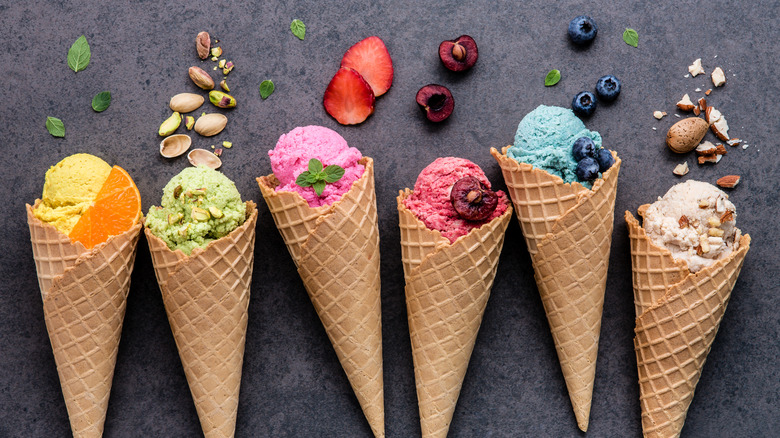
The flavor combinations you choose can make or break your ice cream. There are recipes for everything from simple two-ingredient ice creams and basic vanilla to elaborate flavor combinations you wouldn't think to mix together but that somehow work. There's no precise right or wrong when it comes to combining flavors, it's all about preference, but thinking carefully about what might work together and how to pull it off can lead to some top-notch ice cream.
"Over the years I've tasted some incredibly unique ice cream flavors that made me think, 'How did I never think of that?'" David Davidov remarks. "Some of the best recipes come from simply being curious and willing to try something new." You might want to come up with flavor combinations on your own, thinking about flavors you enjoy together or think will complement each other. Or perhaps you need some inspiration, and that's where our experts come in.
"Pulling inspiration from classic dishes or flavor pairings is always a great place to start," says Lindsey Flowers. She suggests picking a favorite dessert and going from there. "We took inspiration from baklava and turned it into ice cream here at Namak, using a walnut infused base and our 'baklava crunchies' folded in." She also suggests using the book "The Flavor Bible" to find ingredients that will work together. "Balance is the main thing," says Minoo Mahdavian. "If you've got a really sweet topping, pair it with something slightly bitter so it doesn't flatten out."
Be mindful when adding mix-ins
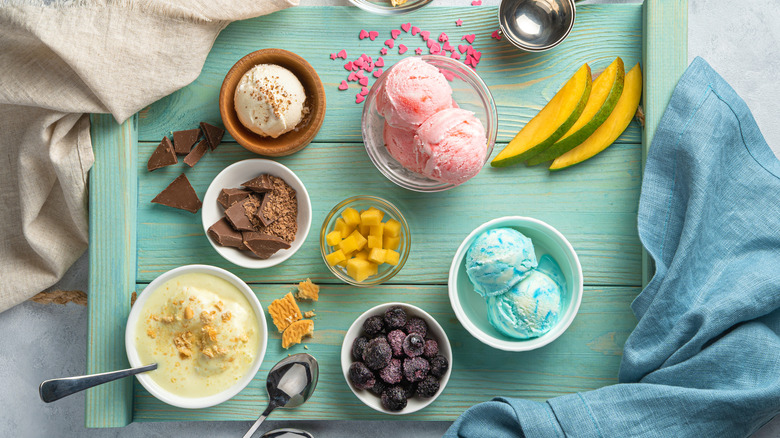
Ice cream mix-ins are things like swirls of sauces, chopped nuts, chocolate, or chunks of baked goods. Think about how chunky something like Ben and Jerry's is, and imagine being able to choose exactly what goes in there — it's one of the joys of making ice cream from scratch. But, you must be mindful when adding your mix-ins, as there are things that can go wrong.
"For anything that you want to stay crunchy, it helps to pre-freeze it," says Lindsey Flowers. Otherwise it might get turned soggy by the ice cream. But there are more reasons to freeze your mix-ins. "Warm ingredients melt the ice cream and create icy patches," David Davidov explains. He also recommends adding them right at the end of the churning process. "Adding delicate ingredients too early can break them apart or cause them to sink to the bottom," he notes.
According to Flowers, you should minimize the water content of anything you add. This is "because water freezes to ice, which isn't very pleasant in a creamy ice cream," she tells us. "Jam will mix-in significantly better than whole berries, for example," she adds. You also need to be careful if you're adding warm or tepid ingredients, like cooled melted chocolate for stracciatella. "It helps to let your base fully set first and then mix in using a stand mixer — this helps prevent your base from melting in the process," Flowers advises.
Consider texture in homemade ice cream
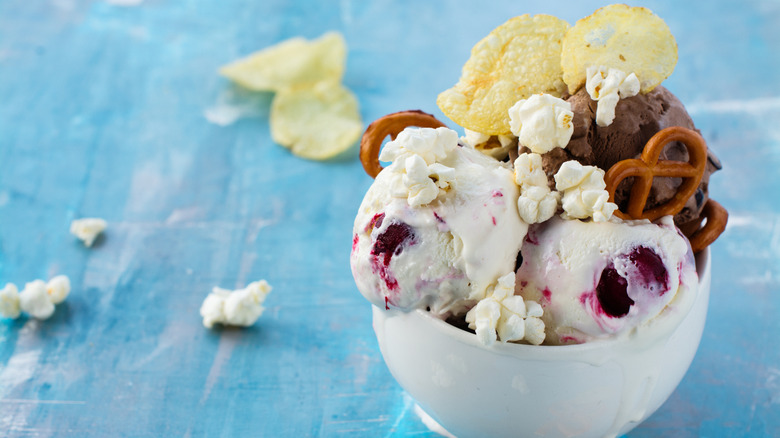
Flavors matter in an ice cream, but so does texture. Think about your favorite ever ice creams, and we bet they're not all one single texture all the way through. They probably have squidgy pockets of sauce or crunchy bits. This makes a big difference to how enjoyable the finished product is, and is something you should consider when making homemade ice cream.
"I love incorporating different textures into my ice creams," says Lindsey Flowers. "It makes you want to keep digging in because each bite is a little bit different than the last," she adds. "Think about texture as much as flavor," Minoo Mahdavian advises. "I want every bite to have something soft and creamy alongside something crunchy, so the whole spoonful isn't one note."
There are all kinds of ingredients you can use to add some crunch to your ice cream. Toasted nuts, crunchy cookie pieces, pretzels, peanut brittle, honey comb, chocolate chunks, crackers — all these and more. As Lindsey Flowers recommended, freezing these mix-ins before adding them to your ice cream will help them stay crisp. Adding extra ingredients for texture is also a great way to make ice creams with interesting flavor profiles, so think about how these additions work with the other ingredients you've chosen.
Don't overfill your ice cream maker
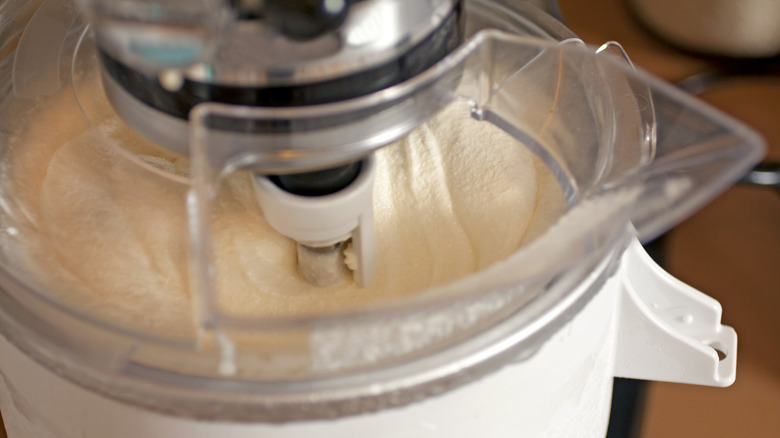
You've got to the point where you've made your base, decided on flavors, gathered your mix-ins, frozen your equipment, and you're ready to churn. Don't fall down at the last hurdle by overfilling your ice cream maker. It might not seem like a big deal, but it can affect your finished dessert more than many people realize.
We get how tempting it is to make as much ice cream in one go as possible, especially if you have the kind of ice cream maker where you need to freeze the bowl between batches. But, try to resist the urge to make sure it turns out as good as possible. There's a simple reason why you shouldn't overfill your machine. "Ice cream expands as it churns, and leaving enough room allows it to incorporate air properly, giving you a lighter, creamier texture," David Davidov explains.
Ice cream makers generally have a max fill line in the bowl. Make sure not to let your base mixture go over this line and you should be fine. The product specifications may also list its maximum capacity. Smaller machines may produce a single quart, whereas larger options can make two to three quarts at once. It can be useful to have a larger machine when making ice cream for a large household, but if you're working with whatever you've already got, be sure to stick to its listed capacity.
Avoid over- or under-churning your ice cream
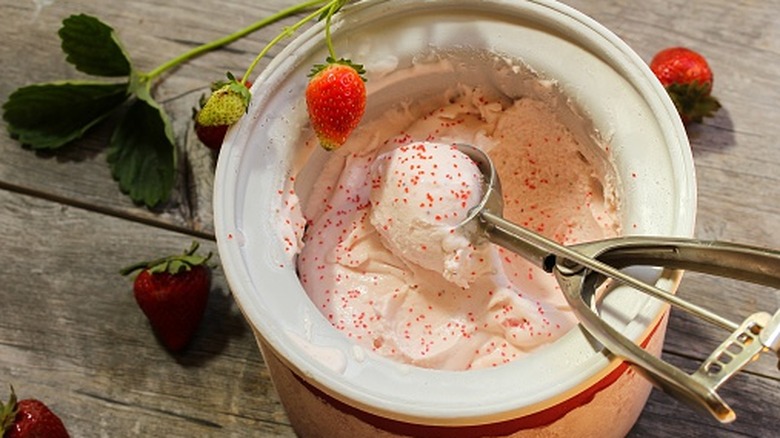
Xanthan gum is used in a lot of commercial ice creams to help give it a smoother texture with less chance of it turning icy. But, you can control ice crystal formation in your homemade ice cream without having to go out and buy extra ingredients, and one of the ways to do this is to make sure you churn your ice cream for the right length of time. Both over-churning and under-churning can lead to different issues.
If you don't churn your ice cream enough, it can turn out icy rather than creamy. It may have large ice crystals or freeze extremely solid rather than scoopable. But churning your ice cream too much is also an issue. According to David Davidov, over-churning "can give the ice cream a grainy texture." Minoo Mahdavian warns that "if you keep churning you risk the cream separating, and then you've made butter."
If it's chunky, greasy, or icy, you're probably over churning. "Once it looks like the texture of a soft-serve ice cream, it's ready," says Lindsey Flowers. Once you're done churning, you should transfer it to the freezer right away. This results in smaller ice crystals, avoiding iciness in the finished product.