

17 Sauces And Spices To Take Your Chicken To The Next Level
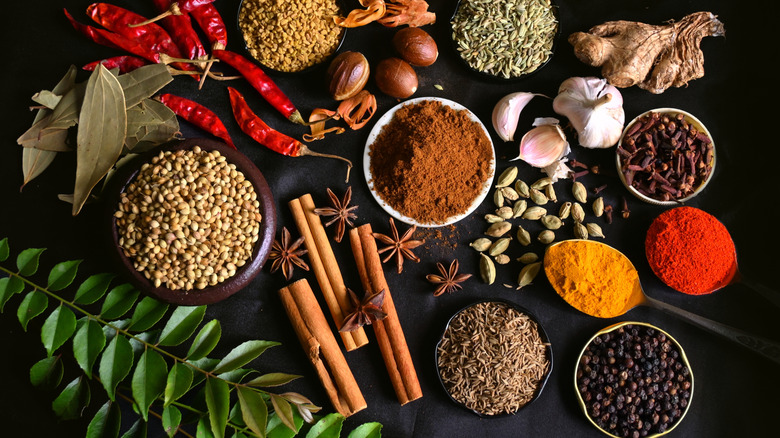
Chicken is a versatile protein that can adapt to just about any spice, sauce, or seasoning — many of which can take its neutral taste to the next level. The key is selecting the right flavors to give your chicken depth and interest without overpowering it. Your cooking method and the type of dish you're making will also play a role in determining which spices and sauces to use.
For instance, Mediterranean-inspired chicken dishes might include oregano, basil, and garlic powder, while Mexican cuisine might have a mix of cumin, paprika, and cayenne pepper. Grilled dishes might call for garlic powder, onion powder, pepper, and soy sauce, and a roasted chicken might need thyme and rosemary. But you don't have to adhere to the traditional roadmap.
Get creative and experiment with different seasonings and combinations to see how each might enhance the flavor of your favorite chicken dishes. Here are 17 spices and sauces to get you started on that journey.
Pepper
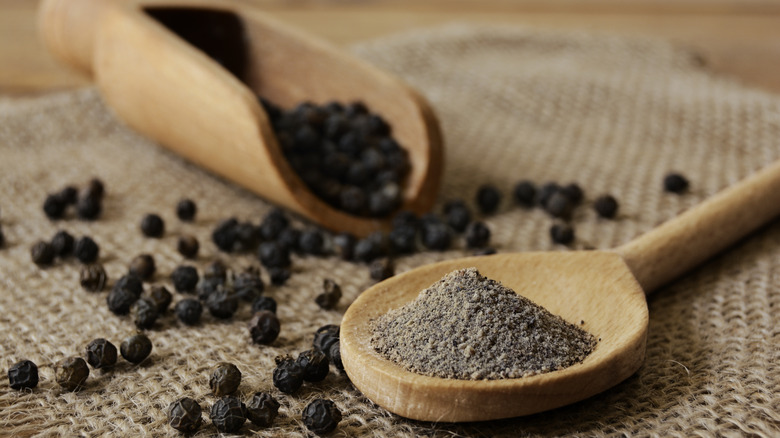
Pepper — which comes in a variety of different forms, including black pepper, cayenne pepper, chili pepper, white pepper, and more — is perhaps the world's most popular spice and one that pairs well with a variety of blends used to season chicken. It adds boldness to poultry and can increase the heat and spiciness of your dish. Depending on which type of pepper you use, it can even add a woody or earthy undertone.
Pepper can also be combined with other spices or ingredients to create an interesting flavor profile. For instance, one popular pairing for chicken is lemon pepper. This classic duo is often used to make lemon pepper chicken or even lemon pepper chicken wings. Together, lemon and pepper give your dish a punch of acidity from the lemon combined with the zing from pepper — a combination that makes mild-tasting chicken come alive with flavor and brightness.
Paprika
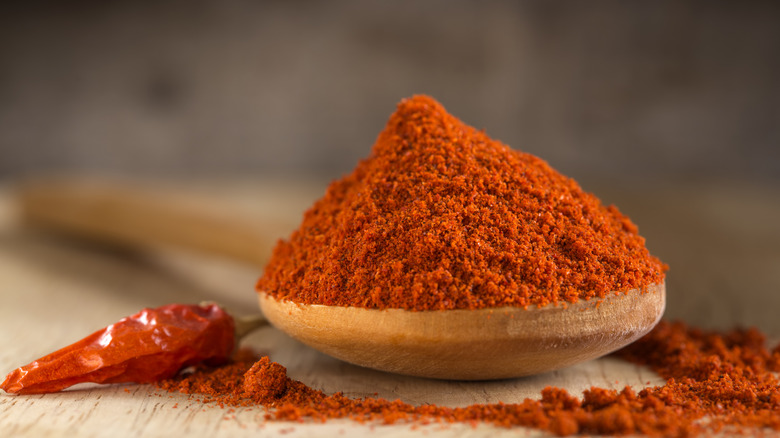
Paprika, which comes in several sweet, smoky, and hot varieties, is frequently used in the most popular chicken dishes and blends nicely with other spices. Plus, it gives your poultry a rich color and makes it appear tastier even before you take that first bite. If you use smoked paprika, your chicken will have a wood-fired taste that can make roasted meat taste grilled, while sweet varieties impart a mild and fruity flavor profile. And hot versions can give your dish a slight kick without using more intense spices.
Paprika also works well in breading for fried chicken and can even be used to create a rub for grilled chicken. Crockpot dishes and one-pot chicken meals also rely on the spice to amp up the flavor. For instance, chicken paprikash, a Hungarian dish, may be one of the most paprika-forward chicken dishes you can make. In fact, the paprika is almost entirely responsible for the dish's flavor, with some versions calling for as much as 3 tablespoons.
Onion powder
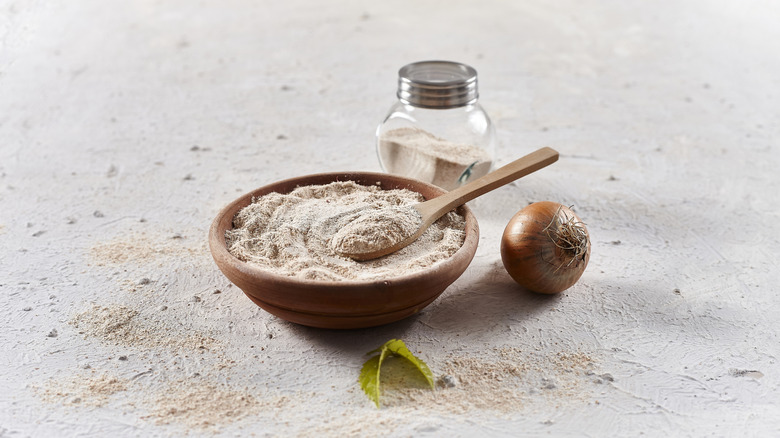
Onion powder isn't necessarily the spice you think of first when adding flavor to chicken. But for those looking to impart a sweet, umami-like boost to their dish, it's a key background player in almost any spice blend you create. Not only will you get a more intense flavor when you add onion powder, but it also supports the other spices you use. And, contrary to popular belief, it's also a whole food. Just like dried basil or oregano, onion powder is simply dried and finely ground onions.
Onion powder also has a long shelf life, which means a jar can last as long as two years in some cases. And you can count on it to help build the flavor profile of your chicken dishes. In fact, according to some cooking experts, onion powder forms the foundation of many seasoning blends like dry chicken rubs or sauces — and much like salt, it can enhance other flavors in your dish without creating a significant oniony taste.
Garlic powder
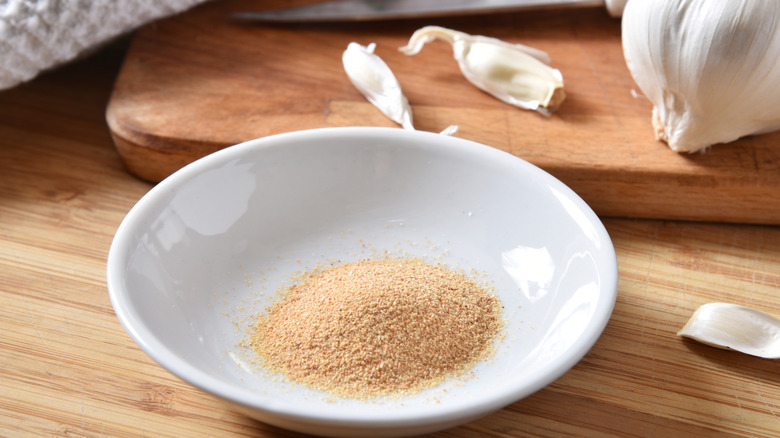
Garlic is a common way to flavor most dishes around the world. And, in the U.S., it's nearly impossible to find a chicken dish that doesn't have garlic powder as a key part of its seasoning. Whether you're making Instant Pot creamy garlic chicken, creating a dry rub for your roast chicken, or cooking up crispy fried chicken, garlic powder is the spice you'll have to reach for every time.
Garlic powder, or its coarser cousin, granulated garlic, has the unique ability to distribute evenly in your chicken dish. This means that, unlike the fresh allium, there's less risk of it becoming bitter or burnt when you're searing or grilling with it. Plus, its flavor punch is undeniably sweet, delicious, and savory. It works well in marinades and forms part of a simple yet ubiquitous chicken seasoning — garlic powder, black pepper, and sea salt. The spice also pairs well with ginger, cumin, and paprika, giving your poultry a notably spicy kick.
Cumin
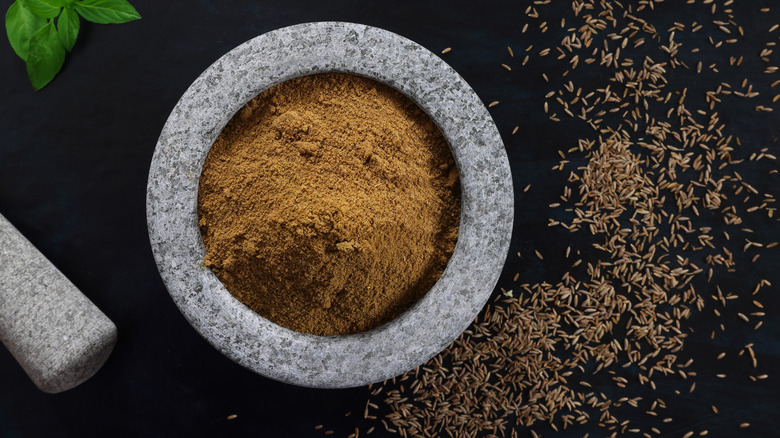
Cumin, which is popular in Southwest, Middle Eastern, and Indian cuisines, is a smoky, earthy spice that adds amazing depth and complexity to chicken without taking over. Its warm, peppery flavor works well with the mildness of chicken and can be used to create dry rubs and marinades. It pairs well with chili powder, paprika, cayenne pepper, ginger, turmeric, and more for curries, tacos, or roast chicken, all depending on the flavor profile you're going for.
And you don't need much cumin to achieve its signature warmth in your chicken dish. As little as 1 teaspoon can add another dimension of flavor and intensity to an otherwise neutral poultry dish. Try using cumin in your next batch of white chicken chili or add it to your chicken enchilada sauce to create a warm, smoky undertone. It's even a great addition to homemade barbecue sauce — adding just the right level of nuttiness and earthiness.
Coriander
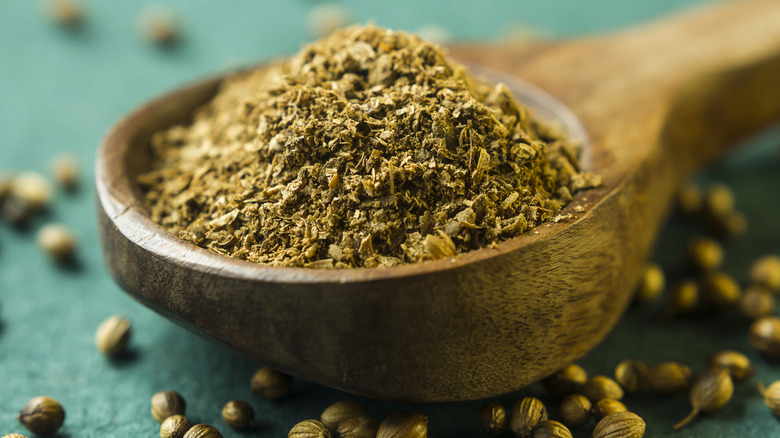
In the U.S., coriander refers to the earthy seeds that are dried or ground and used as a spice. These seeds come from the leafy green plant known as cilantro. When used as a spice for chicken, coriander imparts a warm, nutty flavor with sweet and somewhat floral undertones — and it tastes quite different from cilantro leaves. Even people who cannot stand cilantro may like coriander. You can pair this spice with cumin, cinnamon, black pepper, ginger, paprika, garlic powder, and more depending on the flavor you're trying to create.
Often, you can find the spice used in a variety of chicken dishes with Asian and Middle Eastern influences, such as chicken lettuce wraps or chicken korma. But don't sleep on using coriander alongside cumin and cinnamon to take your roasted chicken to the next level. Unfortunately, though, this versatile and interesting spice is often overlooked when it comes to seasoning chicken — which means many home cooks are missing out on its distinctive flavor profile.
Cardamom
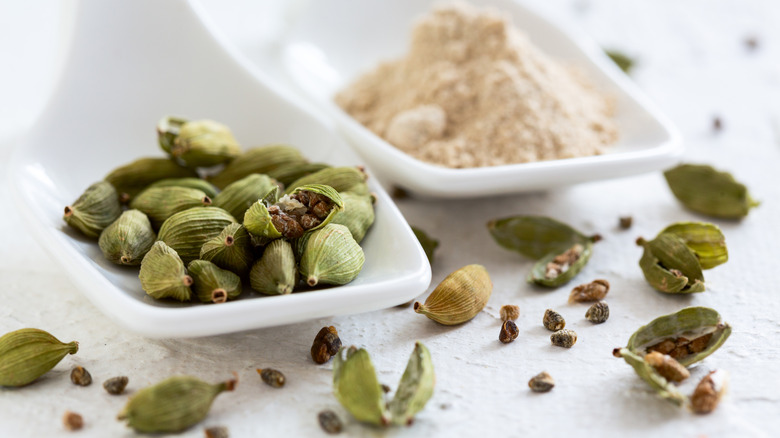
If you're tired of the same old, same old when it comes to chicken recipes, look for dishes that incorporate cardamom. This fruity spice is bright and peppery with a hint of floral and mint undertones that add incredible flavor to poultry. It's common to see this spice used in masalas and chicken curries, but it's much more versatile than this and often underutilized by home cooks.
Ground cardamom in particular is delicious when mixed with olive oil, honey, garlic powder, ginger, turmeric, and thyme and added to chicken thighs before grilling them. You can even crush cardamom pods and add them to a mixture of salt, sugar, cinnamon, and citrus to make a wet brine for your roast chicken or use the spice to make a batch of chicken biryani. This unique rice recipe has cardamom, cinnamon, cumin, and turmeric at the forefront and is a tasty dish your family will likely fall in love with.
Turmeric
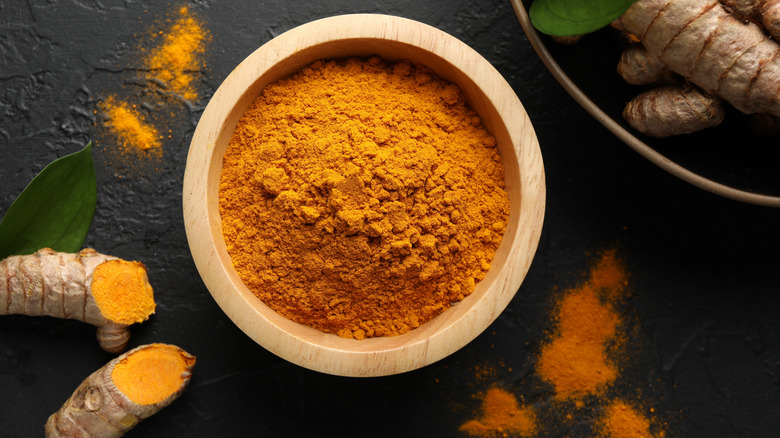
Turmeric has so much more to offer your chicken dishes than a pretty color. Instead, this spice — which is a relative of ginger — adds an earthy, peppery flavor to your poultry preparations. Known for its warmth, turmeric often plays a starring role in chicken curries, stews, and rice dishes. But you can use it in countless other ways, too. For instance, some home cooks enjoy mixing it with honey and adding it to chicken before baking. Or, you can use it in your dry rub. Just remember to start with only a small amount, or about 1 teaspoon for every pound of chicken.
Using turmeric to flavor your chicken has other advantages, too. Aside from its beautiful color and distinctive taste, turmeric offers potential health benefits and can be a great addition to chicken noodle soup when you're under the weather. This powerful spice contains curcumin, a compound that may help reduce inflammation and is being studied for its effects on dementia, mood disorders, diabetes, and more. Just be sure to combine it with black pepper to help your body absorb its anti-inflammatory properties.
Cinnamon
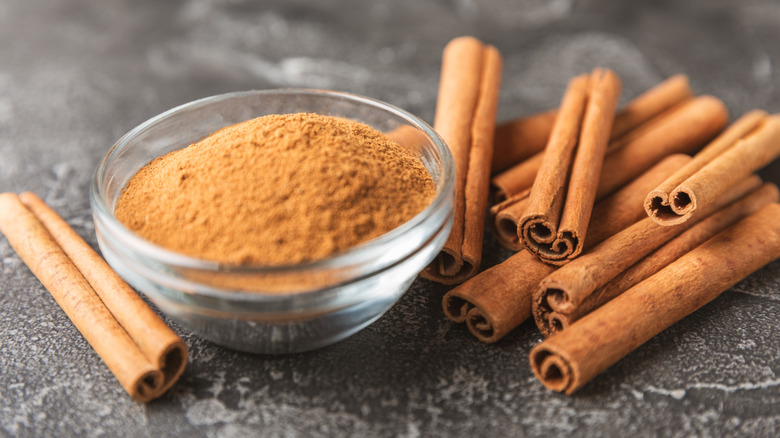
When most people think of cinnamon, they don't necessarily consider savory chicken dishes. Instead, they likely have visions of decadent desserts and treats like cinnamon rolls, snickerdoodles, apple pie, and coffee cake. But cinnamon is a wonderfully warm spice that can be used in flavoring or seasoning chicken. In fact, cinnamon adds unrivaled complexity to your chicken, especially when used alongside cumin, turmeric, and cayenne. It also works well when combined with lemon and orange for baked chicken or marinades.
Consider incorporating a pinch of cinnamon in slow-cooked or braised chicken dishes. Oven-baked chicken with cinnamon also works wonders, or you could even add a cinnamon stick to the wet brine you're creating for your roasted poultry. No matter which dish you decide to make, this spice adds a sweet, woody flavor, a nice brown color, and a beautiful aroma.
Thyme
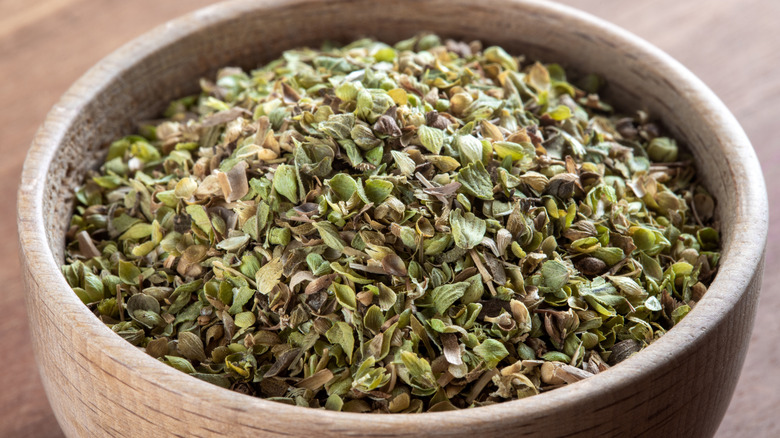
Thyme is one of those classic spices that pairs naturally with chicken, especially when it's baked or roasted. It also commonly goes with with other herbs like rosemary and sage, imparting a broad flavor profile from bright and woody to peppery and floral. Plus, dried thyme tends to be much milder than its fresh counterpart, which allows it to impart a much subtler flavor profile without taking over the dish. Still, you should use a light hand when seasoning with thyme, which will help you better gauge the right amount for your taste and palate.
Among the oldest cultivated herbs, thyme is prevalent in everything from French sauces to the stuffing you put in your roasted chicken. You can also put the herb to good use in rubs and dishes with longer cooking times. Thyme also works well in recipes for chicken fricassée, chicken and biscuits, and other creamy poultry dishes.
Rosemary
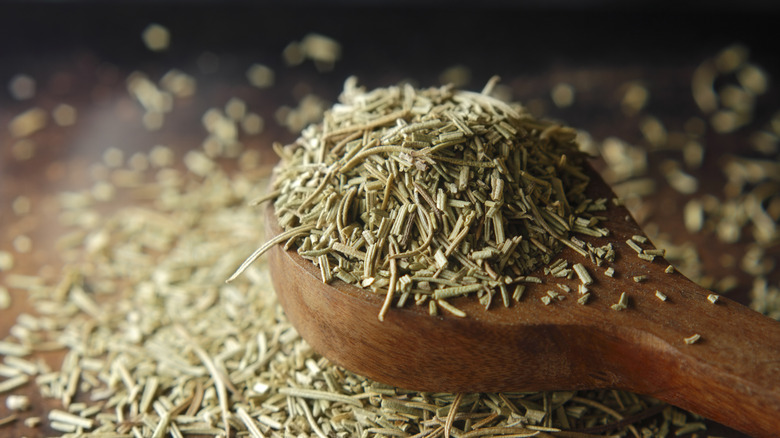
Rosemary has an extremely distinctive aroma and taste. Not only is its woodsy flavor highly recognizable, but so is its lemony, pine-like scent. This means rosemary is an excellent option for the neutral flavor of chicken and can really make a once-mild dish stand out. Overall, cooks appreciate the herb for its robust flavor profile and its earthy, minty undertones that create a warm, peppery taste. That said, rosemary's flavor can dominate a dish, so use it sparingly when paired with chicken.
Like thyme, dried rosemary can be used when seasoning roasted or baked chicken. The fresh herb can also be used in marinades and rubs. It pairs well with other strong flavors like lemon and garlic powder. You might even include rosemary in your poulet rôti (French roast chicken), sheet pan chicken and potatoes, or chicken and dumplings.
Basil
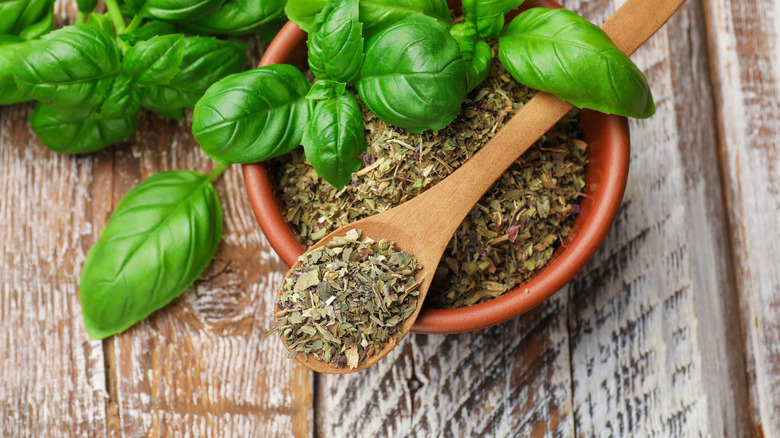
Basil is both sweet and pungent with a slightly spicy, licorice-like undertone, and though it's commonly used in pasta sauces, it also pairs nicely with chicken. Not only can the herb be incorporated into marinades for grilled chicken, but it can also be added to rice dishes and Mediterranean-based recipes. You can even use it in pan sauces, chicken stir-fries, and soups and stews.
Overall, basil is extremely popular and has been cultivated for over 5,000 years. Frequently, people prefer fresh basil when cooking, but the dried spice-like version can be particularly useful for chicken dishes. Not only does it have a longer shelf life, but the flavor can be more intense and earthier. In fact, adding dried basil to your chicken dish, especially if it has a long cooking time, can help you build depth of flavor.
Oregano
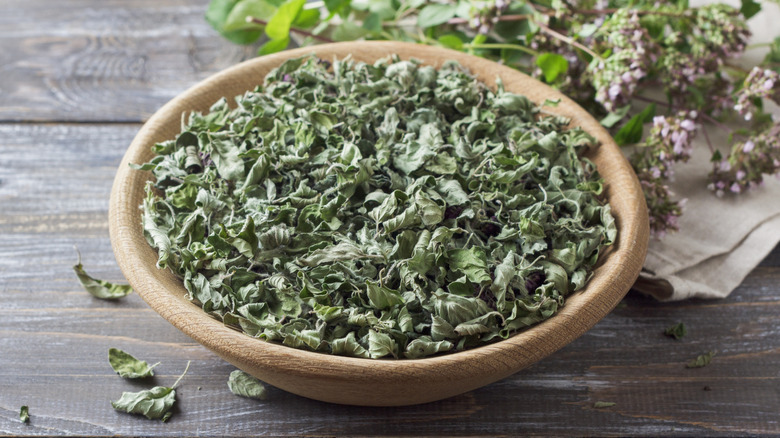
When most people think of oregano, they likely imagine Italian sauces and pizza. However, the herb is often paired with chicken across the Mediterranean and is best when incorporated early in the cooking process so the flavors have time to meld. For instance, it might be used in roast chicken or a French Provençal chicken stew. Overall, oregano gives poultry dishes a bold, earthy flavor with a peppery bite, and it pairs well with paprika and garlic powder. These seasoning blends even pack enough flavor to help limit the amount of salt you need in your recipes.
To make a quick Mediterranean-style dry rub before you grill or bake your chicken, try combining dried oregano, garlic powder, smoked paprika, ground cumin, and black pepper. You can also add a bit of lemon zest. Other options for using oregano in your next chicken dish include adding it to a Greek-yogurt-marinated chicken gyro or a Mexican shredded chicken tinga.
Ginger
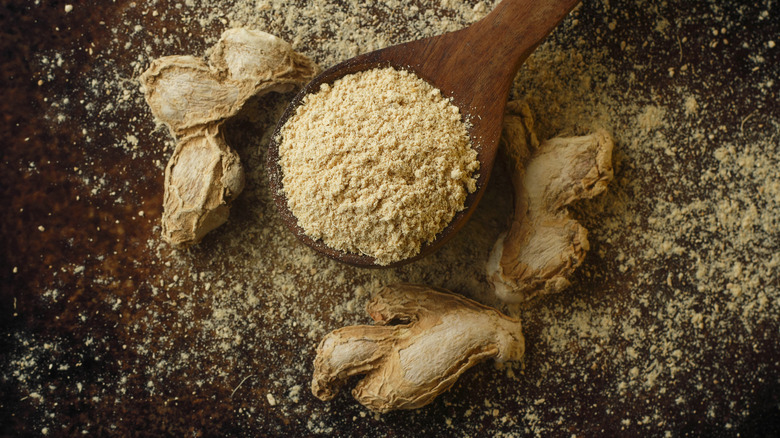
Ginger delivers an interesting mix of sweet heat that adds a bit of a bite to your chicken dishes. This warm spice also creates an unmistakable brightness whether it's used as an ingredient in your marinade, brine solution, or dry rub. You can help balance ginger's pungency by pairing it with spices that carry their own weight, like garlic powder, cumin, soy sauce, and chili powder. Too much ginger can certainly overpower your chicken dish and leave it tasting one-dimensional, so make sure there are some counterpoints to its strong flavor profile.
If you're looking for some ginger-forward chicken dishes, butter chicken, chicken tikka masala, and chicken pho are all great examples. But this spice doesn't need to be limited to non-Western cooking influences. It also makes a great addition to chicken salad, soups, and even roasted chicken. You could also try adding ginger to your sauces and glazes to add a little zing or to put a new twist on an old favorite.
Soy sauce
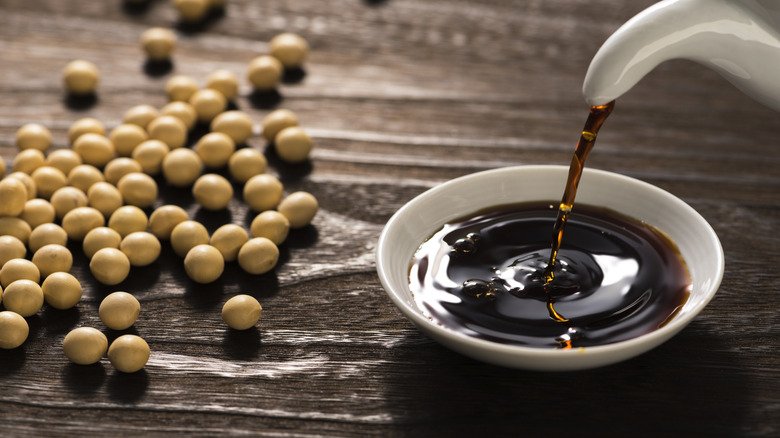
Soy sauce makes a great sauce for chicken due to its high salt content and ability to intensify the savory undertones of poultry. Plus, it adds a rich brown hue to the meat that makes its naturally pale appearance more appetizing. Whether you use it as a component in a marinade for salt and color or you add it later to create a sauce, you can never go wrong pairing soy sauce and chicken. Even researchers have found that soy sauce can improve the taste and tenderness of chicken dishes.
Some cooks employ soy sauce in place of salt while others use it to make a marinade. It can also be transformed into a dipping sauce, added to soups and stews, or used as a sticky wing sauce. Some popular dishes combining the sauce and poultry include shoyu chicken, bourbon chicken, and sriracha honey-glazed chicken.
Teriyaki sauce
Much like soy sauce, teriyaki sauce pairs well with chicken, but it offers a different flavor profile. While soy sauce is thin, fermented, and salty, teriyaki sauce is a sweet, savory, umami bomb that takes the neutral taste of chicken to new heights. Its rich, complex nature adds interest to otherwise bland chicken and is usually added toward the end of cooking to create a thick, syrupy, caramelized glaze and beautiful brown coloring.
If you are using store-bought teriyaki sauce, you'll likely find a variety of flavor options. But authentic teriyaki sauce contains soy sauce, mirin, sugar, and sake. In the U.S., you'll often see honey, garlic, and ginger added as well. When it comes to poultry, teriyaki sauce can be used for more than just making a classic teriyaki chicken recipe. It also makes a great marinade, basting sauce, or glaze for wings, grilled chicken, or even roasted chicken. That said, because this sauce has a high sugar content, you need to control the heat so it doesn't burn.
Balsamic vinegar
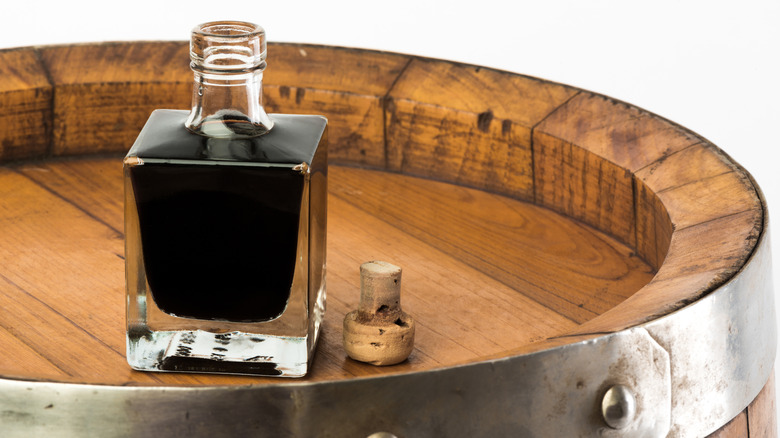
A high-quality balsamic vinegar will offer a complex sweetness with subtle tasting notes ranging from smokiness to the type of wood it was matured in. You may even pick up on fig, molasses, and chocolate, all of which add tanginess and depth to your chicken dishes. This sauce is often used in chicken marinades for its intriguing flavor profile with sweet undertones and to elevate the taste of your meat.
Plus, the acidity in balsamic vinegar can help break down muscle fibers, creating more tender and flavorful chicken. Then, once marinated, your chicken should be able to withstand more intense cooking like grilling or pan-searing, while the sugars in the vinegar help form a glaze and give the chicken a browner, more appetizing color. In addition to using it as a component in marinades, you can also use the vinegar to deglaze a pan and make a pan sauce.