

12 Foods Sailors Ate During Long Voyages At Sea
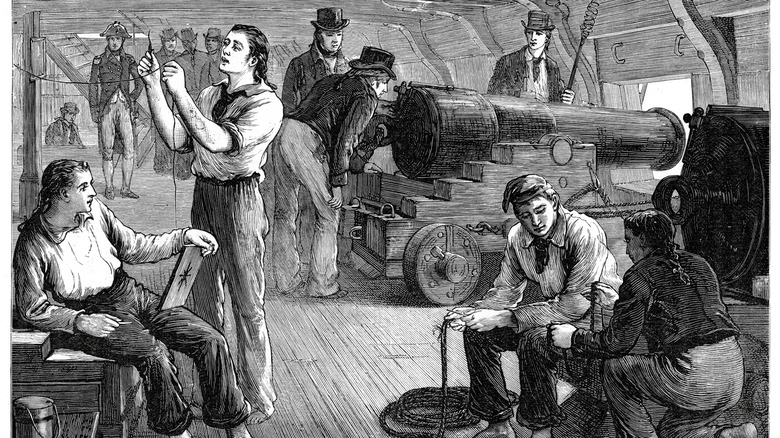
For sailors on long voyages, food was pivotal. The right provisions provided the substance they needed for hard, laborious work over the course of weeks — or sometimes even months. But in the age before refrigeration, selecting, storing and loading cargo onto the ship that wouldn't spoil posed a unique challenge. Space was limited, fresh ingredients didn't last long, and the crew had limited or no opportunity to restock once they embarked.
Though the sailors' diet changed over the centuries, there were (and still are) a few staples that transcended time and geography. We spoke with three experts to learn more about the prevailing diet at sea, and how sailors kept themselves fed: Simon Spalding, maritime historian and author of "Food at Sea: Shipboard Cuisine from Ancient to Modern Times;" Kevin Crisman, professor of nautical archaeology at Texas A&M University; and Kelly Page, curator of collections at the Maine Maritime Museum. Read on to discover what sailors actually ate on those long voyages.
Dried or salted cod
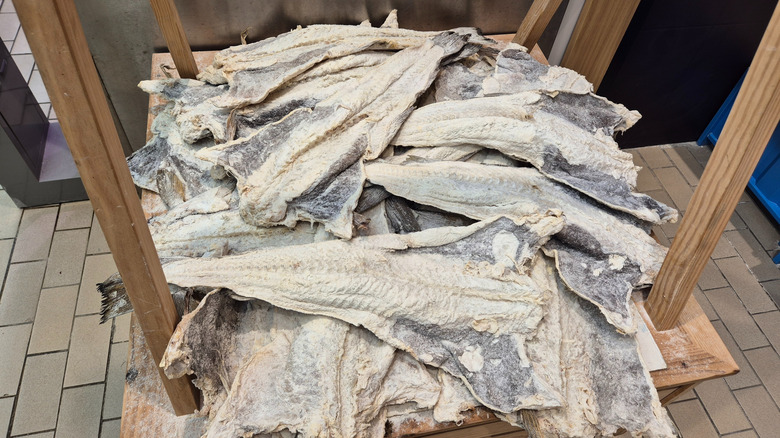
During long stretches at sea, preserving food was one of the main challenges in the eras before refrigeration. Salting and drying offered practical ways to preserve vital proteins for extended voyages, and fish — particularly cod — was a must on many vessels.
Vikings first began preserving cod for sea voyages in the late eighth or early ninth century. The practice later expanded to the Basques, and over the centuries that followed, it became a common practice aboard seafaring vessels throughout Europe.
"In the Middle Ages and up through the 16th and 17th centuries, a real staple was stock fish — air-dried fish that was imported from Iceland," explained Simon Spalding. "By the 18th and 19th centuries, that was largely replaced by salted cod, which is still used today. It's still a staple in Jamaican cuisine, for example." It's also one the main ingredient in one of Portugal's ultimate comfort dishes.
And what began as a practical way to keep sailors fed eventually became a culinary core item enjoyed at sea — and beyond. Different regions transformed the preserved cod and incorporated it into culinary culture; Scandinavian sailors created lutefisk, and the Italians created baccalà alla vicentina with this maritime staple, which both remain popular today.
Lobscouse
Fresh produce was, unsurprisingly, a scarcity on board many ships. Most fruits and vegetables spoiled within a matter of days or weeks, making them impractical cargo. Certain heartier veggies, like potatoes, however, were sometimes brought on board and eaten over the course of the first few weeks, explained Simon Spalding.
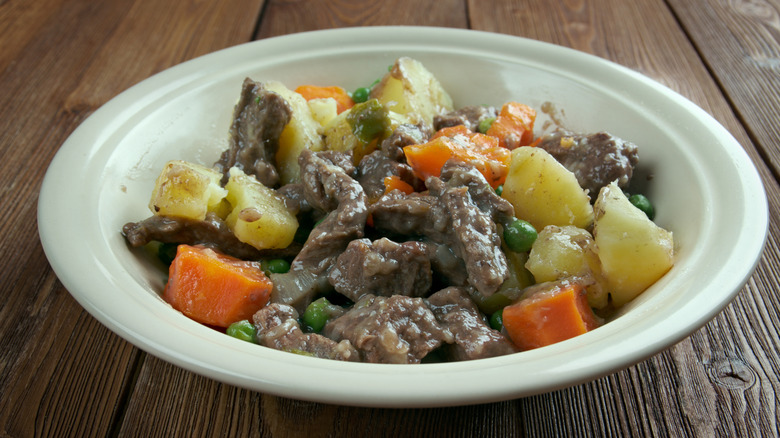
Once those had been consumed, the sailors had to get creative with substitutions, which is exactly what happened with lobscouse. "When [the sailors were] further out to sea, they made lobscouse — which is a kind of beef and potatoes stew ashore — but they're using ship's biscuits, very hard, dry-baked biscuits instead of potatoes," said Spalding.
This hearty stew — especially popular among sailors in the 1700s — was made with a combination of pickled or salted beef, bacon, potatoes and onions (if available) or hard tack (also known as ship's biscuits) was a staple on ships of varying nationalities for a few reasons: it was hearty, required few ingredients, and was easy to make in cramped quarters. The dish was so synonymous with life at sea that it was sometimes even referred to simply as "sailors stew."
Brined or canned beef or pork

"The [sailors'] diet actually tended to be fairly high in protein, since meat could be preserved by pickling and really heavily salting it," explained Kevin Crisman. For most ships, that protein was beef or pork, added Kelly Page. "Salted beef and pork supplied protein while lasting for months in barrels of brine," she said.
Beef and pork were staples for British sailors in the Royal Navy, making up a major portion of their weekly rations — and it was also stocked on merchant vessels as well, according to Simon Spalding. Barrels of heavily salted or brined meat were a reliable source of protein for long voyages. The meat, however, often became monotonous after weeks or months at sea; some ships carried livestock on board, offering sailors the chance to occasionally indulge in fresh meat instead.
By the mid-19th century, however, advancements in food preservation began to change this maritime staple. "Canning became more practical, so in navy ships from about 1850 onwards, they used less of the salt beef in barrels of brine and instead substituted what they called bully beef ... something like a cross between corned beef and pastrami," added Spalding.
Molasses
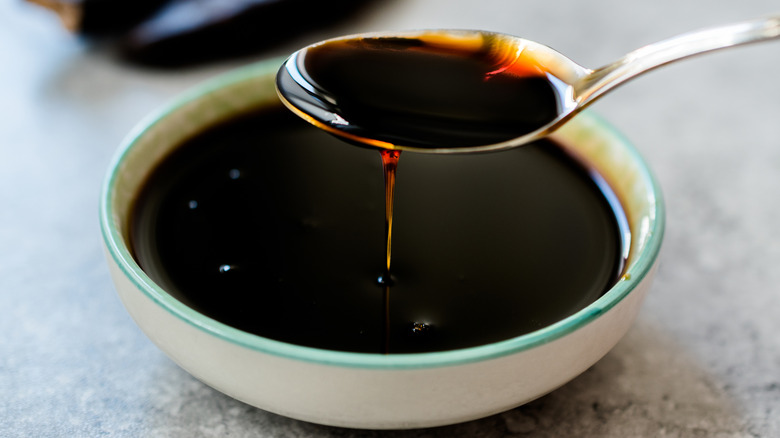
While provisions like beef, pork, and fish were vital to a ship's cargo, there's another item that, though less vital, most ships still made room for: molasses. This ingredient was well-suited for life at sea because it could withstand the ship's difficult conditions better than other sweeteners. "Sugar, if it gets wet, it's a mess. But molasses keeps well," explained Simon Spalding.
Because molasses is sweet, it helped sailors add flavor to their otherwise bland diet. "[The sailors'] breakfast often consisted of oatmeal porridge, along with coffee, tea, beer, or another beverage," explained Kelly Page. "When available, sailors added sugar or molasses to improve the flavor."
Alongside sweetening daily food, molasses was also used for more creative fare, like "sea voyage ginger snaps" (or a spicy version of ship's biscuit). Due to its popularity and versatility, ships often carried large quantities of molasses; one 1897 fishing schooner stocked 50 gallons for a four-month voyage.
Grog
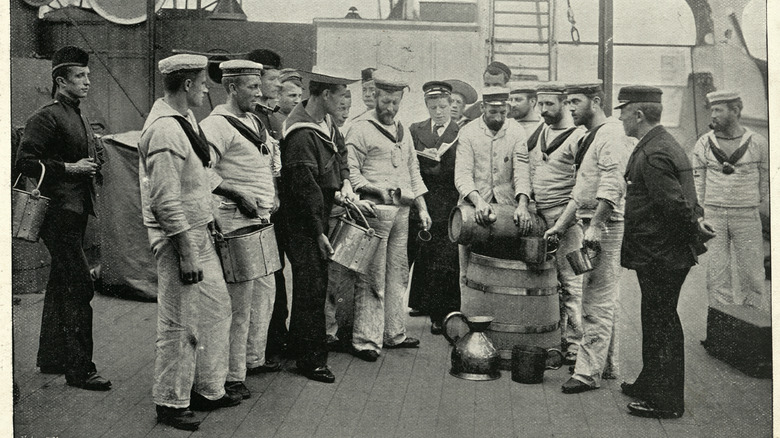
Contrary to what pop culture might lead you to believe, alcohol wasn't plentiful on most maritime vessels — and was strictly forbidden on merchant ships, according to Simon Spalding. British Royal Navy ships, however, began transporting large quantities of rum after England conquered Jamaica. This liquor slowly replaced the beer that had been historically carried on most ships.
At first, sailors received a daily ration of straight rum — the Royal Navy distributed a half pint (or 8 double shots). The sailors, however, would often drink the rum straight (or even collect it over the course of a few days) and drink it all at once, leading to drunken debauchery and disorderly conduct. Unsurprisingly, the Navy quickly looked for a new approach.
Eventually, "gin and rum were then usually cut with water to help keep sailors from accumulating alcohol," explained Kevin Crisman. Vice Admiral Edward Vernon, also known as "Old Grog" by the sailors, concocted the idea of adding rum to the water ration to dilute it. "If you mix it with water, it doesn't store well, so it also became more practical to issue this to sailors," added Crisman. Sailors sometimes added lime juice rations to the grog too, leading some to call it a precursor to the modern whiskey sour.
Ship biscuits

"One of the most iconic shipboard provisions was hardtack," said Kelly Page. "This durable biscuit could remain edible for years if kept dry, making it one of the most important provisions ever carried at sea."
Also known as ship biscuit, this cracker-like staple was made with a simple mix of flour and water. "In order to make [ship biscuits] last a long time, you tried to basically get rid of all the water in them," said Kevin Crisman. "I've made these things before, and they're real tooth breakers. I can't imagine trying to eat them," he added.
The low moisture content, however, was exactly why these were a must among most vessels; this trait made the biscuits resistant to spoilage, so they were the perfect provision for weeks or months at sea — but it didn't do much for the texture or taste. "[They were] so hard that sailors often soaked it in liquid before attempting to eat it," added Page.
This staple wasn't just found on ships, however. It was also consumed by soldiers during the Civil War, pioneers on the Oregon Trail, and others who needed shelf-stable, reliable provisions for long, unpredictable journeys.
Coffee and tea

Just like in the modern era, coffee and tea were staples aboard most vessels to help the crew kick-start their mornings, or wind down in the evenings. They were served at most meals — especially breakfast and dinner — according to Kelly Page.
The beverages not only helped the crew wake up after long nights, but helped them stay alert on overnight shifts on deck, too. Much like the brewing process today, coffee and tea were boiled and steeped (for up to 10 minutes, according to some sources) to create a caffeinated drink worthy of a hard day's work at sea.
Coffee even supposedly gets its popular nickname, "a cup of Joe," from American Navy sailors. In 1914, the Secretary of the Navy Josephus Daniels banned alcohol aboard all naval vessels, leaving sailors with only coffee and water to rely on. According to the story, sailors began calling coffee "a cup of Joe," as a joking reference to Daniels.
Fresh fish
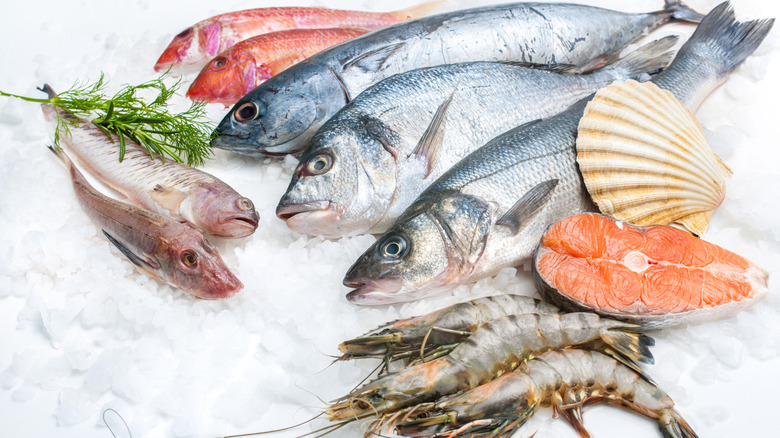
Though most ship's provisions had to be meticulously packed and preserved to withstand the harsh elements at sea, there was one fresh ingredient that was often sourced once on board: fish. "The Atlantic [Ocean] in the 19th century had lots and lots of fish," explained Simon Spalding. "Over time, the changes in the rigging of sailing ships gave sailors a little more time to do some fishing ... so they were sometimes supplementing their diet with fresh fish."
The crews regularly caught fish, turtles, porpoises, seabirds, and other marine life to supplement their diets, according to Kelly Page. When fish were caught, they were typically given to the ship's cook, who would then prepare the fish in various dishes — like soups and stews — and share among the entire crew, Spalding said. Unsurprisingly, after months at sea with only primarily preserved foods as sustenance, "these fresh [fish] provided variety and were generally greeted with enthusiasm," Page added.
Dried peas
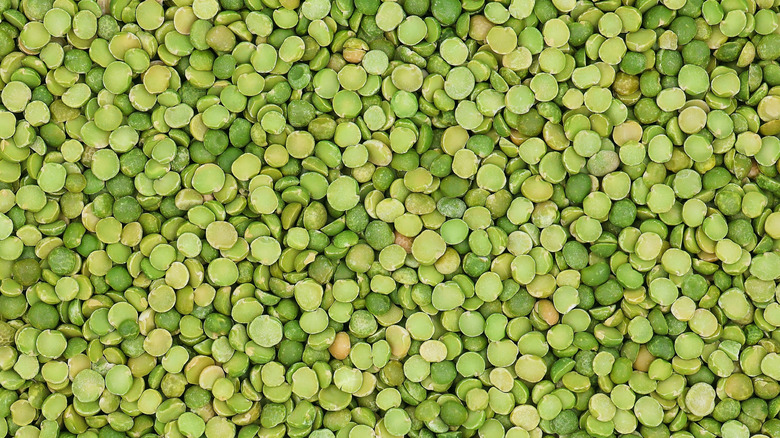
Peas were an important part of sailors' rations when they set off on a new voyage. According to a 1677 contract, two pints of peas were among the weekly rations, alongside beef, bacon or pork, and beer. "Dried peas, particularly for British sailors, was a steady part of the diet," agreed Kevin Crisman.
Peas and dried pork was a common combination on British Royal Navy ships. Because peas were grown throughout England, they were readily available and relatively affordable to stow away in large quantities. The whole and split peas that they would consume weekly were often one of the few vegetables in their diets at sea, among a steady stream of ship's biscuit, oats, and other grains.
Peas also had another benefit: they were surprisingly high source of protein, giving the sailors energy for their laborious tasks. A single cup of peas has eight grams of protein, making them one of the highest plant-based protein foods. They're also high in antioxidants, vitamin C, iron, and other vitamins and minerals, which many of the sailors were probably lacking.
Lime juice
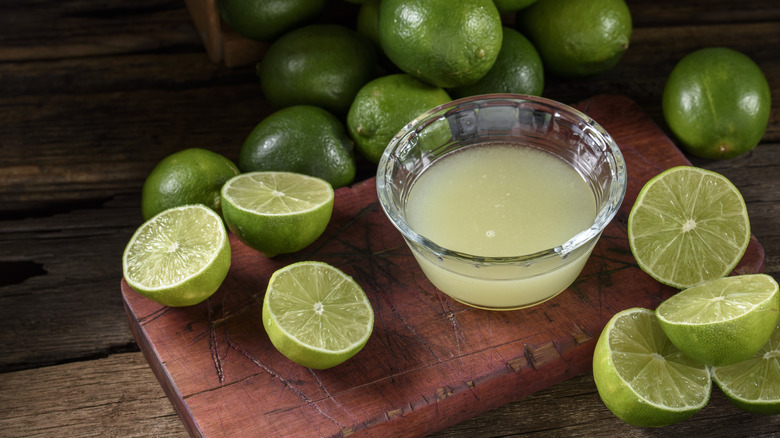
Before the introduction of lime juice in sailors' rations, scurvy would run rampant among crews. With a steady diet of meat and carbs — and a major lack of fresh fruits and vegetables — sailors would succumb to debilitating symptoms like fatigue, swollen gums and loose teeth, joint and muscle pain, bruising, and anemia.
In 1747, however, Dr. James Lind discovered the vital missing ingredient from their diet: Vitamin C. "By the late 18th and early 19th centuries, citrus fruits and lime juice became increasingly important [in ships' provisions] because they helped prevent scurvy," said Kelly Page.
To prevent the spread of the disease, ships began adding lime juice to rations, though "navies were slow to adopt formal citrus rations," added Page. The British Royal Navy added lime juice to its rations in 1795. Often added to grog, this juice helped keep the sailors healthy, and earned them a nickname that's still used today: Limey.
Plum duff
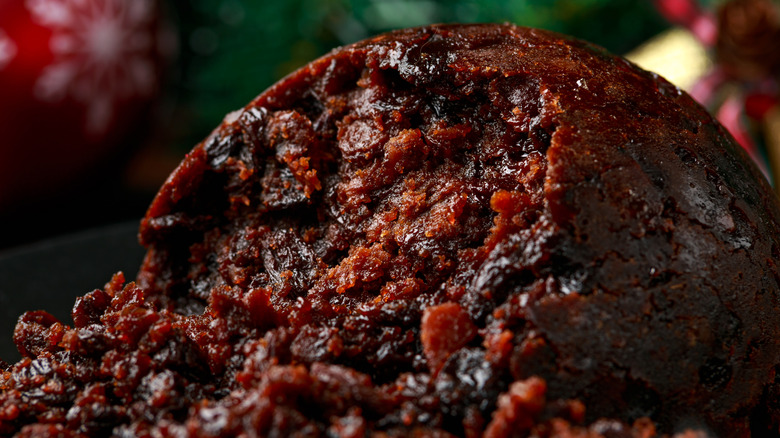
After weeks or months at sea, it's no surprise that the same meals became monotonous for sailors. But, "faced with endless repetition, [they] became remarkably inventive," said Kelly Page. "Duff, a boiled flour pudding ... was one popular variation," she added.
To make this pudding, the ship's cooks would take ingredients like flour, suet, and water, and boil them in a cloth bag. Despite its name, this dish doesn't include any fresh plums; as fresh produce would go bad in just a few days. Instead, shelf-stable dried fruits, like currants and raisins, were included to give the pudding a hint of sweetness.
This welcome break from ship's biscuits and salted beef, however, was reserved for special occasions like Sundays, or holidays like Christmas, according to Kevin Crisman. Paid passengers on merchant ships and high-ranking crew members would sometimes enjoy it with applesauce, according to Simon Spalding, while rank-and-file crew members would sometimes enjoy it with another ship staple: molasses.
Cheese
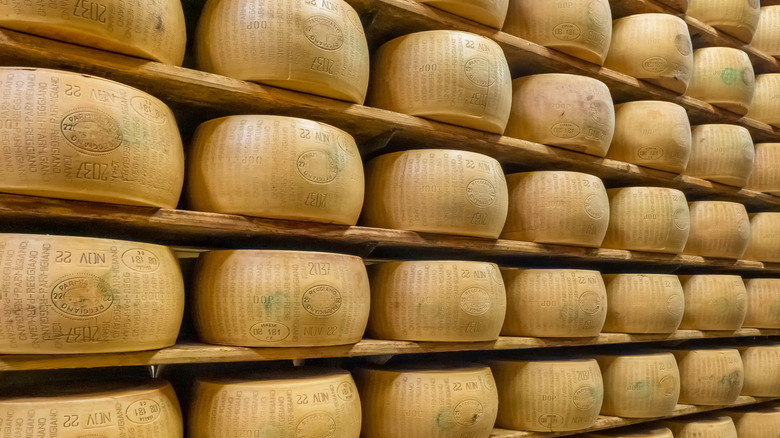
Certain cheeses are surprisingly durable. Especially if well-sealed, some can last for years — making them the perfect provision for long voyages. "Particularly for northern Europeans — for people from the British Isles, France, Holland and other northern countries — cheese was a big staple [on board]," said Kevin Crisman.
As early as the 1500s, sailors were granted a daily ratio that included up to a half pound of cheese, helping to make the dry hard tack a bit more palatable. The British Royal Navy followed suit, including 12 ounces of cheese in the provisions list for every sailor.
Choosing the right cheese for the voyage, however, was vital. "If it had too much fat then it would go bad quicker, so they tended to be really hard cheeses, something we think of like a Parmesan today," he added. Storing the cheese properly by wrapping it in cheesecloth or paper — or even submerging it in salt or brine — helped preserve the cheese, and keep it fresh as long as possible.