

14 Meals Middle Class Families Ate In The '50s
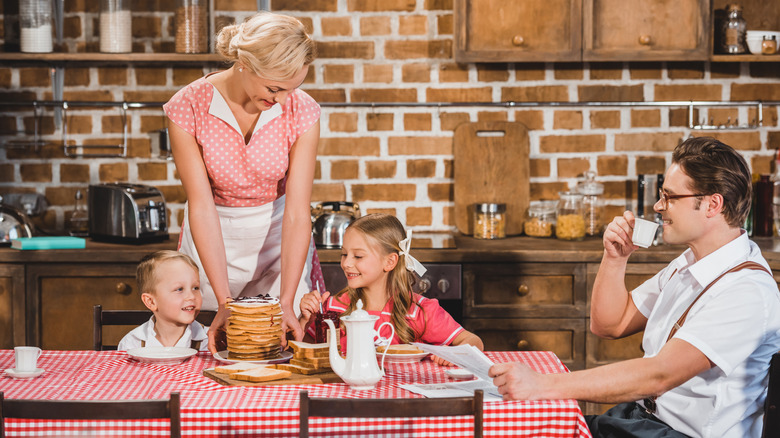
World War II impacted American culture in countless ways, and after the atomic bomb was developed, the Atomic Era shaped the way people manufactured and cooked food. Convenience was king, so there was a huge boom in canned goods and processed foods with much longer shelf lives. In addition, millions of women remained in the workforce after soldiers returned home, which greatly changed how households were run.
The 1950s were a fascinating period in American culinary history. The decade struck a balance between exploring all kinds of incredible manufacturing technologies and preparing wholesome meals from scratch. Most people may think of casseroles and bizarre Jell-O creations when they imagine the '50s, but there's much more to unpack about this era.
So, what was it actually like to sit down at the family dinner table during the 1950s if you were part of the middle class? Read on to sink your teeth into 14 popular meals that middle-class families ate in the '50s to see how well you'd fare with your modern taste buds.
1. Rice and mushroom casserole
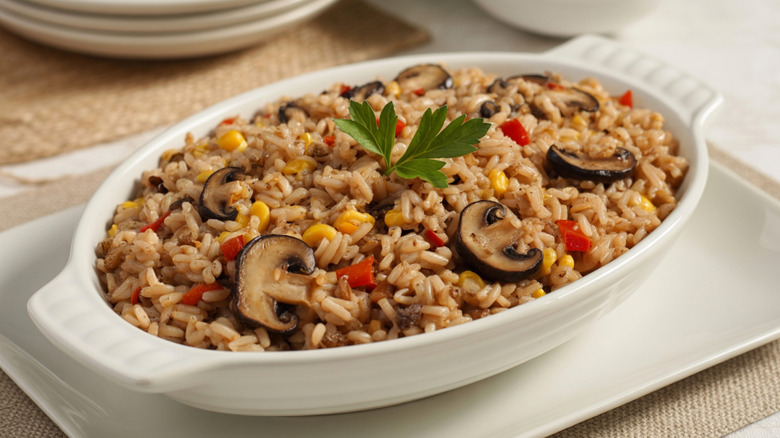
Casseroles must have been the darling of the 1950s because folks could dump a bunch of packaged goods into a dish, pop it into the oven for an hour, then have an almost effortless meal on the table that can feed a whole family. There are still plenty of people who love casseroles, but the modern-day equivalent would likely be slow cooker recipes that can simmer all day while you're at work. One popular way that folks got cooking inspiration back in the '50s was newspaper recipes. One newspaper published in Zebulon, North Carolina, in 1950 included a recipe for rice and mushroom casserole.
The recipe emphasized that rice, any cream of condensed soup, milk, and cheese could be the foundation for countless casseroles. This particular vegetarian recipe was published during Lent, which was perfect for the millions of middle-class Americans who were abiding by these practices. Back in the '50s, about half of the population went to church on Sunday.
To make this rice and mushroom casserole, folks combined cooked rice, a can of cream of mushroom soup, breadcrumbs, milk, grated cheese, and sliced tomatoes that were placed on top and salted. The recipe suggested tweaking the base based on preferences. Chicken, bacon, ham, seafood, and a wide variety of veggies could be added to bulk up the casserole and fit any budget. This was perfect for middle-class families who wanted to use leftover meat or vegetables.
2. Roasts with green bean casserole
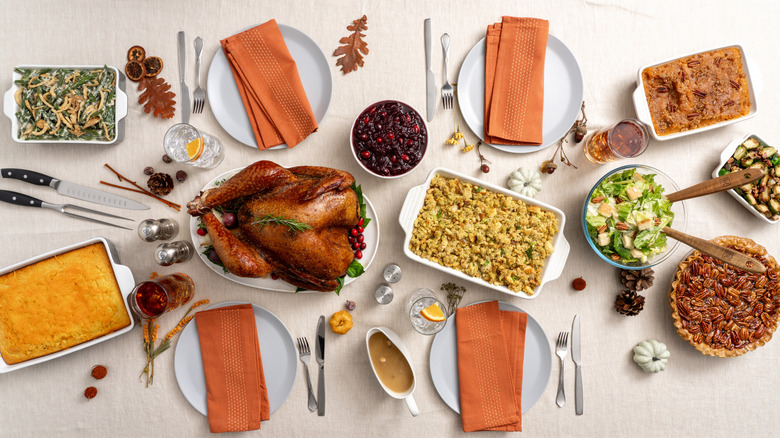
Nowadays, it's hard to imagine any Thanksgiving without green bean casserole, but to folks living in the 1950s, this dish was an exciting, new invention. One woman named Dorcas Reilly, who worked for Campbell's, was experimenting with the brand's soups to develop simple, affordable dishes that would appeal to the average '50s housewife. In 1955, green bean bake was born, which we now know and love as green bean casserole.
Her original recipe only required six ingredients: Green beans, Campbell's cream of mushroom soup, soy sauce, French's fried onion rings, milk, and pepper. We now associate green bean casserole with Thanksgiving, but back then, it could've been served with a regular Sunday roast whenever a quick side dish was needed.
Even though many women were in the workforce during the '50s, Sundays were special. On this day, families could go to church and then sit down together to enjoy a beautiful feast. Pot roast, roast beef, roast lamb, roast chicken, and other meats were weekly staples for many middle-class families in this decade. Having the time and energy to prepare such decadent meals every week was a luxury that defined the middle class.
3. Beef Stroganoff
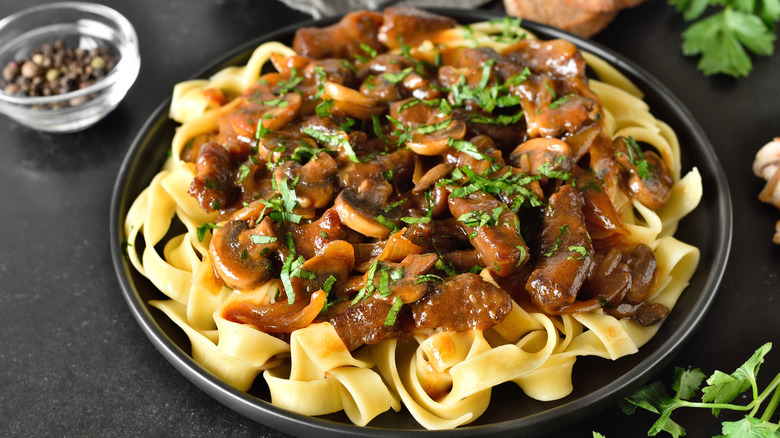
Classic Beef Stroganoff has seemingly been around forever, but the dish you're familiar with only blew up in popularity during the '50s. Before then, it was a dish prepared for a noble Russian family named Stroganov. Modern recipes use several ingredients to build a luscious sauce, but the heart of this dish is simply sliced beef and a creamy mushroom sauce served on a bed of egg noodles.
In 1950s-style fashion, many folks prepared beef Stroganoff with the help of convenience products, such as beef broth and cream of mushroom soup. This meal worked beautifully for middle-class families because they could choose any cut of beef that fit their budget for that week. Sirloin and ribeye are classic picks, but tenderloin and flank steak could also work. The recipe's noble origins let regular folks feel fancy without spending an outrageous amount of money. If they had time to chop fresh mushrooms and build an herbaceous sauce, they could take the homemade approach, but being able to cut corners really helped families who were short on time.
4. Fish sticks and tater tots
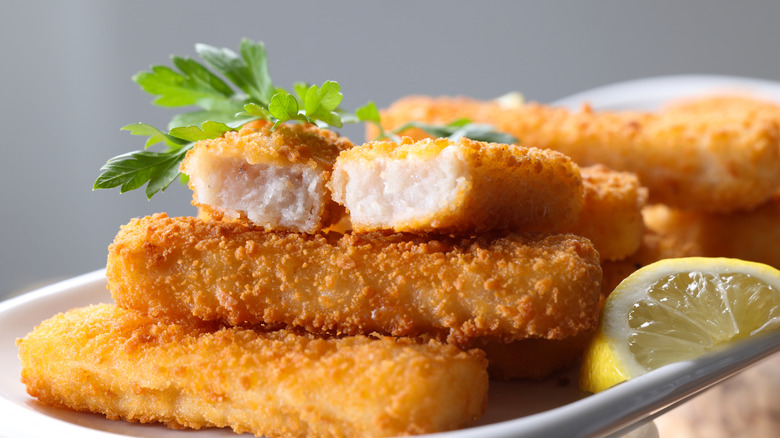
One iconic meal that's a lifesaver for kids and picky eaters of all ages is fried chicken tenders and French fries. Not only is it guaranteed to light up anyone's taste buds, but it's also quick to cook. During the '50s, one surprising fried-food duo that made a giant splash in the frozen aisle of grocery stores nationwide was fish sticks and tater tots.
Manufacturers rejoiced when fish sticks were invented in 1953 because they helped preserve millions of pounds of fish in a way that was more palatable to consumers. Shoppers avoided frozen fish because freezing technology wasn't fully up to par at the time, and large ice crystals plagued the filets. When cooked, chunks often tore apart, and the texture couldn't compete with fresh fish, which had a much shorter shelf life. Breading and frying the processed fish made them look and taste more fun. Home cooks didn't have to worry about dangerous bones or fish getting stuck to the pan.
Fish sticks alone weren't a complete meal, though. Tater tots were another frozen food innovation of the '50s. Tater tots also entered the food scene in 1953, and they were designed to prevent food waste. By combining leftover potato scraps with flour, the nuggets yielded mind-boggling results. Tater tots have a crispy exterior that turns into pillowy goodness once you bite to the center. Popping tater tots and fish sticks into the oven was the easiest dinner imaginable back then.
5. Canned, boxed, or homemade macaroni and cheese
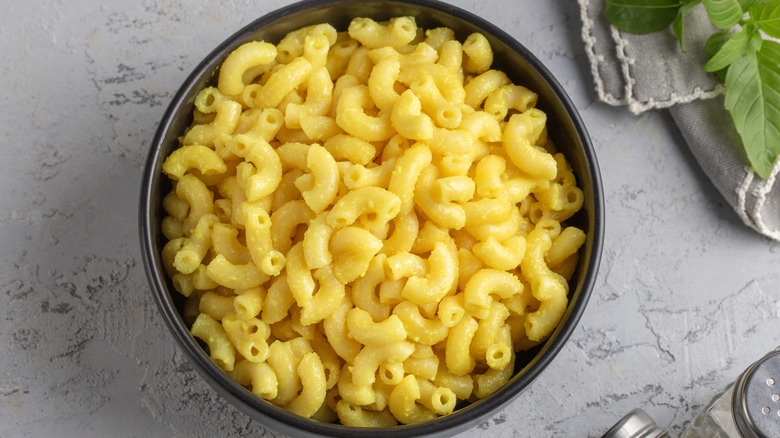
Certain dishes taste like heaven no matter how much effort you put into them. Creamy macaroni and cheese tastes the best when you take the time to create a gooey sauce, but no one can deny that a box of Kraft also hits the spot. If you dig into the history of Kraft macaroni and cheese, you'll know that Americans have been enjoying it since 1937. Like fish sticks and tater tots, figuring out how to make processed cheese has saved an unfathomable amount of dairy from spoiling. In the '50s, middle-class families could grab a couple of boxes from their pantries whenever they needed a quick, affordable, kid-friendly meal.
Since Kraft is still loved today, it's no surprise to hear that folks also consumed it seven decades ago. However, canned macaroni and cheese might push the limits of how processed you're willing to go. To us, it may be an abomination, but to middle-class families experiencing a manufacturing boom, it was a must-try product. Kraft has stood the test of time, but Wheatsheaf, a producer of canned macaroni and cheese, has been left to rest, arguably for the best.
It's both interesting and comforting to know that vintage mac and cheese recipes look the same today. Noodles, a block of cheddar cheese, butter, milk, salt, and pepper come together to make magic. Of course, the mac and cheese was dumped into a casserole dish, topped with crumbled crackers, and baked before serving.
6. Chicken croquettes
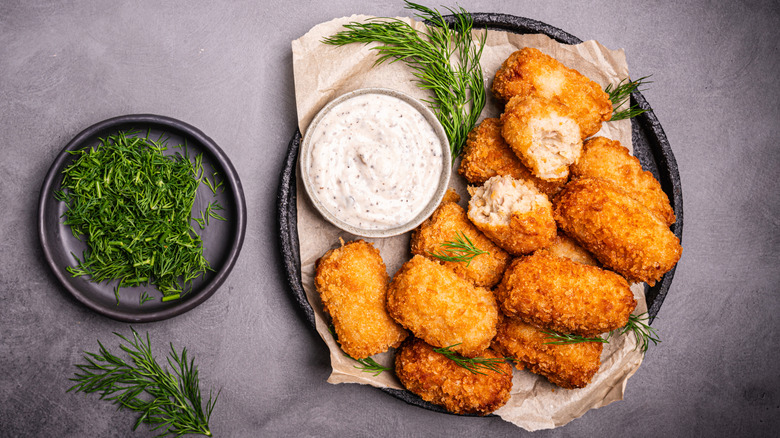
Since extravagant roasts were a Sunday staple for many middle-class families across America, leftover chicken and turkey often needed a makeover. Many home cooks experienced croquette fever during the '50s because this dish was much more exciting than reheating the same meat and drying it out.
Chopping the leftover roast and combining it with diced onion, celery, bell pepper, and a classic béchamel sauce breathed new life into the meat. Folks could form small balls, dredge them, and fry them until they were perfectly crispy on the outside and delightfully moist in the middle. A dish like this helped middle-class families enjoy their Sunday roast tradition and anticipate another lovely dish later in the week that felt eclectic back then.
If families were working with a tighter budget one particular week, they didn't have to miss out on their beloved croquettes. A common substitute for chicken or turkey was canned salmon. It wasn't as glamorous, but the cheap, shelf-stable protein certainly tasted fantastic in croquette form.
7. Hamburger pie
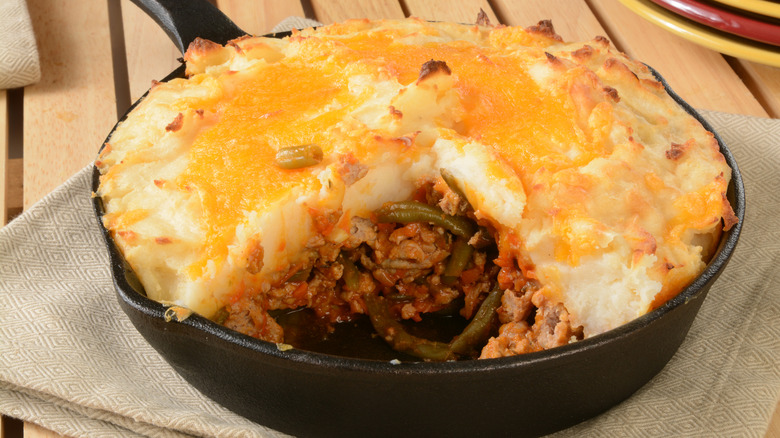
Many middle-class homemakers relied on recipe books from household names like Better Homes & Gardens to learn about the latest cooking trends to impress their families and guests. One recipe first published in 1941 is hamburger pie, and it was so beloved that the brand reprinted it in subsequent cookbooks. It's comforting to know that the recipe hasn't changed since it debuted.
If you suspect that this recipe is meant to highlight traditional hamburger flavors, you'd be surprised to hear that mashed potatoes and green beans are a couple of the main ingredients. In actuality, the closest thing that this tastes like is shepherd's pie. Ground beef, onion, green beans, and a can of condensed tomato soup go into a casserole dish, then the mixture is topped with a fluffy layer of mashed potatoes and shredded cheese before baking.
The reason so many middle-class families ate this dish regularly is that the ingredients were usually on hand. Ground beef cost $0.51 in 1950, which is roughly $6.83 in today's dollars. It wasn't dirt cheap, but the price was reasonable for middle-class folks. Throwing canned green beans, tomato soup, and leftover or instant mashed potatoes into the mix helped stretch one pound of ground beef so that the meal could satisfy a large family.
8. Veal cutlets
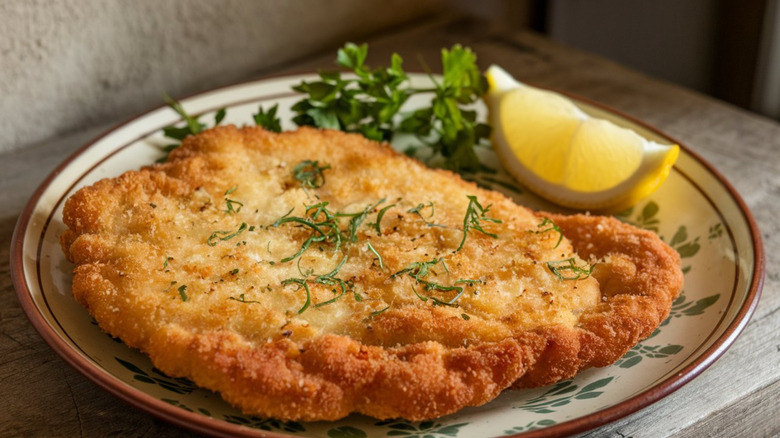
Sometimes folks romanticize the past, and our relationship with food is a hot topic. It's true that consumers could have relationships with local farmers and butchers, which led to a better understanding of where their food came from. However, factory farming was prevalent by the '50s, and people didn't know as much about the upsetting drawbacks as we do now. One piece of evidence is veal, which was tremendously popular in the '50s, but it makes many folks feel extremely uneasy today because of its sad origin.
Veal is a notoriously tender cut of beef, so it seemed like a no-brainer to add it to the grocery list in the mid-19th century, especially given how affordable it was. Veal beat inflation, and prices dropped significantly during this period. A 1954 report stated that veal cutlets cost only $1.29 per pound, which was $0.10 less than the year before. In fact, a Betty Crocker cookbook published in 1956 offered 13 different veal recipes. While people prepared veal in all kinds of ways, cutlets are a dish that many folks online remember from their youth.
9. Canned sausage, corn, lima bean, and cheese soup casserole
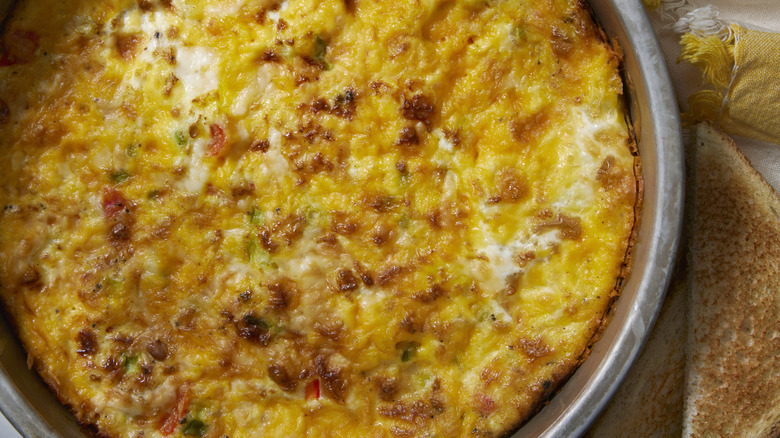
We've all heard the phrase that trends are cyclical. As kids grow into adults who have to endure many years of tough challenges, nostalgia creeps in. It's no surprise that adults nowadays look back to the 2000s, '90s, and '80s when life felt simpler. What is strange, yet charming, though, is seeing folks from several decades ago romanticizing trends that are even older. A 1989 Los Angeles Times article explored the major comeback of '50s-era foods because it brought folks comfort.
Some folks love to dunk on casseroles because they're old-fashioned and stuffed with ingredients that are fatty, salty, and highly processed. Yet there's a reason we can't help but come back to them decade after decade. One 1950s casserole mentioned in the piece was canned sausage, corn, lima beans, and cheese soup. Those who have lima bean trauma may shudder at the mere mention of them, but overall, this casserole sounds solid.
A majority of these ingredients were likely canned or frozen, so middle-class families from the '50s could whip it up in a jiffy between soccer practices or piano lessons. It's simple enough to throw together that it may have been plenty of kids' first meals they learned to prepare on their own.
10. Chicken pot pie
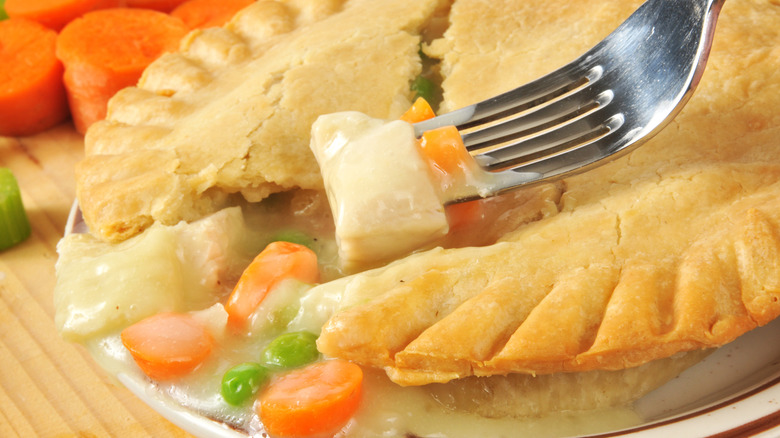
Chicken pot pie dates back to the Roman Empire, and it's likely a dish that will continue thriving for countless generations. What's not to love? It's creamy, filling, and delightful to eat when you get a bite of buttery, flaky crust. It's funny to know that folks from the '50s were also referring to chicken pot pie as an old-fashioned dish. In 1955, Del Monte published its own fun take on the beloved dish by combining it with a corn soufflé, of course promoting its canned corn.
Instead of creating the traditional stew that includes chicken, potatoes, peas, and maybe some other veggies, Del Monte instructed home cooks to use chicken, onion, and the thick, luxurious broth as the base. Afterward, canned corn, flour, salt, and eggs come together to form the soufflé topping. The dish isn't complete yet. With boxed biscuit mix, home cooks made rolls to nestle on top before baking. Sure, it's a bit wacky, but when folks were growing tired of the same pot pie, this twist could certainly liven up the dinner table. Whether home cooks were preparing the traditional chicken pot pie or trying Del Monte's recipe, it must've been nice to have yet another way to use leftover roasted chicken from Sunday while also enjoying the convenience of canned and boxed goods.
11. Stuffed bell peppers
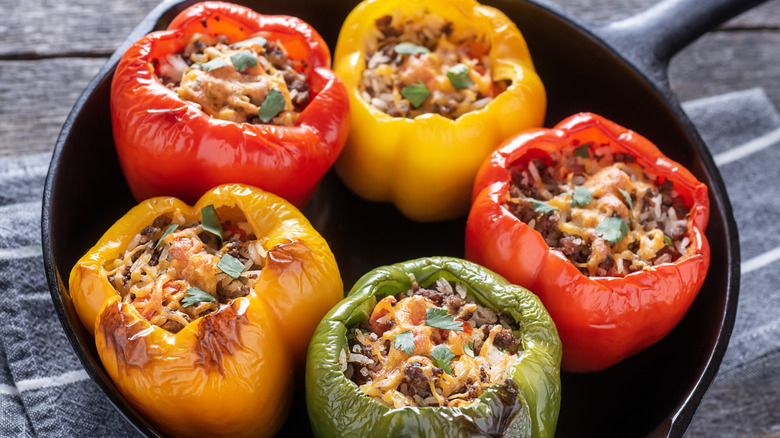
It'd be easy to make a stir-fry with ground beef, rice, bell peppers, and other veggies, but where's the fun in that? Stuffed bell peppers were all the rage during the '50s because the presentation was delightful, and serving individual peppers was a breeze. This dish has been around long before the '50s, but middle-class families ate it regularly because the rise in processed foods allowed cooks to cut corners. Instead of lovingly stewing tomatoes all day, people could pop open a can of condensed tomato soup to pour over the stuffed peppers. Plus, combining a pound of beef with rice could feed a bigger crowd if a meatier dish like hamburgers didn't fit the budget for that week.
Since many middle-class families in the '50s were still recovering from WWII, when victory gardens were a necessity, it's likely that many folks who had the luxury of extra time and energy still grew their own veggies. Stuffing bell peppers fresh from the garden must've been a real treat.
12. Chicken fricassée
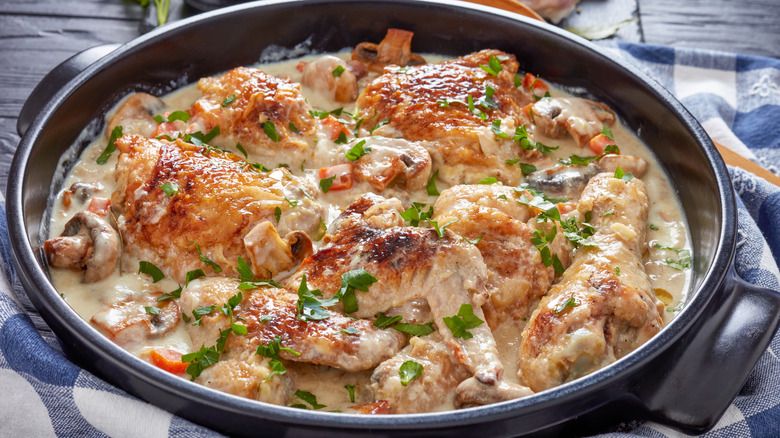
For the uninitiated, fricassée is a French cooking technique that beats traditional stews. You can always count on the French to turn a simple, affordable piece of chicken into a work of art with lots of butter, wine, and heavy cream. You can also count on Americans to gobble up French recipes because they seem fancy and exciting. Any middle-class family from the '50s was guaranteed to feel more like royalty when they tucked into sumptuous pan-fried chicken swimming in an herbaceous, creamy sauce. The meal became complete with an inviting bed of rice or mashed potatoes. Betty Crocker's 1956 cookbook suggested preparing some dumplings in the gravy as well for an even richer dining experience.
Fricassée is one of those reliable cooking techniques that delivers a gorgeous presentation and flavor with little fuss. Substitutions were also possible to save home cooks who didn't feel like running to the store. For example, if they didn't have wine, they could still get a nice acidic flavor with a squeeze of lemon.
13. Swanson TV dinners
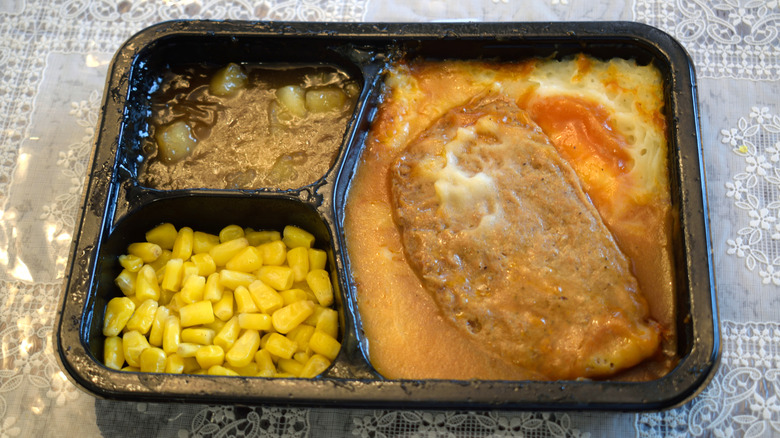
We can't talk about meals from the '50s without mentioning the iconic TV dinner. When you dig into the rise and fall of TV dinners, you'll learn that Swanson made them accessible to the general public during this decade, and these frozen meals prevented a ton of food waste.
Frozen dinners aren't very glamorous nowadays. Many folks turn to them as a last resort when they're too tired to cook and don't want to spend a fortune on takeout. Yet back then, everyone had to get their hands on them. The frozen meals were futuristic, the microwaves used to heat them were futuristic, and the televisions that you sat down in front of while eating them were futuristic. Swanson was not only selling frozen products, but also a novel experience at the time. It's no wonder that middle-class families were quickly hooked. Some of the brand's nostalgic dishes included turkey dinner, Polynesian-style dinner, fried chicken dinner, and meatloaf dinner.
14. Ham loaf
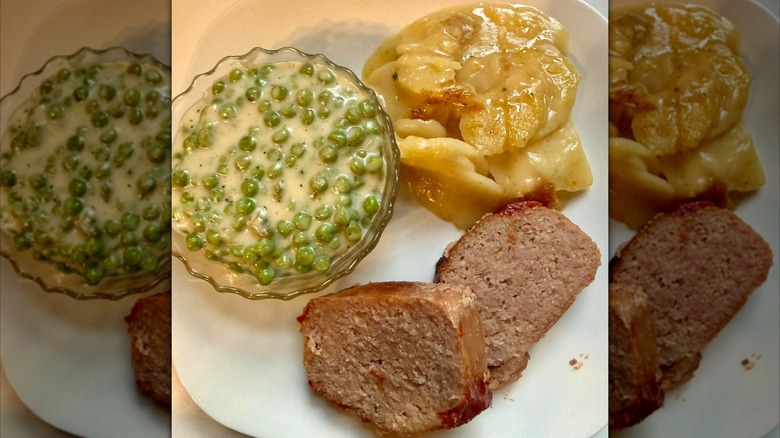
Most of us know and love meatloaf, which families have been enjoying for generations. Yet not as many people have heard of ham loaf, which was a staple during the mid-19th century. If a middle-class family ate a big roasted ham on Sunday, then home cooks had to get creative with the leftover meat. Using a food processor or meat grinder, people could grind their leftover ham and combine it with ground pork, crushed saltines, milk, and eggs to form a big loaf. Like meatloaf, ham loaf needed a salty, sweet, and tangy sauce that thickened as it baked.
Back in the day, it wasn't uncommon to buy ham loaves directly from the butcher as well. This recipe helped butchers turn less desirable cuts of meat into a scrumptious dish that folks could pop in their ovens. If you have doubts about the process, rest assured that each slice of ham loaf is tender, moist, and bursting with rich flavor notes. It could be served as another formal dinner with mashed potatoes and other fixings, or it could be slapped between some bread for a quick but wholesome lunch.