

3 Disadvantages Of Granite Countertops You Should Know
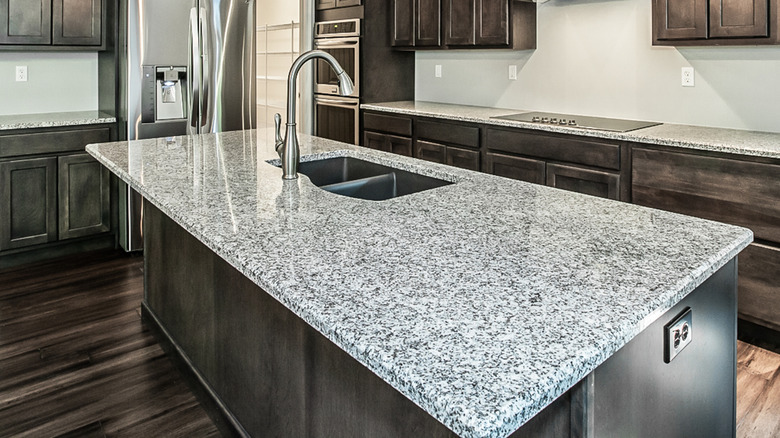
Countertops are among the most important parts of a kitchen for both aesthetic and practical reasons. Naturally, the material from which they're constructed makes a huge impact on both. Granite has long been a go-to choice for many people seeking to upgrade from more utilitarian or budget-friendly options like laminate or tile. Despite its high-end reputation, there are also some important disadvantages to know about before you start your next kitchen update. These include the cost of the material, difficulty of installation, the need for periodic maintenance, and limited control over the stone's appearance.
Unlike certain soon-to-disappear kitchen fads – such as oversized islands or needlessly high-tech appliances — investing in a granite countertop has plenty of practical and aesthetic upsides that need to be carefully weighed against the negatives. Many homeowners find the stone attractive, as it boasts a variety of styles and colors to complement any decoration scheme. Others prefer its natural origin or appreciate the material's impressive resistance to scratches. It's also the gold standard of heat resistance among countertops. Granite is able to withstand temperatures up to 1,200 degrees Fahrenheit for brief periods without damage, far beyond the typical temperatures found in even the hottest kitchen ovens. Still, these characteristics may not make up for some of the potential downsides.
Granite is difficult to install and expensive
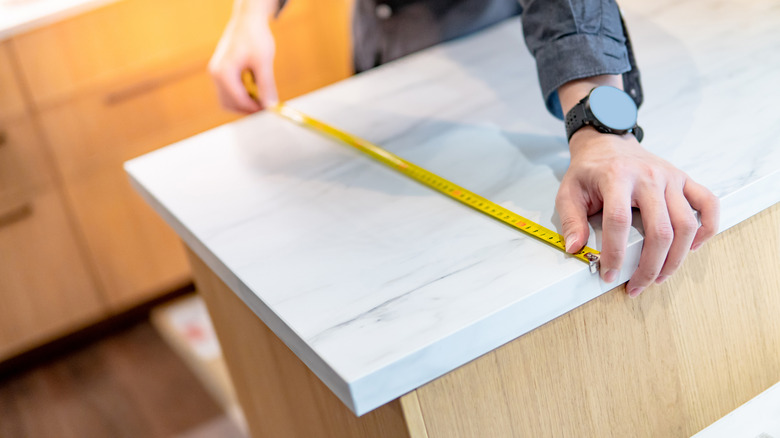
One straightforward disadvantage of installing granite may keep some people from even considering it for their home: the price. Countertops made from this stone typically cost $40 to $60 per square foot, and the rate can climb as high as $100 for high-end or specialty versions. By contrast, you can choose a budget-friendly material like laminate for as low as $20 to $30 per square foot (though it's a big no-no for the Property Brothers). Particularly for large countertops, this difference can add up to thousands of dollars. Even some types of quartz and slate would be cheaper alternatives to granite.
Installing the countertops presents another possible issue. Granite weighs over 160 pounds per cubic foot. That could make it quite cumbersome to transport to and through your home. It also takes a lot of skill and specialized equipment to properly cut the material, and the weight could require you to reinforce the cabinets underneath. Altogether, this generally removes it from the DIY sphere for all but the most experienced homeowners, adding to the cost, logistics, and other hassles.
Granite countertops can stain without maintenance
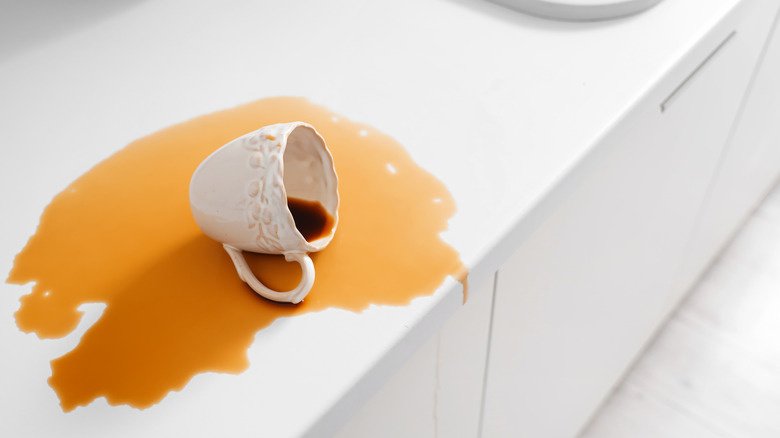
Granite is much less porous than other types of natural stone.While that makes it resistant to spill-related blemishes, it's not impervious. Without periodic care, the surface can soak in stains, permanently damaging the appearance of your countertops. Oil, fruit juice, and wine are common culprits, but even water can cause temporary discoloration if allowed to sit on granite for too long. Preventing such liquids from soaking in requires resealing periodically. Based on some recommendations, you should do this yearly or more often. Although the activity itself only takes a few minutes, it generally requires the area to be kept dry for a day or so. This restricts the usage of your countertops for that period.
The risks aren't limited to appearance, either. Without sufficient sealing, granite can also allow moisture to migrate in and potentially harmful bacteria to establish itself on the material. All of this stands in stark contrast to a close competitor material, quartz. Since it's a manmade, engineered material, it's non-porous and doesn't require any extra sealing or maintenance beyond regular cleaning.
Natural granite variation creates aesthetic hurdles
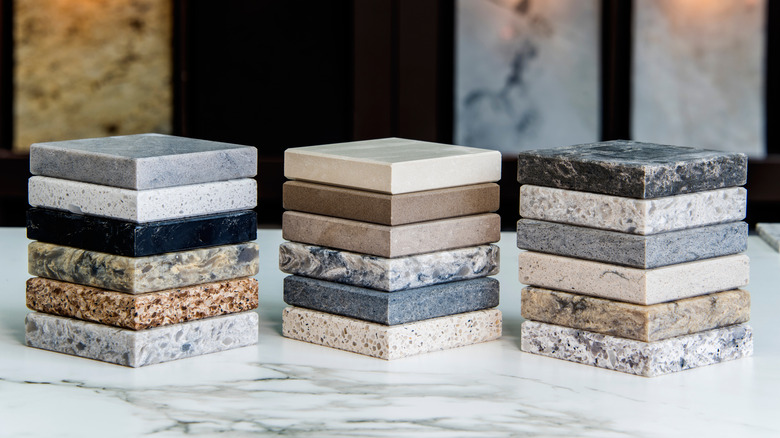
Each slab of granite is unique, reflecting the natural processes that produced it. This might be an upside for those seeking a one-of-a-kind look, but it can likewise be a hassle for folks trying to match material across larger kitchens or coordinate with a preexisting color scheme.
Unlike consumers that opt for quartz (which is consistent due to its manufactured origin), buyers who prioritize the exact appearance of their granite countertops will need to browse and select a particular slab. This might be time-consuming and frustrating for someone who cares deeply about matching and coordination, especially since larger countertop projects may require more than one slab.
Making a big, highly visible decision like countertop material is important, especially with how long granite countertops last (a lifetime, with proper installation and care). While there are certainly appealing factors and reasons to choose granite, it's critical to weigh these potential disadvantages as well before pulling the trigger on your kitchen update.