

3 Disadvantages Of Electric Ovens
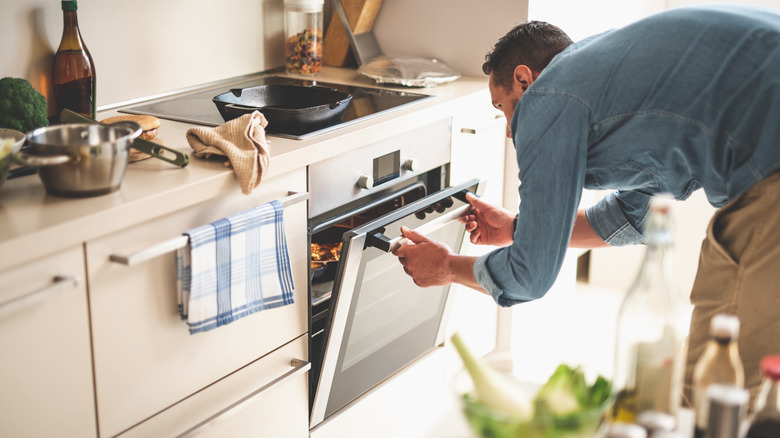
If you want to start a fight among a group of home chefs, ask if they prefer gas or electric stoves. This simple question is capable of igniting a firestorm (ha), but we'd like to turn the temperature down (double ha) on the divisive debate. Both appliances have their merits, and one might even be more suitable for you based on your kitchen setup and cuisine preferences. This is why it's important to understand appliance limitations if you're shopping for a new stove. As such, it's time we highlighted a few disadvantages associated with electric ranges so you can make an informed decision.
Common complaints about electric stoves include lack of precision in temperature controls, as well as a long heat-up period after turning on the appliance. Depending on the type of stovetop your range has, you may also find that not all of your cookware is compatible. Let's get down to brass tacks: Gas stoves produce an open flame while electric ranges generate heat using a metal coil, and this coil is what heats the cookware and ultimately cooks your food. While these models do have some advantages over gas (they're better for baking, for one thing), you should be aware of the challenges of using an electrically powered range.
Temperature controls can be imprecise
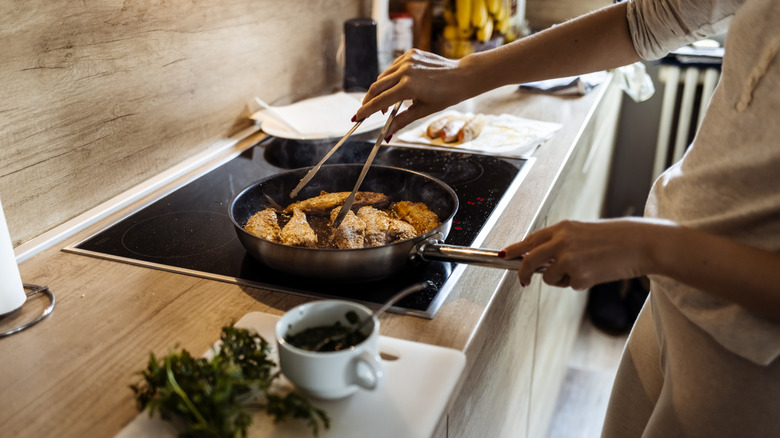
According to a 2022 study by Nature Ecology and Evolution, cooking with fire has been a thing for about 780,000 years and even predates humans (via Frontline). This development was incredibly impactful, as it eventually led to physical changes that put us at the top of the food chain. While gas stovetops don't exactly replicate the experience of cooking over an open fire, many chefs still appreciate being able to see flames as they cook. The process is undeniably intuitive: See flames, hot. Flames go up, hotter. Flames go down, less hot. For this reason, some people don't like making food on an electric stove.
These appliances usually have a coil-based or radiant electric cooktop, though some ranges come with induction burners (more on those later). In both formats, heat is transferred from a metal coil to the pot or pan, though radiant electric devices feature a layer of ceramic glass over the burners. Therein lies the heart of the responsiveness problem: Unlike gas burners and their visible flames, cooks can't really gauge the temperature of an electric burner. You can get around this issue with cooking tweaks and adjustments, but many home chefs still prefer the fire and drama of a gas range.
Electric ovens take longer to heat up and change temperatures
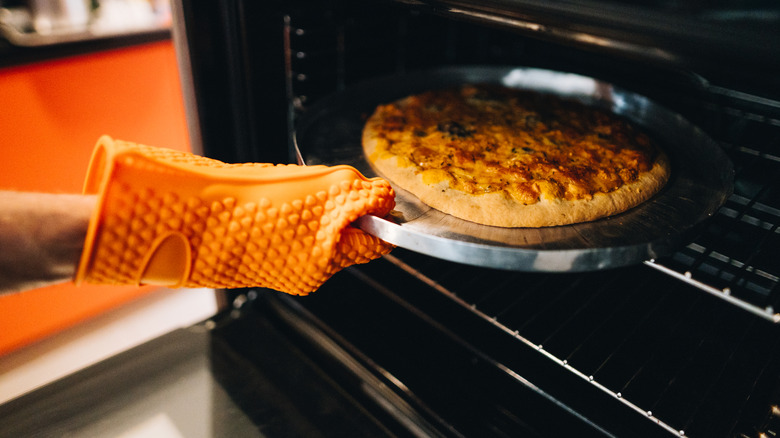
Electric ranges aren't as energy-efficient as gas ovens, so the appliance could be quietly driving up your utility costs. Then there's the matter of preheating, as electric ovens usually take longer to heat up than gas-powered models. Delays can also occur when you change temperatures inside the oven or on the cooktop. Not only do these effects raise your electricity costs, but they add a layer of frustration to your home cooking.
Some chefs sidestep electric oven woes by creatively interpreting cook times and temps. Consider a dish like risotto, which entails simmering broth on medium-high heat before reducing the temperature. Due to the lag (and to avoid overcooking the dish), you might need to turn down your electric burner before the recipe specifies. These adjustments can naturally set an unseasoned cook on the path to failure, in which case, it may be better to err on the side of gas.
Your choice in cookware may be limited
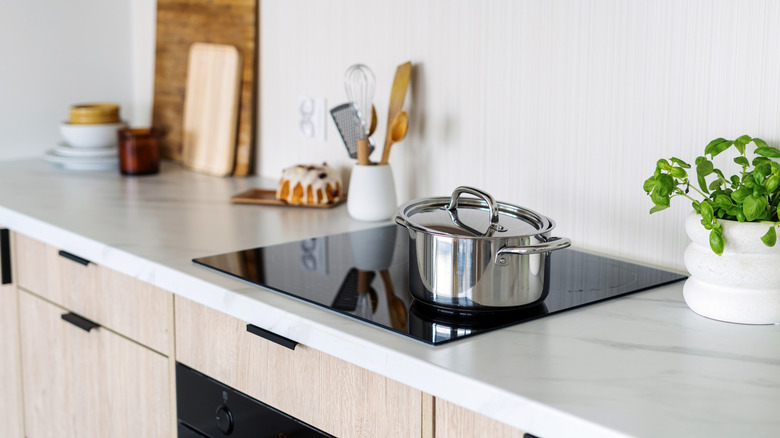
Some modern electric ranges come with radiant glass cooktops. While they're easier to clean and have aesthetic appeal for days, glass can be limiting. Cookware made from cast iron, ceramic, and stoneware can potentially damage the surface, while glass items have poor conductivity, which can throw off cooking times. If your electric range has a fancy induction cooktop, you have another set of limitations to consider. Induction cooktops produce an electromagnetic current that requires compatible cookware to generate heat. Induction-compatible items are made from specific metals like steel and cast iron, while ceramic, glass, and certain types of metal pots are incompatible.
Woks are another type of cookware that doesn't jibe with electric stoves, regardless of the type of cooktop you have. Wok chefs can never really leave gas ranges behind because they need high heat and open flames to pull off their culinary magic. Gas burners' high flames and responsiveness are essential when making dishes like beef and broccoli stir-fry. Along with more precise temperature control, the flames produced by gas burners travel up the sides of the wok to ensure that ingredients are evenly heated as you toss them around the pan.